
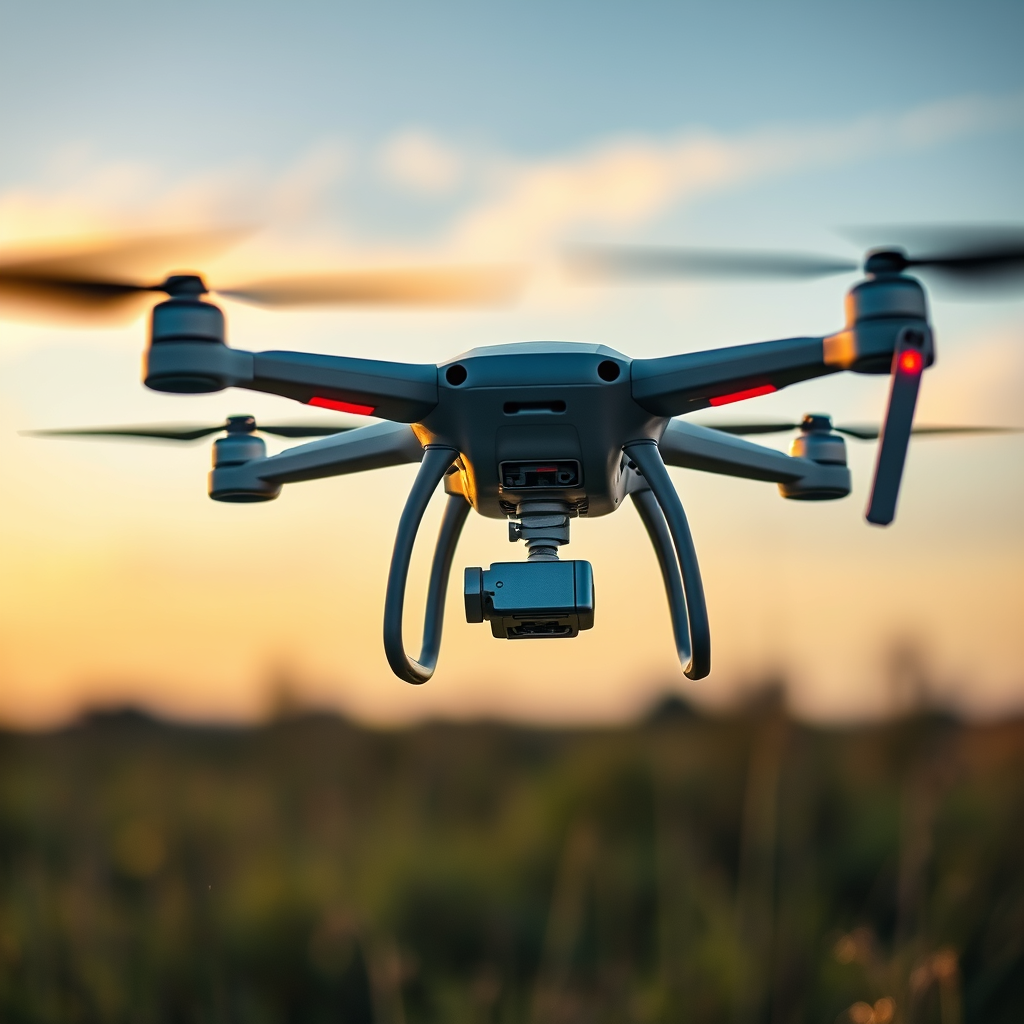
Yes, drones can spray chemicals, and they are increasingly being utilized in agriculture, pest control, and public health applications. This innovative technology provides a more efficient and precise method for applying chemicals compared to traditional methods, enabling operators to manage resources better while minimizing environmental impact. In this article, we will explore how drones spray chemicals, their advantages and challenges, the types of chemicals they commonly spray, safety considerations, and future trends in this rapidly evolving field.
How Do Drones Spray Chemicals?
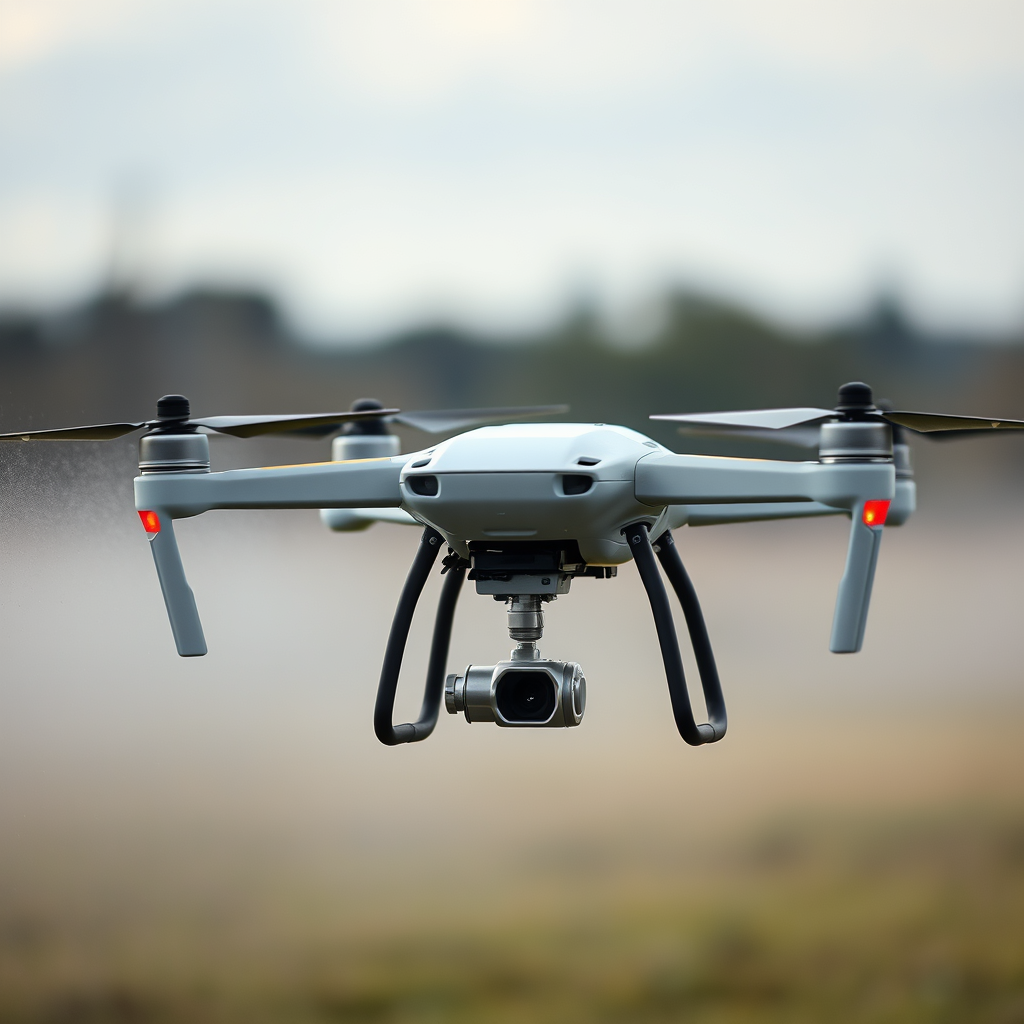
Drones equipped for chemical spraying typically feature specialized tanks and nozzles designed to disperse liquids uniformly over large areas. These drones can carry various payloads, depending on the application. The process begins with the operator using a computer or mobile device to set up a flight plan that defines the area to be treated. Utilizing advanced GPS and mapping technology, the drone follows pre-determined flight paths, ensuring accuracy in application.
For instance, a typical agricultural drone can cover up to 100 acres in just a few hours, significantly faster than traditional ground-based methods. The drones use a combination of pressure and nozzle types to create fine droplets that maximize coverage and minimize drift. Additionally, many drones are equipped with sensors that can assess crop health and optimize spray patterns in real-time, increasing the effectiveness of chemical application.
Advantages of Using Drones for Chemical Spraying
Increased Efficiency
One of the most significant advantages of using drones for chemical spraying is their efficiency. Drones can cover vast areas in a fraction of the time it takes conventional methods, allowing farmers to treat crops quickly, even in challenging terrains. For example, a drone can apply pesticides or fertilizers to fields that may be too wet or muddy for traditional tractors, reducing the risk of soil compaction and damage to crops.
Precision Application
Precision is another key benefit of drone spraying. Drones can target specific areas with high accuracy, reducing chemical waste and ensuring that only the necessary amount of product is applied. This targeted approach not only leads to healthier crops but also minimizes the risk of chemical runoff into surrounding environments. The use of drones in vineyards, for instance, allows for precise application of fungicides and insecticides, which is crucial in maintaining grape quality and yield.
Types of Chemicals Commonly Sprayed by Drones
Pesticides
Drones are commonly used to spray pesticides, which protect crops from harmful insects and diseases. By applying pesticides from the air, farmers can achieve better coverage and penetration, particularly in dense crops where ground equipment may struggle to reach. Moreover, aerial application can reduce the amount of pesticide needed, as drones can apply products in more targeted ways.
Fertilizers
In addition to pesticides, drones can also apply fertilizers directly to plants, optimizing nutrient delivery and promoting healthy growth. This method is particularly beneficial in large farming operations, where precise nutrient management can significantly impact productivity. For example, precision drone fertilizer applications allow farmers to assess soil health and nutrient needs accurately, leading to improved crop yields and reduced fertilizer costs.
Challenges in Using Drones for Chemical Spraying
Regulatory Hurdles
Despite the numerous advantages of drone spraying, there are significant regulatory hurdles that operators must navigate. Compliance with aviation regulations and chemical application laws can be complex and time-consuming. In many countries, operators need to obtain specific licenses and adhere to strict guidelines regarding flight operations and chemical use. For example, in the United States, the Federal Aviation Administration (FAA) regulates commercial drone operations, which includes restrictions on flight altitude, airspace, and pilot certification.
Weather Conditions
Weather conditions can also pose challenges for drone spraying operations. Wind and rain can affect the effectiveness of spraying, causing drift or dilution of the chemicals being applied. As such, operators must carefully monitor weather conditions and choose optimal spraying times to ensure the best results. For instance, calm days with low wind speeds are ideal for aerial applications, while rain can wash away chemical applications, necessitating re-spraying.
Safety Considerations for Drone Spraying
Operator Training
Ensuring that drone operators are trained in both drone operation and chemical safety is crucial. Proper training helps mitigate risks associated with chemical exposure and ensures compliance with regulations. Operators should be knowledgeable about the specific chemicals they are applying, including their effects on human health, non-target species, and the environment. Many organizations offer certification programs for drone operators that include components on safety and chemical handling.
Environmental Impact
Assessing the potential effects of chemical spraying on non-target species and ecosystems is another essential safety consideration. Operators must be aware of the surrounding environment and take steps to minimize unintended exposure of chemicals to wildlife, pollinators, and local water sources. For example, using drift-reducing nozzles and adhering to buffer zones can help protect sensitive areas during spraying operations.
Future Trends in Drone Chemical Spraying
Technological Advancements
The future of drone chemical spraying is poised for significant advancements as technology continues to evolve. Innovations in drone design, such as increased payload capacity, longer flight times, and enhanced navigation systems, will improve operational efficiency. Moreover, advancements in chemical formulations, such as environmentally friendly pesticides and precision nutrient delivery systems, will further enhance the effectiveness of drone applications.
Increased Adoption
As awareness of the benefits of drone technology grows, so too does its adoption across various industries. Farmers and pest control operators are increasingly recognizing the potential for drones to improve efficiency and yield. In sectors like public health, drones are being explored for their ability to spray disinfectants in urban areas, showcasing their versatility beyond traditional agricultural applications. As regulatory frameworks adapt to accommodate this new technology, the use of drones for chemical spraying is expected to expand significantly.
In conclusion, drones have emerged as a viable and innovative option for spraying chemicals, offering significant advantages in terms of efficiency and precision. As technology continues to advance and regulations evolve, the adoption of drones in agriculture, pest control, and public health will likely increase. For individuals and organizations considering the implementation of drone technology, staying informed about best practices, safety measures, and legal requirements will be essential for successful operations.
Frequently Asked Questions
Can drones spray chemicals for agricultural purposes?
Yes, drones can spray chemicals for agricultural purposes, including pesticides, herbicides, and fertilizers. Equipped with specialized tanks and spraying systems, agricultural drones offer efficient coverage of large fields, reducing labor costs and minimizing chemical waste. This technology allows farmers to target specific areas, ensuring precision in application while enhancing crop health and yield.
What are the benefits of using drones for chemical spraying?
The benefits of using drones for chemical spraying include increased efficiency, reduced labor time, and minimized chemical runoff. Drones can access hard-to-reach areas and provide precise application, which can lead to lower chemical usage and reduced environmental impact. Additionally, real-time data collection from UAVs can help farmers make informed decisions about their crop management practices.
How do drones ensure safety when spraying chemicals?
Drones ensure safety when spraying chemicals through several measures, including automated flight paths, adjustable spray systems, and adherence to local regulations. Many drones are equipped with GPS and sensors that help avoid obstacles and maintain safe distances from people and livestock. Moreover, operators must be trained on safe chemical handling and must comply with the Environmental Protection Agency (EPA) guidelines to ensure responsible usage.
What regulations should I be aware of for using drones to spray chemicals?
When using drones to spray chemicals, it’s crucial to comply with regulations set by the Federal Aviation Administration (FAA) and the Environmental Protection Agency (EPA). This includes obtaining the necessary certifications for commercial drone operation and ensuring that the chemicals used are registered and approved for aerial application. Familiarizing yourself with state-specific regulations can also help avoid legal issues and promote safe practices.
Which types of drones are best suited for chemical spraying?
The best types of drones for chemical spraying are those designed specifically for agricultural applications, such as multi-rotor or fixed-wing UAVs with payload capabilities. Look for drones that offer features like GPS-guided navigation, adjustable spray nozzles, and large tank capacities. Popular models include the DJI Agras series and the Parrot Bluegrass, which have received positive feedback for their efficiency and precision in chemical application.
References
- https://en.wikipedia.org/wiki/Drone_spraying
- https://www.faa.gov/uas/commercial_operators/agriculture
- https://www.usda.gov/media/blog/2020/01/30/using-drones-agriculture
- https://www.nature.com/articles/s41598-021-93854-7
- https://www.sciencedirect.com/science/article/pii/S016773222030354X
- https://www.ams.usda.gov/reports/drones-agriculture-report
- https://www.abc.net.au/news/2021-09-01/drones-spraying-pesticides-agriculture/100446666
- https://www.npr.org/2021/06/08/1005180403/drones-in-agriculture-spraying-pesticides
- https://www.scientificamerican.com/article/how-drones-are-helping-farmers-crop-spraying/
