
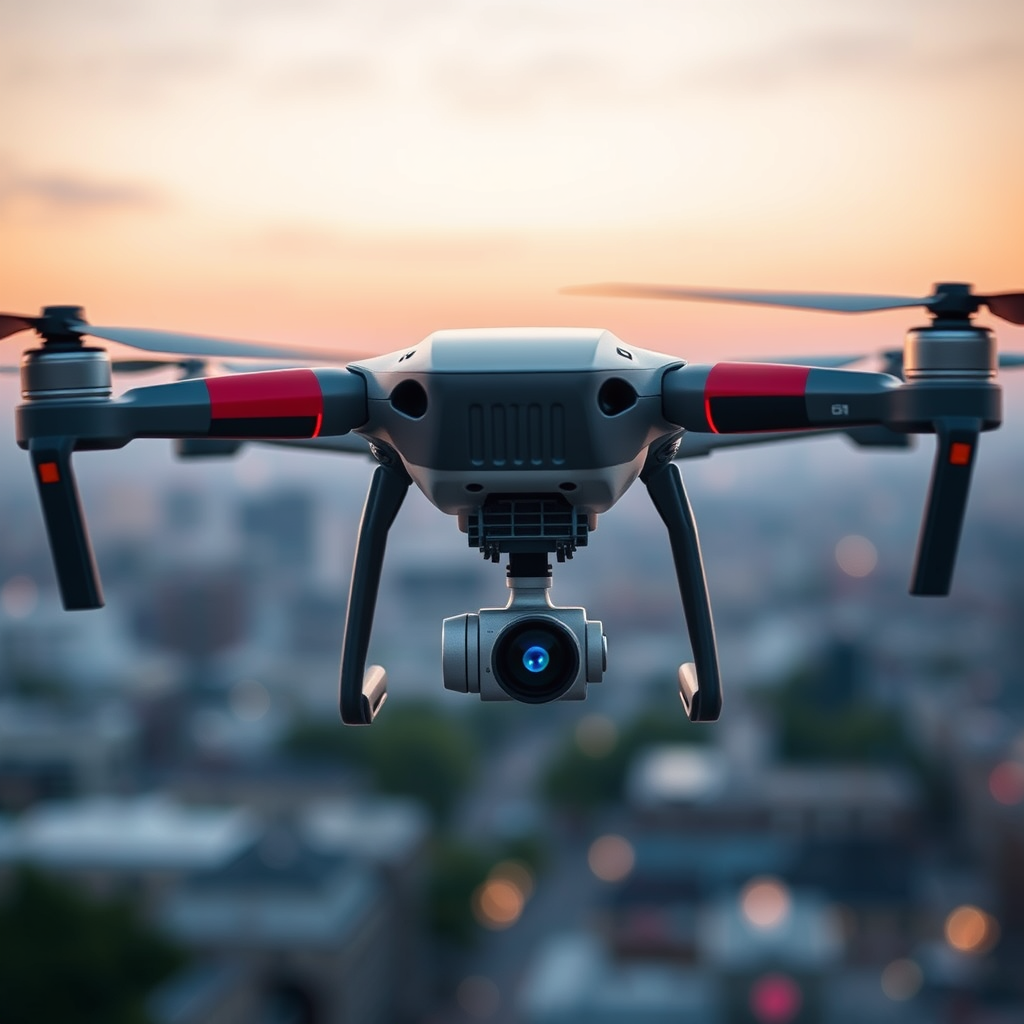
Yes, drones can potentially spy on you, depending on their capabilities and how they are used. With advancements in technology, drones equipped with high-resolution cameras and sensors can capture images, videos, and even gather data from a distance. The increasing prevalence of drones in both commercial and personal contexts raises significant questions about privacy, legality, and ethics. As these aerial devices become more sophisticated, understanding their surveillance capabilities is essential for protecting personal privacy and navigating the complex legal landscape that governs their use.
What Types of Drones Are Used for Surveillance?
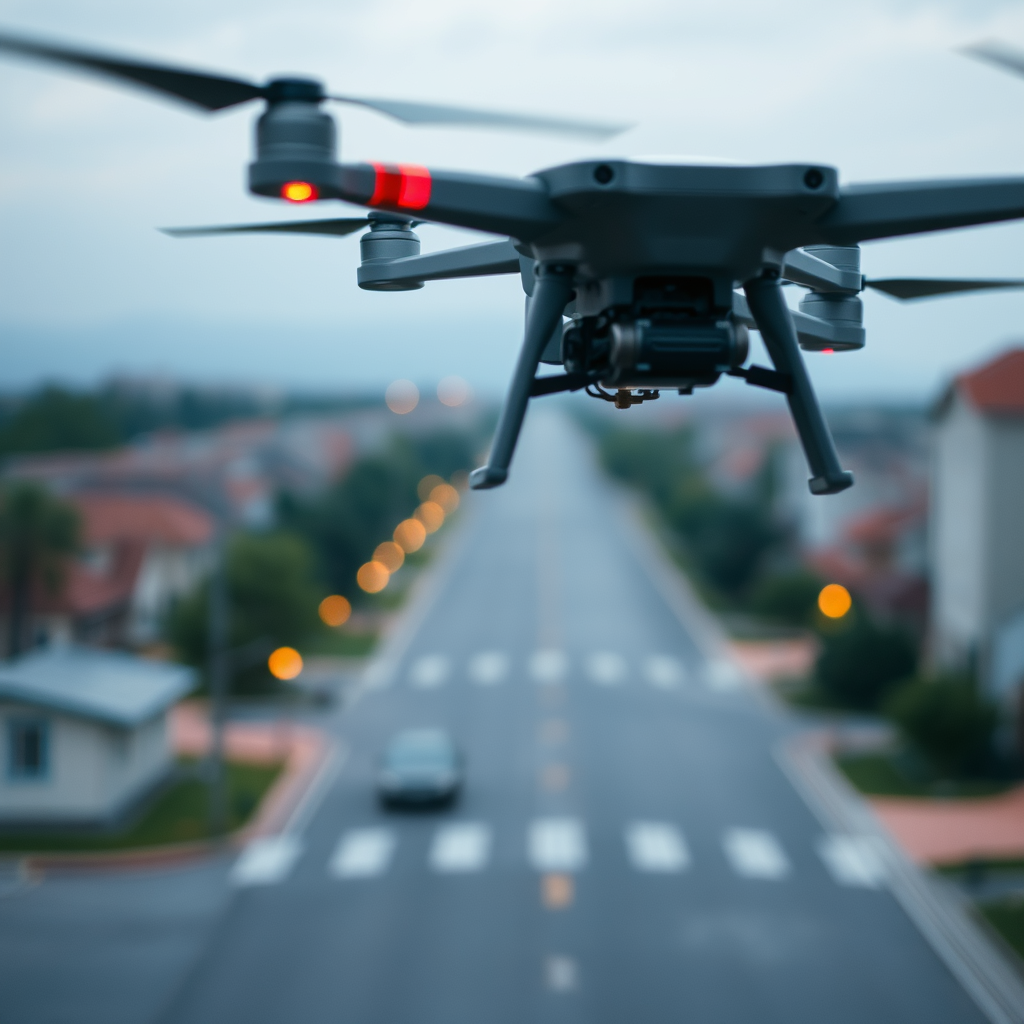
The spectrum of drones available for surveillance purposes is diverse, with two primary categories: commercial drones and military drones.
– Commercial drones: These are often utilized by businesses, law enforcement agencies, and even hobbyists. Equipped with advanced camera systems, commercial drones can capture high-definition images and video footage. Law enforcement, for instance, increasingly deploys drones for crime scene analysis, search and rescue operations, and crowd monitoring during large events. Companies like DJI offer drones that are specifically designed for commercial applications, featuring gimbals for stabilization and the capability to stream live video.
– Military drones: Known for their advanced technology, military drones are designed primarily for reconnaissance and intelligence-gathering missions. These unmanned aerial vehicles (UAVs) can provide real-time data collection and high-resolution imaging, making them invaluable for national security operations. Drones like the MQ-9 Reaper can fly at high altitudes and cover vast areas, capturing detailed imagery and gathering electronic surveillance data, which are crucial for strategic military planning.
How Drones Collect Data
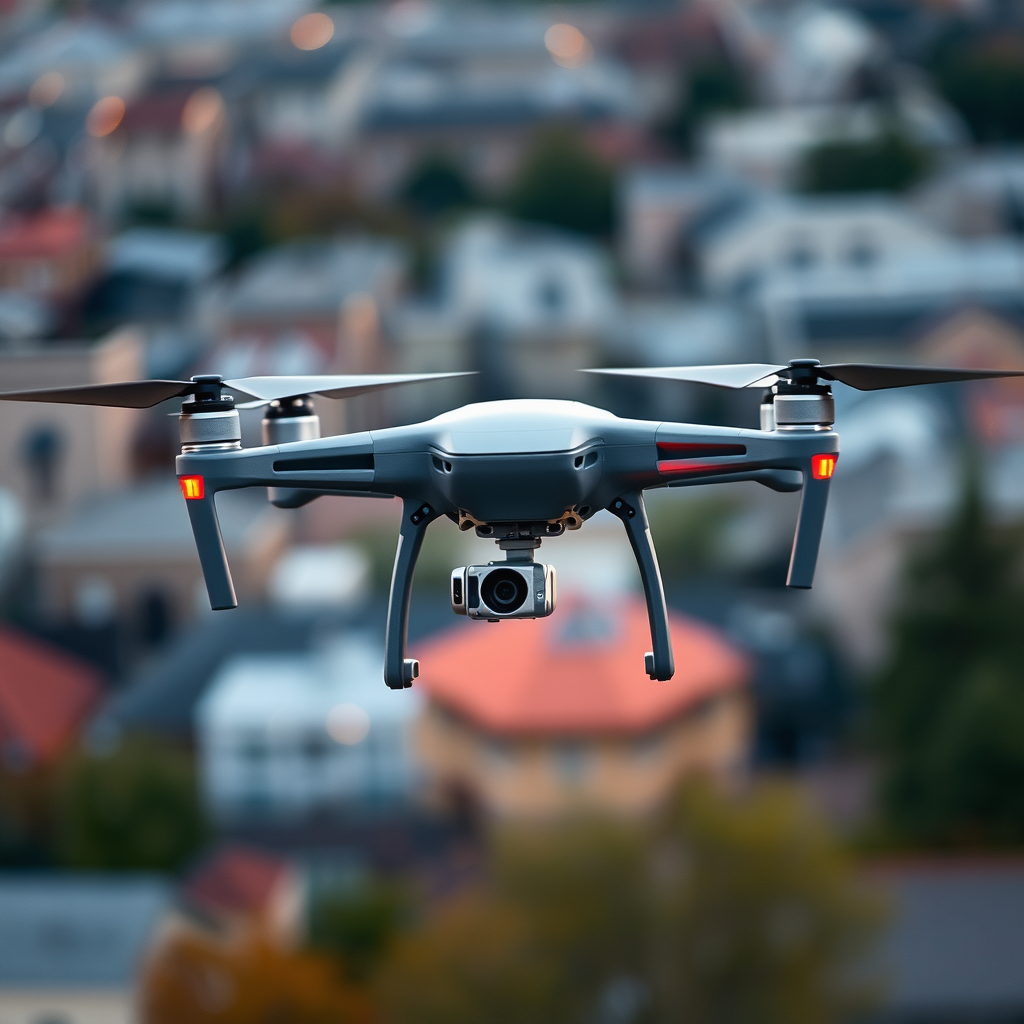
Drones collect data through a variety of means, which can be broadly categorized into visual surveillance and sensor technology.
– Visual surveillance: Drones equipped with high-definition cameras can capture detailed video footage and photographs from various altitudes. This capability allows for aerial photography, monitoring traffic conditions, and surveying agricultural land. For instance, a drone can be used to survey crop health by capturing images that reveal water stress or pest infestations, thereby enabling farmers to make informed decisions.
– Sensor technology: Beyond visual capabilities, many drones are outfitted with advanced sensors, including thermal imaging and multispectral sensors. Thermal imaging can detect heat signatures, allowing drones to monitor activities in low-light conditions or identify individuals based on their heat emissions. For example, search and rescue teams employ thermal drones to locate missing persons in challenging environments. Additionally, multispectral sensors can assess plant health by capturing data across different wavelengths, which is crucial in precision agriculture.
Legal Implications of Drone Surveillance
The legal landscape surrounding drone surveillance is multifaceted and varies significantly by region.
– Privacy laws: Different jurisdictions have established specific regulations governing drone use, particularly concerning privacy. In the United States, the Federal Aviation Administration (FAA) has set guidelines for commercial drone operations, while state laws may impose additional restrictions on surveillance. For example, California has enacted laws that require drone operators to respect individuals’ privacy and prohibit the use of drones for voyeurism.
– Consent requirements: In some areas, drone operators may be required to obtain consent from individuals before capturing footage. For instance, in places like Canada, the Personal Information Protection and Electronic Documents Act (PIPEDA) emphasizes the need for transparency when collecting personal data, which extends to drone surveillance. These legal frameworks aim to balance the benefits of drone technology with the protection of personal privacy rights.
Ethical Concerns Surrounding Drone Use
The rise of drone surveillance has triggered a host of ethical dilemmas that society must confront.
– Invasion of privacy: The potential for drones to infringe upon personal privacy raises significant ethical questions. The ability to monitor individuals without their knowledge can lead to a sense of vulnerability and distrust. Critics argue that the normalization of drone surveillance could contribute to a “Big Brother” society, where individuals are constantly monitored, undermining the fundamental right to privacy.
– Misuse of technology: There are growing concerns about the misuse of drone technology by individuals for stalking or harassment. Instances of drones being used to surveil private properties or capture unauthorized images have been reported, leading to increased calls for stricter regulations and ethical guidelines surrounding drone usage. The accessibility of drones has made it easier for individuals to exploit these technologies for malicious purposes, necessitating a robust legal framework to prevent such abuses.
How to Protect Yourself from Unwanted Drone Surveillance
As drones become more commonplace, it is essential to take proactive measures to protect yourself from unwanted surveillance.
– Awareness: Staying informed about local drone laws and regulations is crucial. Many regions have specific guidelines that govern where and how drones can operate, including restrictions on flying over private property. Familiarizing yourself with these laws can help you understand your rights and take action if you believe your privacy is being infringed upon.
– Use of technology: Consider employing privacy tools to mitigate unwanted surveillance. Drone detection systems can alert you when a drone is nearby, allowing you to take appropriate action. Additionally, signal jammers, although subject to legal restrictions in many areas, can disrupt drone communications, preventing unauthorized surveillance. However, it is crucial to understand the legal implications of using such devices, as they may be prohibited in certain jurisdictions.
The Future of Drones and Surveillance
The rapid evolution of drone technology presents both opportunities and challenges for surveillance practices.
– Evolving technology: As advancements in drone capabilities continue, we can expect more sophisticated surveillance tools to emerge. Innovations such as artificial intelligence and machine learning may enable drones to analyze data in real-time, enhancing their surveillance capabilities. For instance, drones equipped with AI could autonomously identify and track individuals or objects, raising further ethical and legal concerns.
– Public discourse: Ongoing discussions about the balance between technological innovation and personal privacy rights are critical. As society navigates the implications of drone surveillance, public discourse will play a vital role in shaping regulations and ethical guidelines. Advocacy for privacy rights and responsible drone usage will be essential to ensure that technological advancements do not come at the expense of individual freedoms.
In conclusion, while drones do have the ability to spy on individuals through various technological means, the legal and ethical frameworks surrounding their use are still developing. The potential for invasion of privacy and the misuse of drone technology highlights the need for vigilant oversight and regulation. By staying informed and advocating for privacy rights, individuals can help ensure responsible drone usage in the future, fostering a balance between innovation and the protection of personal privacy.
Frequently Asked Questions
Can drones legally spy on me without my consent?
In many regions, drones equipped with cameras can only capture images and videos in public spaces where there is no reasonable expectation of privacy. Laws vary by country and state, but generally, it’s illegal for drones to invade private property or conduct surveillance without consent. Always check local regulations to understand your rights regarding drone privacy and potential legal recourse if you feel you are being spied on.
How can I tell if a drone is spying on me?
Identifying a drone that might be spying on you can be challenging, but there are some signs to look for. Listen for the distinct buzzing sound that most drones make, and watch for small flying objects hovering in your vicinity. Additionally, if you notice a drone frequently flying in patterns above your home or yard, it could indicate surveillance activity. If you suspect you’re being monitored, consider documenting the drone’s behavior and reporting it to local authorities.
Why are drones often associated with spying?
Drones are often associated with spying due to their ability to capture high-resolution images and videos from great heights, making them effective tools for surveillance. Their affordability and ease of use have led to increased concerns about privacy violations, especially as they become more widely available to hobbyists and commercial users. This potential for misuse has sparked debates about regulations and privacy protections surrounding drone use in both urban and rural settings.
What are the best methods to protect my privacy from drones?
To protect your privacy from potential drone surveillance, consider employing physical barriers like privacy fences or dense vegetation that obstruct aerial views. Additionally, you can use technology like drone detection systems that alert you to nearby drones. Staying informed about local drone laws and reporting suspicious drone activity to authorities can also help maintain your privacy and security.
Which laws govern drone surveillance and privacy issues?
Drone surveillance and privacy regulations vary significantly by location. In the United States, the Federal Aviation Administration (FAA) governs drone operations, while privacy laws are often determined at the state level. Some states have enacted specific laws regarding drone surveillance, requiring operators to obtain consent before capturing images or videos of individuals on private property. Always research your local laws to understand what protections exist in your area regarding drone surveillance.
References
- https://en.wikipedia.org/wiki/Drone
- https://www.bbc.com/news/technology-45897736
- https://www.aclu.org/issues/privacy-technology/surveillance-technologies/drones
- https://www.nytimes.com/2018/07/17/technology/drones-privacy.html
- https://www.reuters.com/article/us-usa-drones-privacy-idUSKCN1B22P7
- https://www.epic.org/issues/consumer-privacy/drones/
- https://www.rand.org/research/gps/drones.html
