
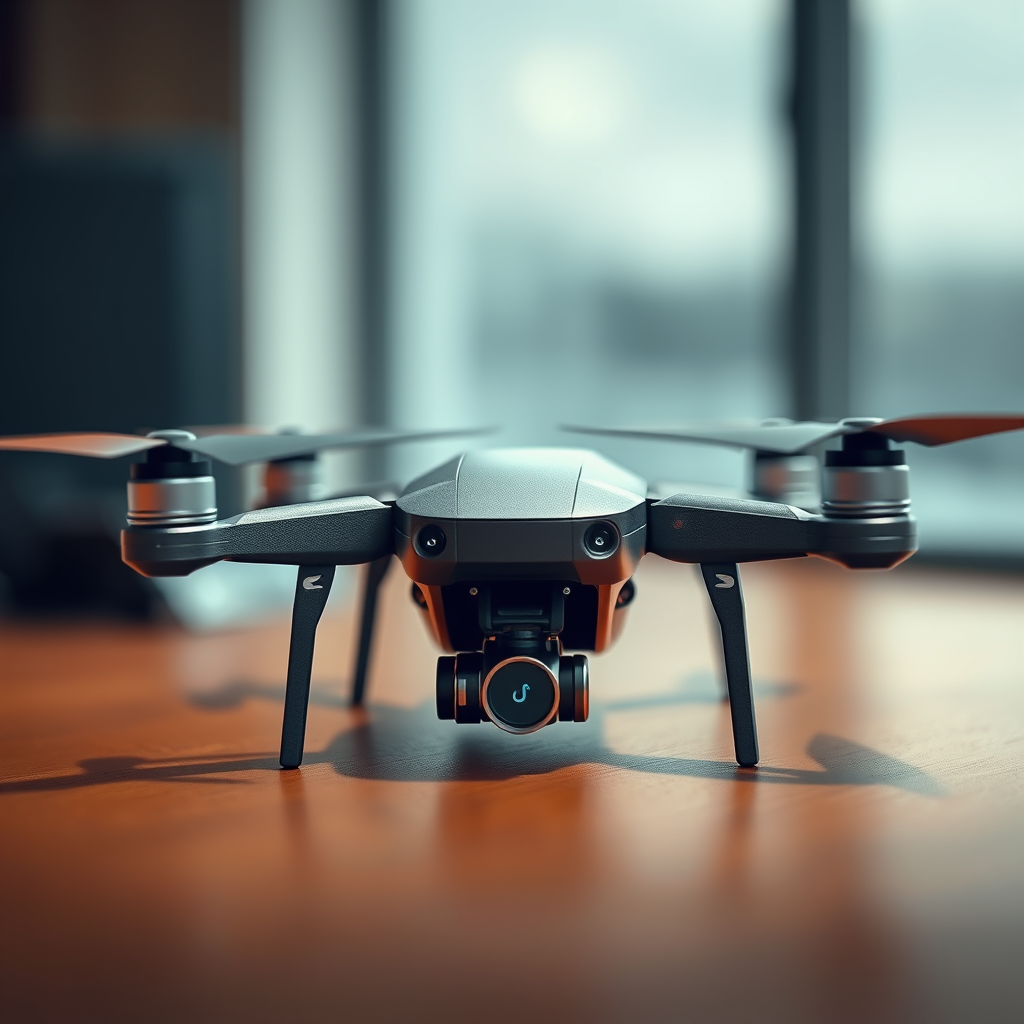
Drones cannot sting like insects do, as they lack biological stingers. However, they can cause harm or discomfort through their physical presence or payloads. This article explores the nature of drones, their functionalities, and the potential dangers associated with them, providing insights into how they operate and the regulations that govern their use.
What Are Drones?
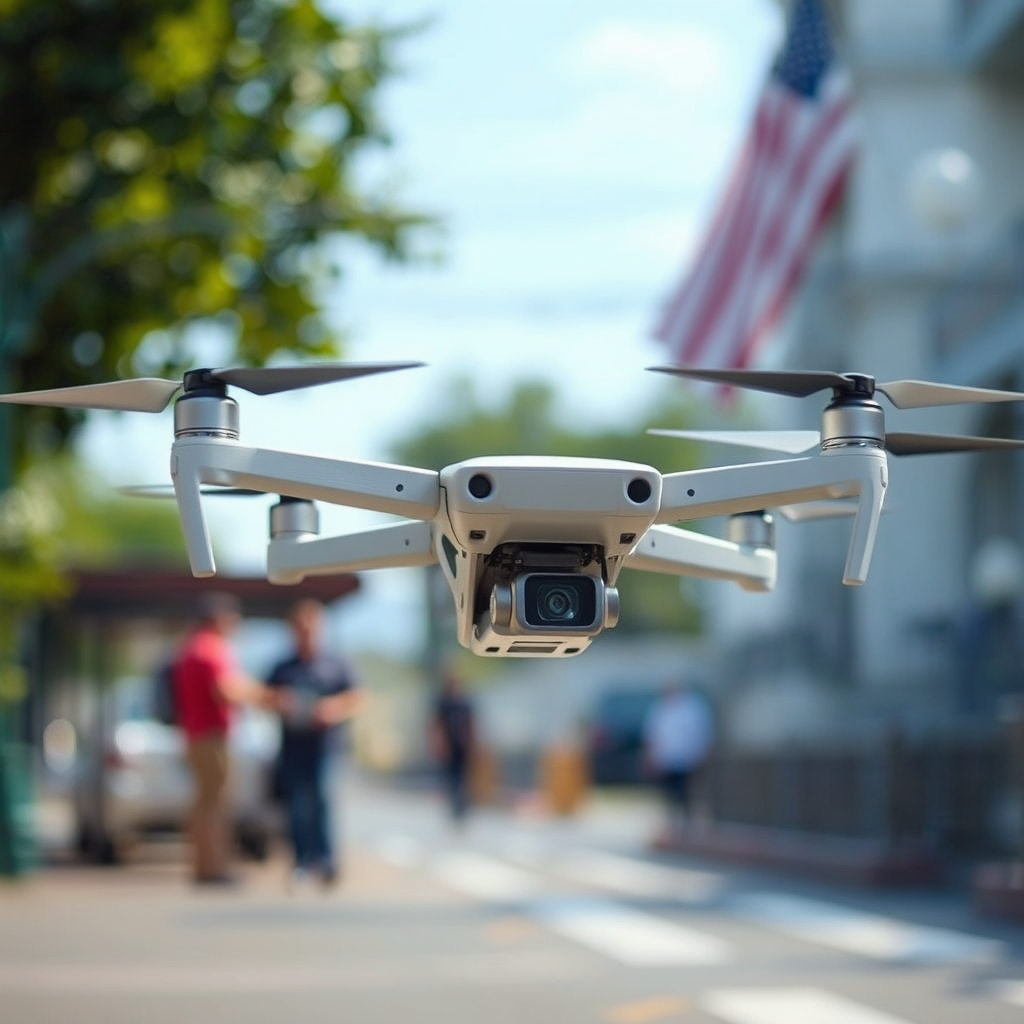
Drones, also known as unmanned aerial vehicles (UAVs), are aircraft that operate without a human pilot onboard. They are controlled remotely or autonomously through programmed flight paths, making them versatile tools across various industries. Initially developed for military applications, drones have expanded their reach into recreational, commercial, and even humanitarian sectors.
In the recreational realm, hobbyists use drones for aerial photography, racing, and exploration. Commercially, businesses employ drones for delivery services, agricultural monitoring, and infrastructure inspections. The military utilizes drones for surveillance and targeted operations. Each type serves different purposes, but all rely on advanced technology to achieve specific tasks efficiently.
How Drones Operate
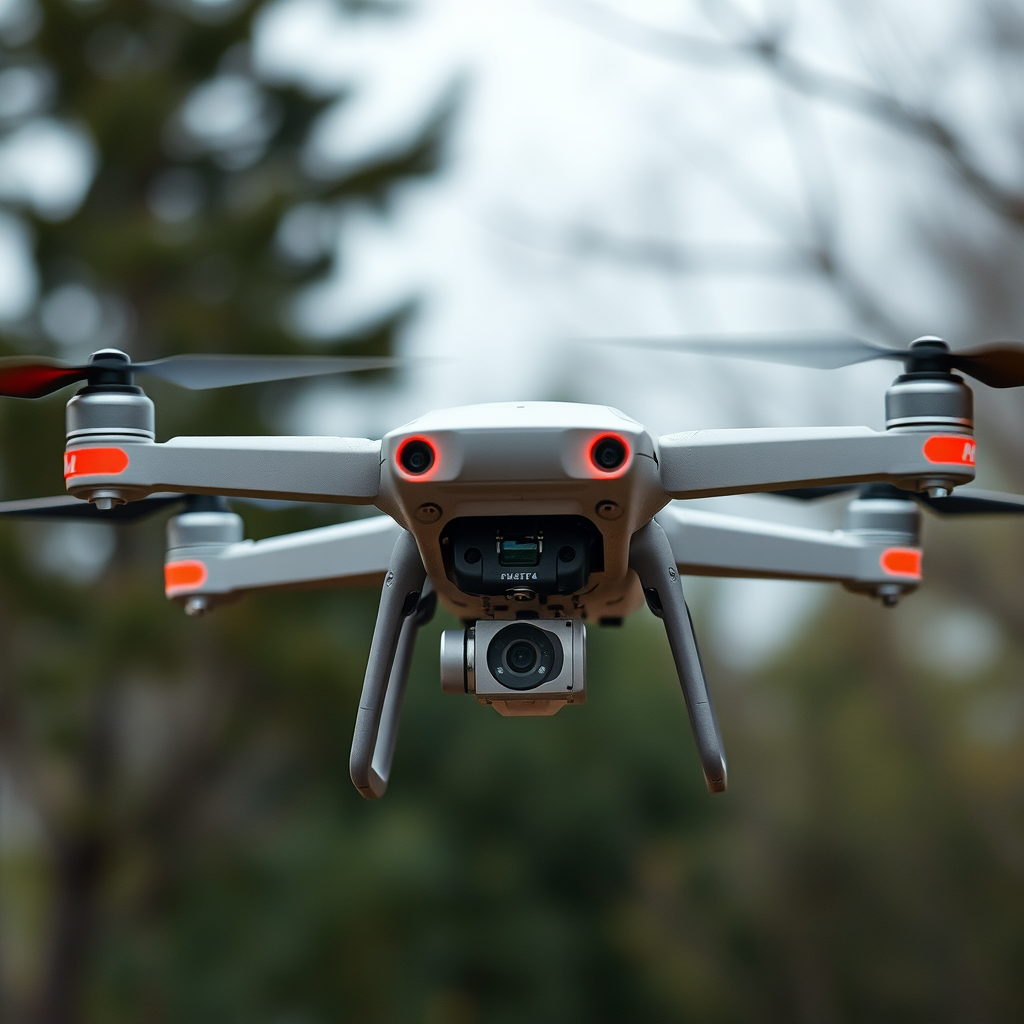
The operation of drones is underpinned by several technological advancements. Most drones are equipped with remote control systems that allow operators to pilot them from a distance. This can be achieved through handheld controllers or mobile applications that connect to the drone via Wi-Fi or radio signals.
Automation is another crucial aspect of drone technology. Many drones are programmed to follow pre-defined flight paths, using GPS and onboard sensors to navigate. These sensors include cameras, LIDAR (Light Detection and Ranging), and ultrasonic sensors, which help the drone understand its environment and avoid obstacles.
Moreover, drones possess payload capacities that enable them to carry various items, from cameras and sensors to packages for delivery services. This versatility in payloads expands their utility across different fields, allowing for applications such as search and rescue operations, agricultural monitoring, and even environmental data collection.
Potential Hazards of Drones
Despite their numerous benefits, drones pose several potential hazards. One of the most significant risks is the possibility of collisions with other aircraft or structures. As drone usage has surged, instances of near-misses with manned aircraft have increased, prompting concerns about airspace safety.
Privacy violations are another major issue. Drones equipped with cameras can easily invade personal privacy by capturing images or videos without consent. This has led to calls for stricter regulations and guidelines governing where and how drones can be operated.
There have also been reports of drones causing physical injuries or property damage. For instance, in 2018, a drone crashed into a stadium during a soccer match, creating panic among attendees. Such incidents highlight the importance of responsible drone operation and awareness of the surrounding environment.
Comparing Drones to Stinging Insects
When comparing drones to stinging insects, it is essential to note the fundamental differences between how each can inflict harm. Unlike insects that possess biological stingers capable of delivering venom, drones rely on their physical presence and potential payloads to cause harm.
The metaphorical use of “sting” in relation to drones can be interpreted in terms of their impact. Drones can “sting” in the sense that their misuse can lead to legal repercussions, public backlash, or even physical harm if they malfunction or are operated irresponsibly. This highlights the importance of understanding the implications of drone use and the responsibilities that come with operating such technology.
Safety Regulations for Drone Use
As drone technology continues to evolve, so do the regulations governing their operation. Many countries have implemented frameworks to ensure the safe use of drones, balancing innovation with public safety. For example, in the United States, the Federal Aviation Administration (FAA) has established guidelines that require drone operators to register their drones, adhere to specific altitude limits, and avoid flying near airports or crowded areas.
Internationally, regulations vary widely. In the European Union, for instance, the European Union Aviation Safety Agency (EASA) has developed a comprehensive regulatory framework that classifies drones based on their weight and intended use, imposing varying levels of restrictions accordingly.
Following safety guidelines is crucial not only to prevent accidents but also to foster a culture of responsible drone use. Operators are encouraged to undergo training, stay informed about local regulations, and respect the privacy of individuals in their vicinity.
Future of Drones and Their Capabilities
The future of drone technology is promising, with ongoing innovations poised to enhance their capabilities significantly. Advancements in artificial intelligence (AI) and machine learning are expected to lead to smarter drones that can autonomously adapt to their environments, making them more efficient in tasks such as delivery and surveillance.
Additionally, developments in battery technology and energy efficiency may result in longer flight times and increased payload capacities. This could open new avenues for commercial applications, such as urban air mobility and emergency response.
Safety advancements are also on the horizon. Future drones may be equipped with more sophisticated obstacle avoidance systems, further reducing the risk of collisions. As public acceptance of drones grows, the integration of drones into everyday operations, especially in urban environments, could become commonplace, provided that safety and privacy concerns are adequately addressed.
In conclusion, while drones cannot sting in the traditional sense, they can pose risks if not used responsibly. Understanding their capabilities, the potential hazards associated with them, and the regulations governing their use is essential for mitigating dangers. As drone technology continues to evolve, staying informed and adhering to safety guidelines will help ensure that these versatile tools are used effectively and ethically. Stay informed and fly safely!
Frequently Asked Questions
Can drones actually sting like insects or animals?
No, drones cannot sting like insects or animals. Drones are unmanned aerial vehicles (UAVs) designed for various tasks such as photography, surveying, and delivery. Unlike bees or wasps that possess stingers as a defense mechanism, drones lack any biological components that would allow them to harm living beings physically. Therefore, concerns about drones “stinging” are unfounded.
How do drones cause harm or discomfort to people?
While drones do not sting, they can cause harm or discomfort in other ways. For example, if a drone crashes, it can potentially injure bystanders due to its weight and speed. Additionally, the noise generated by drones can be disturbing, especially in quiet environments. Furthermore, there have been instances where drone operators have invaded privacy, leading to discomfort and anxiety among individuals.
Why are some people concerned about drones and their safety?
Concerns about drone safety primarily stem from their increasing prevalence in public spaces. Issues such as privacy invasion, potential accidents, and the risk of drones colliding with manned aircraft have raised alarms. Additionally, the possibility of drones being used for malicious purposes, like spying or delivering harmful substances, further fuels public anxiety regarding their safety and regulation.
What are the best practices for safely operating drones?
The best practices for safely operating drones include adhering to local regulations, maintaining visual line-of-sight, and avoiding crowded areas. Operators should also ensure their drones are equipped with safety features like automatic return-to-home functions and collision avoidance systems. Regular maintenance checks and following manufacturer guidelines enhance safety and minimize the risk of accidents.
Which regulations govern the use of drones to ensure public safety?
Drone usage is regulated by various authorities, such as the Federal Aviation Administration (FAA) in the United States. Key regulations include registering drones, flying below 400 feet, and staying away from airports and populated areas. Additionally, operators must obtain a Remote Pilot Certificate if flying for commercial purposes. These regulations are in place to ensure the safety of both drone operators and the general public.
References
- https://en.wikipedia.org/wiki/Drone
- https://www.nytimes.com/2022/06/29/us/drone-technology.html
- https://www.sciencedirect.com/science/article/pii/S1369702119300122
- https://www.bbc.com/future/article/20200107-how-drones-are-changing-the-way-we-work
- https://www.nasa.gov/mission_pages/Global_Hawk/overview/index.html
- https://www.nap.edu/catalog/23559/drones-in-the-service-of-science
- https://www.aaas.org/resources/understanding-drones
- https://www.wired.com/story/what-is-a-drone/
- https://www.reuters.com/technology/drones-are-they-safe-2021-04-05/
