
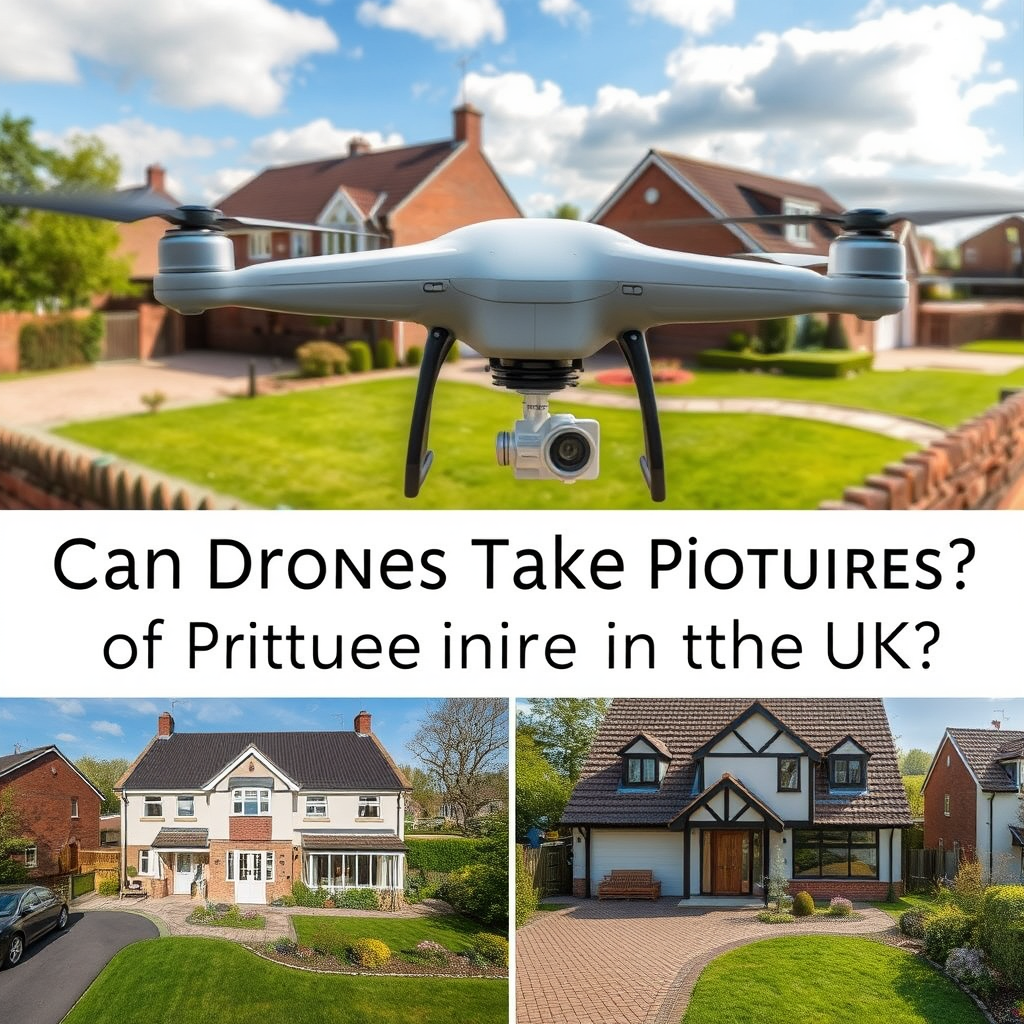
Yes, drones can take pictures of private property in the UK, but there are strict regulations governing their use. Understanding these laws is crucial for drone operators to avoid legal issues. The balance between utilizing drone technology and respecting privacy rights is delicate, making it essential for operators to navigate the legal framework carefully. This article will explore the various aspects of flying drones and photographing private property, ensuring that drone enthusiasts are well-informed about their rights and responsibilities.
Understanding UK Drone Laws
The regulation of drone usage in the UK is primarily overseen by the Civil Aviation Authority (CAA). Established to ensure safety and compliance in aerial activities, the CAA has set forth specific guidelines that govern drone operations. One of the key legislative frameworks is the Air Navigation Order 2016, which outlines the permissions and limitations for drone pilots. Under these laws, flying over private property without the explicit consent of the property owner is restricted.
Drone operators must also adhere to the general safety guidelines established by the CAA, which include maintaining a minimum distance from people and structures, as well as ensuring that the drone remains within the operator’s visual line of sight. Additionally, depending on the weight of the drone and the type of operations being conducted, operators might need to register their drones and acquire specific licenses. Understanding these regulations is vital, as non-compliance can result in severe repercussions, including fines or legal action.
Privacy Rights and Expectations
When it comes to privacy rights in the UK, individuals generally have a reasonable expectation of privacy on their property. This expectation extends to the use of drones for aerial photography. Taking pictures of someone’s private space without consent can lead to claims of privacy invasion, which is not only ethically questionable but also legally actionable.
The Information Commissioner’s Office (ICO) emphasizes the importance of data protection regulations in situations involving personal data captured by drones. If images contain identifiable individuals or sensitive information about a person’s private space, the drone operator may be subject to the General Data Protection Regulation (GDPR) provisions. Consequently, it’s essential for drone operators to be aware that photographing private property can have legal implications, especially if the images are used for commercial purposes.
Permissions and Consent
To mitigate potential legal issues, it is highly advisable for drone operators to seek permission from property owners before taking aerial photographs. This proactive approach not only fosters good relations with neighbors but also lays a foundation of respect for privacy rights. Documenting consent can serve as a crucial protective measure, providing evidence that the operator acted within legal and ethical boundaries.
For instance, if a drone operator is interested in capturing images of a stunning property for a promotional video, obtaining written consent from the homeowner can prevent misunderstandings and legal disputes down the line. This consent might include stipulations about how the images will be used and whether the homeowner has the right to review them before publication. By securing permission, drone operators can navigate the complexities of privacy laws more effectively and enhance their professional reputation.
Public vs. Private Property Distinctions
Drones are permitted to capture images of public spaces without significant restrictions, which is one of the appealing aspects of drone photography. However, when private property is within the frame, operators must exercise caution. The distinction between public and private property is crucial for lawful drone operation, as capturing images of private property without permission can lead to legal complications.
For example, if a drone operator is photographing a public park and inadvertently captures an adjacent private residence, the operator could potentially face legal challenges if the homeowner claims infringement of privacy rights. Therefore, understanding the boundaries of public versus private property is essential. Operators should familiarize themselves with local laws and regulations, as these can vary significantly depending on the region.
Insurance and Liability Considerations
Given the potential legal issues surrounding drone photography, operators should consider obtaining insurance to cover any unforeseen incidents. Liability insurance can provide crucial protection against claims arising from property damage or privacy invasions. This type of coverage can be particularly beneficial for commercial drone operators who may face heightened scrutiny and potential litigation.
In addition to liability insurance, drone operators may also want to consider coverage for equipment loss or damage. Drones can be expensive, and accidents can happen, whether due to operator error or unforeseen technical malfunctions. Having adequate insurance ensures that operators are financially protected, allowing them to focus on their work without the constant worry of potential liabilities.
Best Practices for Responsible Drone Photography
To ensure responsible drone photography, operators should adhere to a set of best practices that prioritize safety and legal compliance. First and foremost, always fly at a safe distance from private properties to minimize the risk of invading someone’s privacy. A good rule of thumb is to maintain a distance that respects the borders of private land, which can vary depending on local norms.
Furthermore, drone operators should stay informed about the latest regulations and updates from the CAA, as drone laws are continually evolving. Regularly checking for any changes in legislation or guidance can help prevent unintentional violations. Lastly, engaging with local drone communities can provide valuable insights and support, allowing operators to share experiences and learn best practices from one another.
In addition to these practices, operators should also consider utilizing geofencing technology available in many modern drones, which can help prevent flights in restricted areas automatically. This technological safeguard can act as an additional layer of protection against accidental infringements on private property.
In conclusion, while drones can photograph private property in the UK, operators must navigate various legal and ethical considerations. By understanding and respecting privacy laws, seeking consent, and following best practices, drone enthusiasts can enjoy their hobby without facing legal challenges. The responsible use of drone technology not only fosters community trust but also enhances the overall experience of capturing stunning aerial imagery.
Frequently Asked Questions
What are the legal restrictions for drones taking pictures of private property in the UK?
In the UK, drone operators must adhere to the Civil Aviation Authority (CAA) regulations, which restrict flying drones over private property without permission. This includes ensuring that the drone remains within the visual line of sight and does not breach the privacy rights of individuals on that property. Additionally, capturing images of private property without consent could lead to potential legal issues related to privacy and data protection laws.
How can I protect my private property from drone photography?
To safeguard your private property from unauthorized drone photography, you can install physical barriers such as fences and employ privacy screening measures like trees or shrubs. Furthermore, you can familiarize yourself with local laws regarding drones and consider reporting any suspicious drone activity to the relevant authorities, as they may intervene if operators are violating privacy regulations.
Why do people use drones to take pictures of private property?
Drones are increasingly popular for capturing aerial images of private property due to their ability to provide unique perspectives and high-quality imagery. Property owners, real estate agents, and surveyors utilize drone photography for marketing, property assessments, and inspections. However, it is essential to obtain permission from the property owner to avoid infringing on privacy rights.
What should I do if I find a drone taking pictures of my property?
If you discover a drone taking pictures of your property, the first step is to assess whether the drone is violating any laws. You can take note of the drone’s registration number, if visible, and approach the operator, if safe to do so, to inquire about their intentions. If you feel uncomfortable or believe your privacy rights are being violated, consider contacting local law enforcement for assistance.
Which drone photography services respect privacy laws when capturing images of properties?
When selecting drone photography services, look for companies that prioritize compliance with UK privacy laws and CAA regulations. Reputable services typically communicate their policies regarding obtaining consent before photographing private properties and may have terms of service that emphasize respect for privacy. Reading customer reviews and checking for certifications can also help ensure you choose a service that operates ethically.
References
- https://www.gov.uk/government/publications/drone-safety-uk-regulations-and-guidance
- https://www.bbc.com/news/uk-49788984
- https://www.theguardian.com/technology/2019/oct/30/drones-and-privacy-what-are-the-rules
- https://www.caa.co.uk/General-public/Consumer-advice/Drone-safety/
- https://www.wired.co.uk/article/drone-privacy-uk-law
- https://www.privacyinternational.org/explainer/3389/drones-and-privacy-what-you-need-know
- https://www.nfuonline.com/media/1846076/drone-guidance.pdf
- https://www.ox.ac.uk/news/2021-05-25-how-drones-are-changing-our-view-private-property
