
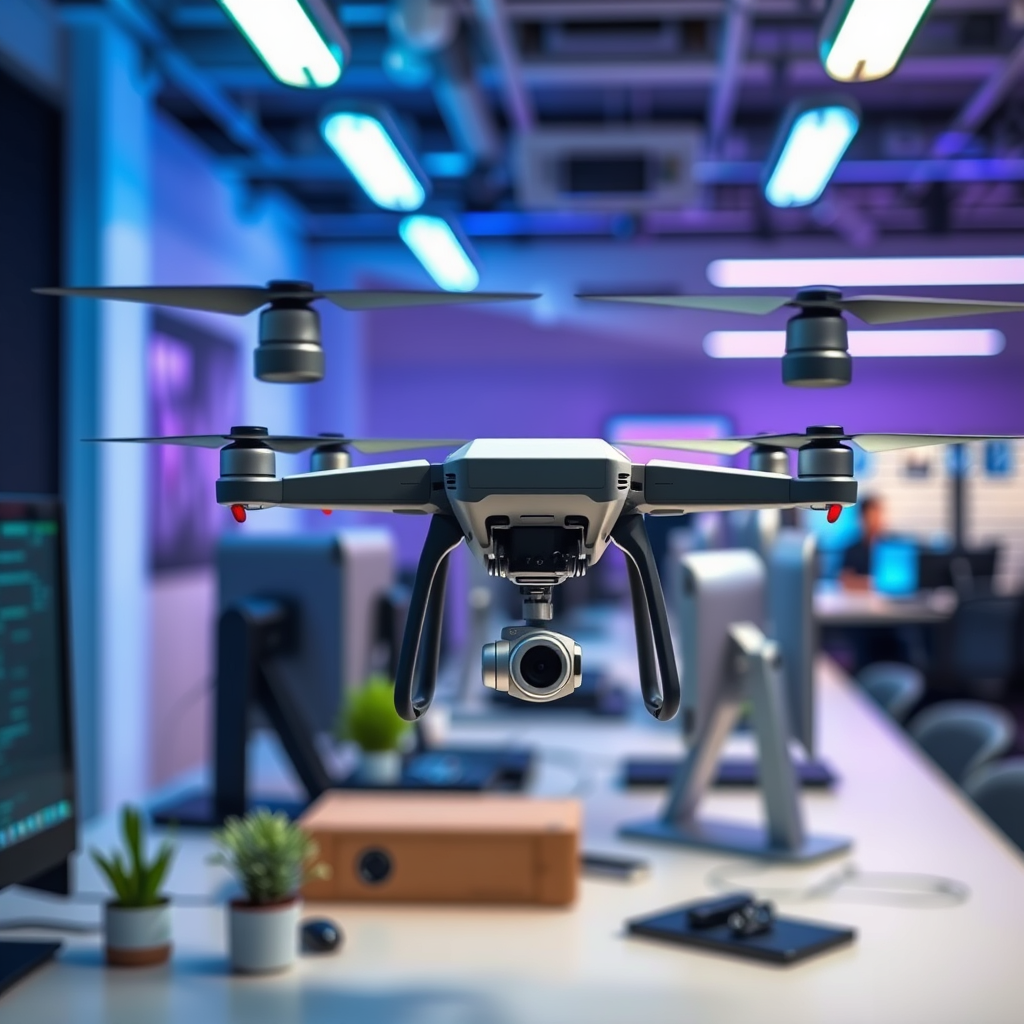
Drones can be utilized for an extensive range of purposes, including aerial photography, surveying, and delivery services, fundamentally transforming various industries. Their versatility and technological advancements have made them invaluable tools in sectors such as agriculture, construction, and emergency response. This article explores the many applications of drones, highlighting their benefits and potential impact across different industries.
Understanding Drones and Their Types
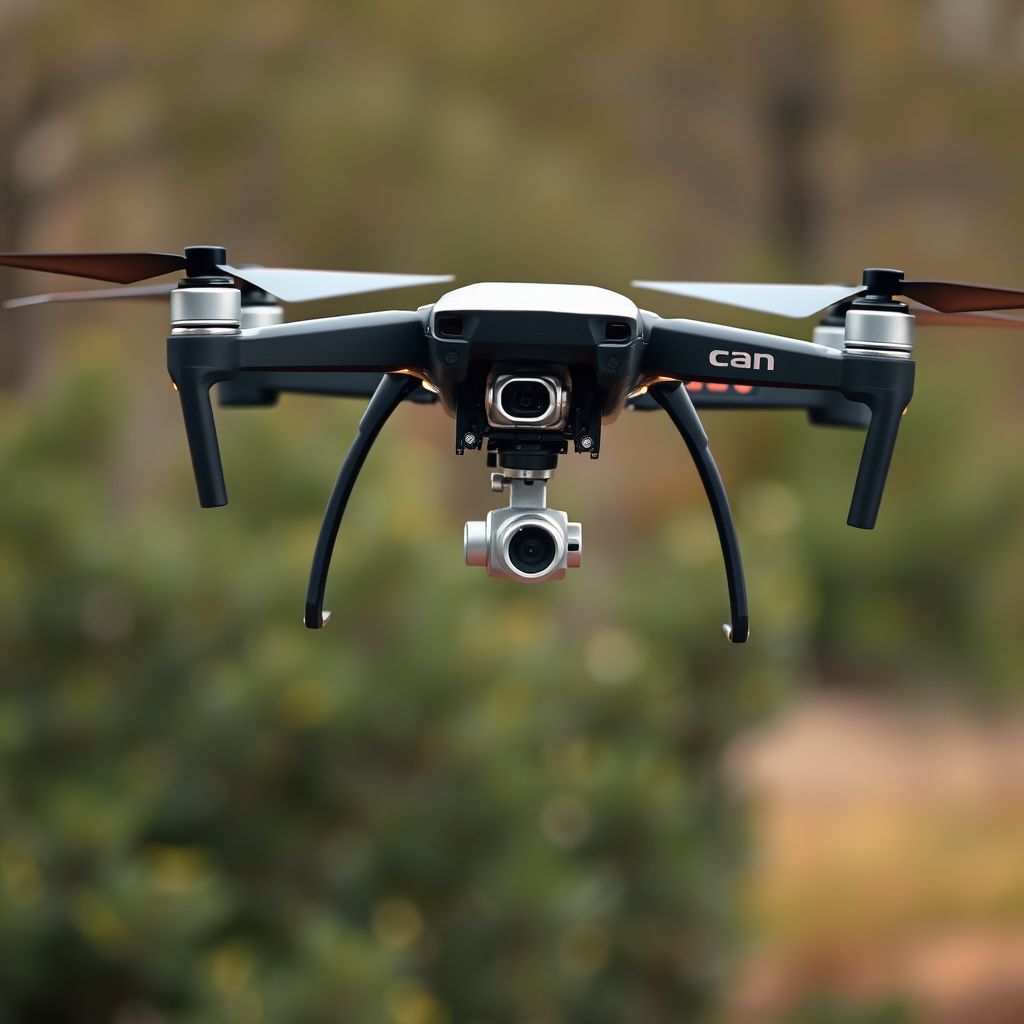
Drones, also known as unmanned aerial vehicles (UAVs), come in various shapes and sizes, each designed for specific tasks. The most common types include quadcopters, fixed-wing drones, and hybrid drones. Quadcopters, which feature four rotors, are particularly popular for their stability and ease of use, making them ideal for aerial photography and recreational use. Fixed-wing drones, on the other hand, resemble traditional airplanes and are better suited for long-range flights and surveying larger areas due to their efficient aerodynamics. Hybrid drones combine the best features of both types, allowing for vertical takeoff and landing while maintaining the endurance of fixed-wing designs.
When comparing consumer drones to commercial drones, significant distinctions emerge. Consumer drones are typically less expensive and user-friendly, aimed at hobbyists and amateur photographers. Conversely, commercial drones are designed for industrial applications, equipped with advanced features such as high-resolution cameras, GPS for precise navigation, and enhanced payload capacities. These drones often require specialized training and adherence to regulatory standards, owing to their more complex functionalities and applications.
Key Applications of Drones
One of the most prominent applications of drones is in aerial photography and videography. Drones have revolutionized how events, real estate, and marketing campaigns are documented. For instance, real estate agents utilize drones to capture stunning aerial shots of properties, providing potential buyers with unique perspectives that traditional photography cannot achieve. In the realm of marketing, companies leverage drone footage to create engaging promotional videos that stand out in a crowded marketplace.
Another significant application of drones is in agricultural monitoring and crop management. Farmers are increasingly using drones equipped with multispectral cameras to assess crop health, monitor irrigation systems, and identify pest infestations. This technology enables more precise application of fertilizers and pesticides, optimizing resource usage and minimizing environmental impact. For example, a study by the University of California found that utilizing drones in agriculture could increase crop yields by up to 10%, demonstrating their potential to enhance food production efficiency.
Benefits of Using Drones
The adoption of drones presents numerous benefits, particularly in terms of cost-effectiveness compared to traditional methods. For instance, aerial surveys conducted by manned aircraft can cost thousands of dollars, while drones can accomplish the same tasks at a fraction of the cost. This financial efficiency allows businesses, especially small enterprises, to access advanced technologies that were previously out of reach.
Moreover, drones significantly enhance efficiency and save time in data collection. With the ability to cover large areas in a relatively short period, drones can gather data faster than traditional methods, such as ground surveys. For example, a drone can complete a mapping project that would take days for a team on foot in just a few hours, providing quicker insights for decision-making processes. This rapid data collection is particularly beneficial in industries like construction, where timely information can lead to better project management and adherence to deadlines.
Legal Considerations for Drone Use
As the use of drones becomes more widespread, understanding the legal landscape surrounding their operation is crucial. In many countries, including the United States, the Federal Aviation Administration (FAA) regulates drone use, requiring operators to obtain licenses and adhere to specific guidelines. For commercial drone use, operators must pass a written test to obtain a Remote Pilot Certificate, which demonstrates their knowledge of airspace regulations and operational safety.
Additionally, it is essential to understand airspace restrictions before flying a drone. Certain areas, such as near airports or military installations, are designated as no-fly zones, and operating a drone in these areas can result in legal consequences. It is vital for drone operators to stay informed about local regulations and any changes in the law to ensure compliance and safe operation.
Future Trends in Drone Technology
The future of drone technology is promising, with numerous advancements on the horizon. One significant trend is the improvement in battery life and flight capabilities. As battery technology evolves, drones are expected to achieve longer flight times and greater ranges, allowing for more extensive data collection and operational flexibility. For example, the development of solar-powered drones could extend flying hours significantly, making them viable for long-term monitoring projects.
Moreover, the rise of autonomous drones, integrated with artificial intelligence (AI), is set to revolutionize various industries. These drones will be capable of executing complex tasks without human intervention, such as automated inspections of infrastructure or precision agriculture. With AI algorithms, drones can analyze vast amounts of data in real time, enhancing decision-making processes across sectors.
Challenges Faced by Drone Operators
Despite their numerous advantages, drone operators encounter several challenges that can hinder their effectiveness. Weather conditions, such as high winds or heavy rain, can significantly impact drone performance and safety, often leading to flight cancellations or delays in data collection. Operators must be adept at assessing weather conditions and making informed decisions about when and where to fly.
Technical malfunctions can also pose challenges, as drones are intricate machines that can experience failures in navigation systems, cameras, or batteries. Regular maintenance and pre-flight checks are essential to mitigate these risks and ensure smooth operation.
Furthermore, public perception and privacy concerns surrounding drone usage remain prevalent. Many individuals express apprehension about drones intruding on their privacy or being used for surveillance. It is crucial for drone operators to demonstrate responsible use and transparency about their activities to foster public trust and acceptance.
In conclusion, drones offer diverse applications and benefits, making them invaluable tools across various industries. From enhancing agricultural practices and revolutionizing marketing strategies to improving efficiency in data collection, the potential of drones is vast. As technology advances, it’s crucial to stay informed about regulations and best practices to maximize their potential. Exploring the world of drones can lead to innovative solutions that enhance both personal and professional projects, paving the way for a future where drones are integral to many facets of our lives.
Frequently Asked Questions
What can drones be used for in agriculture?
Drones are revolutionizing agriculture by providing farmers with advanced tools for crop monitoring, soil analysis, and precision farming. They can capture high-resolution images to assess crop health, identify pests, and optimize irrigation practices. Additionally, drones can be equipped with sensors to collect data on soil conditions, which helps farmers make informed decisions and improve overall crop yield.
How can I choose the best drone for aerial photography?
When selecting the best drone for aerial photography, consider factors such as camera quality, flight time, stability, and ease of use. Look for drones with at least 4K resolution cameras and gimbal stabilization for smooth footage. Additionally, read reviews and compare models within your budget to find one that balances performance with user-friendly features, ensuring you capture stunning aerial images.
Why are drones becoming popular for delivery services?
Drones are gaining popularity in delivery services due to their ability to provide faster and more efficient shipping options. They can bypass traffic congestion and deliver packages directly to customers in a fraction of the time compared to traditional methods. Furthermore, companies are exploring drone delivery to reduce operational costs and enhance customer satisfaction, especially in urban areas.
Which regulations should I be aware of when flying a drone?
Before flying a drone, it’s crucial to familiarize yourself with local regulations set by aviation authorities, such as the FAA in the United States. Key regulations include registering your drone if it weighs over 0.55 pounds, ensuring you fly below 400 feet, and avoiding restricted airspace. Understanding these rules helps ensure safe operations and compliance, preventing fines or legal issues.
How can I maintain my drone to ensure its longevity?
Proper maintenance is essential for extending the lifespan of your drone. Regularly inspect the propellers for damage, clean the sensors and cameras, and ensure the battery is charged and stored correctly. Additionally, keep the firmware updated to benefit from performance improvements and safety features, and always follow the manufacturer’s guidelines for care and maintenance.
References
- https://en.wikipedia.org/wiki/Drone
- https://www.faa.gov/uas/
- https://www.nytimes.com/2021/06/10/technology/drones-faa-regulations.html
- https://www.reuters.com/article/us-usa-drones-idUSKBN2A50H7
- https://www.sciencedirect.com/science/article/pii/S221313881730183X
- https://www.nap.edu/catalog/21804/drones-and-the-future-of-aerial-transportation
- https://www.bbc.com/news/technology-59064634
- https://www.unm.edu/~casa/Drone-Policy-Report.pdf
- https://www.itu.int/en/ITU-T/Study-Groups/2017-2020/20/Pages/default.aspx
