
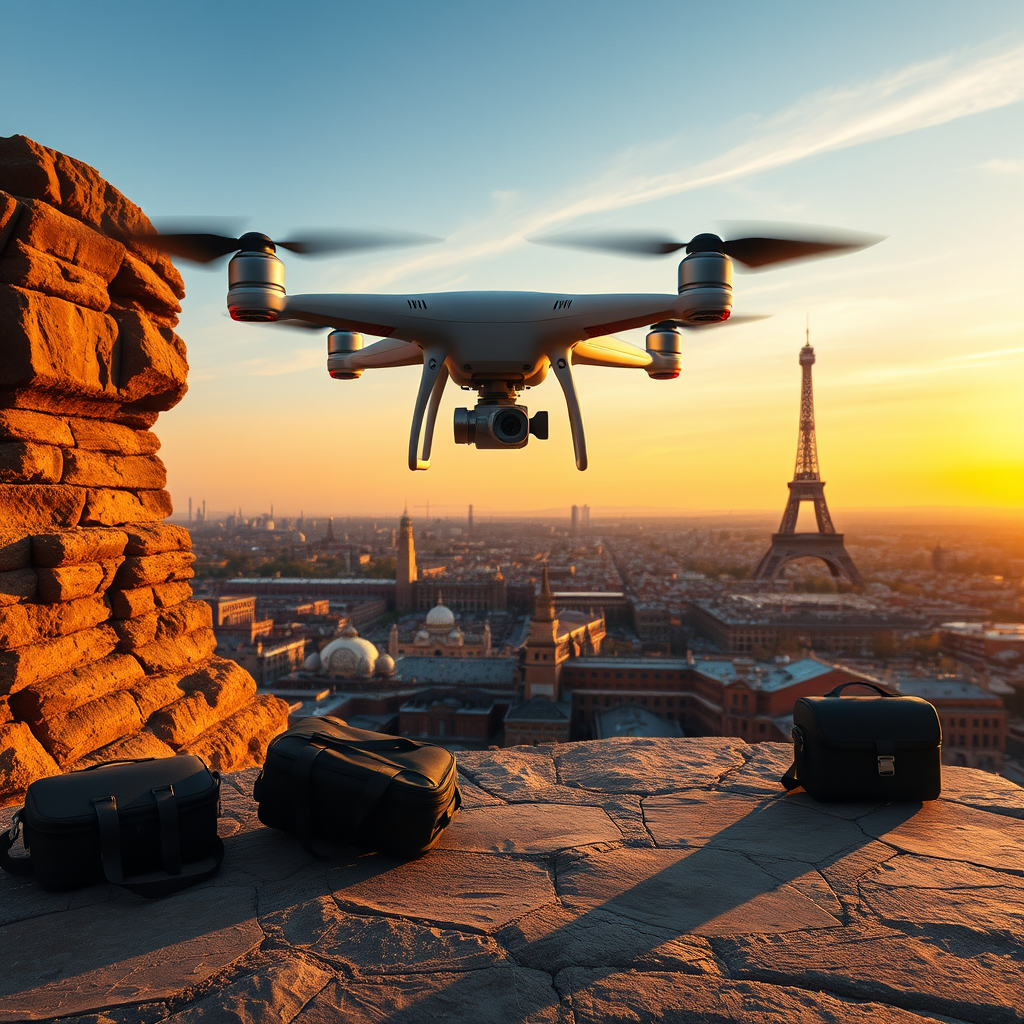
Flightradar24 primarily tracks manned aircraft using ADS-B technology, but it is not designed to track drones. While some drones may be visible on radar systems under specific conditions, the capabilities of Flightradar24 do not extend to monitoring all drone activity. This article explores the details surrounding drone tracking and the limitations of Flightradar24 in this context, providing insights into the technology and alternatives available for tracking drones.
Understanding Flightradar24’s Tracking Capabilities
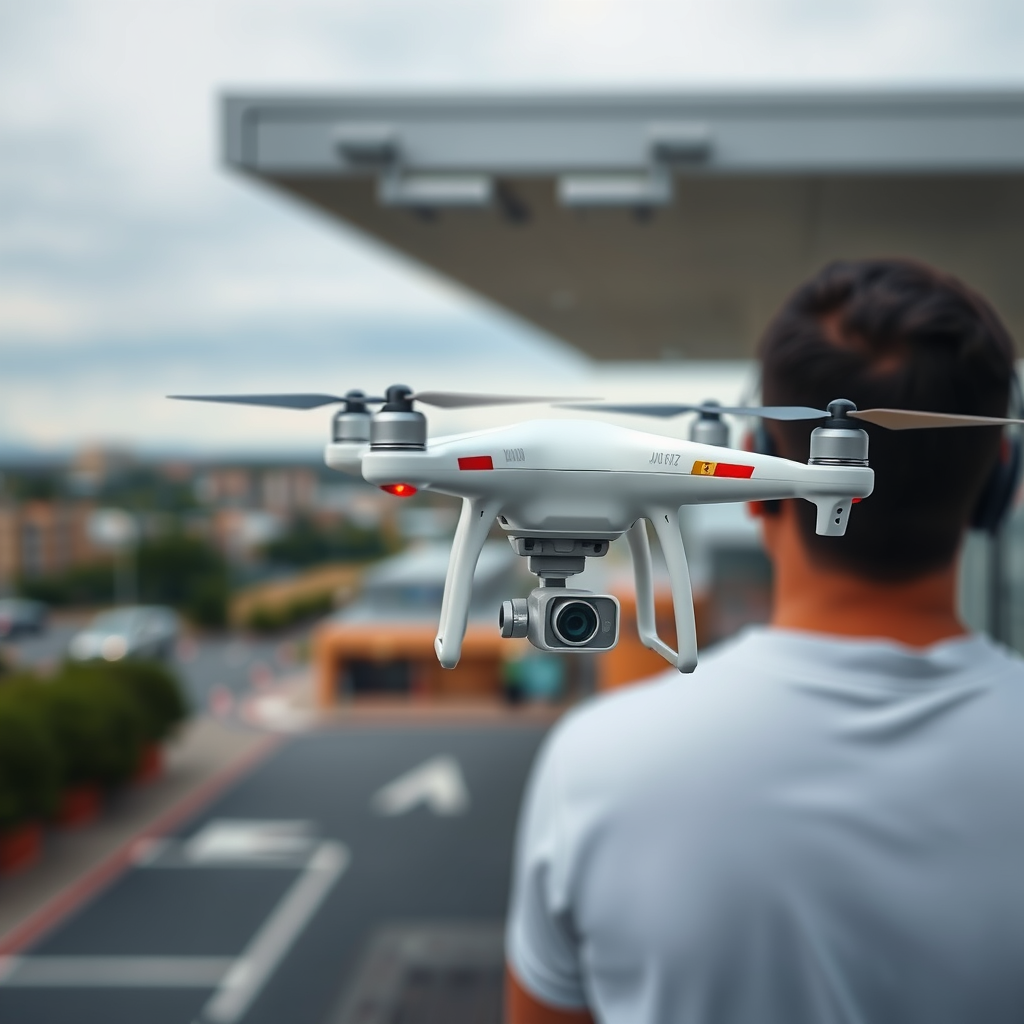
Flightradar24 employs Automatic Dependent Surveillance–Broadcast (ADS-B) signals, which are primarily transmitted by commercial and general aviation aircraft. This system allows users to view real-time flight data, including aircraft position, velocity, and altitude. The effectiveness of Flightradar24 in tracking large aircraft stems from its reliance on ADS-B technology, which is designed for the operational parameters and communication needs of manned aircraft.
The system is optimized for detecting aircraft that operate at altitudes typically between 1,000 and 60,000 feet, rendering it adept at tracking jets, turboprops, and commercial airliners. However, drones often operate at much lower altitudes, frequently below the radar threshold that Flightradar24 monitors. Consequently, while Flightradar24 provides an invaluable service for aviation enthusiasts, industry professionals, and the general public interested in manned flight activity, it lacks the necessary infrastructure and technology to consistently track smaller unmanned aerial vehicles (UAVs).
Drone Tracking Technology Overview
Drones utilize a variety of communication systems, including Wi-Fi, radio frequency (RF) signals, and satellite communications, depending on their design and operational purpose. Most consumer drones, for example, rely on Wi-Fi or RF for control and data transmission, while commercial drones may incorporate more advanced technologies for navigation and monitoring.
Due to these different communication methods, most drones operate beneath the radar detection levels employed by Flightradar24. While some high-end commercial drones may feature transponders that could emit signals detectable by traditional radar systems, the vast majority of consumer-grade drones do not possess such capabilities. Therefore, even in optimal conditions, detecting drones with a system designed for larger aircraft remains a rarity.
Conditions Under Which Drones May Be Detected
Certain specialized drones that are equipped with ADS-B transponders can emit signals that may be detectable by Flightradar24. For instance, some professional-grade drones used in industries like agriculture or surveying are designed to comply with aviation regulations and may have the necessary equipment to broadcast their position. However, these instances are limited and largely depend on the specific drone model and its operational parameters.
Additionally, the likelihood of detecting a drone on Flightradar24 increases when these UAVs operate in controlled airspace or near airports where they may be required to transmit their location data for safety reasons. Still, it is essential to note that such occurrences are exceptions rather than the norm, leaving Flightradar24 primarily focused on tracking traditional manned aircraft.
Alternatives for Drone Tracking
For those interested in tracking drones, several alternatives are specifically designed for this purpose. Various apps and services cater to drone operators, law enforcement, and regulatory authorities by providing real-time tracking capabilities for drones. One notable example is Airdata UAV, which offers a comprehensive suite of tools for monitoring drone flights, including detailed flight logs, geofencing, and compliance tracking.
Moreover, local authorities often utilize dedicated systems for drone monitoring, especially in urban areas where drone activity is more prevalent. These systems can integrate with existing surveillance technologies to provide a comprehensive view of airspace usage, enhancing safety and facilitating regulatory compliance. Drone operators can also use applications like DJI Fly, which provide flight data and tracking capabilities specific to their drone models.
Legal and Privacy Considerations
Tracking drones raises a myriad of legal and privacy concerns that must be navigated carefully. The regulatory landscape surrounding drone operations is complex, with different jurisdictions imposing various restrictions on where and how drones can be flown, as well as who has the right to track them. In many regions, tracking a drone without the operator’s consent can be considered an invasion of privacy, leading to legal ramifications.
Furthermore, regulatory bodies such as the Federal Aviation Administration (FAA) in the United States have established guidelines governing drone operations to ensure safety and privacy. Drone operators must familiarize themselves with these regulations, which may include requirements for registration, operational limits, and consent for tracking by third parties. As the drone industry continues to evolve, users must remain vigilant about compliance to avoid potential legal issues.
Future of Drone Tracking
The future of drone tracking is poised for significant advancements as technology continues to evolve. Emerging trends indicate that drone manufacturers may increasingly incorporate transponders and other tracking capabilities into their designs, allowing for greater visibility in the airspace. Additionally, as unmanned aerial systems (UAS) become more integrated into national airspace systems, there is a growing demand for comprehensive tracking solutions that can bridge the gap between traditional aviation tracking and drone monitoring.
Innovations such as the integration of satellite-based tracking technologies or the development of dedicated drone traffic management systems are also on the horizon. These advancements could facilitate better coordination between manned and unmanned aircraft, enhancing safety and operational efficiency. As regulatory frameworks adapt to accommodate the exponential growth of drone usage, the potential for improved tracking solutions becomes increasingly viable.
In summary, while Flightradar24 is not equipped to track most drones effectively, understanding the technology and alternatives available can help users stay informed about drone activity. For those interested in monitoring drones, exploring dedicated tracking services is recommended. As the landscape of drone operations continues to evolve, staying abreast of technological advancements and regulatory changes will be crucial for all stakeholders involved.
Frequently Asked Questions
Can Flightradar24 track drones in real-time?
Flightradar24 primarily focuses on tracking commercial aircraft and does not specifically track drones in real-time. Most drones do not transmit the same ADS-B signals that aircraft use, which are essential for tracking on platforms like Flightradar24. However, some larger drones equipped with transponders may be visible, but this is not common for typical consumer and hobbyist drones.
How can I find out if there are drones flying in my area?
While Flightradar24 is not designed to track drones, you can use drone-specific apps and websites to check for drone activity in your area. Platforms like AirMap and UAV Forecast provide information on drone operations, airspace regulations, and local restrictions. Additionally, you can check with local authorities or community groups that monitor drone usage for more localized data.
Why can’t I see drone flights on Flightradar24?
The main reason you cannot see drone flights on Flightradar24 is that most consumer drones do not use ADS-B (Automatic Dependent Surveillance–Broadcast) technology, which is the tracking system used by commercial aircraft. Drones typically operate under different regulations and often do not transmit the necessary signals for tracking. Therefore, unless a drone is equipped with specific tracking technology, it will not appear on Flightradar24.
What are the best apps for tracking drones?
Some of the best apps for tracking drones include AirMap, UAV Forecast, and DroneDeploy. These applications provide users with real-time information on drone activity, airspace regulations, and safety guidelines. They are specifically designed for drone pilots and enthusiasts, making them more suitable for monitoring drone flights compared to traditional flight tracking services like Flightradar24.
Which drones are visible on flight tracking websites like Flightradar24?
Only certain larger drones equipped with ADS-B transponders can be visible on flight tracking websites like Flightradar24. Examples include commercial drones used for cargo delivery or surveillance, which are designed to comply with aviation regulations. Most consumer and recreational drones, however, do not have such equipment, making them invisible on platforms primarily designed for traditional aircraft tracking.
References
- https://en.wikipedia.org/wiki/Flightradar24
- https://www.faa.gov/
- https://www.reuters.com/technology/drone-regulations-us-2021-03-30/
- https://www.bbc.com/news/technology-58046167
- https://www.nytimes.com/2021/05/05/technology/drone-safety.html
- https://www.nap.edu/catalog/23435/assessing-the-impacts-of-drones-on-public-safety
- https://www.techcrunch.com/2021/06/10/drones-aerial-traffic-management/
- https://www.smithsonianmag.com/innovation/how-drones-are-helping-us-see-the-world-in-a-new-way-180976675/
- https://www.nasa.gov/
- https://www.urbaninstitute.org/research/publication/drone-technology-and-public-safety
