
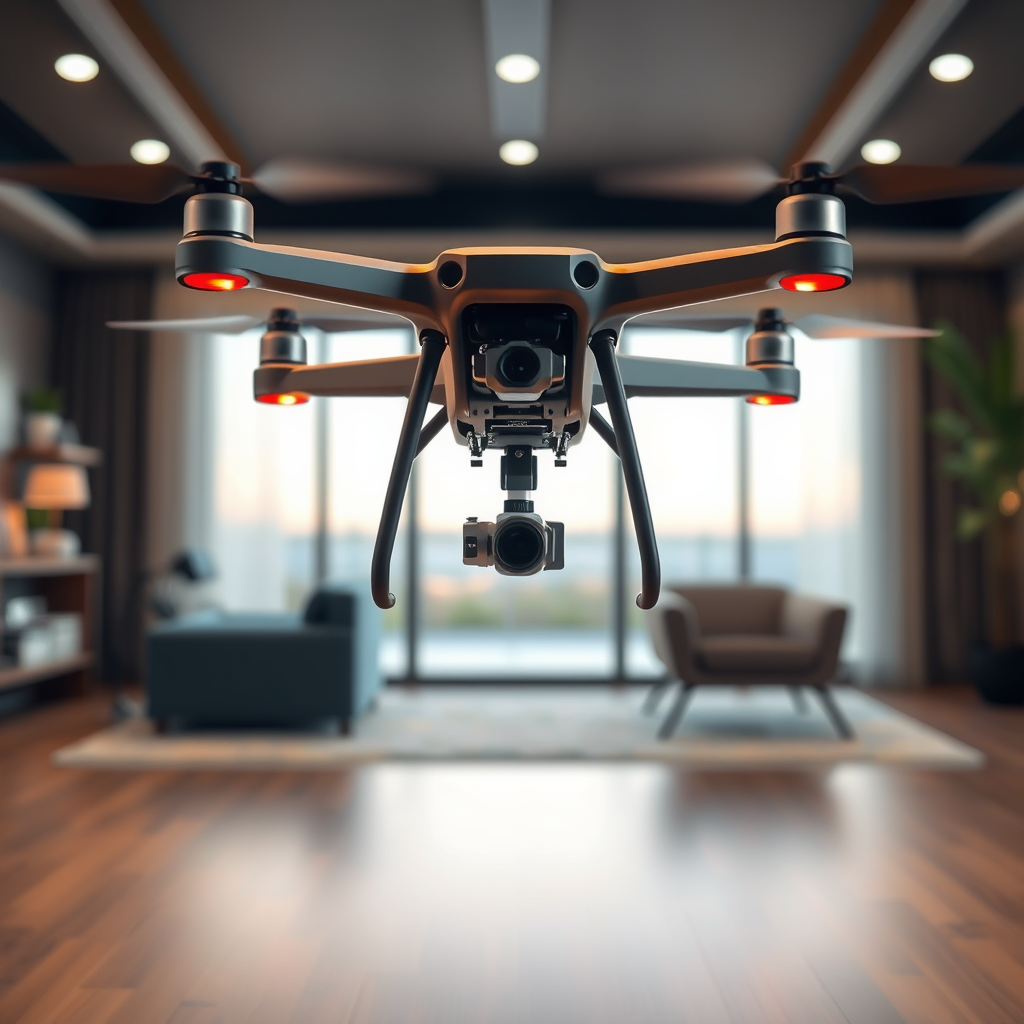
FPV drones can indeed hover, thanks to their advanced stabilization technology and flight controls. This capability allows them to maintain a fixed position in the air, which is essential for capturing stunning aerial footage and performing complex maneuvers. The integration of precise sensors and robust flight controllers enables pilots to achieve stable hovering, making FPV drones versatile tools for both recreational and professional applications. In this article, we will explore how FPV drones achieve hovering, the technology behind it, and important considerations for pilots looking to maximize their hovering skills.
Understanding FPV Drone Technology
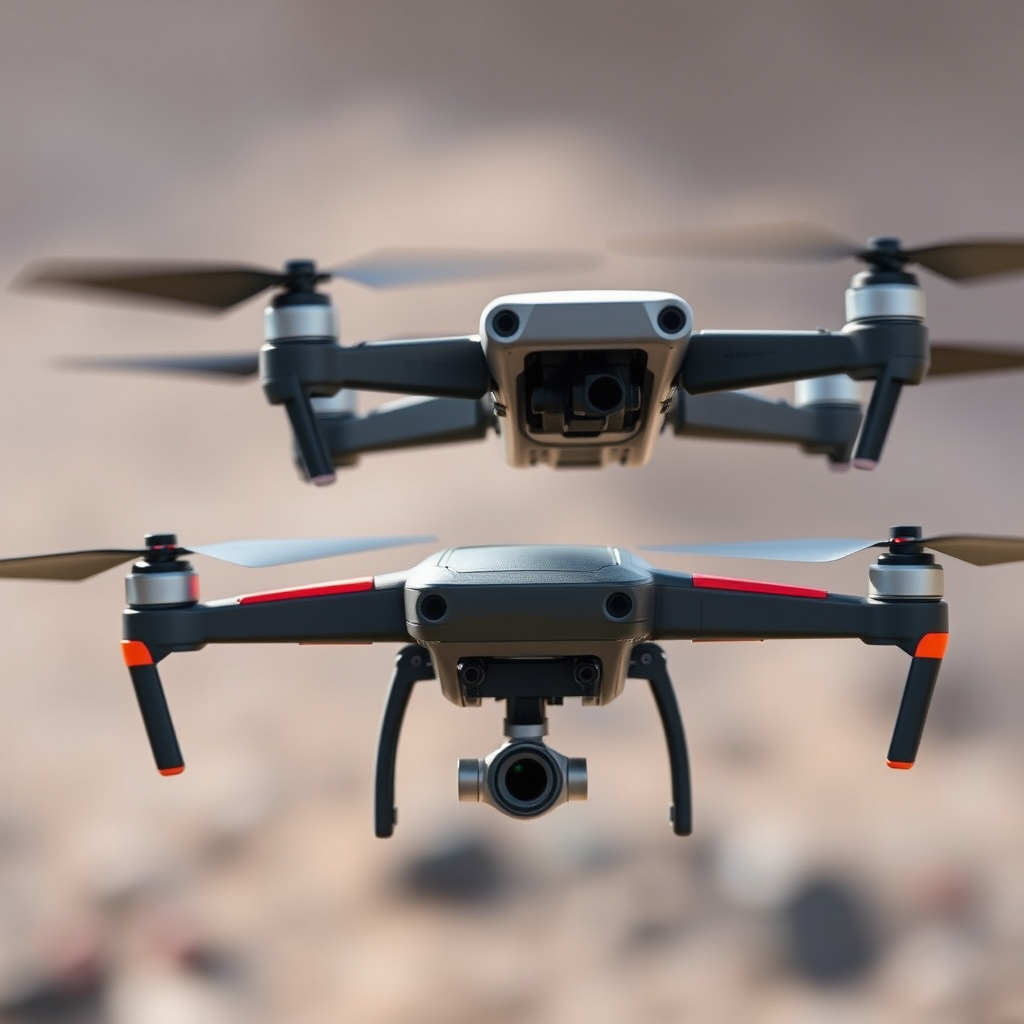
FPV (First-Person View) drones leverage a sophisticated combination of sensors that include gyroscopes, accelerometers, and sometimes barometers, to maintain stability during flight. The gyroscope measures the drone’s orientation and rotational motion, while the accelerometer detects changes in velocity and direction. This data is continuously fed to the flight controller, a crucial component that processes the information in real time. By making instantaneous adjustments to the motors’ thrust based on this data, the flight controller effectively aids in maintaining a stable hover.
In modern FPV drones, the flight controller also employs advanced algorithms that can account for external disturbances, such as wind gusts. This allows the drone to autonomously correct its position and maintain a steady hover, which is particularly beneficial when capturing high-quality images or video. Some high-end FPV systems even feature GPS assistance, enabling a more robust hovering capability by anchoring the drone’s position relative to geographical coordinates.
The Role of Props and Motors
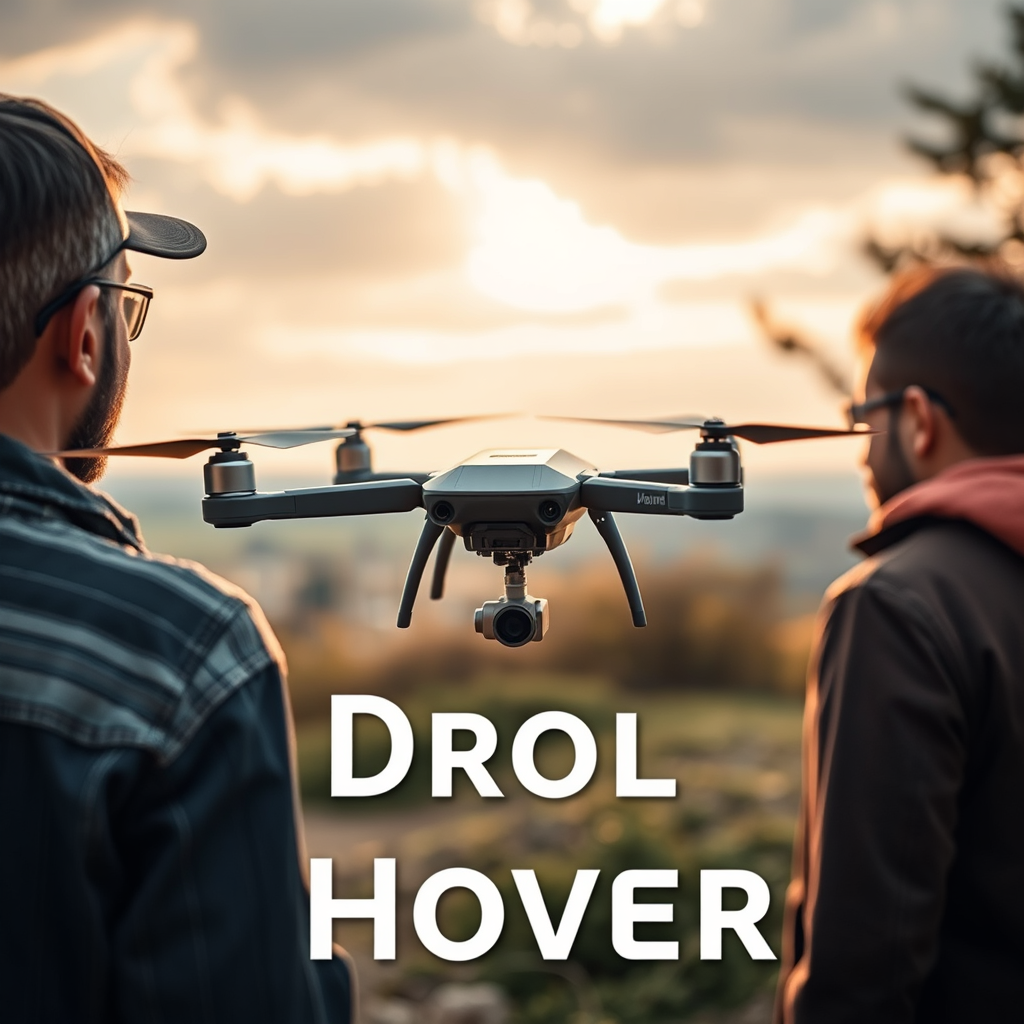
The performance of FPV drones in hovering is significantly influenced by the design and power of the motors and propellers. High-performance motors provide the necessary thrust to lift and hold the drone in a stationary position. The thrust-to-weight ratio is a critical factor; a drone must generate enough lift to counteract gravity and any external forces acting upon it.
Propeller design also plays a crucial role in hovering efficiency. Larger props typically provide more lift, allowing for smoother and more stable hovering. For instance, a drone equipped with 5-inch propellers may excel in maneuverability while hovering, but swapping them for 6-inch props could yield better lift in windy conditions. Additionally, the pitch of the propellers affects how quickly a drone can respond to throttle inputs, which is vital for maintaining a stable hover. Pilots seeking optimal performance should experiment with different prop sizes and pitches to find the best combination for their specific flying style and conditions.
Factors Affecting Hovering Ability
While advanced technology and hardware contribute significantly to a drone’s ability to hover, various external factors can impact this capability. Wind conditions are a notable influence; even a light breeze can cause a drone to drift, complicating the pilot’s ability to maintain a steady hover. In windy conditions, a pilot may need to apply additional throttle or make constant adjustments to counteract the effects of the wind, which can be particularly challenging for beginners.
Payload weight is another important consideration. Adding accessories such as cameras, gimbals, or additional batteries increases the overall weight of the drone, making it more difficult to achieve a stable hover. Pilots should be mindful of their drone’s maximum payload capacity and consider the effects of excess weight on flight performance. A well-balanced drone with an appropriate payload will have a much easier time maintaining a steady position in the air.
Techniques for Effective Hovering
To achieve effective hovering, FPV pilots must develop a keen sense of throttle control and yaw adjustments. Throttle control involves managing the power supplied to the motors; slight increases or decreases can help maintain altitude and stability. Practicing this skill in calm conditions is essential for pilots to understand how their drone responds to different throttle inputs.
Yaw adjustments, which control the rotation of the drone around its vertical axis, are equally important. Pilots can use yaw to counteract any drift caused by wind or other environmental factors. By combining throttle and yaw adjustments, pilots can fine-tune their hovering capabilities for optimal stability.
Regular practice in varied conditions will also help improve a pilot’s control and understanding of their drone’s response during hovering. Engaging in simulated environments or utilizing training modes on their controllers can provide valuable experience without the risks associated with real-world flying.
Common Challenges When Hovering
Despite the technological advancements in FPV drones, hovering presents several challenges for pilots. Drift is a common issue caused by external environmental factors, such as wind currents or thermal updrafts. Even experienced pilots may find it difficult to maintain a steady hover when faced with unpredictable weather conditions. To combat drift, pilots can adjust their control inputs frequently to counteract the drone’s movement.
Battery life is another significant concern during hovering. Maintaining a fixed position often requires more power than cruising, leading to quicker battery depletion. Pilots must manage their battery life carefully, avoiding prolonged hovering sessions unless they are confident in their drone’s remaining power. It is advisable to monitor battery levels closely and practice efficient flying techniques to extend flight time.
FPV Drone Applications for Hovering
Hovering is a critical skill for various applications involving FPV drones, particularly in aerial photography and videography. When a drone hovers, it allows pilots to frame shots precisely, ensuring that the composition is perfect for capturing high-quality images or video. This capability is vital in professional settings such as real estate marketing, where detailed visuals can make a significant impact.
Additionally, hovering plays a strategic role in FPV racing. Pilots often need to pause mid-air to navigate obstacles or prepare for sharp turns. Mastering the ability to hover effectively can provide racers with a competitive edge, allowing for quick adjustments and improved overall performance.
Furthermore, drone enthusiasts often utilize hovering capabilities for recreational purposes, such as freestyle flying or exploring various terrains. The ability to hover opens up new possibilities for creative maneuvers and can lead to exciting aerial experiences.
In conclusion, FPV drones can hover effectively due to their sophisticated technology and motor capabilities. Understanding the factors that influence hovering and mastering the techniques can enhance a pilot’s flying experience. By recognizing the challenges and applications of hovering, FPV enthusiasts can expand their skills and creativity. Whether for professional use or leisure, experimenting with a drone’s hovering abilities can lead to greater proficiency and enjoyment in the world of FPV flying.
Frequently Asked Questions
Can FPV drones hover in place like traditional drones?
Yes, FPV (First Person View) drones can hover in place, similar to traditional drones. The ability to hover largely depends on the drone’s design and the presence of advanced stabilization technology. Most modern FPV drones are equipped with flight controllers that utilize sensors to maintain stability and altitude, allowing them to hover effectively, making them suitable for various applications like aerial photography and racing.
What factors affect the hovering capability of FPV drones?
Several factors can influence the hovering capability of FPV drones, including the drone’s weight, battery power, and the type of motors used. A heavier drone may struggle to maintain a stable hover if it doesn’t have enough lift generated by its propellers. Additionally, battery voltage affects motor performance; lower battery levels can lead to reduced hovering time and stability.
How can I improve my FPV drone’s hovering performance?
To enhance your FPV drone’s hovering performance, consider optimizing the drone’s weight by reducing unnecessary accessories or using lighter components. Calibrating the flight controller correctly and ensuring that the drone is well-balanced also play crucial roles. Regular maintenance of the motors and propellers, along with using high-quality batteries, can further improve hovering capabilities.
Why is hovering important for FPV drone pilots?
Hovering is a crucial skill for FPV drone pilots as it allows for precise control during aerial maneuvers, especially when capturing still shots or videos. It helps pilots stabilize their drones in challenging conditions, such as windy environments or when navigating through tight spaces. Mastering the ability to hover can significantly improve a pilot’s overall flying skills and enhance the quality of their footage.
Which FPV drones are best for hovering and stability?
Some of the best FPV drones for hovering and stability include models with advanced flight controllers like the DJI FPV Combo, known for its reliable stabilization features, and racing drones from brands like iFlight and EMAX that are designed for smooth flight. Look for drones with larger propellers and powerful brushless motors, as these features contribute to better lift and stability during hovering. Always consider your specific needs, such as whether you prioritize racing or aerial photography, when selecting a drone.
References
- https://en.wikipedia.org/wiki/Drone#Types_of_drones
- https://www.nasa.gov/centers/dryden/pdf/88622.pdf
- https://www.faa.gov/uas/
- https://www.reuters.com/technology/drones-are-changing-how-we-see-world-2021-04-14/
- https://www.sciencedirect.com/science/article/pii/S1877050919311894
- https://www.theguardian.com/technology/2021/mar/31/drones-using-ai-to-hover-and-navigate-more-effectively
- https://www.mdpi.com/2504-446X/4/2/31
- https://www.nist.gov/news-events/news/2020/08/drones-can-hover-and-fly-using-new-sensors-and-algorithms
- https://www.darpa.mil/news-events/2021-03-02
