

Yes, you can bring a DJI drone on a plane, but there are specific regulations and guidelines you must follow. Understanding these rules will ensure a smooth experience when traveling with your drone and help you avoid potential issues at airports. With the increasing popularity of drone technology, many travelers are eager to capture breathtaking aerial footage during their adventures. However, it is crucial to familiarize yourself with airline policies, TSA regulations, battery restrictions, and international laws to ensure compliance and safety.
Understanding Airline Regulations
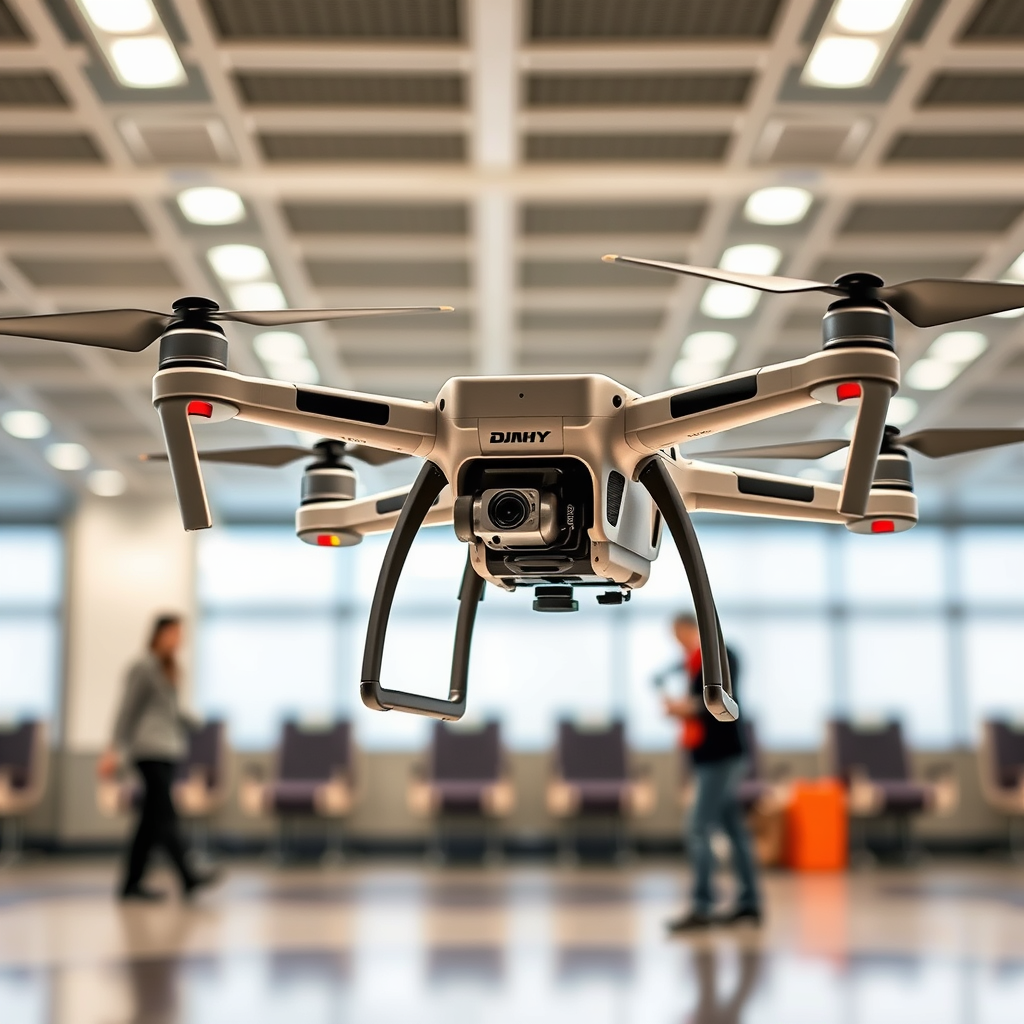
Different airlines have varying policies regarding drones, so it’s essential to check their specific rules before embarking on your journey. Generally, most airlines permit drones to be carried in your carry-on luggage; however, they may impose restrictions on the size and number of batteries you can bring. For instance, some airlines like Delta and American Airlines allow drones but may limit the watt-hour rating of the batteries. It is advisable to contact your airline directly or visit their website to obtain detailed information about their drone policies. Doing so can prevent unpleasant surprises at the airport and ensure that you can transport your drone without any hitches.
TSA Guidelines for Drones
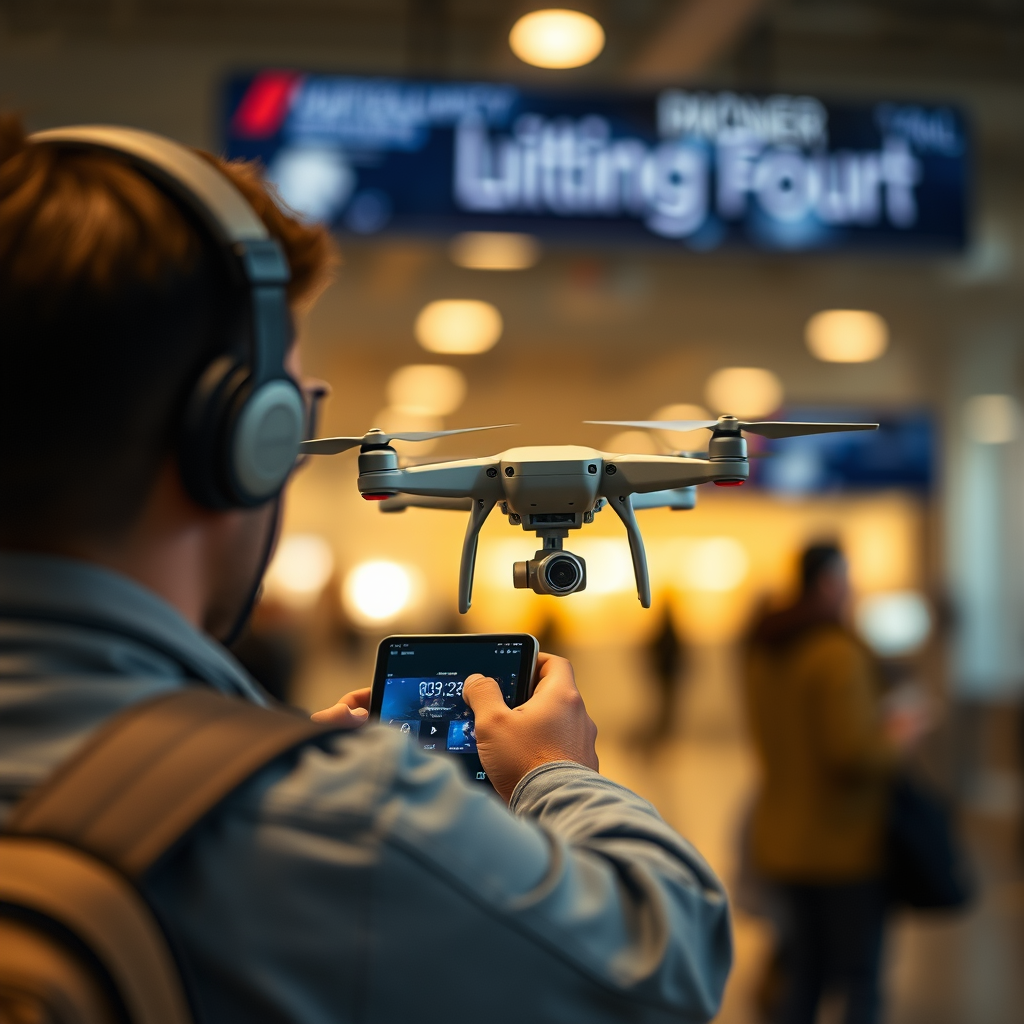
The Transportation Security Administration (TSA) allows drones to be included in carry-on baggage, which means you can bring your device on the plane with you. However, you should be prepared for additional screening of your drone and its batteries at security checkpoints. It is advisable to remove your drone from its case and place it in a separate bin for inspection, similar to how you would handle a laptop. This proactive approach can expedite the security process. Additionally, familiarize yourself with TSA guidelines regarding electronic devices and be ready to answer any questions that TSA agents may have regarding your drone and its components.
Battery Restrictions
When traveling with a drone, battery restrictions become a crucial aspect to consider. Lithium batteries, which power most DJI drones, are subject to specific watt-hour limits. Generally, batteries exceeding 100 watt-hours (Wh) are prohibited in carry-on luggage. Most DJI consumer drones utilize batteries that fall within the allowable limits, but it’s essential to verify the specifications of your specific model. To prevent short-circuiting, always carry extra batteries in their original packaging or protective cases. This not only ensures compliance with regulations but also provides additional safety while traveling. Furthermore, consider labeling your batteries clearly to help airport staff identify them easily during the security screening process.
International Travel Considerations
Traveling internationally with your drone can be more complex, as different countries have unique regulations regarding drone usage. Before you travel, it is crucial to research local laws to ensure compliance upon arrival. For example, countries like Canada and Australia have specific registration requirements for drones, while others may have restrictions on where you can fly. Some nations may even require permits for personal use of drones, especially in urban areas or near airports. To avoid fines or confiscation of your drone, check the regulations of your destination country well in advance and ensure you have all necessary documentation prepared for a seamless travel experience.
Packing Your Drone for Travel
Properly packing your drone for travel is vital to ensure its safety during transit. Use a padded case or a specialized backpack designed for drones to protect it from potential impacts and rough handling. Ensure that all components, including propellers, batteries, and accessories, are securely packed. A well-organized setup not only protects your equipment but also makes it easier to access your drone for security checks. Consider using foam inserts or dividers to keep everything in place. Additionally, if you are traveling with multiple drones or accessories, it may be prudent to create an inventory list to keep track of all items and to help with reassembly once you reach your destination.
Insurance and Liability
Considering the investment involved in purchasing a drone, obtaining insurance is a wise decision to cover potential damages or loss during travel. Various insurance options are available, ranging from general liability coverage to specific drone insurance policies. Before purchasing insurance, review the specifics of your policy to ensure it covers drone-related incidents, especially while traveling. Some travel insurance policies may not include drone coverage, so it is essential to clarify this aspect beforehand. If your drone is damaged or lost during your trip, having insurance can provide peace of mind and alleviate some of the financial burdens associated with repairs or replacement.
Drone Usage at Your Destination
Once you reach your destination, familiarizing yourself with local drone laws and no-fly zones is essential for responsible drone usage. Many cities and countries have designated areas where drone flying is prohibited, such as near airports, military bases, or national parks. Websites like the FAA’s B4UFLY or local aviation authorities can provide up-to-date information on where you can and cannot fly your drone. Additionally, always respect privacy and safety regulations when operating your drone. If you plan to capture images or videos, ensure that you have the necessary permissions from property owners and abide by local guidelines to avoid legal complications.
In conclusion, bringing a DJI drone on a plane is possible, but it requires careful planning and adherence to regulations. By understanding airline policies, TSA guidelines, battery restrictions, and international travel laws, you can ensure a hassle-free experience. Always check with your airline and research local laws to facilitate smooth travel with your drone. By following these essential guidelines, you can enjoy capturing stunning aerial footage while exploring new destinations. Safe travels and happy flying!
Frequently Asked Questions
Can I bring a DJI drone on a plane as carry-on luggage?
Yes, you can bring a DJI drone on a plane as carry-on luggage, but it’s essential to check with the airline’s specific regulations. Most airlines allow drones in carry-on bags, provided the batteries comply with the International Air Transport Association (IATA) guidelines, usually limited to 100 watt-hours (Wh) for lithium batteries. Always ensure to keep the drone protected and secured to prevent any damage during travel.
What are the TSA regulations for traveling with a DJI drone?
The Transportation Security Administration (TSA) permits travelers to carry drones in their luggage, but it’s important to declare the drone during the security screening process. You should remove the drone from its bag for inspection, and ensure that the drone’s battery is disconnected. Additionally, understand that lithium batteries must be carried in your carry-on luggage as checked baggage is not allowed for these types of batteries.
How should I pack my DJI drone for air travel?
To pack your DJI drone for air travel effectively, use a padded carrying case specifically designed for drones. This protects the drone from physical damage during transit. Ensure that the batteries are stored separately and well-protected, following airline regulations regarding lithium batteries. Additionally, double-check that all components are secure to prevent any movement that could lead to damage.
Why do some airlines have restrictions on flying with drones?
Some airlines impose restrictions on flying with drones primarily due to safety concerns and regulatory compliance. Drones, particularly those equipped with lithium batteries, pose a fire risk if not handled properly. Additionally, airlines need to adhere to local and international regulations regarding airspace and drone operation, which can lead to variability in policies among different carriers.
Which drones are allowed on planes, and are there size limits?
Most commercial drones, including popular models from DJI, are allowed on planes, but size limits can vary by airline. Generally, drones weighing under 50 pounds and with dimensions that fit standard carry-on allowances are acceptable. Always check with your specific airline regarding their size and weight restrictions, as well as any necessary documentation you might need, such as proof of ownership or registration.
References
- https://www.faa.gov/uas/travel
- https://www.tsa.gov/travel/security-screening/whatcanibring/items/drone
- https://www.wired.com/story/guide-flying-drone-airplane/
- https://en.wikipedia.org/wiki/Drone#Regulations
- https://www.cnet.com/tech/mobile/can-i-take-my-drone-on-a-plane/
- https://www.nytimes.com/2021/07/05/business/drone-travel.html
- https://www.reuters.com/business/a-guide-flying-your-drone-airplane-2021-06-29/
