
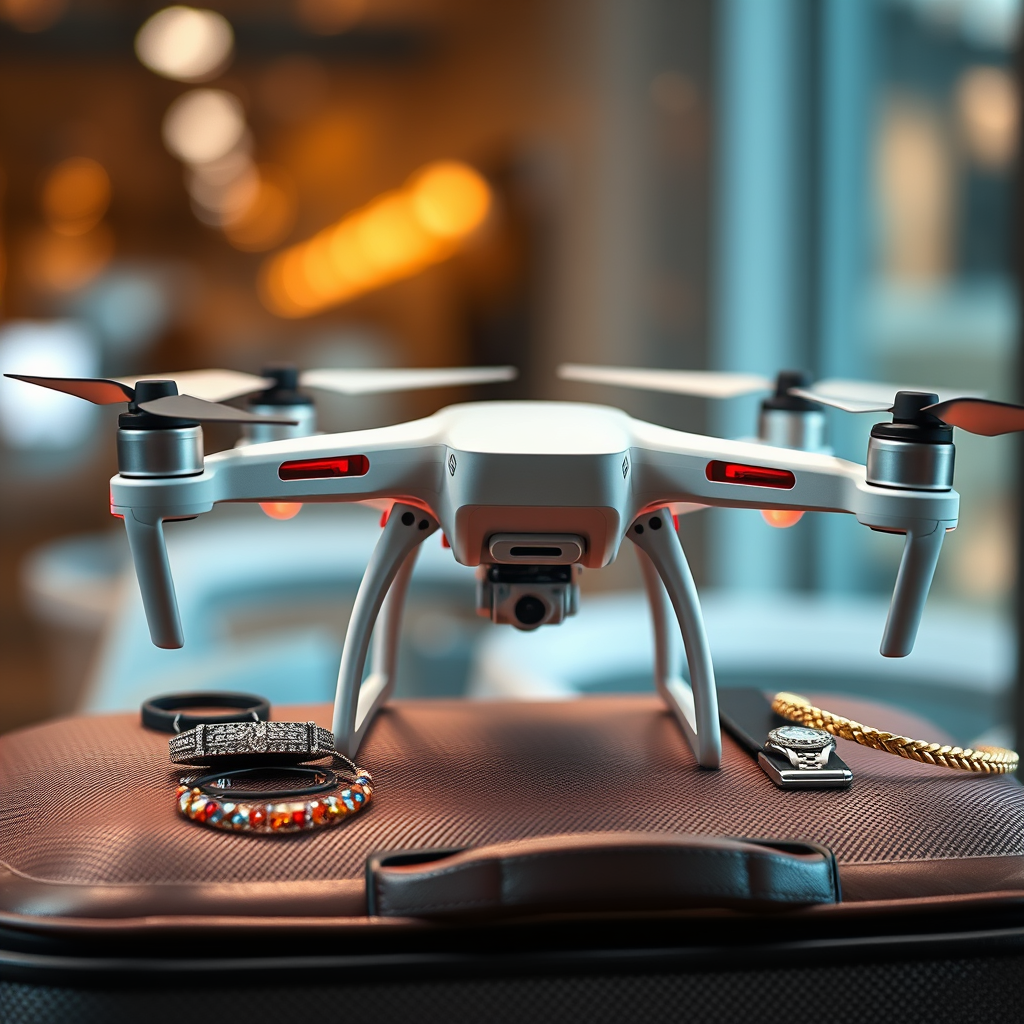
Yes, you can generally bring a drone in your carry-on luggage, but there are specific rules and regulations you must follow based on airline policies and local laws. Understanding these guidelines will help ensure a smooth travel experience with your drone, enabling you to capture stunning aerial footage during your trip while avoiding any potential legal issues.
Airline Policies on Drones
Many airlines allow drones in carry-on bags, but policies may vary significantly from one carrier to another. For instance, while major airlines like Delta, American Airlines, and Southwest typically permit drones, they may impose restrictions on battery types and sizes, as well as weight limits for carry-on luggage. It is crucial to check with your airline before traveling to confirm their specific rules regarding drones. You can usually find this information on the airline’s official website or by contacting their customer service department directly. Additionally, be aware that some airlines might require you to declare your drone at check-in or boarding, which could involve additional screening.
TSA Regulations for Drones
The Transportation Security Administration (TSA) permits drones in carry-on luggage, but there are specific regulations that you must adhere to. For example, TSA rules state that lithium-ion batteries, which are commonly used in drones, must be carried in your carry-on bag and not checked luggage due to potential fire hazards. Each battery must typically be below 100 watt-hours, but up to two batteries between 100 and 160 watt-hours are allowed with airline approval. To ensure compliance, always check the watt-hour rating of your drone’s batteries and pack them securely to avoid any damage during transit. When going through security, be prepared to remove your drone and its batteries from your bag for separate screening, as TSA agents may want to examine them closely.
Local Laws and Regulations
Researching the laws at your destination regarding drone usage is equally important. Different countries and even local jurisdictions can have varying regulations governing drone operations. For instance, in places like New York City, flying drones is heavily restricted, whereas areas like rural Utah may be more accommodating. Some locations may require drone pilots to obtain permits, register their drones, or adhere to specific flight zones to ensure safety and privacy. Always familiarize yourself with the local laws and regulations before flying your drone to avoid hefty fines or confiscation. Websites like the Federal Aviation Administration (FAA) for the United States or the Civil Aviation Authority (CAA) in the United Kingdom provide comprehensive guidelines that are valuable resources for travelers.
Packing Your Drone for Travel
Using a proper carrying case to protect your drone during transit is essential. A hard-shell case is often recommended, as it provides the best protection against impacts and environmental factors. Ensure that all parts, including batteries, propellers, and remote controls, are packed securely to avoid damage. Consider using foam padding or custom inserts to keep everything in place. It’s also wise to remove any detachable components, such as propellers, to reduce the risk of breakage. Label your drone case clearly and consider including your contact information inside the case in case it gets lost. A well-packed drone not only enhances protection but also ensures a smoother experience when navigating through security checkpoints.
Alternatives to Carry-On
If airline policies are too restrictive or if you are concerned about potential damage during transit, consider shipping your drone directly to your destination. Many carriers offer reliable shipping options that can be tracked for peace of mind. However, be mindful of the shipping regulations for lithium batteries, as they may differ from the rules for carry-on luggage. Some travelers also opt for checked luggage; however, this comes with added risk. Checked baggage can be mishandled, leading to potential damage or loss of your drone. If you choose this route, ensure that your drone is well-cushioned and protected against shocks during transit.
What to Do at Security Checkpoints
At security checkpoints, be prepared to remove your drone and batteries for separate screening. TSA agents may want to inspect your drone closely to ensure it doesn’t pose any security risks. To expedite the process, place your drone in a separate bin alongside your laptop and any large electronics. It’s advisable to follow TSA guidelines carefully to avoid delays. If you’re traveling internationally, familiarize yourself with the security protocols of the airport you’re passing through, as they may differ from TSA regulations. Ensuring that you have all necessary documentation, such as proof of drone registration, can also prevent potential complications.
Tips for Traveling with Your Drone
Familiarizing yourself with drone flying apps can be incredibly beneficial when navigating local regulations. Applications such as AirMap or DJI Fly can provide real-time updates on no-fly zones, airspace restrictions, and local weather conditions. Additionally, joining drone enthusiast communities, either online or in person, can offer valuable advice and insights from fellow travelers who have successfully navigated similar situations. Networking with other drone users may lead to recommendations for local flying spots and best practices for complying with local regulations, enhancing your overall travel experience.
Traveling with a drone can be a rewarding experience, but it’s essential to be aware of the rules and regulations to avoid any issues. Always check the latest guidelines from airlines and local authorities to ensure a hassle-free journey. By being informed and prepared, you can enjoy the thrill of capturing breathtaking aerial footage while respecting the laws and policies that govern drone usage.
Frequently Asked Questions
Can I bring a drone in my carry-on luggage when flying?
Yes, you can bring a drone in your carry-on luggage when flying, but there are important guidelines to follow. Most airlines allow drones in the cabin, but you should check with your specific airline for their policies on battery size and weight limitations. Additionally, ensure that the drone is packed securely to avoid damage during travel.
What are the TSA regulations for bringing a drone on a plane?
The Transportation Security Administration (TSA) allows drones in carry-on luggage, but you must comply with regulations regarding lithium batteries. Typically, batteries over 100 watt-hours must be packed in carry-on luggage and not checked. It’s advisable to remove the batteries from the drone and keep them in their original packaging or a protective case to prevent short-circuiting.
Are there any restrictions on flying drones internationally?
Yes, flying drones internationally comes with several restrictions that vary by country. Many countries have specific laws regarding drone registration, usage, and even flying zones, which can include no-fly areas. Before traveling, research the drone regulations of your destination to avoid hefty fines or confiscation of your drone.
What is the best way to pack a drone for air travel?
To ensure safe travel, the best way to pack a drone is to use a dedicated drone case or a cushioned bag that provides adequate protection. Disassemble any removable parts, such as propellers and batteries, and wrap them in bubble wrap or soft cloth. Additionally, secure the drone to prevent movement inside the bag, and label it clearly to indicate that it’s fragile.
Why do airlines have different policies regarding drones in carry-on luggage?
Airlines have different policies regarding drones in carry-on luggage primarily due to safety and security concerns. Each airline assesses risks associated with lithium batteries, weight constraints, and potential hazards in the cabin. It’s essential for travelers to check individual airline policies before flying to ensure compliance and avoid complications at the airport.
References
- https://www.faa.gov/uas/getting_started/part_107
- https://www.tsa.gov/travel/security-screening/whatcanibring/items/drone
- https://www.nytimes.com/2021/05/04/travel/flying-with-drones.html
- https://www.reuters.com/business/aerospace-defense/faa-issues-new-rules-drones-2021-12-16/
- https://www.theguardian.com/travel/2020/jul/15/drone-travel-tips
- https://www.wikihow.com/Bring-a-Drone-on-a-Plane
