
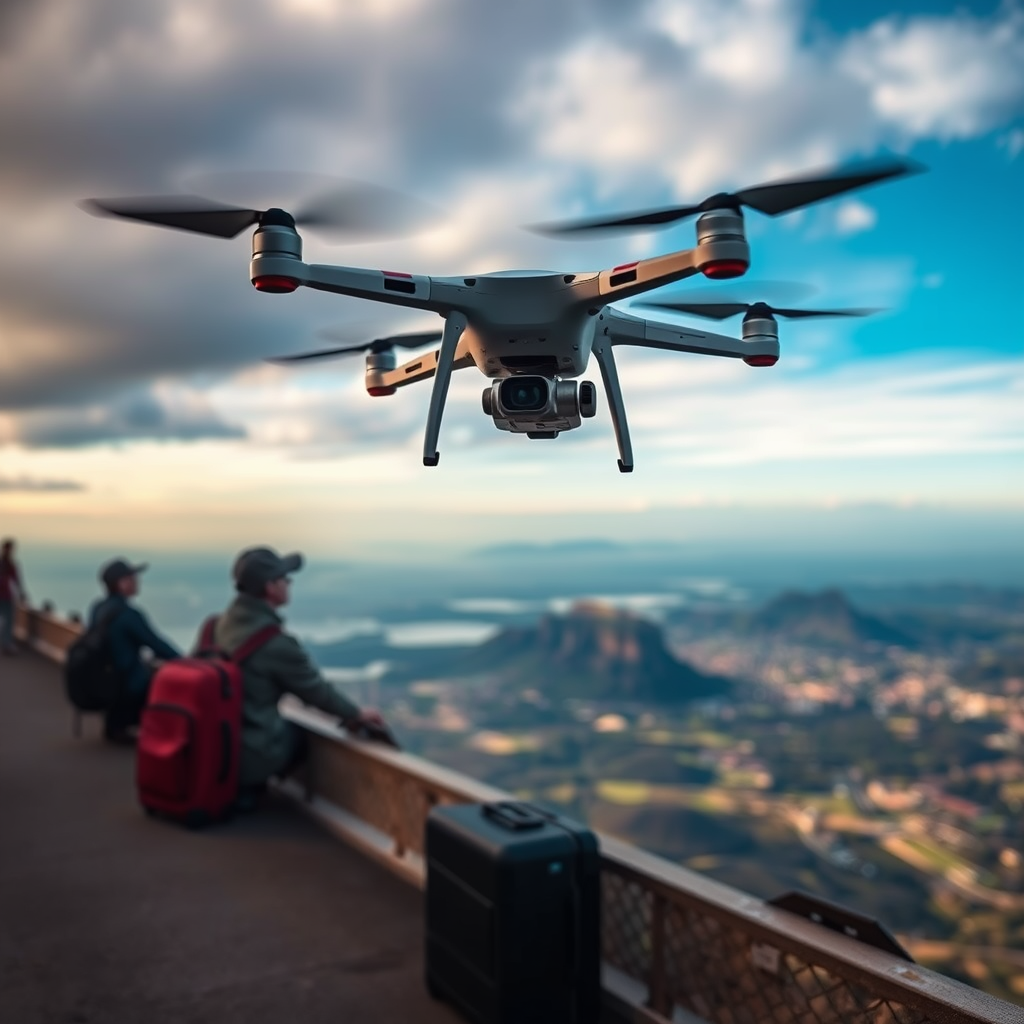
Yes, you can bring a drone on a Delta flight, but there are specific guidelines you must follow to ensure compliance with airline policies and regulations. As the popularity of drones continues to rise among both hobbyists and professionals, it’s essential to be informed about the logistical considerations when traveling with these devices. Delta Air Lines permits passengers to carry drones as either carry-on or checked luggage, but various restrictions regarding size, weight, and battery specifications must be adhered to. This article will guide you through the essentials of traveling with your drone on Delta, including size restrictions, safety protocols, and necessary documentation.
Delta’s Drone Policy Overview
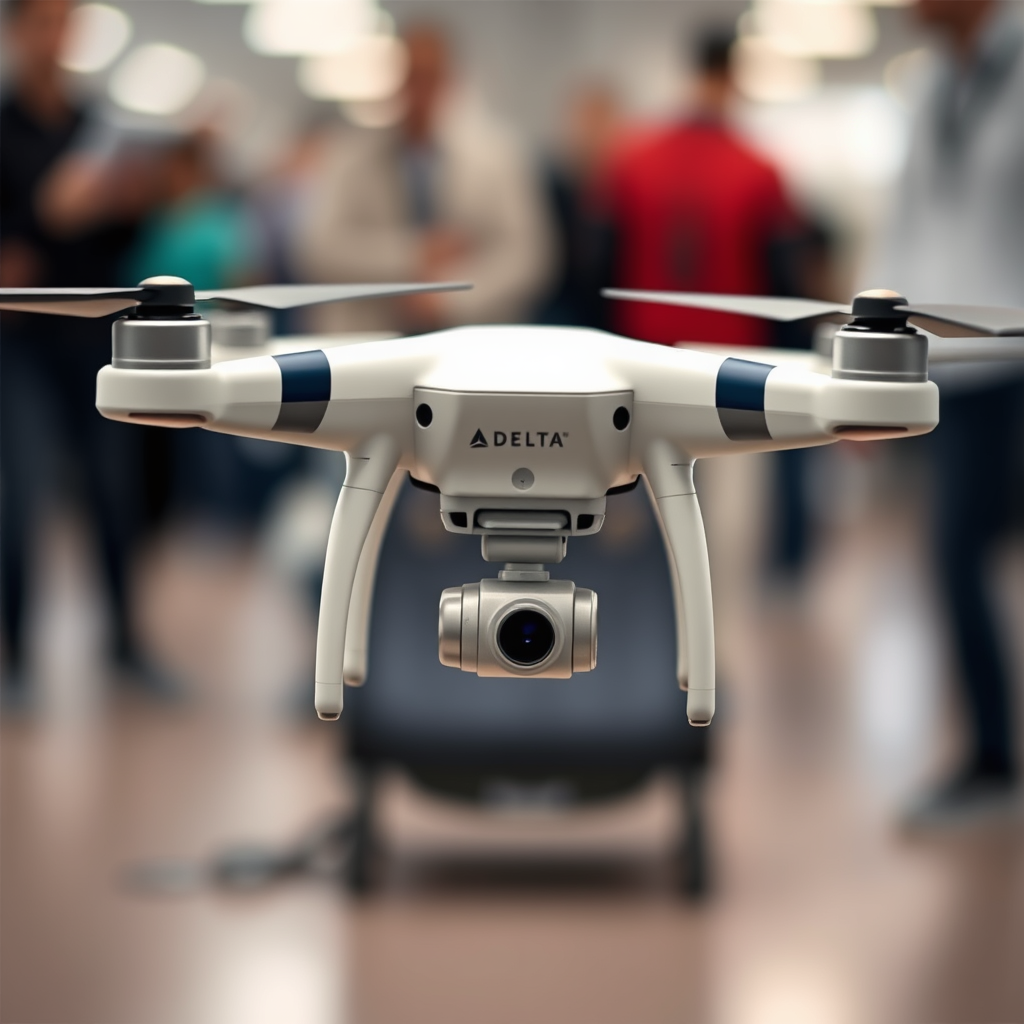
Delta Air Lines has established guidelines for traveling with drones, allowing them to be transported as either carry-on or checked luggage. However, passengers should be aware of specific size and weight restrictions. Typically, drones must fit within the carry-on allowance of 22 x 14 x 9 inches, and the total weight should not exceed 50 pounds, including any additional gear or accessories. Checking your drone as luggage is also an option, but travelers must ensure that it is properly packed to avoid damage during transit.
It’s crucial to check the latest updates on Delta’s official website before your trip, as policies can vary based on different factors such as aircraft type and destination. Additionally, consider contacting Delta customer service for any clarifications or specific inquiries, especially if you plan to travel with larger or specialized drones.
Packing Your Drone for Travel
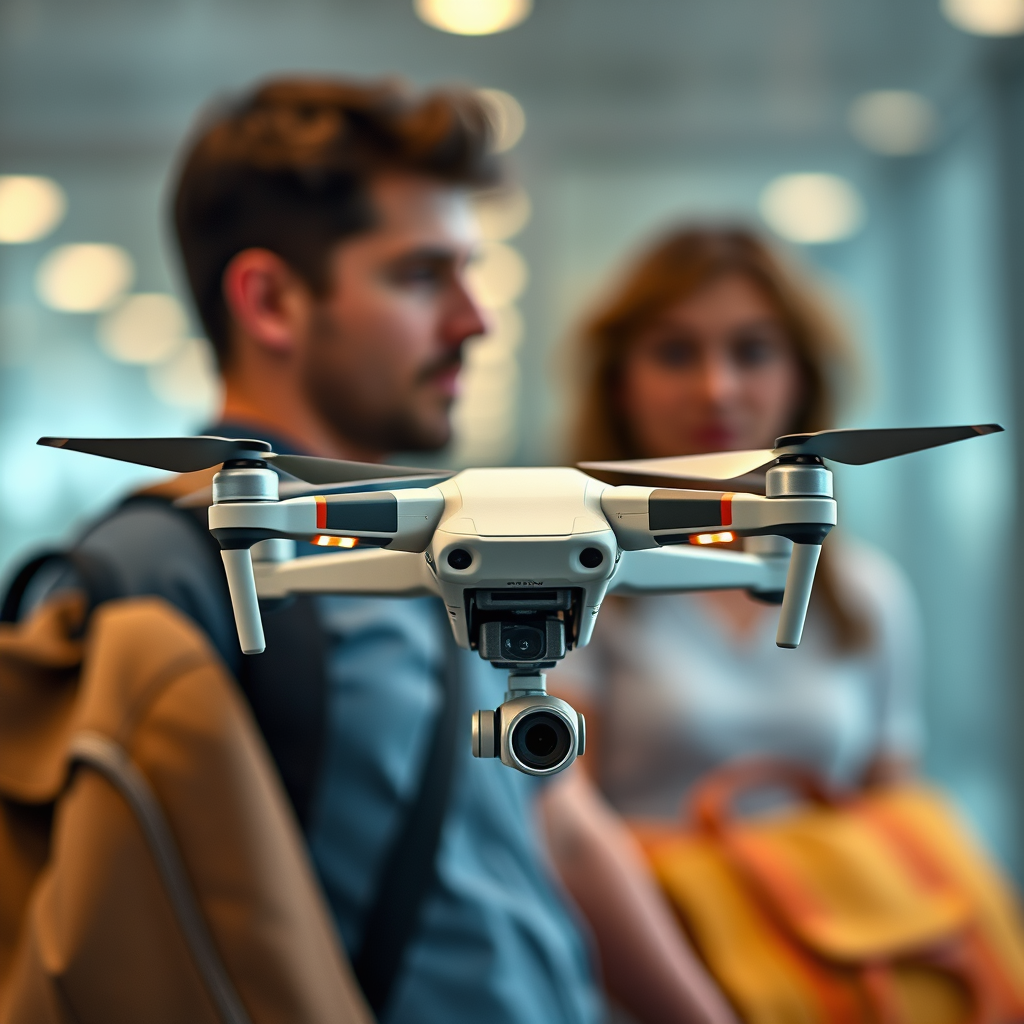
When preparing to travel with your drone, proper packing is paramount to prevent damage during transit. Utilizing a sturdy, padded case designed for drones is advisable. These cases not only protect the drone from physical impacts but also provide organization for all essential components, including controllers, spare propellers, and other accessories.
Before packing, remove the batteries from the drone and pack them separately in accordance with FAA regulations. Batteries should be secured to prevent short-circuiting, and they must be carried in your carry-on luggage to comply with safety standards. Ensuring that your drone and its components are well-organized will facilitate a smoother security screening process at the airport.
Battery Regulations for Drones
One of the primary concerns for travelers carrying drones is adherence to battery regulations. Lithium batteries, which power most drones, are subject to stringent guidelines set forth by both the FAA and the International Air Transport Association (IATA). For carry-on luggage, the general rule is that lithium batteries must not exceed 100 watt-hours (Wh). Most consumer drone batteries fall within this range, but it’s vital to confirm the specifications of your battery before travel.
If you have batteries rated over 100 watt-hours, you may require special permission from Delta and the relevant authorities. Always check with Delta’s customer service to understand any additional requirements or potential limitations regarding larger batteries. Proper labeling and documentation can also facilitate the process during security checks.
Security Screening Process
When traveling with a drone, be prepared for the airport security screening process. Passengers are typically required to remove their drones from their cases and place them on the conveyor belt for screening. To expedite this process, ensure that all components of the drone, including batteries and accessories, are easily accessible.
Communication with TSA personnel is key; if you are unsure about any aspect of the screening process, don’t hesitate to ask for assistance. Familiarizing yourself with the procedures beforehand can alleviate stress and avoid delays. It’s also wise to allow extra time at the airport for security checks, especially if you are carrying multiple electronic devices.
International Travel Considerations
Traveling internationally with a drone adds another layer of complexity, as regulations regarding drone use can vary significantly from one country to another. Before embarking on your trip, research the laws of your destination country regarding drone operation. Some countries may require registration, permits, or even insurance to operate drones legally.
Furthermore, be mindful of customs regulations that may apply upon your arrival. Certain countries impose import restrictions on drones, and failing to comply can lead to confiscation or fines. Contacting the embassy or consulate of your destination country can provide you with vital information regarding drone regulations.
Tips for a Smooth Flight Experience
To ensure a seamless travel experience with your drone, consider these practical tips:
1. Arrive Early: Allow extra time at the airport to navigate security and check-in processes smoothly, particularly if carrying multiple devices.
2. Stay Informed: Regularly check Delta’s website for any updates to their policies regarding drones and battery regulations to avoid surprises at the airport.
3. Contact Customer Service: Familiarize yourself with Delta’s customer service options. In case any issues arise, knowing how to reach them can make your experience more manageable.
4. Document Your Drone’s Specifications: Having documentation on hand that outlines your drone’s specifications and battery ratings can expedite the screening process and provide clarity to security personnel if needed.
5. Consider Travel Insurance: If your drone is a high-value item, consider obtaining travel insurance that covers loss or damage during transit, providing peace of mind during your travels.
In conclusion, while bringing a drone on a Delta flight is permissible, it’s essential to adhere to the outlined guidelines and regulations. Proper packing, understanding battery regulations, and being prepared for security screenings can help ensure a hassle-free travel experience. Moreover, keeping informed about international regulations and customs can save you from complications at your destination. Always check the latest policies before your trip, and consider reaching out to Delta customer service for any specific inquiries. Safe travels and happy flying!
Frequently Asked Questions
Can I bring a drone on a Delta flight as carry-on luggage?
Yes, you can bring a drone on a Delta flight as carry-on luggage, provided it meets the airline’s size and weight restrictions for carry-on items. Ensure that the drone’s batteries are under the limit specified by the airline, which is typically 100 watt-hours for lithium-ion batteries. It’s also advisable to keep the drone in a protective case to prevent any damage during travel.
What are the battery restrictions for bringing a drone on a Delta flight?
When traveling with a drone on a Delta flight, you must adhere to specific battery restrictions. Lithium-ion batteries used in drones should not exceed 100 watt-hours per battery when brought on board. If your drone’s battery is between 100 and 160 watt-hours, you must obtain airline approval. Always check Delta’s official guidelines for the most current battery policies before your flight.
How do I pack my drone for a Delta flight?
To pack your drone for a Delta flight, start by removing the propellers and securing them separately to avoid damage. Place the drone in a sturdy protective case and ensure that any batteries are properly stored according to Delta’s battery regulations. Additionally, keep your drone and its accessories organized to streamline the security screening process at the airport.
Why might Delta refuse to allow my drone on a flight?
Delta may refuse to allow your drone on a flight for several reasons, including exceeding size or weight limits for carry-on items, having batteries that do not comply with safety regulations, or if the drone is deemed a potential security threat. It’s crucial to check Delta’s policies and guidelines before traveling to ensure compliance and avoid any last-minute issues at the airport.
Which documents do I need to travel with my drone on a Delta flight?
When traveling with your drone on a Delta flight, it’s advisable to carry relevant documents such as proof of ownership, registration (if required by local laws), and any necessary permits for flying in your destination area. Additionally, having a copy of Delta’s policies regarding drones can be helpful in case of any questions during check-in or security. Always confirm the latest regulations both with Delta and the FAA to ensure a smooth travel experience.
References
- https://www.delta.com/us/en/traveling-with-dogs-and-cats/drone-transportation
- https://www.faa.gov/uas/getting_started/
- https://www.transportation.gov/briefing-room/blog/bringing-drones-planes-what-you-need-know
- https://www.cnn.com/travel/article/drones-airline-travel/index.html
- https://www.nytimes.com/2021/07/16/travel/drones-airlines.html
- https://www.wired.com/story/airline-drones-rules/
- https://www.faa.gov/uas/
- https://www.traveldailynews.com/post/delta-air-lines-drones-transportation-policy-what-to-know
