
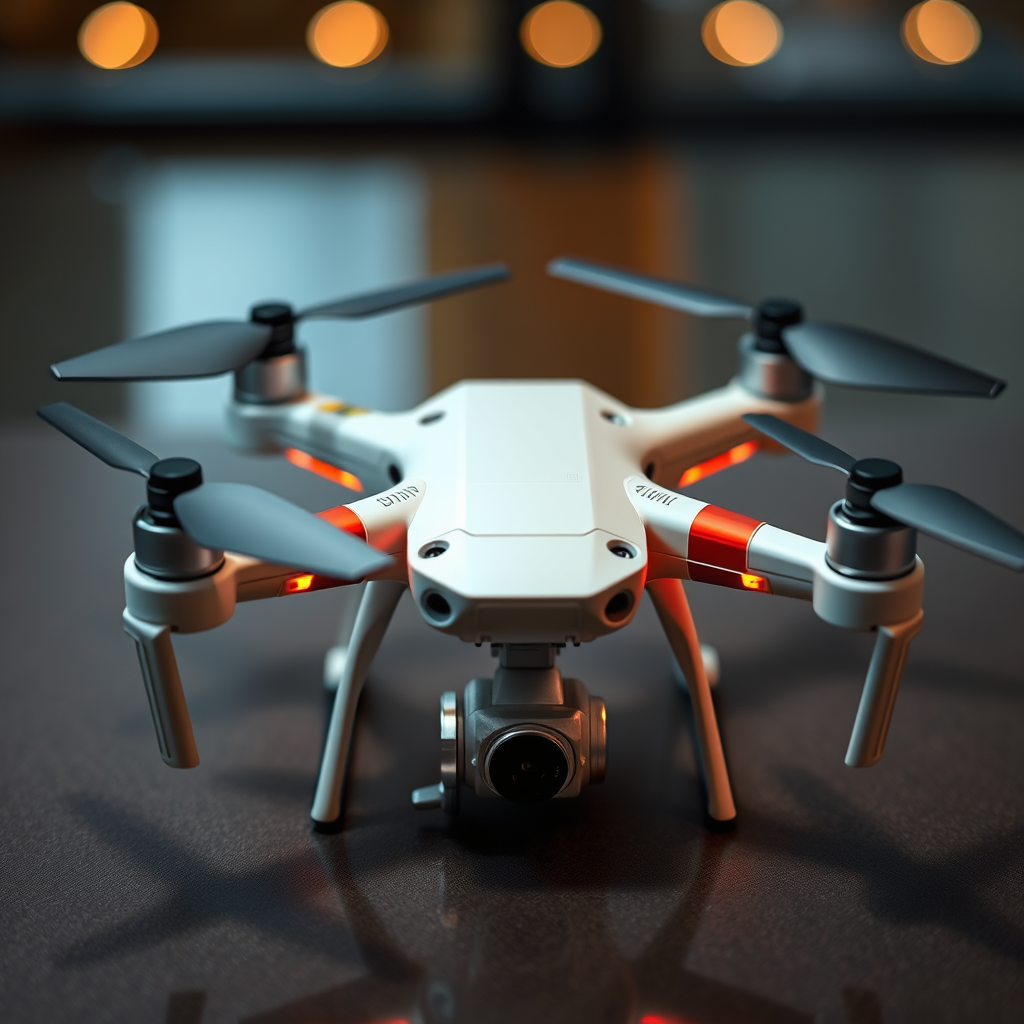
Yes, you can bring a drone on a plane, but there are specific regulations and guidelines you must follow. Understanding these rules ensures that your travel experience is smooth and compliant with airline policies and local laws. With the increasing popularity of drones for both recreational and professional use, many travelers find it essential to incorporate their drones into their travel plans. However, without proper knowledge of the regulations governing drone transport, you may encounter unexpected challenges. This article aims to provide a comprehensive overview of what you need to know when bringing a drone on a plane.
Understanding Airline Policies
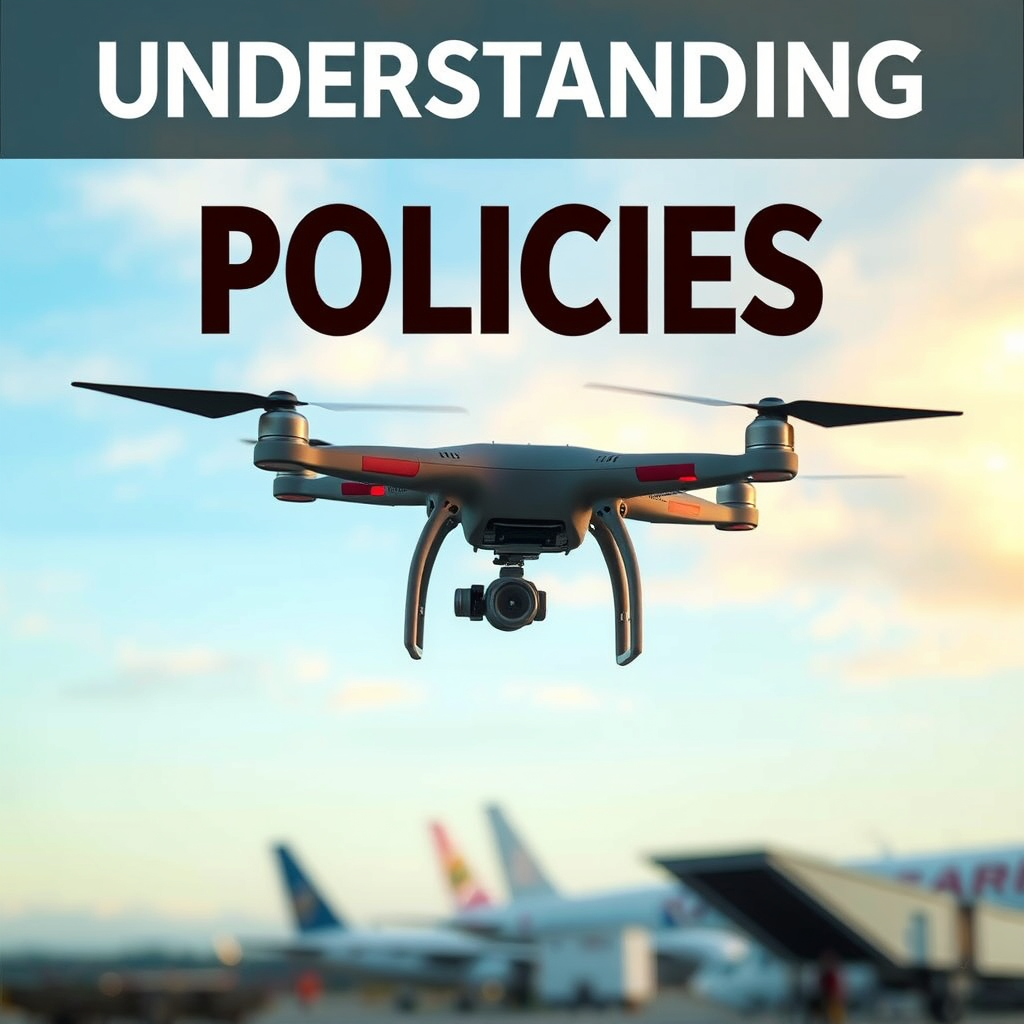
When it comes to traveling with a drone, it’s crucial to understand that different airlines have varying rules regarding their transport. Each airline sets its own policies, which can significantly influence your travel experience. For instance, while some airlines allow drones in both carry-on and checked baggage, others may impose restrictions that require drones to be stowed in the cabin only. Therefore, before you travel, it is essential to check with your airline for its specific drone policies. Websites and customer service representatives can provide the most accurate and up-to-date information.
Moreover, airlines may have guidelines concerning the size and weight of the drone, especially if it exceeds the standard dimensions for carry-on luggage. In some cases, additional fees might apply if your drone is classified as oversized. Understanding these nuances can help you avoid surprises at the airport and ensure compliance with airline rules.
TSA Regulations for Drones
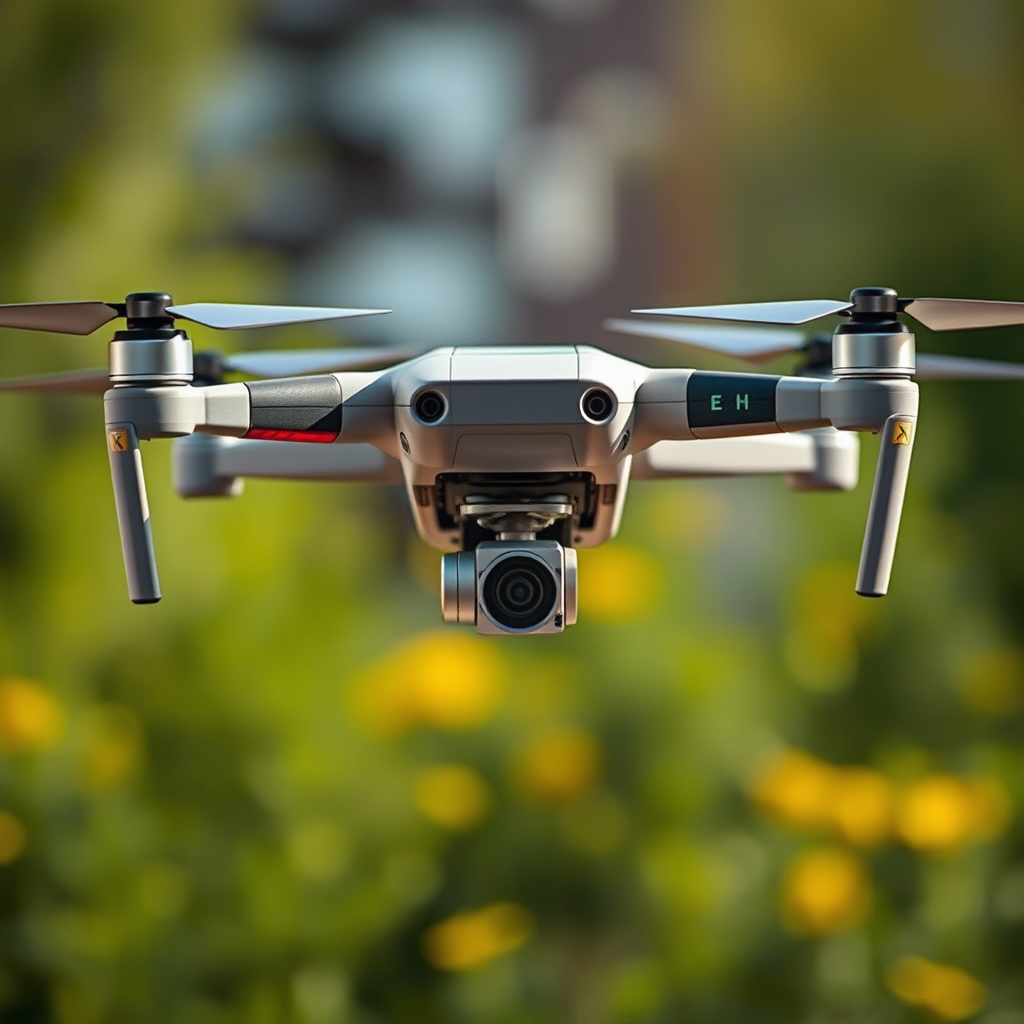
In the United States, the Transportation Security Administration (TSA) permits drones to be carried in your carry-on luggage. However, be prepared for your drone to undergo inspection at security checkpoints. The TSA is particularly vigilant about ensuring all electronic devices are free of any prohibited items. Therefore, it’s advisable to keep your drone fully accessible in your carry-on bag, allowing for quick and easy access during screening.
An important aspect to consider is the storage of drone batteries. Most drones operate on lithium-ion batteries, which are subject to specific regulations due to their potential fire hazards. The TSA restricts the number of lithium batteries you can bring on a plane, limiting them to two batteries per passenger in carry-on luggage. Each battery must also not exceed 100 watt-hours. Proper storage of these batteries is critical; they should be in their original packaging or insulated to prevent short-circuiting. Failing to comply with these regulations may result in delays or the confiscation of your batteries at the airport.
Local and International Laws
When traveling internationally, it’s vital to research and understand the drone laws of your destination. Regulations governing drones can differ significantly between countries, and ignorance of local laws can lead to serious consequences, including fines or confiscation of your equipment. For example, countries such as Canada and Australia have strict regulations regarding drone flights, often requiring permits or registration before you can operate a drone.
In some regions, flying a drone may be completely prohibited in urban areas or within certain distances from airports and military installations. This is particularly relevant in places with heavy air traffic or strict security measures. To avoid legal issues, ensure you familiarize yourself with drone regulations, including any necessary permits or licenses required to fly in your destination country. Websites and local aviation authorities can provide vital information regarding these regulations.
Packing Your Drone Safely
Properly packing your drone is crucial to prevent damage during transit. Firstly, consider investing in a high-quality protective case specifically designed for your drone model. A protective case will not only safeguard your equipment from physical shocks but will also help in organizing accessories such as batteries, remote controls, and propellers.
When packing, it’s advisable to detach propellers and other fragile components to minimize risks while traveling. This also makes it easier to fit your drone into the protective case or bag. Additionally, using foam padding or bubble wrap can further cushion your drone and its components. Always ensure that your drone case complies with the airline’s carry-on dimensions. This foresight will minimize the chances of your drone being damaged during handling or transport.
Tips for Smooth Travel with a Drone
To ensure a seamless travel experience with your drone, consider these practical tips. First, arriving at the airport early is essential. Allowing extra time for security checks can alleviate any stress associated with unforeseen delays. Since drones are electronic devices, they may require additional screening, which can take time.
Second, be prepared to explain the purpose of your drone if questioned by security personnel. Whether you’re using it for photography, surveying, or recreational purposes, having a clear and concise explanation can help facilitate a smoother security process. It is also wise to carry any documentation or permits related to your drone, especially if you are traveling internationally. This can provide additional assurance to security personnel and can help in case of any inquiries about its use.
After Landing: What to Consider
Upon arrival at your destination, reviewing local regulations before flying your drone is crucial. Understanding the specific rules and guidelines governing drone use in the area will help you operate legally and responsibly. This includes identifying any no-fly zones, which are often near airports, military bases, or other sensitive locations.
Look for designated areas for drone use, such as parks or open fields, to avoid potential legal issues and ensure safety. Many cities or regions have specific parks where drone flying is encouraged, often supported by local drone communities. Engaging with local drone enthusiasts can also provide valuable insights into the best practices and potential challenges you may face while flying your drone in a new environment.
In conclusion, bringing a drone on a plane is certainly possible with careful planning and adherence to regulations. By understanding airline policies, TSA regulations, and local laws, as well as taking the necessary steps to pack your drone safely and travel smoothly, you can enjoy the benefits of capturing stunning aerial footage on your travels. Always stay informed about both airline and local laws to ensure a hassle-free travel experience. Happy flying!
Frequently Asked Questions
What are the rules for bringing a drone on a plane?
The rules for bringing a drone on a plane vary depending on the airline and country regulations. Generally, most airlines allow drones in carry-on luggage, but you must ensure that the drone’s battery complies with the airline’s restrictions on lithium-ion batteries, typically not exceeding 100 watt-hours. Always check with your airline prior to travel, and familiarize yourself with the regulations of both your departure and arrival countries regarding drone use.
How do I pack my drone for air travel?
Packing your drone for air travel requires careful consideration to avoid damage and comply with airline regulations. Use a padded carrying case specifically designed for drones, ensuring that the drone, batteries, and accessories are securely cushioned. Remove the batteries from the drone and pack them in your carry-on luggage, as most airlines prohibit lithium batteries in checked baggage for safety reasons.
Why do airlines have restrictions on drones?
Airlines impose restrictions on drones primarily for safety and security reasons. Drones contain lithium batteries, which can pose a fire risk if not handled properly. Additionally, there are concerns about the potential for drones to interfere with aircraft operations, particularly during takeoff and landing. Understanding these restrictions can help you prepare adequately for your trip and avoid any complications at the airport.
What should I do if my drone is too large to fit in carry-on luggage?
If your drone is too large to fit in carry-on luggage, you may need to consider several options. Some travelers opt to check their drone as oversized luggage, but this can increase the risk of damage. Alternatively, consider investing in a foldable or compact drone model that meets carry-on size requirements. Always verify the airline’s policy on oversized items before your flight to ensure compliance and avoid unexpected fees.
Which countries have restrictions on bringing drones into their airspace?
Many countries have specific regulations regarding the importation and use of drones, including restrictions on where you can fly. Countries like the United Kingdom, Australia, and New Zealand require registration for drones above a certain weight, while others may have outright bans on drone usage in urban areas. It’s essential to research and understand the drone laws of your destination country before traveling, as violating these regulations can lead to fines or confiscation of your equipment.
References
- https://www.faa.gov/uas/travel
- https://www.tsa.gov/travel/security-screening/whatcanibring/items/drone
- https://www.nytimes.com/2020/07/29/travel/drones-airplanes.html
- https://www.wired.com/story/drone-airport-security-travel/
- https://www.theguardian.com/travel/2021/jul/20/drone-travel-rules-what-you-need-to-know
- https://www.wikihow.com/Travel-with-a-Drone
- https://www.nasa.gov/feature/nasa-issues-guidance-for-drone-fliers
- https://www.aviation.govt.nz/drones/
- https://www.faa.gov/uas/getting_started/registration/
