

Yes, you can bring a drone to Israel, but there are specific regulations and requirements you must follow to ensure compliance with local laws. Understanding these guidelines will help you enjoy a hassle-free experience while capturing stunning aerial views of this beautiful country. As drone enthusiasts are increasingly drawn to Israel’s picturesque landscapes and historical sites, it’s imperative to be aware of the legal framework governing drone usage to avoid potential complications.
Understanding Israeli Drone Regulations
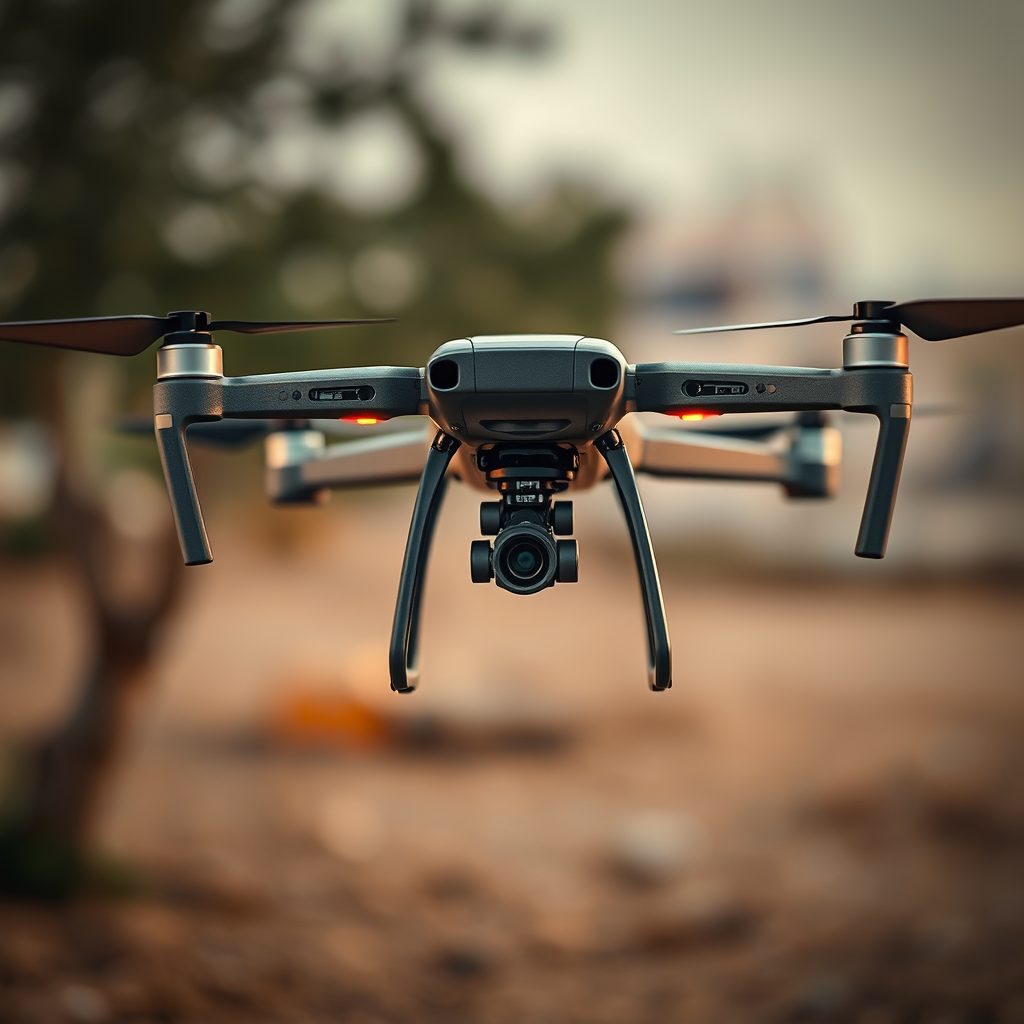
In Israel, drone regulations are overseen by the Civil Aviation Authority of Israel (CAAI), which has established a comprehensive framework to ensure both safety and security in the airspace. Drones that weigh more than 250 grams (approximately 0.55 pounds) must be registered with the CAAI. This registration process is essential for both recreational and commercial drone operators.
Different types of drones may require distinct permits, and it’s important to familiarize yourself with the specific regulations that apply to your drone model. For example, commercial operators need to adhere to stricter guidelines than recreational users. Additionally, certain drone types, such as those equipped with advanced photography or surveillance capabilities, may require additional scrutiny. By staying informed about these regulations, you can ensure compliance and a smoother flying experience.
Necessary Documentation for Drones
Before bringing your drone to Israel, it’s crucial to obtain a valid drone permit that clearly outlines your intended use—whether for recreational or commercial purposes. This permit is essential for anyone looking to operate a drone legally within the country. For commercial operators, the application process can be more rigorous, often requiring detailed information about the nature of the operations, including flight plans and intended locations.
In addition to a drone permit, you may be required to present proof of insurance, particularly for commercial activities. Insurance serves as a safeguard against potential liabilities, and having a policy in place can simplify the process if any issues arise during your operations. Make sure to keep all documentation readily accessible while traveling, as authorities may request to see them at any point.
Airport Security and Customs Procedures
Upon arrival in Israel, it is mandatory to declare your drone at customs to avoid any misunderstandings or legal issues. This declaration should include details about your drone and its intended use. Being transparent about your equipment will help facilitate a smoother entry process.
When traveling with a drone, be prepared for possible inspections by airport security personnel. It’s advisable to pack your drone securely to prevent damage during travel. Consider using a padded carrying case designed specifically for drones, which not only protects your device but also helps in organizing essential accessories like batteries and controllers. Ensuring your drone is in good working condition before your flight will also minimize complications upon arrival.
Areas Where Drones Are Prohibited
Israel has implemented strict airspace restrictions that all drone operators must adhere to, particularly in sensitive areas. Drones are prohibited from flying over military zones, government buildings, and densely populated regions. Violating these restrictions can lead to severe penalties, including fines and the confiscation of your drone.
To avoid potential issues, it’s advisable to research no-fly zones in advance. Several online tools and resources, including dedicated drone mapping applications, provide updated information on restricted airspace. Familiarizing yourself with these areas before your trip will not only help you stay compliant but also enhance your overall flying experience by allowing you to focus on permitted locations.
Best Practices for Flying Drones in Israel
When flying drones in Israel, adhering to best practices is essential for both safety and compliance. Always ensure that your drone is operated below 120 meters (approximately 400 feet) and maintain a visual line-of-sight at all times. This practice helps prevent collisions with other aircraft and ensures you can monitor your drone’s performance effectively.
Furthermore, respecting privacy laws is critical. Avoid flying over private property without obtaining permission from the landowner. In addition, be considerate of individuals’ right to privacy, particularly in populated areas or at public events. Engaging with local communities and informing them about your flights can foster goodwill and enhance your experience.
Potential Penalties for Non-Compliance
It is vital to understand the potential consequences of non-compliance with Israeli drone regulations. Flying without the necessary permits or in prohibited areas can lead to hefty fines, the confiscation of your drone, and even legal action. The Israeli authorities take airspace violations seriously, and the repercussions may extend beyond financial penalties, including possible criminal charges in extreme cases.
To avoid these outcomes, ensure that you are fully informed about the regulations and adhere strictly to them. The consequences of ignorance can be severe, so conducting thorough research and preparing adequately before your trip is paramount.
In conclusion, bringing a drone to Israel is feasible with the right preparation and adherence to established regulations. Understanding the registration process, necessary documentation, and airspace restrictions will significantly enhance your drone flying experience. By following best practices and staying informed about legal requirements, you can enjoy capturing the breathtaking landscapes and rich history of Israel without encountering unnecessary complications. Happy flying!
Frequently Asked Questions
Can I bring a drone to Israel for personal use?
Yes, you can bring a drone to Israel for personal use, but you must adhere to specific regulations set by the Israeli Civil Aviation Authority (CAA). It’s essential to register your drone if it weighs over 250 grams and obtain necessary permits if you plan to fly in certain areas, especially near airports or crowded places. Always check local laws and regulations before your trip to ensure compliance.
What are the rules for flying a drone in Israel?
In Israel, drone operators must follow several key rules, such as keeping the drone within visual line-of-sight, not flying above 120 meters, and staying at least 300 meters away from populated areas and sensitive sites, including military zones. Additionally, flying drones in national parks and nature reserves may require special permissions. Familiarizing yourself with these regulations will help ensure a safe and legal flying experience.
How do I register my drone in Israel?
To register your drone in Israel, you need to visit the Israeli Civil Aviation Authority’s website and fill out the required registration forms. You will need to provide information about the drone, including its weight and specifications, and pay any applicable fees. After your drone is registered, you will receive a registration number, which must be displayed on the drone before you can operate it legally.
Why is it important to check drone regulations before traveling to Israel?
Checking drone regulations before traveling to Israel is crucial to avoid legal issues and potential fines. Israel has strict rules governing drone use, and violating them can lead to confiscation of your drone or even legal action. Understanding local laws helps ensure that you have a positive experience while respecting the country’s airspace and safety protocols.
What are the best practices for safely flying a drone in Israel?
To ensure safe drone flying in Israel, always pre-plan your flight by checking weather conditions and restricted zones. Utilize a reliable drone app to stay updated on local regulations and airspace restrictions, and avoid flying near crowded places or sensitive sites. Additionally, maintain a safe distance from wildlife and always be mindful of other air traffic to promote safety and responsibility as a drone pilot.
References
- https://www.gov.il/en/departments/publications/drone-regulations
- https://www.civilaviation.gov.il/English/Pages/default.aspx
- https://www.bbc.com/news/technology-44413917
- https://www.reuters.com/article/us-israel-drones-idUSKBN1ZC1U5
- https://en.wikipedia.org/wiki/Drone_regulation
- https://www.jpost.com/israel-news/can-i-bring-my-drone-to-israel-642499
- https://www.faa.gov/uas/getting_started/where_to_fly/
