
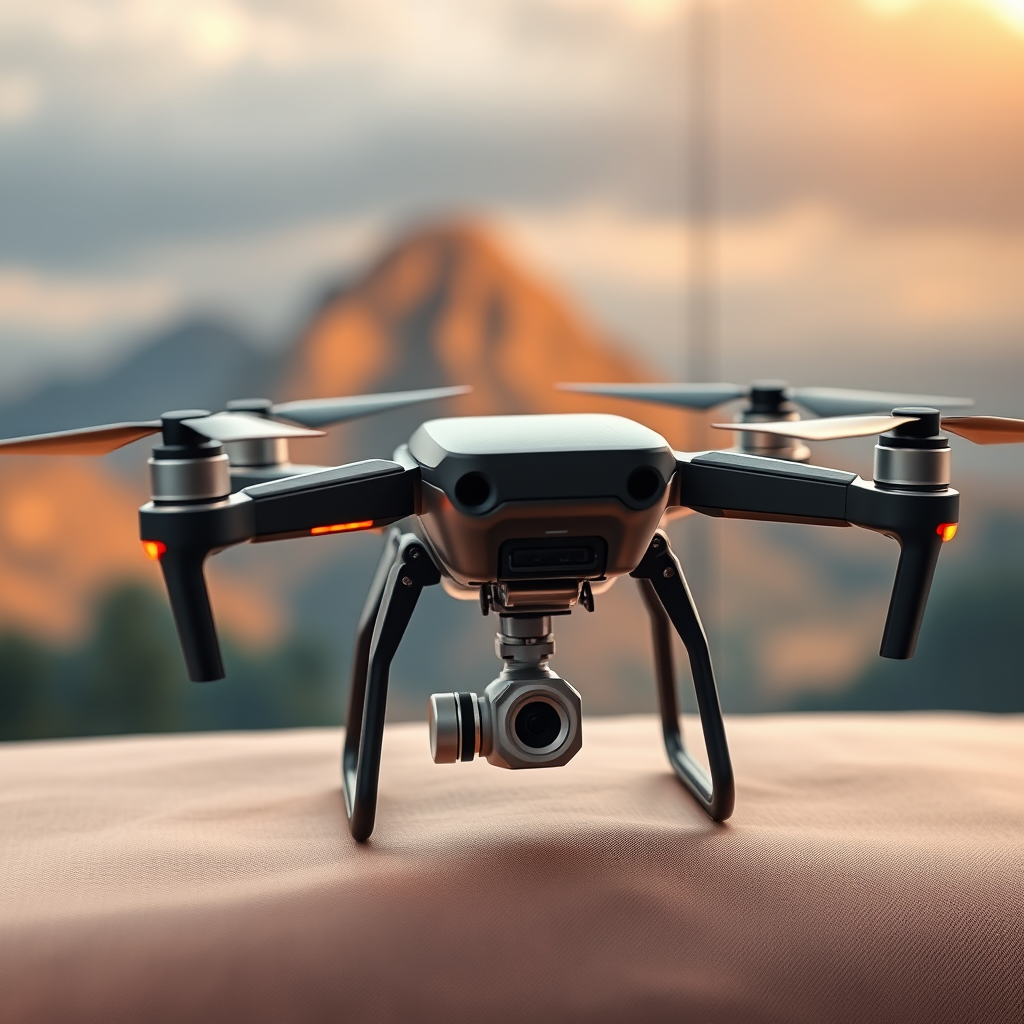
Yes, you can bring a drone to Peru, but there are specific regulations and guidelines you must follow to ensure compliance with local laws. Understanding these rules will help you enjoy a hassle-free experience while capturing stunning aerial footage of the beautiful Peruvian landscapes. Drones have become increasingly popular among travelers and photographers, allowing for unique perspectives of iconic sites such as Machu Picchu and the Sacred Valley. However, it is crucial to navigate the legal landscape to avoid potential fines or confiscation of your equipment.
Understanding Peruvian Drone Regulations
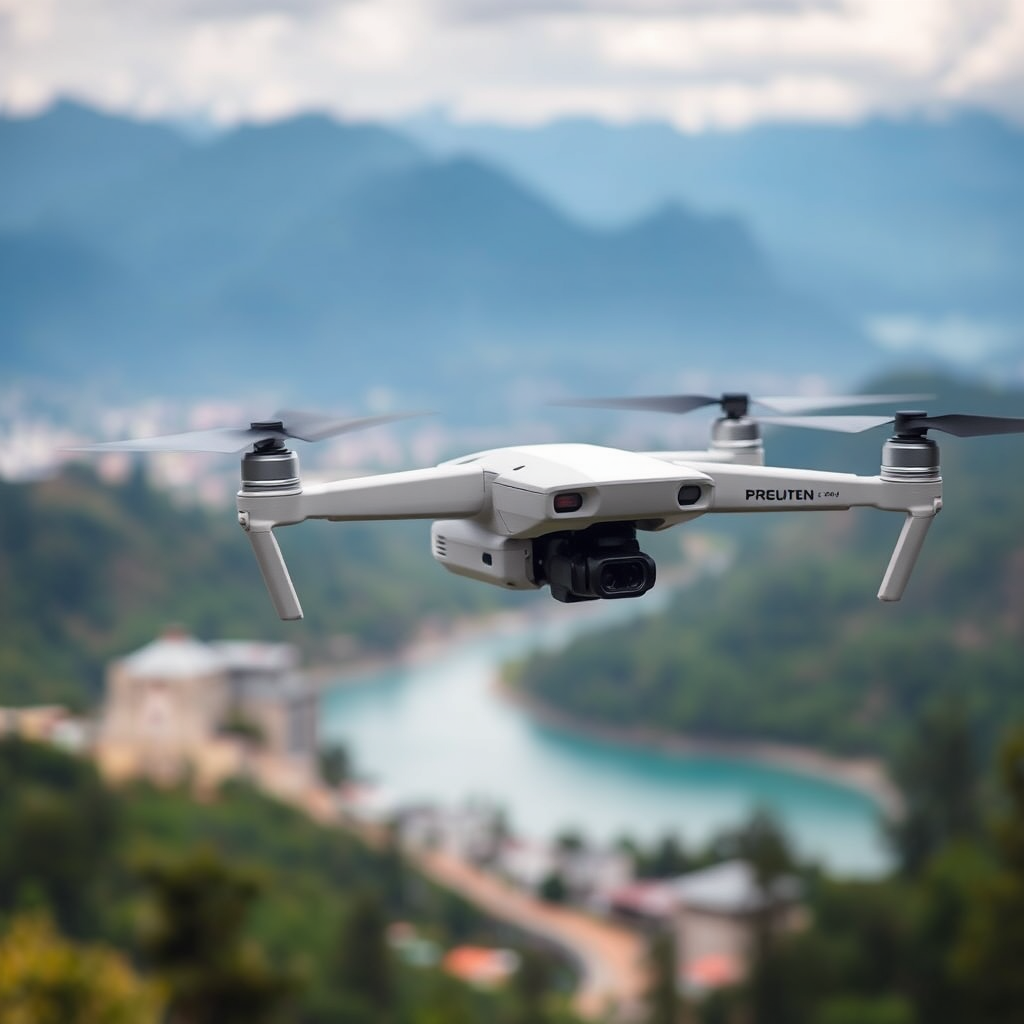
In Peru, all drones must be registered with the Peruvian Civil Aviation Authority, known as the DGAC (Dirección General de Aeronáutica Civil). This registration is essential for both recreational and commercial drone use. To register your drone, you must provide details such as the make, model, and serial number, along with documentation proving ownership.
For pilots planning to use their drones for commercial purposes or if the drone exceeds a weight limit of 2 kilograms (approximately 4.4 pounds), a special permit is required. This permit involves a more detailed application process, which may include providing flight plans and ensuring compliance with safety regulations. As drone technology evolves, keeping abreast of updates to these regulations is critical to your compliance and safety.
Importing Drones to Peru
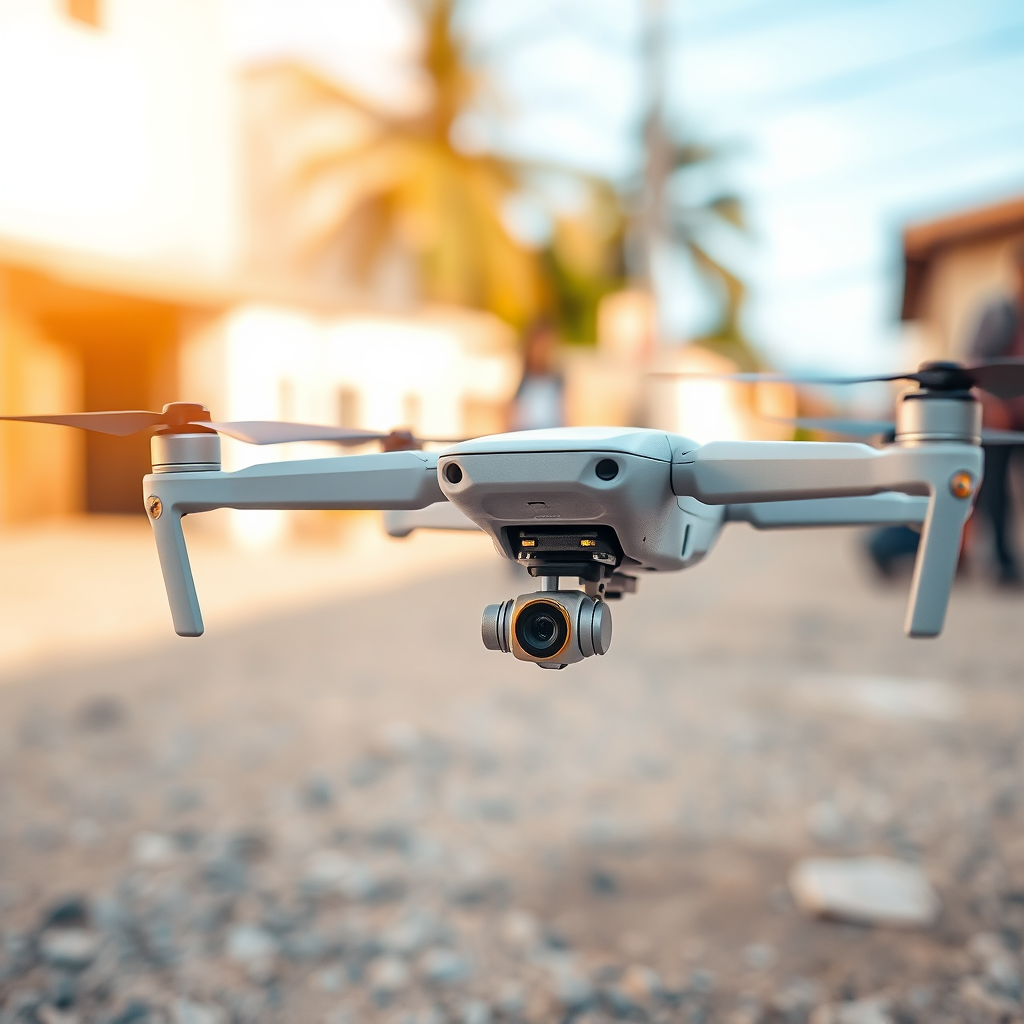
When importing a drone into Peru, it is essential to familiarize yourself with the customs regulations that govern such imports. Travelers are allowed to bring drones into the country, but they must declare them at customs. It is advisable to have the purchase receipt and any relevant documentation ready to present to customs officials.
Additionally, be aware that customs may impose import taxes and duties on drones, especially if the drone’s value exceeds a certain threshold. The applicable tax rates can vary, and it is prudent to check the latest information from Peruvian customs authorities or consult with a local expert before your trip. Ensuring compliance at the customs stage will set a positive tone for your drone-flying experience in Peru.
General Drone Usage Guidelines
Once you have successfully imported and registered your drone, it is essential to adhere to general usage guidelines to ensure the safety of yourself and others. One of the primary rules is to maintain visual line of sight with your drone at all times. This ensures that you can effectively control the drone and respond to any potential hazards.
Additionally, flying over crowds is strictly prohibited. This restriction is particularly important in populated areas and at events where people gather. Furthermore, avoid flying near sensitive locations, including airports, military installations, and archaeological sites, to respect local laws and preserve the integrity of these areas. Violating these guidelines could lead to serious legal consequences, including fines and drone confiscation.
Flying Your Drone in National Parks
Peru is renowned for its breathtaking national parks, many of which feature stunning landscapes ideal for drone photography. However, drone usage in these protected areas can be heavily regulated. It is crucial to check the specific regulations governing drone operations within each national park, as many parks prohibit drone flights altogether to protect wildlife and preserve the natural environment.
If drone flying is permitted, you may need to obtain specific permits from park authorities. This often involves submitting an application detailing your flight plan and intended use of the drone. For example, in areas like Huascarán National Park, where both biodiversity and cultural heritage are paramount, the authorities have stringent regulations to minimize human impact. Ensuring you have the proper permits and understanding the local regulations will enhance your experience while respecting the natural beauty of these protected areas.
Local Restrictions and No-Fly Zones
Each city in Peru may have its own local restrictions regarding drone usage. Major urban centers like Lima and Cusco have designated no-fly zones, particularly in areas with high population density or significant cultural and historical importance. It is vital to familiarize yourself with these areas before flying your drone.
For instance, in Lima, flying drones in city parks, near government buildings, and over popular tourist attractions is often restricted. Similarly, in Cusco, the area surrounding the Plaza de Armas is a no-fly zone due to its historical significance and the number of tourists it attracts. Adhering to these local laws and respecting no-fly zones is essential to avoid fines, legal repercussions, or the confiscation of your drone.
Safety and Best Practices
Safety should always be a priority while flying your drone in Peru. Begin each drone operation with a thorough pre-flight check to ensure that your equipment is in good working condition. Check battery levels, propeller integrity, and signal strength to minimize the risk of malfunctions during your flight.
Moreover, being courteous to locals is not only a best practice but also a way to foster goodwill. Avoid flying in residential areas where people may feel disturbed or threatened by the presence of a drone. Engaging with locals can also provide you with valuable insights into the best locations to fly, as well as tips on cultural sensitivities you should be aware of.
If you are unfamiliar with the area, consider joining a local drone flying group or hiring a guide who can help you navigate the complexities of drone regulations and flying conditions in Peru.
In conclusion, bringing a drone to Peru is feasible, but it requires understanding and adhering to local regulations. Ensure you have all necessary permits, familiarize yourself with the areas where you plan to fly, and respect local customs and restrictions. By following these guidelines, you can safely enjoy your aerial adventures in stunning Peru, capturing the breathtaking landscapes and rich cultural heritage that make this country a unique destination for drone enthusiasts.
Frequently Asked Questions
Can I bring a drone to Peru for personal use?
Yes, you can bring a drone to Peru for personal use, but there are specific regulations you must follow. It’s essential to declare your drone at customs upon arrival and ensure that it complies with Peruvian drone regulations. This includes weight limits and operating guidelines to ensure safe flying. Always check the latest regulations from the Peruvian Ministry of Transport and Communications before your trip.
What are the regulations for flying a drone in Peru?
In Peru, drone regulations require that you fly your drone below 120 meters (400 feet), maintain visual line of sight, and avoid flying over populated areas or restricted zones such as military installations, national parks, and airports. Additionally, commercial drone operators must register their drones and obtain a special permit. Familiarizing yourself with these regulations will help ensure a safe and compliant flying experience.
How do I register my drone in Peru if I plan to use it commercially?
To register your drone in Peru for commercial use, you need to submit an application to the Peruvian Ministry of Transport and Communications. This process includes providing details about your drone, such as its specifications and intended use. Additionally, you may need to undergo training and obtain a remote pilot license. It’s advisable to start this process early, as it can take time to get all necessary approvals.
Why is it important to check local drone laws before flying in Peru?
Checking local drone laws before flying in Peru is crucial because failure to comply with regulations can lead to fines, confiscation of your drone, or even legal repercussions. Each country has its own set of rules designed to ensure safety and privacy. By understanding and respecting these laws, you can enjoy your drone experience while avoiding potential issues with local authorities.
Which areas in Peru are off-limits for drone flying?
Several areas in Peru are off-limits for drone flying, including military zones, national parks, and archaeological sites such as Machu Picchu. Specific zones may have restrictions due to wildlife conservation or cultural preservation. Always check the latest guidelines from the Peruvian authorities and local regulations to ensure that you fly your drone in permitted areas and avoid any legal troubles.
References
- https://www.gov.uk/foreign-travel-advice/peru/entry-requirements
- https://www.peru.travel/en/faq/drone-regulations-in-peru
- https://www.faa.gov/uas/getting_started/learn/
- https://www.dronelife.com/2021/01/25/drone-regulations-in-peru/
- https://www.wildlife.org/drone-regulations-in-peru/
- https://www.cnet.com/news/peru-drone-laws-rules/
