
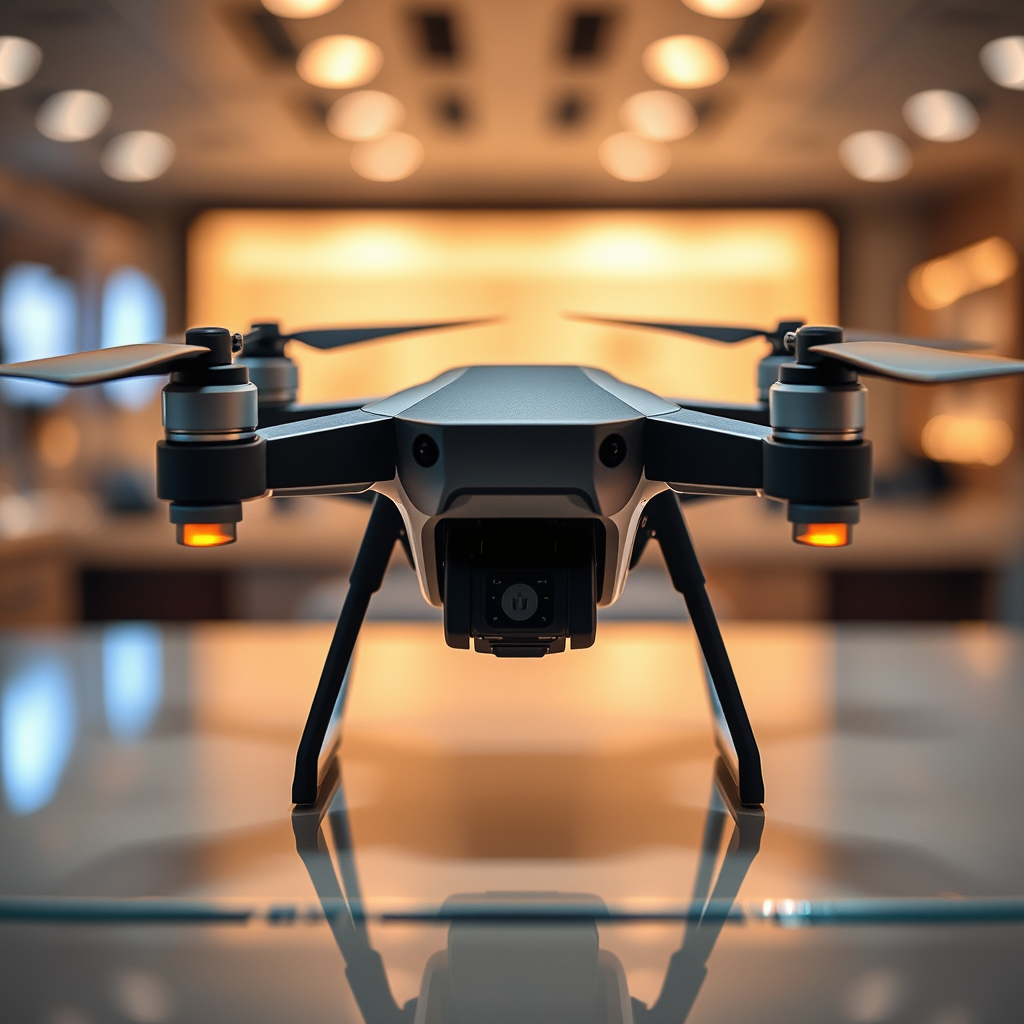
Yes, you can bring drone batteries on a plane, but there are specific regulations you must follow to ensure safety and compliance with airline policies. With the increasing popularity of drone technology, understanding the guidelines for transporting drone batteries is crucial for travelers who wish to capture stunning aerial footage without running into logistical issues. This blog post will provide comprehensive insights into the regulations surrounding drone batteries, ensuring you can travel with your equipment without complications.
Understanding Airline Regulations
Airlines have different policies regarding the transport of batteries, particularly lithium-based batteries, which are commonly used in drones. Each airline sets its own rules based on safety standards and regulatory requirements. Therefore, it is vital to check with your specific airline well in advance of your travel date. For instance, while some airlines may allow batteries with a higher watt-hour (Wh) rating, others may impose stricter limits. Additionally, some airlines may require you to notify them prior to your flight if you are traveling with large batteries. Familiarizing yourself with these guidelines can save you time and prevent potential issues at the airport.
Types of Batteries Allowed
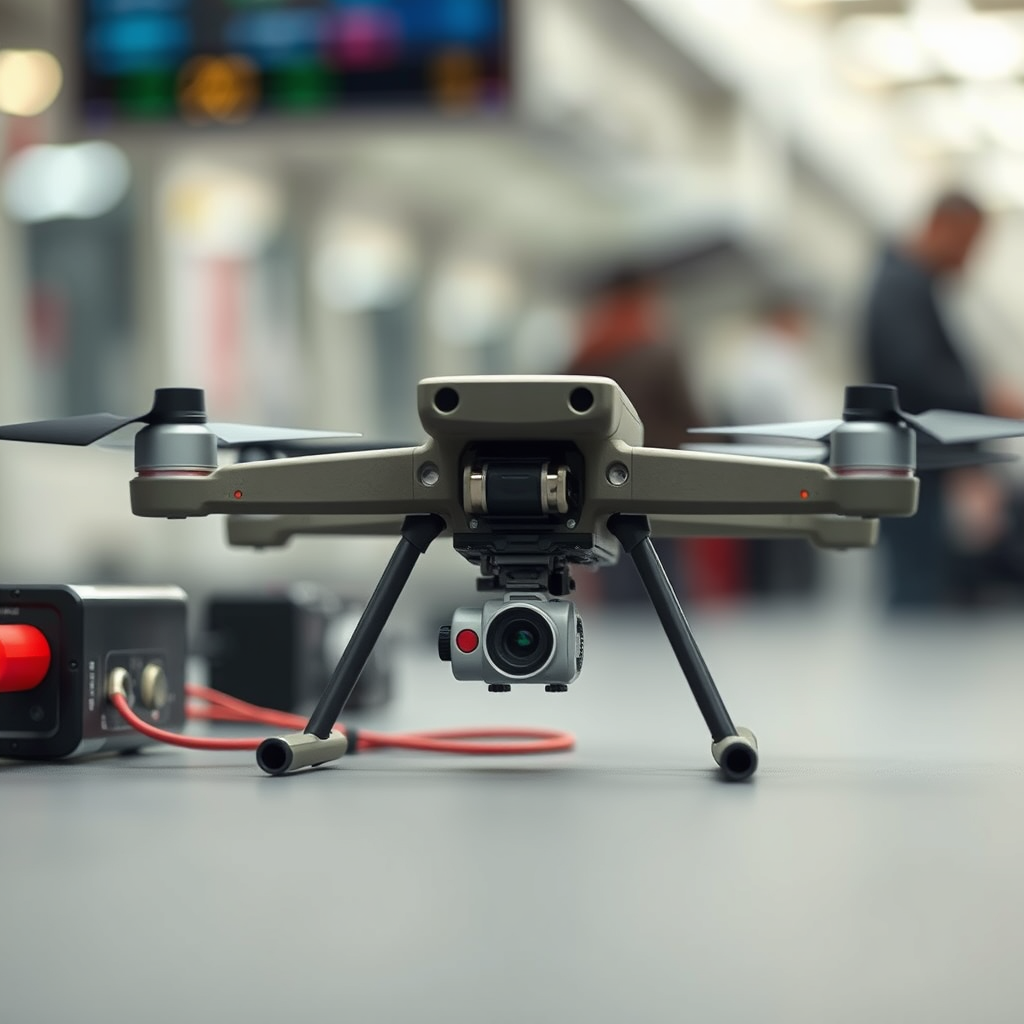
When it comes to drone batteries, lithium polymer (LiPo) batteries are the most common choice for drone enthusiasts. However, these batteries come with specific restrictions due to their volatile nature. Typically, batteries under 100 watt-hours (Wh) are allowed in carry-on luggage, making them suitable for most personal drones. For batteries rated between 100 Wh and 160 Wh, special permission is often required from the airline, and they may limit the quantity you can carry. As an example, if you are using a high-performance drone with larger batteries, like those utilized for professional cinematography, you will need to plan accordingly to comply with the regulations.
Carry-On vs. Checked Luggage
When traveling with drone batteries, it’s important to note that most airlines require lithium batteries to be carried in the cabin rather than in checked baggage. This policy is primarily due to the fire hazard that lithium batteries can pose if they overheat or are damaged. Keeping batteries in your carry-on luggage not only reduces the risk of fire hazards but also allows you to monitor their condition throughout your journey. Moreover, should an incident occur, having the batteries within arm’s reach enables you to respond more quickly. Always ensure that your batteries are adequately charged but not fully charged, as some airlines recommend keeping them at around 30-50% for safety during transit.
Packaging and Protection Requirements
Proper packaging and protection of drone batteries are essential to prevent any incidents during travel. Airlines typically require that batteries be packed in protective cases to avoid short circuits and damage. This could mean using original packaging or specialized battery cases designed to contain any potential fires. Additionally, it is advisable to use tape to cover exposed terminals, as this can prevent accidental contact with other metal objects. Ensuring that your batteries are secured and cushioned within your luggage can further minimize the risk of damage during transit. These precautionary measures not only comply with airline regulations but also demonstrate a commitment to safety.
International Travel Considerations
When traveling internationally with drone batteries, be aware that different countries may have specific regulations regarding battery transport. For instance, some countries may have strict limitations on the watt-hour rating of batteries that can be brought into the country, while others may require declarations at customs. It is crucial to familiarize yourself with the laws of your destination country before traveling, as failure to comply can result in confiscation of your batteries or fines. Additionally, some countries may have different regulations regarding drone usage in general, which may affect your ability to fly once you arrive. Researching these regulations beforehand can save you from unexpected surprises.
What to Do if Batteries Are Not Allowed
In instances where batteries are not allowed on a flight or if they exceed the allowable limits, consider alternative options. One practical solution is to purchase batteries at your destination, provided that local regulations permit it. This approach can alleviate the burden of transporting batteries through various checkpoints. Additionally, many drone rental companies offer drones that come equipped with batteries, allowing you to enjoy your flying experience without the hassle of carrying your own. This option is particularly useful for travelers who might be visiting multiple locations or who want to try out different drone models during their trip.
In conclusion, while you can bring drone batteries on a plane, adhering to the airline’s specific regulations and guidelines is essential. Understanding airline policies, knowing the types of batteries allowed, and choosing the appropriate luggage can make a significant difference in your travel experience. Additionally, being mindful of international regulations and considering alternatives when necessary will help you navigate the complexities of traveling with drone equipment. Always prepare in advance to avoid any travel complications, and enjoy your flying experience wherever your journey takes you!
Frequently Asked Questions
Can I bring drone batteries on a plane in my carry-on luggage?
Yes, you can bring drone batteries in your carry-on luggage, but there are specific regulations you must follow. Most airlines and aviation authorities allow lithium-ion batteries with a capacity of up to 100 watt-hours (Wh) to be transported in carry-on bags. However, if your batteries exceed this limit (between 100 Wh and 160 Wh), you may need to seek airline approval before flying. Always check your airline’s specific policies to ensure compliance.
How should I pack drone batteries for air travel?
When packing drone batteries for air travel, it’s essential to protect the terminals to prevent short circuits. Use battery cases or plastic bags to cover the terminals, and ensure that batteries are stored in a cool, dry place within your carry-on luggage. Additionally, it’s advisable to keep your battery charge level between 30-50% for optimal safety during transit.
Why are there restrictions on bringing drone batteries on airplanes?
Restrictions on bringing drone batteries on airplanes are primarily due to the fire risk associated with lithium-ion batteries. If damaged or improperly handled, these batteries can overheat and potentially catch fire. Airlines and aviation authorities enforce these regulations to ensure the safety of all passengers and crew on board, which is why it’s crucial to follow their guidelines regarding battery transport.
What type of drone batteries are most commonly allowed on planes?
The most commonly allowed drone batteries on planes are lithium-polymer (LiPo) and lithium-ion batteries, provided they adhere to the airline’s restrictions. Batteries with a capacity of 100 watt-hours or less are typically permitted without special approval. For batteries between 100 Wh and 160 Wh, you will need to check with your airline, as they may have additional requirements.
Which airlines have specific rules for transporting drone batteries?
Most major airlines, including American Airlines, Delta, and United, have specific rules regarding the transportation of drone batteries. These rules often include limits on battery capacity, requirements for carry-on storage, and guidelines for battery protection. It’s best to review the guidelines on the airline’s official website or contact customer service before your flight to ensure you have the latest information and avoid any travel disruptions.
References
- https://www.faa.gov/uas/getting_started/registration
- https://www.tsa.gov/travel/security-screening/whatcanibring/items/drone-batteries
- https://www.nytimes.com/2020/07/15/travel/drone-batteries-airlines.html
- https://www.dhs.gov/publication/dhs-faqs-travelers-drones
- https://www.wired.com/story/drone-batteries-air-travel/
- https://www.reuters.com/article/us-technology-drones-air-travel-idUSKBN2A20NR
- https://www.airlines.org/drones-and-air-travel/
