
Traveling with a DJI drone on a plane is generally allowed, but it comes with a set of regulations and guidelines that you must follow to ensure a smooth travel experience. Understanding the rules surrounding drone transport, including airline policies, TSA guidelines, and international regulations, is essential for any drone enthusiast looking to capture stunning aerial footage during their travels. In this article, we will delve into the specifics of bringing your DJI drone on board, packing it safely, and navigating the various restrictions imposed by airlines and countries.
Understanding Airline Regulations
When preparing to travel with your DJI drone, it’s crucial to understand that different airlines have varying policies regarding the transport of drones. Before you fly, always check the specific regulations of the airline you are flying with. Some airlines mandate that drones be packed in carry-on luggage, while others may permit them in checked baggage. For instance, American Airlines allows drones in both carry-on and checked luggage, but they recommend carrying them on for safety reasons. Conversely, budget airlines might have stricter rules, potentially not allowing drones at all. Additionally, it’s worth noting that some airlines might require that batteries be transported in their original packaging or packed separately to mitigate fire risks.
Furthermore, be aware that airlines may also impose size and weight restrictions on carry-on items. Therefore, ensure that your drone and its case comply with these limits to avoid any last-minute issues at the airport. Checking the airline’s website or calling customer service for clarification can save you time and hassle on the day of your flight.
TSA Guidelines for Drones
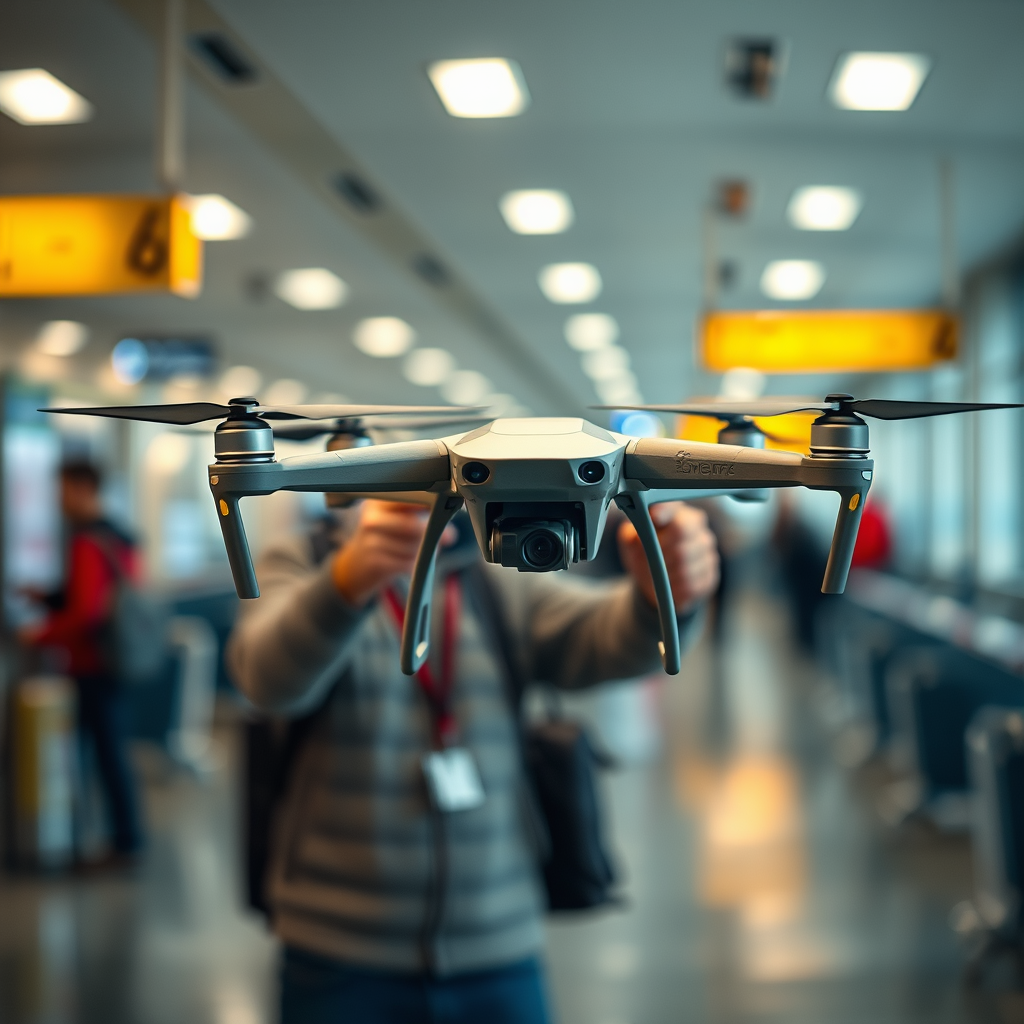
The Transportation Security Administration (TSA) has established guidelines that permit the transport of drones in carry-on bags, though they may require screening at security checkpoints. It is essential to be prepared for this, as TSA officers are trained to recognize drone components and will likely ask to inspect them closely. To facilitate a smooth screening process, you should remove your drone from its case and place it in a separate bin for X-ray screening.
Another critical aspect of TSA regulations pertains to lithium batteries, which are commonly used in drones. The TSA allows lithium-ion batteries with a watt-hour rating of up to 100 watt-hours in carry-on bags without special approval. If your battery exceeds this limit but is under 300 watt-hours, you may still transport it, but it typically requires airline approval. Moreover, batteries must be stored in a way that prevents short-circuiting, such as by using battery cases or taping over the terminals. Familiarizing yourself with these guidelines can help avoid delays and potential confiscations at the security checkpoint.
International Travel Considerations
When traveling internationally with your DJI drone, it is imperative to research and adhere to the drone regulations of your destination country. Countries such as France and Spain have specific rules regarding drone usage, including registration requirements, operational limits, and designated flying zones. For example, in the UK, drones weighing over 250 grams must be registered with the Civil Aviation Authority (CAA), and pilots must follow strict guidelines regarding where they can fly.
In addition to understanding local regulations, you should also be aware of customs requirements. Some countries may require you to declare your drone upon arrival or even provide proof of ownership. Failure to comply with these regulations can result in your drone being confiscated, leading to disappointment and potential legal issues. Therefore, conducting thorough research on the regulations of your destination will help ensure a hassle-free travel experience.
Packing Your Drone for Air Travel
Properly packing your DJI drone is vital to prevent damage during transport. Use a sturdy, protective case specifically designed for your drone model. These cases not only offer physical protection but also help with organization, ensuring that all components, including the drone itself, remote control, and extra batteries, are securely stored. A well-designed case can also facilitate easier handling at security checkpoints.
When packing your batteries, ensure they are stored in a manner that minimizes the risk of short circuits. You can use dedicated battery bags or cases that comply with transportation regulations. Additionally, consider bringing along extra propellers and other accessories, but ensure they are packed securely to avoid any movement that could lead to damage. Taking these precautions will safeguard your drone and its components, allowing you to focus on your travel experience.
Tips for Smooth Security Checks
To expedite your experience at airport security, follow some simple yet effective tips. Firstly, always remove your drone from its case and place it in a separate bin for screening. This practice not only speeds up the process but also minimizes the likelihood of any confusion or misinterpretation by TSA personnel. Additionally, be prepared to take out any batteries, as these may require separate screening.
Having your drone’s documentation on hand can also be beneficial. If you have paperwork regarding the drone’s registration or proof of ownership, keep it accessible in case security personnel request to see it. Furthermore, be courteous and cooperative with security staff; a positive attitude can go a long way in ensuring a smooth experience.
Common Misconceptions About Flying with Drones
One prevalent misconception is that drones are entirely banned on planes, which is not true. As long as you comply with the TSA and airline regulations, you can safely bring your drone on board. Understanding the limits on battery size and quantity is crucial, as many travelers unknowingly violate these rules, leading to confiscation or delays.
Another misconception is that carrying a drone is overly complicated. While regulations exist, they are manageable with proper understanding and preparation. By familiarizing yourself with the necessary guidelines, you can easily navigate the process and enjoy the benefits of bringing your drone along for your travels.
Additional Resources for Drone Travelers
To ensure you are well-informed, here are some valuable resources for drone travelers. Start by visiting the official TSA website for the most current guidelines on carrying drones and batteries. Additionally, airlines often provide detailed information about their specific drone policies on their websites, which can help you prepare accordingly.
Consider joining online drone travel forums and communities, such as those found on Reddit or dedicated drone enthusiast websites. These platforms can provide real-world experiences and tips from fellow travelers, helping you stay updated on the latest regulations and best practices. Engaging with these communities can also offer insights into specific locations where drone flying is permitted or restricted, enhancing your travel plans.
Traveling with your DJI drone can be a straightforward process if you are informed about the relevant regulations. By following airline and TSA guidelines, packing smartly, and knowing the rules of your destination, you can enjoy capturing stunning aerial footage during your trips. Always stay updated with the latest rules and consider joining drone enthusiast communities for more tips and shared experiences. With the right preparation, your drone can be an invaluable tool for capturing the beauty of your travels.
Frequently Asked Questions
Can I bring a DJI drone on a plane as carry-on luggage?
Yes, you can typically bring a DJI drone as carry-on luggage when flying. Most airlines allow personal drones in carry-on bags, but it’s crucial to check your specific airline’s policies before traveling. Additionally, ensure that your drone’s battery is within the allowed limit—usually under 100 watt-hours for lithium batteries—and always keep the batteries in your carry-on rather than checked luggage to comply with safety regulations.
What are the battery regulations for bringing a DJI drone on a plane?
When traveling with a DJI drone, you must adhere to strict battery regulations. Most airlines permit lithium-ion batteries of up to 100 watt-hours in carry-on luggage. For batteries between 100-300 watt-hours, you may need airline approval, and typically, more than two batteries over this limit are not allowed. Always check the watt-hour rating on your battery and consult your airline for specific guidelines.
How can I prepare my DJI drone for air travel?
To prepare your DJI drone for air travel, start by disassembling any detachable components like propellers and placing them in a protective case to avoid damage. Ensure that your drone and batteries are securely packed in your carry-on, and consider using a cushioned case for added protection. Additionally, familiarize yourself with the TSA guidelines and your airline’s drone policy to avoid any surprises at security checkpoints.
Why do airlines have restrictions on flying with drones?
Airlines impose restrictions on flying with drones primarily for safety and security reasons. Drones often contain lithium batteries, which can pose a fire hazard if damaged or improperly stored. Moreover, regulations help prevent potential interference with aircraft systems and ensure that travelers comply with both aviation laws and airport security protocols. Understanding these restrictions can help you navigate air travel with your DJI drone more smoothly.
Which countries have specific regulations regarding bringing drones on planes?
Regulations for bringing drones on planes can vary significantly by country. For instance, countries like Australia and Canada have stringent guidelines regarding drone transport, often requiring registration and specific documentation. Before traveling internationally with your DJI drone, research the local laws of your destination to ensure compliance and avoid potential fines or confiscation at the airport. Always check both airline and country-specific regulations for the most accurate information.
References
- https://www.faa.gov/uas/travel/
- Drones, Unmanned Aircraft Systems (UAS) | Transportation Security Administration
- https://www.airlines.org/drones-on-airplanes/
- https://www.caa.co.uk/Consumers/Unmanned-aircraft/Bringing-your-drone-on-board/
- https://www.wired.com/story/flying-with-drones/
- https://www.nytimes.com/2021/07/04/travel/drones-airport-security.html
- https://www.nrcan.gc.ca/our-natural-resources/minerals-mining/mining-resources/drone-use-airspace/22505
