
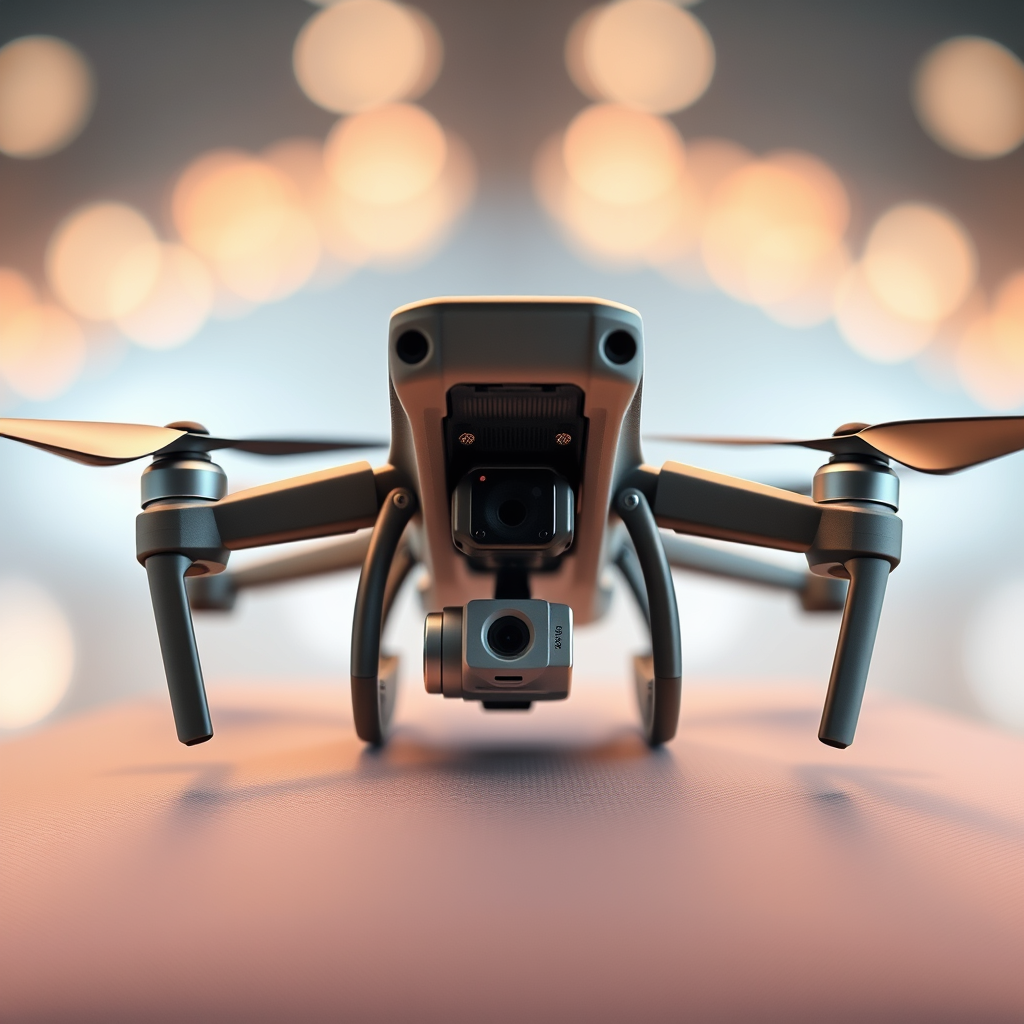
Yes, you can typically bring your drone in your carry-on luggage, but there are specific regulations and guidelines you need to follow. As the popularity of drones continues to rise among both amateur and professional photographers, travelers often wonder about the rules governing their transport. Understanding the regulations set forth by airlines and security agencies is crucial for ensuring a hassle-free travel experience with your drone. This article will delve into the specifics of airline policies, TSA guidelines, and provide essential tips for transporting your drone safely and responsibly.
Understanding Airline Regulations
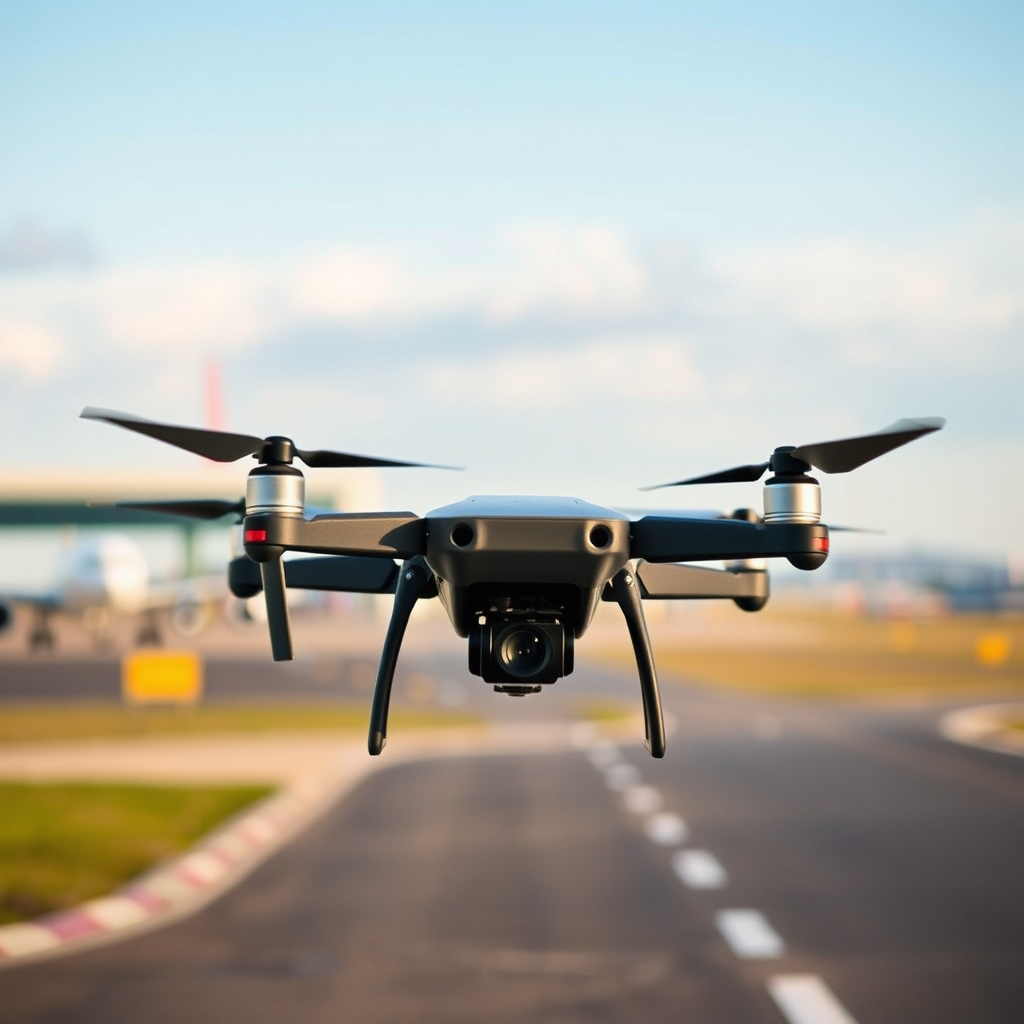
Airlines have different policies regarding the transport of drones, making it imperative to check the specific airline you are flying with before your trip. Most airlines allow drones to be packed in carry-on luggage, but they often have stringent rules concerning battery storage. For instance, many airlines require that lithium batteries, which power most drones, be kept in their original packaging or secured in a manner that prevents accidental activation. Additionally, some airlines may limit the number of batteries you can carry or impose weight restrictions. For example, airlines like American Airlines and Delta outline their regulations on their websites, providing helpful resources for travelers planning to take their drones on board. Always verify these details at least a few days before your flight to avoid any last-minute surprises.
TSA Guidelines for Drones

The Transportation Security Administration (TSA) permits drones in carry-on bags, aligning with the general trend of accommodating personal electronic devices. However, there are specific guidelines you need to follow. One of the most critical factors is the watt-hour (Wh) limit for lithium batteries. Typically, batteries must be under 100Wh to be included in your carry-on luggage. For reference, most consumer drones fall under this limit, but larger professional models may exceed it. If you have batteries that are between 100Wh and 160Wh, you may be allowed to carry them, but airlines may impose restrictions on the number you can bring. It’s advisable to check both TSA and airline guidelines to ensure compliance and avoid confiscation at security checkpoints.
Preparing Your Drone for Travel
Proper preparation can significantly enhance your travel experience with a drone. Disassembling components such as propellers not only saves space but also protects these delicate parts from damage during transit. Many drone owners opt for specialized travel cases that are designed to accommodate the drone and its accessories while offering adequate padding. A well-organized case can also make it easier to navigate through security checks. Additionally, consider labeling your drone and its components with your contact information in case of accidental separation during travel. This level of preparedness can save you time and ensure that your drone arrives at your destination in the same condition it left.
Packing Your Drone Effectively
Effective packing is key to ensuring your drone is both safe and easily accessible during your journey. Place your drone in an easily accessible compartment of your carry-on luggage to facilitate quick retrieval during security checks. TSA agents will likely need to inspect your drone, and having it readily available can expedite the process. Moreover, keeping spare batteries and accessories organized in a dedicated section of your bag can streamline any inspections. Consider using clear, resealable bags for smaller items, which can help TSA personnel quickly identify the contents without having to dig through your entire bag.
International Travel Considerations
When traveling internationally with your drone, it is essential to research and understand the drone laws in your destination country. Regulations can vary widely, from outright bans on drone usage in some countries to specific registration requirements in others. For example, countries like Canada and the United Kingdom have established guidelines that require drone pilots to obtain licenses or register their drones before flying. Additionally, some nations may impose strict import requirements, so always ensure you comply with any necessary documentation to avoid confiscation. Familiarizing yourself with these laws not only helps in avoiding legal issues but also enhances your travel experience by ensuring you can use your drone without complications.
Dealing with Security Checks
Navigating through security checks with a drone can sometimes be daunting. To minimize delays, be prepared for additional screening and inform TSA agents that you have a drone in your carry-on. Be proactive; consider removing the drone from your bag for easier inspection. This will help to clarify what the TSA agents are looking at and can significantly reduce the time spent at security. It’s also wise to arrive at the airport earlier than usual to account for any unforeseen delays, as security personnel may require additional time to inspect personal electronic devices.
Tips for Responsible Drone Use After Arrival
Once you arrive at your destination, it’s important to familiarize yourself with local drone regulations and no-fly zones. Many cities and countries have specific laws regarding where drones can be flown, often prohibiting flights near airports, government buildings, or densely populated areas. It’s crucial to respect these regulations to avoid legal repercussions and ensure the safety of others. Additionally, always adhere to privacy guidelines; capturing images or videos of individuals without their consent can lead to significant legal challenges. Engaging with local drone communities or organizations can also provide valuable insights into responsible flying practices and local regulations.
In conclusion, bringing your drone in your carry-on is generally allowed, but it’s essential to be aware of the specific regulations from airlines and security agencies. By understanding airline policies, TSA guidelines, and preparing effectively for travel, you can ensure a smooth experience. Additionally, being informed about international regulations and practicing responsible drone flying will enhance your travel experience. With the right preparations and awareness, you can enjoy capturing stunning aerial views wherever your travels take you. Happy flying!
Frequently Asked Questions
Can I bring my drone in my carry-on luggage on a plane?
Yes, you can bring your drone in your carry-on luggage when flying, but there are specific regulations you need to follow. Most airlines allow personal drones in carry-on bags, but it’s essential to check with your airline for their particular policies. Additionally, ensure that the drone’s battery complies with the TSA regulations regarding lithium-ion batteries, which generally should not exceed 100 watt-hours.
What are the TSA regulations for bringing a drone on a flight?
The TSA allows drones in carry-on luggage, provided they meet certain criteria. The drone’s lithium battery must be under 100 watt-hours to be carried in your luggage. If your drone has a battery between 100 and 300 watt-hours, you may need to seek prior approval from the airline. It’s crucial to ensure that your drone is easily accessible for security screening, as TSA officers may ask to inspect it.
Are there restrictions on flying drones at my destination?
Yes, there are often restrictions on flying drones at your destination, which can vary significantly by location. Before traveling, it’s important to research local drone regulations, including any necessary permits or restrictions on flying in certain areas, such as national parks or urban environments. Check the FAA guidelines if you’re in the United States, or consult the local aviation authority if you’re traveling internationally.
How can I safely pack my drone in my carry-on?
To safely pack your drone in your carry-on luggage, first remove the battery and pack it separately, ensuring it is cushioned to prevent damage. Use a padded case or backpack designed for drones to protect it from bumps and drops during transit. Additionally, ensure that all drone components, including propellers and controllers, are secured to prevent movement that could lead to damage.
What should I do if my drone is damaged during travel?
If your drone is damaged during travel, immediately report it to the airline or transportation provider before leaving the airport. Document the damage with photographs and retain any relevant receipts or tickets as proof for filing a claim. Most airlines have specific policies regarding damaged luggage, and it’s essential to follow their procedures to seek compensation or repair options.
References
- https://www.faa.gov/uas/traveling_with_your_drone
- https://www.tsa.gov/travel/security-screening/whatcanibring/items/drone
- https://www.wired.com/story/faa-drone-travel-rules/
- https://www.nytimes.com/2019/12/11/business/drone-carry-on-airplane.html
- https://www.nerdwallet.com/article/travel/drone-carry-on-airplane
- https://www.theguardian.com/travel/2021/jun/22/how-to-travel-with-a-drone-uk-air-travel-guidelines
- https://www.safewise.com/resources/drone-travel-guide/
