

Yes, you can take your drone to Spain, but there are specific regulations and guidelines you must follow to ensure compliance with local laws. Understanding these rules will help you enjoy your drone flying experience while avoiding potential legal issues. Spain’s drone regulations are in line with European Union standards, emphasizing safety, security, and respect for privacy. This blog post provides a comprehensive guide to ensure that your drone experience in Spain is both enjoyable and lawful.
Understanding Spain’s Drone Regulations
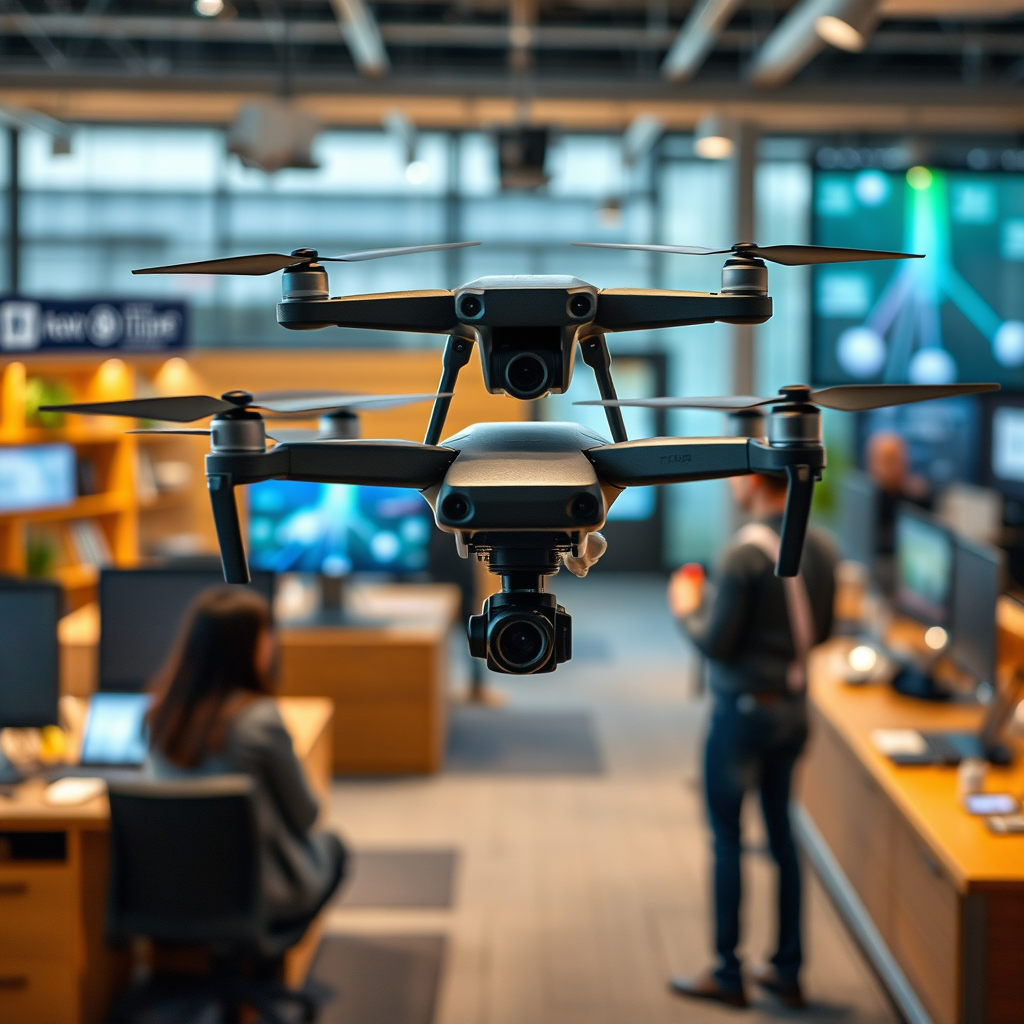
Spain adheres to stringent drone regulations established by the European Union Aviation Safety Agency (EASA). These regulations were implemented to ensure the safety of both drone operators and the general public.
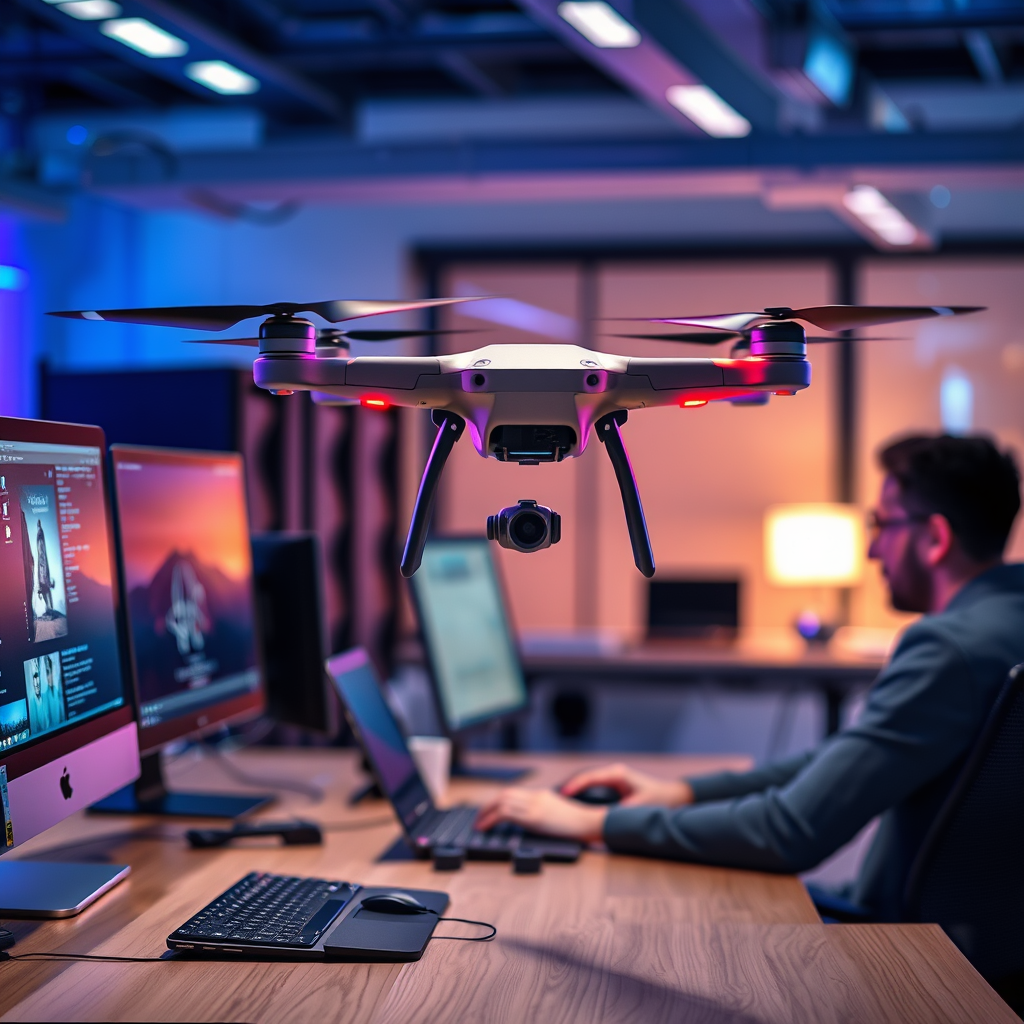
One of the first steps for any drone enthusiast is to understand weight classifications. Drones that weigh over 250 grams must be registered with the appropriate aviation authority. This registration is essential and can typically be completed online through the Spanish Aviation Safety and Security Agency (AESA) portal. Additionally, drone operators are required to obtain liability insurance, which protects against third-party damages that may occur during operations. This insurance serves as a safeguard not only for the operator but also for bystanders and property.
Understanding the classifications of drones under the EASA’s regulations is also crucial. Drones are categorized into three classes: Open, Specific, and Certified. Most recreational users will operate under the Open category, which imposes certain limitations but allows for relatively straightforward flying conditions. Familiarizing yourself with these classifications can help you navigate the regulations more easily and ensure that you are compliant.
Necessary Documentation
When flying your drone in Spain, carrying the proper documentation is paramount. First and foremost, you should always have proof of your drone’s registration and your liability insurance accessible during flights. This documentation can be in digital format, but having physical copies can also prove beneficial should you encounter authorities.
Additionally, ensure you possess a valid form of identification, such as a passport or national ID card. Certain areas, particularly those that are more sensitive in terms of security or privacy, may require specific permits for drone operations. For instance, flying in historical sites or national parks could necessitate additional permissions. Checking local regulations before setting out is essential to avoid any potential fines or legal complications.
Drone Flying Zones in Spain
Before you take to the skies, familiarize yourself with the various drone flying zones in Spain. Certain areas are designated as no-fly zones to ensure safety and reduce risks. These include urban areas with dense populations, airports, and nature reserves. Urban areas, in particular, are heavily regulated due to the high risk of accidents and privacy concerns.
Spain has also implemented drone maps that indicate restricted airspace, which can be accessed through various online platforms. For instance, the AESA website provides useful resources such as interactive maps for drone pilots to consult before flying. Understanding the local laws for specific regions is crucial as regulations may vary by city or community. For example, in some regions, you may find additional restrictions due to local laws or cultural considerations.
Always check for temporary flight restrictions (TFRs) that may be in place due to events, emergencies, or other circumstances. Staying informed about these no-fly zones will help you plan your drone activities effectively while avoiding significant legal repercussions.
Safety and Operational Guidelines
Safety should always be your top priority when operating a drone. The EASA regulations stipulate that operators must maintain a visual line of sight with their drone at all times. This means you should be able to see the drone without the aid of binoculars or other visual enhancement tools. This guideline is crucial for avoiding accidents and ensuring that you can react quickly to any issues that arise.
Moreover, the maximum altitude for flying drones in Spain is set at 120 meters (394 feet) above ground level. Staying within this limit is vital for preventing airspace conflicts, particularly with manned aircraft. Avoid flying over crowds, as this poses a significant risk to public safety and can lead to severe legal consequences.
Another important guideline is to avoid flying your drone in adverse weather conditions. High winds, rain, and fog can impair your ability to control the drone and could lead to accidents. Always conduct a pre-flight check to ensure that your drone is functioning correctly and is free from any mechanical issues.
Using Drones for Commercial Purposes
If your intent is to use your drone for commercial purposes, the regulations become even more stringent. Commercial drone operators must obtain an additional license, often referred to as an “A1/A3” certification, which requires passing an examination. This certification demonstrates that you understand the complexities of drone operations, safety measures, and regulatory compliance.
In addition to the certification, commercial pilots must adhere to stricter operational guidelines, including maintaining a higher level of insurance coverage. Depending on the nature of your business, you may also need to obtain specific permits from local authorities. For instance, if you are filming in a public space or using your drone for aerial photography, you may need to secure permissions from local governments or property owners.
Compliance with local business laws is critical. This may involve registering your business and paying applicable taxes, especially if you are providing services for remuneration. Ensure you are fully informed about the legal landscape for commercial drone operations in Spain to avoid unexpected complications.
Tips for a Smooth Experience
To make your drone experience in Spain as enjoyable as possible, consider these practical tips. First, research local customs and etiquette related to drone usage. Engaging with local drone communities can provide valuable insights and support. Many cities have clubs or online forums where drone enthusiasts share information and experiences.
Being respectful of others is also crucial. If you plan to fly in populated areas, communicate your intentions with people nearby to avoid misunderstandings or concerns about privacy. Additionally, be courteous and considerate of local wildlife, particularly in nature reserves where drones may disturb animals.
Lastly, keeping up-to-date with the latest regulations and changes to drone laws in Spain is essential. The drone landscape is continually evolving, and new rules can be introduced that may affect how you fly. Following aviation news and updates from the EASA or AESA can help you stay informed.
In conclusion, while you can bring your drone to Spain, it is crucial to be aware of and adhere to local regulations to ensure a safe and enjoyable experience. From understanding drone classifications and required documentation to familiarizing yourself with no-fly zones and operational guidelines, being well-prepared is key. Additionally, if you plan to operate your drone commercially, ensure you comply with all licensing and business regulations. By staying informed and respectful of local laws, you can make the most of your drone adventure in Spain.
Frequently Asked Questions
Can I take my drone to Spain without registering it?
Yes, you can take your drone to Spain, but registration is required for drones weighing more than 250 grams. If your drone falls into this category, you must register it with the Spanish aviation authority (AESA) before flying. Additionally, all drone operators must adhere to European Union regulations, which include obtaining a drone pilot certificate for certain categories of drone use.
What are the regulations for flying a drone in Spain?
In Spain, drone regulations are governed by EU law, which includes rules such as maintaining a visual line of sight with your drone, flying below 120 meters, and avoiding populated areas and large gatherings. It is also prohibited to fly near airports, military bases, or other restricted zones without prior authorization. Always check the local laws and airspace restrictions to ensure compliance and safe flying.
How can I find out if I can fly my drone in a specific area in Spain?
To determine if you can fly your drone in a specific area in Spain, you can use online resources such as the official Spanish aviation authority (AESA) website or drone mapping apps that provide real-time information regarding airspace restrictions. Additionally, local government websites may offer guidance on specific areas where drone flying is either allowed or prohibited, ensuring you stay within legal parameters.
Why do I need insurance for my drone when flying in Spain?
Having insurance for your drone is not just a recommendation but a legal requirement for certain types of drone operations in Spain. Insurance covers potential damages or injuries caused by your drone, protecting both you and others in case of accidents. It is advisable to check with your insurance provider to ensure you have the necessary coverage that meets Spanish regulations.
Which drone models are best suited for travel to Spain?
When traveling to Spain with a drone, consider lightweight and portable models that are easy to carry, such as the DJI Mini series or the Parrot Anafi. These drones have excellent battery life, high-quality cameras, and comply with EU regulations. Additionally, ensure that your chosen model has features like GPS stabilization and safe flight modes, enhancing your flying experience in diverse environments across Spain.
References
- https://www.gov.uk/guidance/drone-safety
- https://www.aviation.gov.au/aircraft/drone-safety
- https://www.easa.europa.eu/domains/civil-drones
- https://www.faa.gov/uas/getting_started/registration/
- https://www.wired.com/story/eu-drone-regulations-explained/
- https://www.reuters.com/article/us-spain-drone-idUSKBN2A10L1
- https://www.euronews.com/living/2021/01/14/how-europe-s-new-drone-regulations-will-change-the-sky-above-your-head
- https://www.bbc.com/news/world-europe-46625108
