
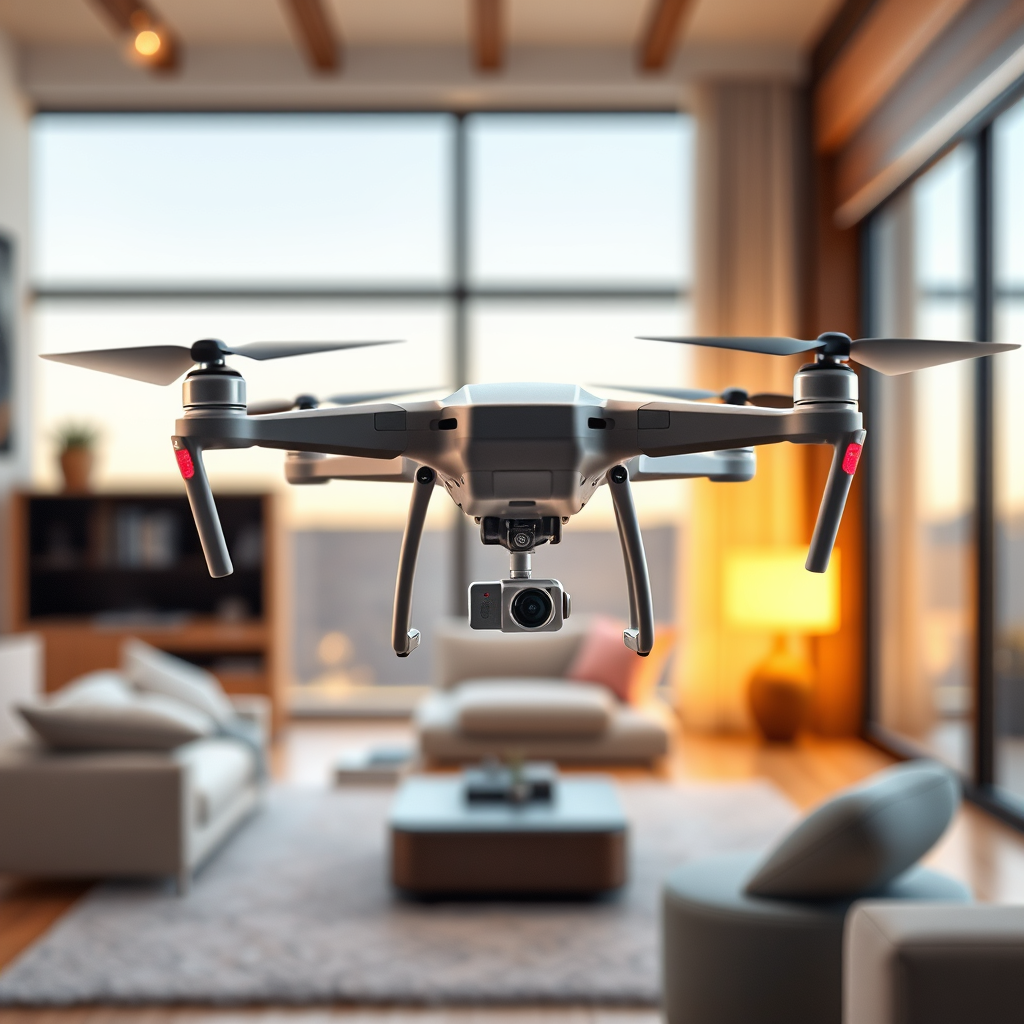
Yes, you can buy a drone! However, there are several factors to consider before making your purchase. The burgeoning drone market offers a plethora of options, from recreational devices to sophisticated commercial equipment, each with its own set of features and legal stipulations. This guide will help you navigate the options available, legal requirements, and tips for choosing the right drone for your needs, ensuring you make an informed decision.
Understanding Drone Types
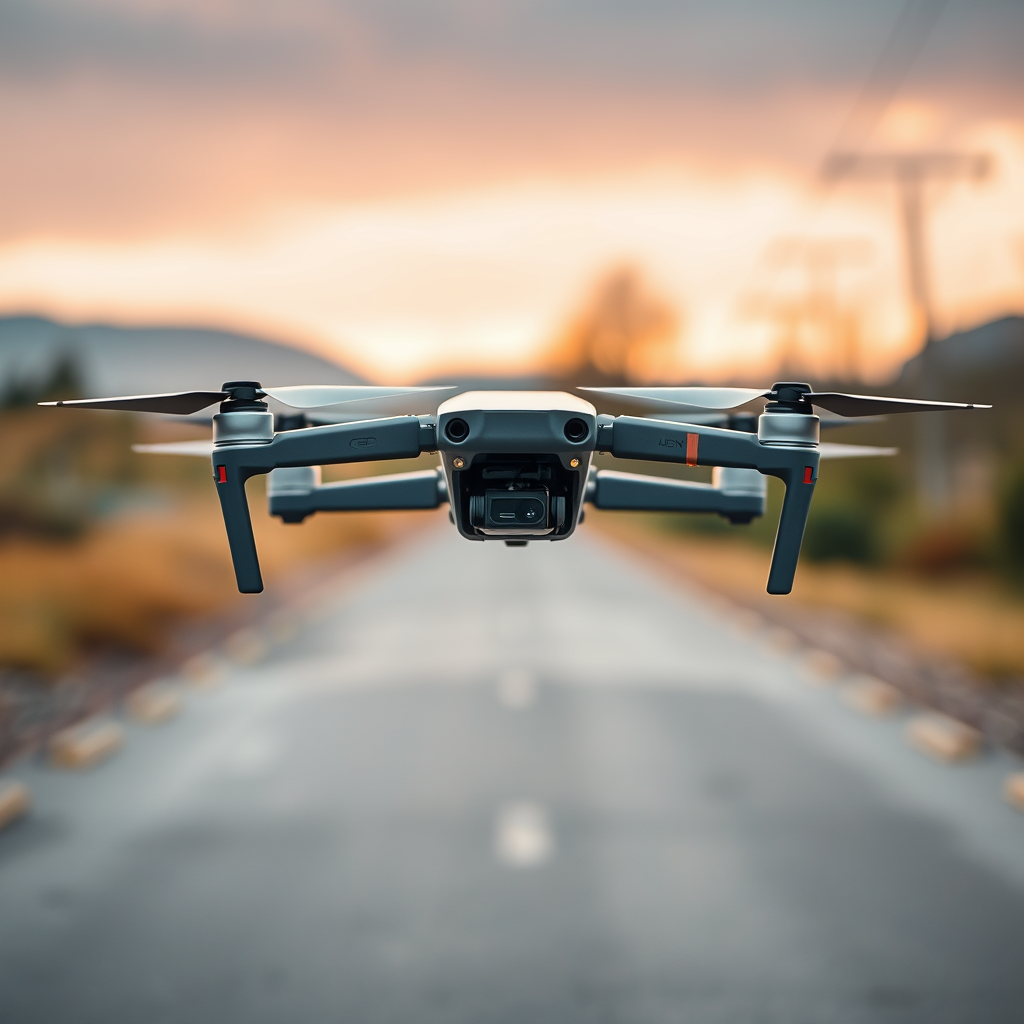
When considering the purchase of a drone, it is crucial to understand the different types available on the market, primarily categorized into recreational and commercial use. Recreational drones are designed for hobbyists and typically feature user-friendly controls and basic camera capabilities, making them ideal for casual photography and fun flying. On the other hand, commercial drones are built for professional applications such as aerial photography, surveying, agriculture, and delivery services. These models often come equipped with advanced features such as high-resolution cameras, extended flight times, and enhanced stability.
Key features and specifications become pivotal when determining which drone suits your needs. Important considerations include weight, battery life, camera resolution, and flight range. For example, a drone weighing over 0.55 pounds must adhere to FAA regulations, while models designed for high-level photography may require advanced gimbals and stabilization technology. Take the time to assess your intended use to choose the right type of drone that aligns with your objectives.
Legal Considerations
Before purchasing a drone, it’s essential to familiarize yourself with the legal landscape governing drone ownership. In the United States, the Federal Aviation Administration (FAA) regulates the use of airspace and requires drone operators to adhere to specific guidelines. Understanding these regulations is crucial to avoid potential fines or penalties.
One of the primary legal considerations is the requirement for drone registration. As of the current regulations, any drone weighing over 0.55 pounds must be registered with the FAA, which involves filling out a simple online form and paying a nominal fee. Additionally, drone operators must adhere to operational guidelines, such as maintaining a visual line of sight with the drone, avoiding restricted airspace, and respecting privacy laws when capturing images or videos.
Setting a Budget
Setting a budget is a fundamental step in the drone-buying process. Drones can range in price from a few hundred dollars to several thousand, depending on their features and intended use. For recreational drones, you might find reliable models priced between $100 and $500, offering decent quality for casual users. Conversely, professional-grade drones, equipped with high-end cameras and advanced features, can easily exceed $1,500.
In addition to the initial purchase price, it is vital to consider additional costs involved in owning a drone. Accessories such as extra batteries, carrying cases, and propeller guards can add to your investment. Moreover, consider the potential costs for insurance, which can protect your investment and provide coverage in case of accidents. Regular maintenance should also be factored into your budget, as drone components may need replacement over time.
Choosing the Right Features
Choosing the right features is paramount to ensuring your drone meets your specific needs. For instance, if aerial photography is your primary interest, camera quality should be high on your list of priorities. Drones with 4K video capabilities and adjustable gimbals can significantly enhance your shooting experience. Additionally, consider flight time, as drones typically range from 20 to 30 minutes on a single charge, with higher-end models providing longer durations.
Other advanced technological options can greatly enhance your flying experience. GPS functionality allows for precise positioning and automated flight paths, while obstacle avoidance technology can help prevent crashes during flight. Features such as follow-me modes and return-to-home functions can also add convenience and safety, particularly for beginners.
Where to Buy a Drone
When it comes to purchasing a drone, buyers have the option of online retailers or local stores. Online platforms like Amazon, Best Buy, and specialized drone retailers often provide a wider selection and competitive pricing. However, buying from a local store can offer personalized advice and the ability to inspect the drone before purchase.
One significant advantage of purchasing from certified dealers is the assurance of quality and support. Authorized retailers often provide warranties and customer service that can be invaluable for first-time drone owners. Additionally, you might find demo models available for testing, which can help you make a more informed decision.
Tips for First-Time Drone Owners
For first-time drone owners, learning to fly can be both exciting and daunting. It is advisable to start with a less expensive model to gain experience before investing in a more advanced drone. Many drones come equipped with beginner-friendly features such as altitude hold and one-key takeoff, which can facilitate the learning process.
Utilizing online resources for tutorials and community support can also be beneficial. Websites like YouTube offer countless instructional videos, while forums and social media groups provide platforms for connecting with fellow drone enthusiasts. Engaging with these communities can help you learn best practices and troubleshoot any challenges you may encounter.
Maintenance and Care
Proper maintenance and care are essential for prolonging the life of your drone. Regular inspections of the propellers, motors, and battery are vital to ensure optimal performance. After each flight, it is advisable to clean the drone, checking for debris or damage that could affect future flights.
Additionally, familiarizing yourself with common troubleshooting issues can save you time and frustration. For example, if your drone experiences connectivity problems, resetting the controller or recalibrating the drone may resolve the issue. Keeping an eye on firmware updates is also important, as manufacturers often release updates that improve performance and add new features.
In conclusion, buying a drone involves understanding various factors such as types, legal requirements, and features. By following this guide, you will be well-equipped to make an informed purchase, navigate the regulations, and enjoy your new drone responsibly. Whether for recreational use or professional applications, the world of drones offers exciting possibilities for exploration and creativity.
Frequently Asked Questions
Can I buy a drone for recreational use?
Yes, you can buy a drone for recreational use, but it’s essential to adhere to local regulations and guidelines. In many countries, including the United States, the Federal Aviation Administration (FAA) requires hobbyists to register their drones if they weigh more than 0.55 pounds. Additionally, you should always fly your drone below 400 feet, avoid flying near airports, and respect the privacy of others.
What are the legal requirements for purchasing a drone?
Legal requirements for purchasing a drone vary by country and region. In the U.S., all drones over 0.55 pounds must be registered with the FAA, and pilots must follow specific rules regarding flying in controlled airspace and near people. Before buying a drone, check your local regulations, which may include drone registration, pilot certifications, and restrictions on where you can fly.
How do I choose the best drone for beginners?
To choose the best drone for beginners, consider factors such as ease of use, flight time, camera quality, and price. Look for drones with features like altitude hold, one-key takeoff/landing, and GPS functionality, which can simplify the flying experience. Popular beginner models include the DJI Mini SE and the Holy Stone HS720, both of which offer great value and user-friendly controls.
Why are drones so expensive, and what should I look for in a budget-friendly option?
Drones can be expensive due to advanced technology like high-resolution cameras, GPS stabilization, and long-range capabilities. When looking for a budget-friendly option, prioritize essential features such as stable flight performance, decent battery life, and a camera that meets your needs. Models like the Potensic D80 or the Snaptain SP350 are cost-effective choices that still deliver quality performance without breaking the bank.
Which drones are best for aerial photography and videography?
The best drones for aerial photography and videography typically feature high-resolution cameras, gimbal stabilization, and extended flight times. Popular models include the DJI Mavic Air 2, known for its impressive 48MP camera and 4K video capabilities, and the Autel Robotics EVO Lite+, which offers excellent image quality and a longer flight range. When selecting a drone for photography, consider your specific needs, such as portability, budget, and camera specifications.
References
- https://en.wikipedia.org/wiki/Drone
- https://www.faa.gov/uas/getting_started/
- https://www.nytimes.com/2020/01/06/business/drone-delivery.html
- https://www.reuters.com/article/us-technology-drones-idUSKBN1XC0V4
- https://www.theguardian.com/technology/2019/jun/10/the-dream-of-delivery-drones-is-in-the-air-but-are-they-safe
- https://www.nps.gov/articles/drones-in-parks.htm
- https://www.techcrunch.com/2021/04/30/how-to-buy-a-drone/
- https://www.cnet.com/tech/mobile/how-to-choose-the-right-drone/
- https://www.nasa.gov/feature/nasa-s-drones-are-opening-the-door-to-new-applications
