

Yes, you can carry a drone in your carry-on luggage, but there are specific regulations and guidelines you must follow. Understanding these rules can help ensure a smooth travel experience with your drone. Whether you’re a professional aerial photographer or a recreational hobbyist, being informed about the requirements set forth by airlines and regulatory bodies is crucial to avoid any inconveniences at the airport.
Understanding Airline Policies
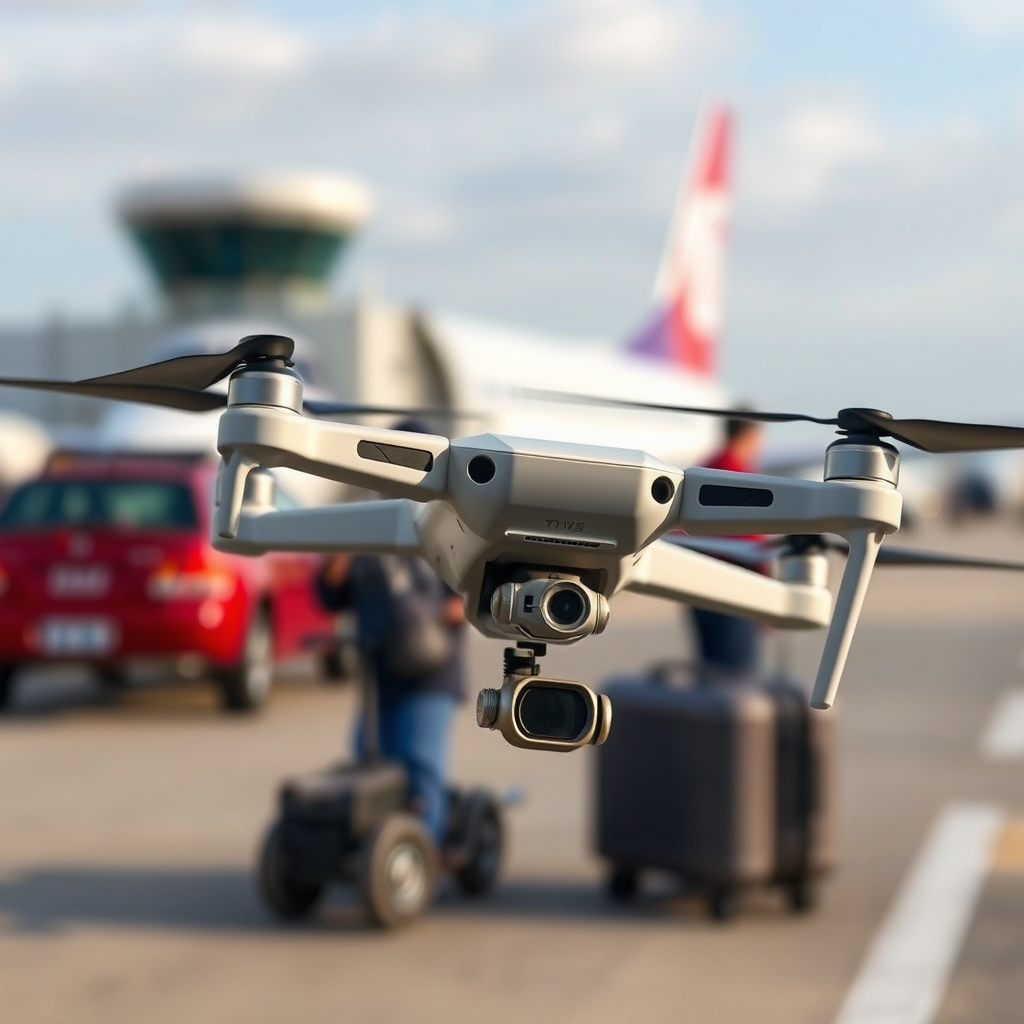
When traveling with a drone, it’s essential to recognize that different airlines have varying policies regarding the transport of drones in carry-on luggage. For instance, while some airlines may allow drones without restrictions, others might have specific size, weight, or battery limitations. Additionally, certain airlines may enforce rules that prohibit drones entirely for safety or logistical reasons.
To ensure a seamless travel experience, always check the specific airline’s guidelines before traveling. This can usually be done on the airline’s website or by contacting their customer service. Pay attention to any updates to their policies as regulations can evolve, especially in light of increasing air traffic and safety concerns.
TSA Regulations for Drones
The Transportation Security Administration (TSA) permits drones to be carried in carry-on bags, but there are particular regulations that must be adhered to. One of the primary considerations is the storage of batteries, especially lithium-ion batteries, which are commonly used in drones. The TSA has established that batteries must not exceed a certain watt-hour rating—typically 100 watt-hours per battery for carry-on luggage.
Moreover, if you are traveling with multiple batteries, it is advisable to keep them in their original packaging or to use protective cases to prevent short-circuiting. Some airlines may have stricter guidelines, so always verify these specifics. Following TSA regulations not only ensures compliance but also enhances safety during your flight.
Preparing Your Drone for Travel
Proper preparation of your drone is crucial to prevent damage during transport. Start by removing any propellers and securing loose parts, as these components can easily break or become dislodged during travel. It is also wise to use a protective case or bag designed specifically for drones. These cases not only provide cushioning but also allow for organized storage of accessories, such as batteries, chargers, and remote controls.
Furthermore, ensure that your drone is clean and free of dirt or debris before packing it away. This is particularly important if you are traveling internationally, as some countries may have strict regulations regarding the importation of foreign soil.
International Travel Considerations
Traveling with a drone internationally introduces additional complexities, as each country has its own regulations regarding drone use. Before packing your drone, research the rules and regulations of your destination country. For example, countries like Canada and the United Kingdom have specific guidelines regarding drone weight, registration, and the need for permits in certain areas.
Some countries may even have complete bans on drone usage in specific locations, such as near airports or military installations. Failing to comply with these regulations can result in heavy fines or confiscation of your drone. Therefore, it is advisable to familiarize yourself with the local laws and, if necessary, obtain any required permits before your trip.
Security Screening Process
During the security screening process, be prepared to remove your drone from your carry-on bag. Security personnel may need to inspect the drone to ensure it poses no risk. To facilitate a smoother screening process, ensure that your drone is easily accessible and packed neatly within your bag.
It is also beneficial to arrive at the airport early, as additional screening or inquiries regarding your drone could prolong your time at security. Being proactive can help you avoid delays and reduce stress before your flight.
Packing Tips for Drones
When packing your drone, consider investing in high-quality foam padding or a hard case that provides ample protection for your drone and its accessories. Ensure the case is compact enough to fit within the carry-on size limits set by airlines while providing adequate protection against impacts and vibrations during transit.
Keep essential items, such as batteries and chargers, in your carry-on for easy access. This not only complies with TSA regulations but also ensures that you have everything needed to operate your drone once you reach your destination. Additionally, consider labeling your drone and its components with your contact information, especially if you are traveling to a foreign country. This can be helpful in case your items are lost or misplaced.
What to Do if Denied Boarding
In the unfortunate event that you are denied boarding due to your drone not being permitted, it is essential to know your rights as a passenger. Familiarize yourself with the airline’s policy on carrying drones and be prepared to present documentation that outlines the regulations for traveling with drones.
If your drone is not allowed on board, inquire about options for shipping it to your destination or checking it as luggage, if that is a possibility. Airlines are required to provide you with clear information regarding your rights and potential recourse, so do not hesitate to ask for assistance.
In summary, carrying a drone in your carry-on luggage is generally permitted, but it’s essential to familiarize yourself with airline and TSA regulations, as well as international laws. By following these guidelines, you can enjoy a hassle-free travel experience with your drone. Being proactive in your preparations will not only help you avoid problems at the airport but will also allow you to focus on capturing stunning aerial footage at your destination.
Frequently Asked Questions
Can I carry my drone in my carry-on luggage when flying?
Yes, you can typically carry your drone in your carry-on luggage when flying. However, it’s essential to check the airline’s specific regulations regarding drones, as policies can vary. Most airlines allow drones in carry-on bags, but you must ensure that the battery is properly stored and meets the airline’s requirements for lithium batteries.
What are the TSA regulations for carrying drones on a plane?
The Transportation Security Administration (TSA) allows passengers to bring drones in their carry-on luggage, but you should be prepared for security screening. Make sure to remove the drone from your bag during the screening process, as TSA agents may need to inspect it. Additionally, ensure that the drone and its batteries comply with the size and watt-hour limits for lithium batteries to avoid issues.
How do I prepare my drone for air travel?
To prepare your drone for air travel, start by removing the batteries and storing them in a protective case, as they should be carried in your carry-on luggage. Ensure that your drone is clean and free of any dirt or debris that could raise concerns during security checks. It’s also a good idea to familiarize yourself with the drone’s manufacturer guidelines and any regulations at your destination to ensure compliance.
Why do airlines have restrictions on flying drones?
Airlines impose restrictions on flying drones primarily for safety and security reasons. Drones can pose risks if they interfere with aircraft operations or if they are not operated responsibly. Additionally, some destinations may have strict regulations regarding drone use due to privacy concerns or local laws, which is why it’s crucial to research the regulations of your destination before traveling with your drone.
Which drones are allowed in carry-on luggage?
Generally, most consumer drones are allowed in carry-on luggage, but it’s essential to check the specifications of your particular model. Drones that comply with the TSA’s lithium battery regulations (under 100 watt-hours) are typically permitted. However, larger commercial drones or those with higher battery capacities may face restrictions, so always verify both the airline’s and TSA’s policies before your flight.
References
- https://www.faa.gov/uas/getting_started/know_before_you_fly
- https://www.tsa.gov/travel/security-screening/whatcanibring
- https://www.wikihow.com/Travel-with-a-Drone
- https://www.theguardian.com/technology/2021/jun/17/drone-travel-what-you-need-to-know
- https://www.nyc.gov/assets/dot/downloads/pdf/transportation/drone-faqs.pdf
- https://www.faa.gov/uas/registration/
- https://www.cnet.com/tech/mobile/what-you-need-to-know-about-flying-with-a-drone/
