
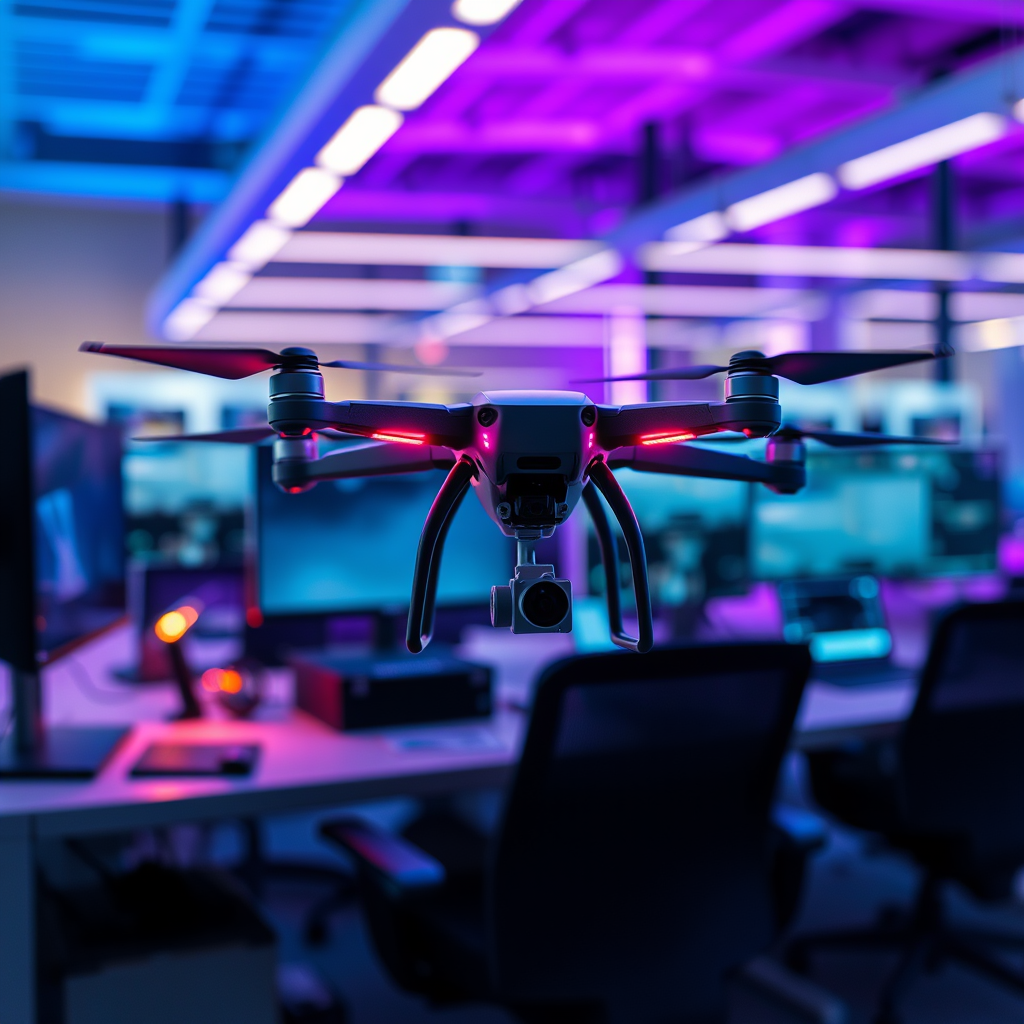
Yes, you can carry a drone on an airplane, but there are specific regulations and guidelines you must follow. Understanding these rules is crucial for a smooth travel experience, as different airlines and countries have varying policies regarding drones. Proper preparation can ensure that your drone travels safely alongside you, allowing you to capture stunning aerial footage at your destination without encountering legal or logistical roadblocks.
Understanding Airline Regulations

Each airline has its own rules regarding drone transport, so it is essential to check specific policies before flying. Most airlines allow drones in carry-on luggage, recognizing their popularity among travelers and hobbyists. However, restrictions often apply, particularly concerning battery sizes and types. For example, American Airlines permits drones in carry-on bags but limits lithium batteries to a maximum of 160 watt-hours. It’s advisable to contact your airline directly or consult their website before packing your drone to ensure compliance with their regulations.
Additionally, some airlines may have specific weight restrictions for carry-on items. Knowing these details in advance can help you avoid surprises at the airport. If traveling internationally, ensure that the airline’s policies align with the regulations of your destination country, as discrepancies could lead to complications during transit.
TSA Guidelines for Drones
The Transportation Security Administration (TSA) allows drones in carry-on bags but may require additional screening at security checkpoints. When traveling with a drone, it is wise to prepare for the possibility that security personnel will ask to inspect your equipment thoroughly. This may include unpacking your drone and its components, such as batteries and remote controls.
Batteries must be stored properly to comply with TSA guidelines. Lithium-ion batteries, which are common in drone technology, must generally be under a certain watt-hour limit—usually 100 watt-hours for carry-on bags. If your drone’s battery exceeds this limit, you may be required to check it in your luggage, which is often discouraged due to safety concerns. Always ensure batteries are stored in protective cases or pouches to prevent short-circuiting, and consider bringing additional batteries if you plan extended flights at your destination.
International Travel Considerations
Different countries have unique rules about drone importation and usage, so research your destination’s regulations well in advance. Some countries may require permits or registration for drones, even for personal use. For instance, in the United Kingdom, drone operators must adhere to strict guidelines established by the Civil Aviation Authority (CAA), including obtaining a flyer ID if the drone weighs more than 250 grams.
In some regions, such as parts of Southeast Asia, there are outright bans on drone usage without specific permissions. Failing to comply with these regulations can result in fines or the confiscation of your drone. Before traveling, consult resources such as the International Civil Aviation Organization (ICAO) or local drone communities online to gather insights on the rules that apply to your destination.
Packing Your Drone for Travel
When packing your drone for travel, it’s essential to use a padded case to protect your drone and accessories during transit. A high-quality, hard-shell case can provide adequate protection against impact and keep your equipment safe from potential damage. Look for cases specifically designed for your drone model, as they often include compartments for batteries, remote controls, and additional accessories.
Keeping all components organized not only protects your equipment but also facilitates security checks, as you may need to remove your drone and batteries from the case for inspection. Additionally, labeling your case can help identify it easily on baggage claim if checked, further reducing the risk of loss or confusion.
Insurance and Liability
Traveling with a drone also raises considerations regarding insurance and liability. Consider purchasing travel insurance that covers drone damage or loss, especially if you are traveling internationally. Many standard travel insurance policies do not cover drones, so it’s essential to look for specific coverage options that include drone-related incidents.
Moreover, check if your drone’s warranty covers international travel. Some manufacturers may void warranties if the drone is used outside of the country of purchase, which could lead to significant costs if repairs or replacements are needed. Understanding your insurance options can provide peace of mind as you travel with your valuable equipment.
Using Your Drone After Arrival
Once you arrive at your destination, it’s crucial to familiarize yourself with local drone laws before flying. Regulations can vary significantly from one place to another, and many cities or regions have specific guidelines on where and how drones can be operated. For example, many urban areas may restrict flights near airports, schools, or populated spaces to ensure safety.
Additionally, be aware that local authorities may enforce laws regarding drone usage strictly. Following guidelines helps avoid fines or confiscation of your drone by authorities. Joining local drone enthusiast groups or forums can provide valuable insights into the local flying environment and regulations, enhancing your overall experience.
In conclusion, carrying a drone on an airplane is possible, but it requires careful planning and an understanding of regulations. Always check with your airline and destination country to ensure compliance with their specific rules regarding drone transport and usage. By preparing adequately, you can ensure a seamless travel experience and enjoy capturing breathtaking aerial perspectives once you arrive at your destination. Happy flying!
Frequently Asked Questions
Can I carry my drone on an airplane as a carry-on item?
Yes, you can carry your drone on an airplane as a carry-on item, but it must comply with airline regulations and security guidelines. Most airlines allow small drones as carry-ons, but it’s crucial to check the specific airline’s policy regarding drone dimensions and battery limits before your flight. Additionally, ensure your drone’s lithium batteries are under the allowed watt-hour limit, typically 100Wh for carry-on bags.
What are the regulations for transporting drones on international flights?
When transporting drones on international flights, regulations can vary significantly by country. It’s essential to check the drone regulations of both your departure and destination countries. Some countries may require drone registration, while others might have restrictions on flying drones altogether. Additionally, always ensure that your drone complies with the International Air Transport Association (IATA) guidelines regarding battery transport.
How should I pack my drone for air travel to avoid damage?
To avoid damage to your drone during air travel, pack it in a hard-shell case designed for drones, which provides adequate protection against impacts. Remove any propellers and batteries, as these can be easily damaged or cause issues during security checks. Additionally, consider using foam inserts or bubble wrap for cushioning and ensure that the case is clearly labeled as fragile.
Why do airlines have restrictions on drone batteries?
Airlines impose restrictions on drone batteries primarily due to safety concerns associated with lithium batteries, which can pose a fire risk if damaged or improperly stored. By limiting the watt-hour capacity and requiring that batteries be carried in carry-on luggage rather than checked baggage, airlines aim to mitigate potential hazards. Always check the specific battery guidelines of your airline to ensure compliance before traveling.
Which drones are allowed on airplanes under TSA guidelines?
Under TSA guidelines, most consumer drones are allowed on airplanes, provided they meet specific requirements regarding size and battery capacity. Generally, drones that weigh less than 55 pounds and have batteries with a maximum capacity of 100Wh can be carried on. However, it is vital to consult the TSA website or your airline’s policies for the most current and detailed information before your trip.
References
- https://www.faa.gov/uas/travel
- https://www.tsa.gov/travel/security-screening/whatcanibring/items/drone
- https://www.wired.com/story/faa-drone-rules-2021/
- https://www.nytimes.com/2020/07/30/technology/drones-airplanes-safety.html
- https://www.abcnews.go.com/US/drone-carry-airplane/story?id=68876182
- https://www.bbc.com/news/technology-56447641
