
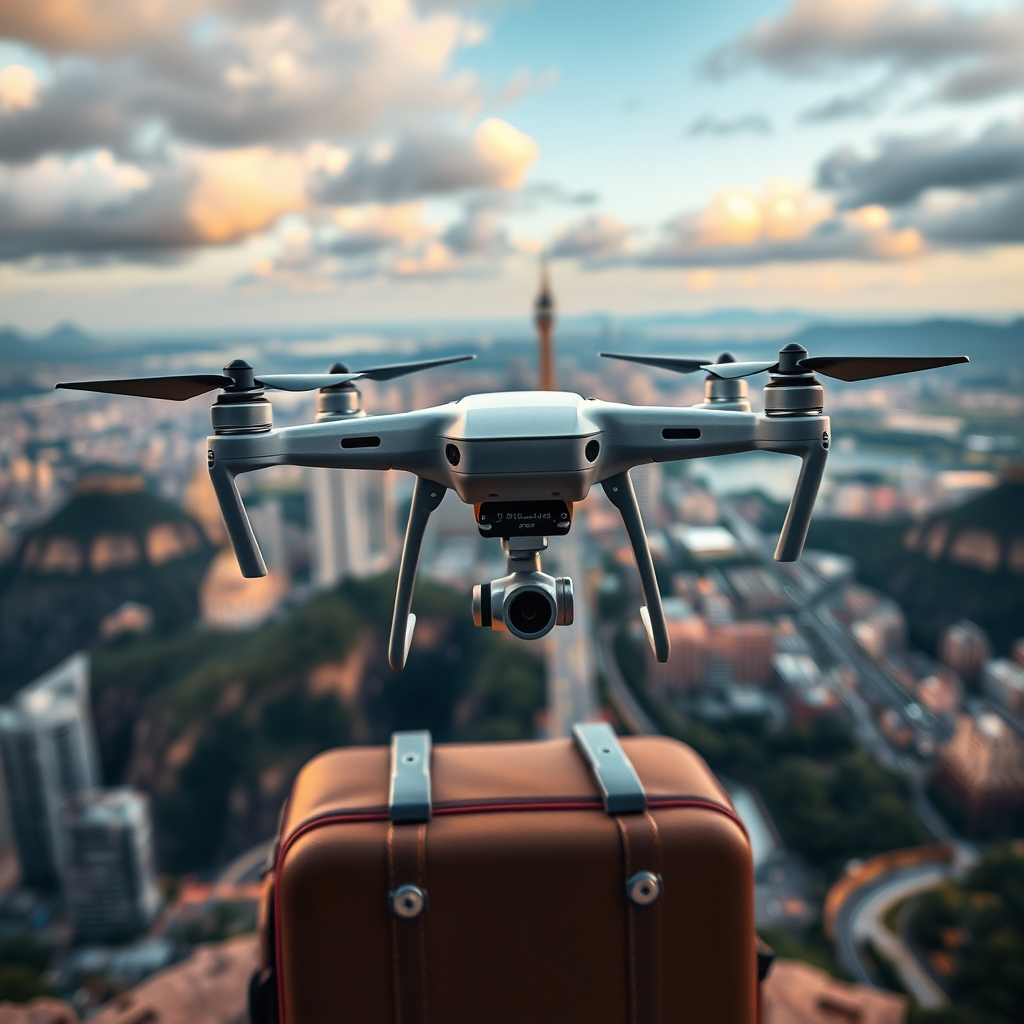
Yes, you can carry a drone onboard a flight, but there are specific regulations and guidelines you must follow. Understanding airline policies and the rules set by aviation authorities will help ensure a smooth travel experience with your drone. As drone usage becomes increasingly popular for both recreational and professional purposes, it’s essential to be well-informed about the regulations surrounding air travel with these devices. This guide will delve into the critical aspects of carrying a drone on a flight, helping you navigate the complexities of airline and security regulations.
Understanding Airline Policies
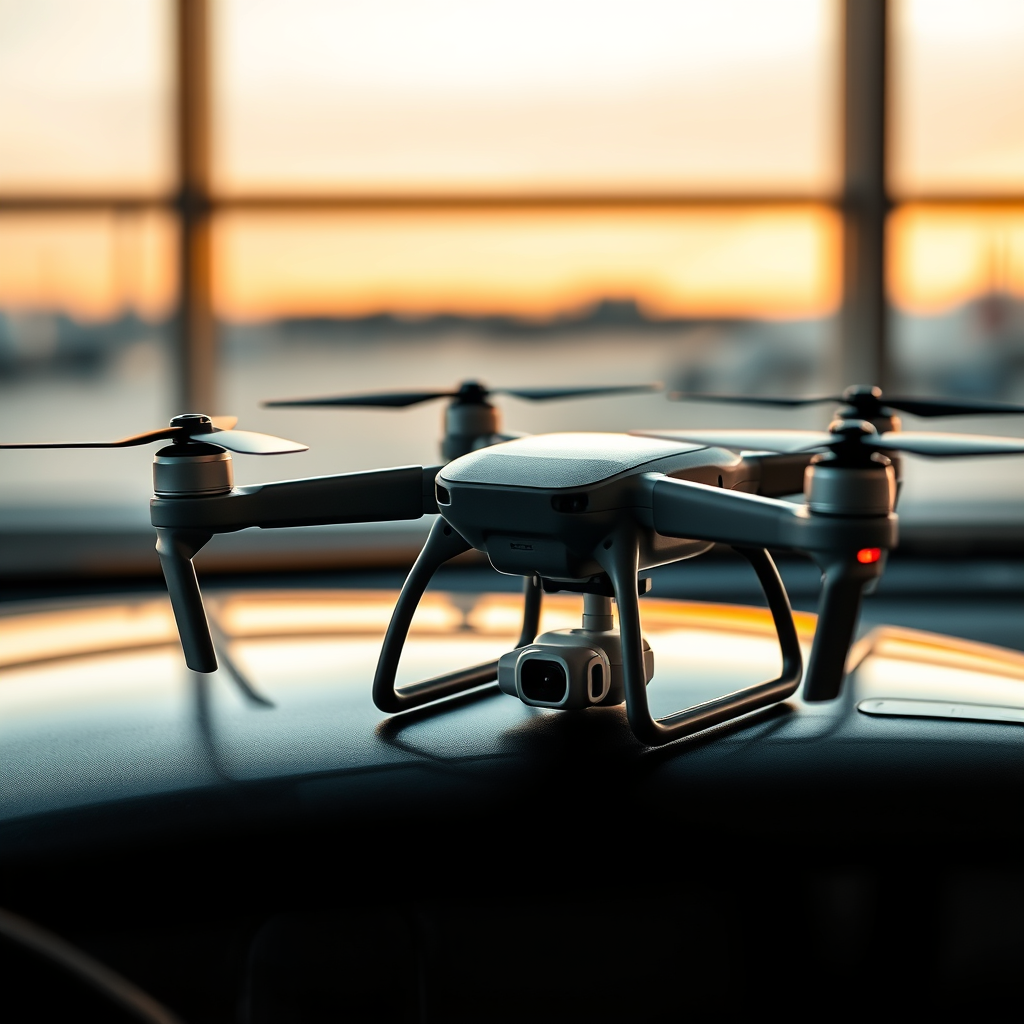
Each airline has its own regulations regarding carrying drones onboard, and these can vary significantly between carriers. While many airlines permit drones in carry-on luggage, they may impose specific size and weight restrictions. For instance, some airlines might only allow smaller drones that fit within certain dimensions, while others may have weight limits that could affect larger models. It is crucial to check individual airline websites for detailed policies before you travel. Additionally, consider reaching out to customer service representatives if you have any uncertainties regarding your specific drone model. Familiarizing yourself with these guidelines can prevent last-minute surprises at the airport.
TSA Guidelines for Drones
The Transportation Security Administration (TSA) generally allows drones in carry-on luggage, but there are essential guidelines that travelers must adhere to. Drones should be packed securely to prevent damage or accidental activation during security checks. It’s advisable to store your drone in its original case or a padded bag that provides adequate protection. During the security screening process, be prepared to remove your drone from its case, as TSA agents may need to inspect it separately. Additionally, if your drone contains sensitive equipment, such as cameras or specialized sensors, it’s helpful to inform TSA agents upfront to expedite the screening process and ensure their understanding of the device.
Battery Regulations
Lithium batteries used in drones are subject to strict regulations due to their potential fire hazard. The TSA and most airlines permit lithium-ion batteries under a specific watt-hour (Wh) limit—typically 100Wh for carry-on luggage. For batteries exceeding this limit, special permissions or packaging may be required, and they may not be allowed in checked luggage at all. It’s essential to check your drone’s battery specifications and ensure that they are properly stored during travel. Use protective cases or covers to prevent short-circuits, and avoid transporting damaged batteries. Keeping a record of watt-hour ratings can help you stay compliant with airline policies and avoid any issues at the airport.
International Travel Considerations
Traveling internationally with a drone presents additional challenges due to varying regulations in different countries. Some nations have strict customs regulations regarding drone importation and use, and failure to comply can result in fines or confiscation of your equipment. It is essential to research local laws and customs requirements before traveling with a drone. For example, countries like Canada and Australia have specific regulations that govern the operation of drones within their airspace, including registration and licensing requirements. Additionally, some popular tourist destinations may have specific no-fly zones or restrictions on drone use. Before you embark on your journey, ensure you are well-informed about the regulations in your destination country to avoid any legal issues.
Security Screening Process
The security screening process for drones can be straightforward if you are prepared. Be ready to remove your drone from its case during security checks, as TSA agents will likely want to inspect it. This is a standard procedure for any electronic device, and being proactive can help streamline the process. If your drone is equipped with sensitive equipment or cameras, inform the TSA agents to facilitate a more efficient screening. In some cases, it may also be beneficial to arrive at the airport early, allowing ample time to navigate the security process without feeling rushed.
Insurance and Liability
Considering the potential risks associated with traveling with a drone, it’s wise to explore insurance options that cover drone damage or loss. Travel insurance policies may vary, so be sure to read the fine print and confirm that your drone is included in the coverage. Additionally, understanding your liability in case of accidents or damage caused by your drone is crucial. Some travel insurance policies may specifically exclude coverage for drone-related incidents, so researching specialized drone insurance might provide a better safety net. This proactive approach can give you peace of mind while traveling, knowing that you are protected against unforeseen circumstances.
Best Practices for Traveling with a Drone
To ensure a smooth experience while traveling with your drone, consider implementing best practices that can minimize the risk of damage and legal issues. First, pack your drone securely using protective cases or padded bags to prevent any damage during transport. Make sure all necessary documentation, including your drone registration, is readily accessible. This documentation may be required by airline staff, TSA agents, or local authorities upon arrival at your destination. Additionally, double-check all regulations and guidelines related to drone usage in both your departure and arrival locations. Being organized and informed will contribute to a hassle-free journey with your drone.
Traveling with a drone can be a rewarding experience, but it requires careful planning and adherence to regulations. By understanding airline policies, TSA guidelines, battery regulations, and international travel considerations, you can significantly reduce the likelihood of facing complications during your trip. Always check the latest airline and TSA guidelines prior to your travel to ensure a hassle-free journey with your drone. With the right preparation, you can enjoy capturing breathtaking aerial footage and enhancing your travel experience.
Frequently Asked Questions
Can I carry on a drone in my carry-on luggage on a plane?
Yes, you can generally carry a drone in your carry-on luggage, but it’s essential to check the airline’s specific policies beforehand. Most airlines allow drones in carry-on bags, but they may have restrictions on battery size and watt-hours. Ensure that the lithium batteries are compliant with the airline’s regulations and always store them safely to prevent any damage.
What are the regulations for carrying a drone on international flights?
When carrying a drone on international flights, you must adhere to both the airline’s policies and the regulations of the destination country. Many countries have strict laws regarding drone importation, registration, and operation. It’s crucial to research the specific regulations of the country you are flying to, as some may require permits or may even prohibit drones altogether.
How can I ensure that my drone battery is compliant for air travel?
To ensure your drone battery is compliant for air travel, check the watt-hour (Wh) rating, which is typically indicated on the battery. Airlines generally allow lithium batteries under 100Wh in carry-on luggage without special restrictions, while those between 100Wh and 160Wh may require airline approval. Batteries exceeding 160Wh are usually prohibited on passenger flights, so always verify your battery specifications against airline regulations.
Why might I be prohibited from carrying my drone on a flight?
You may be prohibited from carrying your drone on a flight due to various factors, including airline policies, the size and weight of the drone, or the type of batteries it uses. Additionally, some countries have strict regulations that restrict the import of drones, especially for commercial use. Always check with your airline and the laws of your destination to avoid any travel disruptions.
What should I do if my drone is damaged during air travel?
If your drone is damaged during air travel, report the issue immediately to the airline’s customer service before leaving the airport. Take clear photographs of the damage and keep all relevant documentation, such as your boarding pass and baggage claim ticket. Depending on the airline’s policy, you may be eligible for compensation or reimbursement for repairs, so it’s important to follow their claim procedure promptly.
References
- https://www.faa.gov/uas/traveling_with_your_drone
- https://www.nasa.gov/feature/nasa-begins-drone-research-for-commercial-aircraft
- https://www.wired.com/story/what-you-need-to-know-about-drones/
- https://www.theguardian.com/us-news/2021/jun/01/air-travel-drone-carry-on-rules
- https://www.reuters.com/article/us-drones-airlines-insight-idUSKCN1VY0IS
- https://www.wikiwand.com/en/Drone_regulations_in_the_United_States
- https://www.nationalgeographic.com/science/article/what-you-need-to-know-about-drones
- https://www.trustpilot.com/review/faa.gov
