
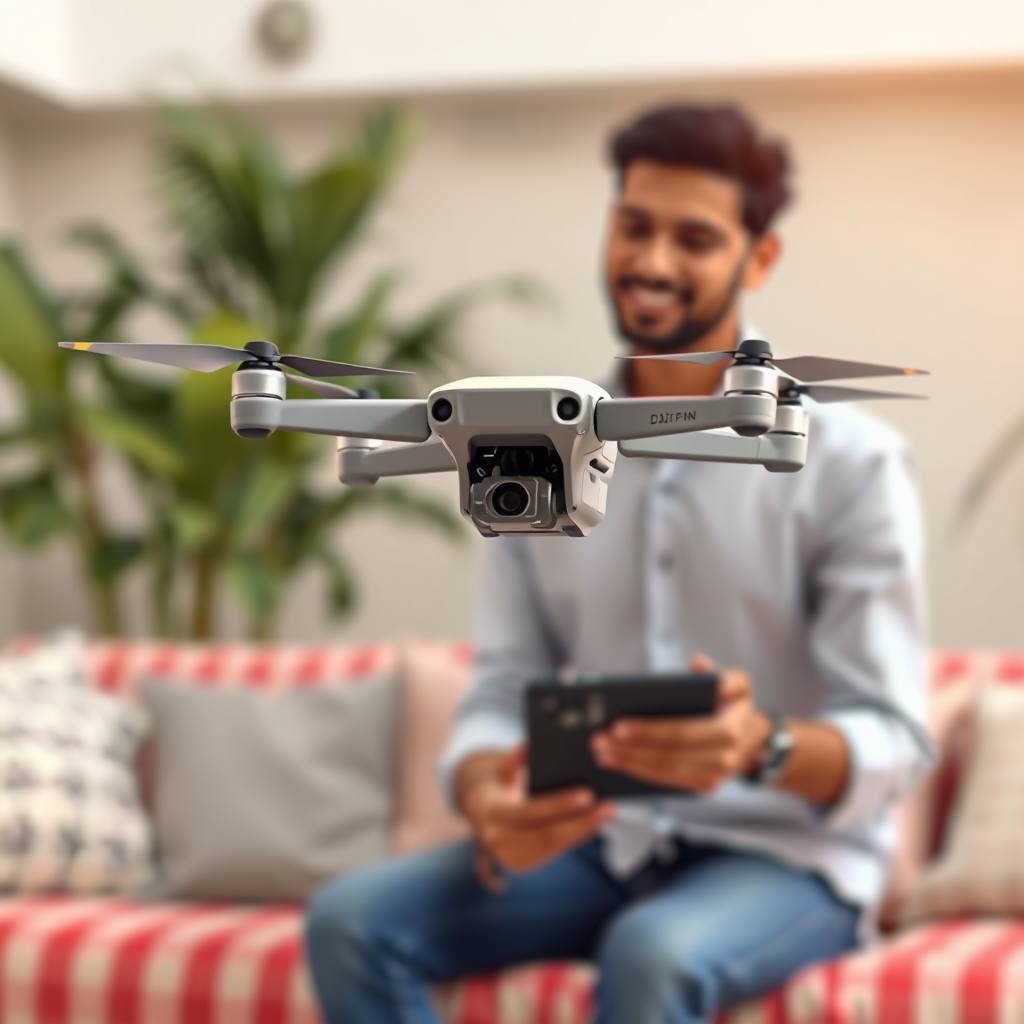
Flying a DJI drone in India is indeed possible, but it comes with specific regulations and requirements that must be followed. To ensure a legal and responsible flying experience, drone operators must navigate the legal framework, complete necessary registration processes, and adhere to safety guidelines. This article serves as a comprehensive guide for anyone interested in flying a DJI drone in India.
Understanding Indian Drone Regulations
The regulation of drone operations in India falls under the purview of the Directorate General of Civil Aviation (DGCA), which plays a pivotal role in establishing and enforcing aviation safety standards. Since 2021, the DGCA has implemented Unmanned Aircraft System (UAS) rules that govern the use of drones in Indian airspace. These regulations categorize drones based on their weight and purpose, with different rules applying to recreational and commercial use.
For instance, drones weighing over 250 grams must be registered and comply with specific operational guidelines. These regulations aim to mitigate safety hazards and security threats posed by unauthorized drone flights, ensuring that drone operations do not interfere with manned aviation or violate privacy rights.
Drone Registration Process
Before flying a DJI drone in India, it is mandatory to register the drone on the Digital Sky platform, which is an online portal created by the DGCA for drone management. The registration process involves obtaining a Unique Identification Number (UIN) for the drone, which is crucial for legal compliance.
To register, operators need to provide information such as the drone’s specifications, ownership details, and intended use. Once the application is approved, the UIN is issued, which must be displayed on the drone. Failing to register can lead to significant penalties, including fines and the confiscation of the drone.
Licensing Requirements for Drone Pilots
In addition to registering the drone, individuals intending to operate a drone commercially must obtain a Remote Pilot License (RPL) issued by the DGCA. This requirement ensures that drone pilots have the necessary skills and knowledge to operate drones safely.
To acquire an RPL, aspiring pilots must undergo training and certification at a DGCA-approved training institution. These training programs cover essential topics such as air regulations, navigation, meteorology, and drone maintenance. Upon successful completion, pilots will be equipped with the expertise needed to handle drones responsibly, thus minimizing risks to public safety.
No-Fly Zones and Restrictions
Understanding no-fly zones is crucial for anyone looking to fly a DJI drone in India. Specific areas, including airports, military installations, and densely populated urban centers, are designated as no-fly zones to ensure the safety of both drone operators and the general public.
The DGCA provides updated maps and resources detailing these restricted areas, which can change based on security assessments or local regulations. Drone operators are advised to check these maps regularly and avoid flying in restricted zones. Ignoring these restrictions can lead to severe consequences, including legal action and fines.
Safety Guidelines for Flying Drones
Safety should always be a top priority when operating a drone. The DGCA has established several key guidelines to promote responsible flying. Operators must always maintain a visual line of sight with their drone and avoid flying higher than 120 meters (approximately 400 feet) above ground level.
Additionally, it is imperative to respect the privacy of individuals. Operators should refrain from capturing images or videos of people without their consent, as this can lead to privacy violations and potential legal issues. Implementing safety measures, such as pre-flight checks and awareness of weather conditions, further enhances the safe operation of drones.
Consequences of Non-Compliance
Failure to comply with the established drone regulations can have serious repercussions. Violations may result in hefty fines, the confiscation of the drone, or criminal prosecution, depending on the severity of the infraction. The DGCA actively monitors drone activities and has the authority to take action against operators who do not adhere to the rules.
To avoid penalties, it is crucial for drone operators to stay informed about current regulations and any updates from the DGCA. Engaging with local drone communities or forums can also provide valuable insights into best practices and changes in the regulatory landscape.
Resources for Drone Operators
For drone enthusiasts and operators, several resources are available to facilitate compliance and enhance flying experiences. Online forums and communities serve as excellent platforms for sharing experiences, tips, and updates on drone regulations and technology. Engaging with these communities can provide practical advice from seasoned pilots.
The official DGCA website is another vital resource, offering comprehensive information on regulations, registration processes, and licensing requirements. Local flying clubs can also be a great way to network with other drone operators and receive support in navigating the complexities of drone flying in India.
Flying a DJI drone in India is feasible, provided you comply with the necessary regulations and guidelines. Make sure to register your drone, obtain the required licenses, and be aware of no-fly zones to ensure a safe and legal flying experience. For more information, stay updated with DGCA guidelines and engage with the drone-flying community to enhance your knowledge and skills as a responsible drone operator.
Frequently Asked Questions
Can I fly a DJI drone in India without a license?
No, flying a DJI drone in India requires a valid license. The Directorate General of Civil Aviation (DGCA) mandates that all drone operators must register their drones and obtain a Remote Pilot License (RPL) to operate drones weighing more than 250 grams. This regulatory framework ensures safe drone operations and compliance with national airspace regulations.
What are the regulations for flying a DJI drone in India?
In India, drone operations are subject to strict regulations outlined by the DGCA. Operators must register their drones on the Digital Sky Platform, obtain an Unmanned Aircraft Operator Permit (UAOP), and adhere to specific flight restrictions such as no-fly zones, altitude limits, and maintaining visual line of sight. Compliance with these regulations is crucial to avoid penalties and ensure safe flying practices.
How do I register my DJI drone in India?
To register your DJI drone in India, you need to visit the Digital Sky Platform (https://digitalsky.dgca.gov.in) where you will create an account. After logging in, you can provide the necessary details about your drone, including its make, model, and serial number. Once your registration is approved, you will receive a Unique Identification Number (UIN) that must be displayed on your drone before flying.
Which DJI drones are allowed to fly in India?
Most DJI drones can be flown in India, provided they meet the weight and compliance requirements set by the DGCA. Popular models like the DJI Mavic Air 2, Phantom 4, and DJI Mini series can be registered and flown legally if operators obtain the necessary licenses and permits. Always check the latest regulations and guidelines, as drone policies may change.
Why is it important to follow drone regulations in India?
Following drone regulations in India is essential for multiple reasons: it promotes aviation safety by preventing accidents, protects privacy by limiting drone use in sensitive areas, and ensures compliance with national laws. Non-compliance can lead to hefty fines, confiscation of equipment, and legal action. Adhering to these regulations fosters responsible drone usage and contributes to the growth of the drone industry in India.
References
- Welcome! | Ministry of Civil Aviation
- https://www.droneguides.com/drone-laws-in-india/
- https://en.wikipedia.org/wiki/Drone_regulation_in_India
- https://www.thehindu.com/news/national/drones-what-you-need-to-know-about-flying-them-in-india/article66121803.ece
- https://www.theguardian.com/global-development/2021/jul/13/indian-government-to-issue-drone-regulations
- https://www.bbc.com/news/world-asia-india-57164060
- All Campaigns | MyGov.in
- Unmanned Aircraft Systems (UAS) | Federal Aviation Administration
- https://www.nytimes.com/2021/01/07/world/asia/india-drone-regulations.html
