
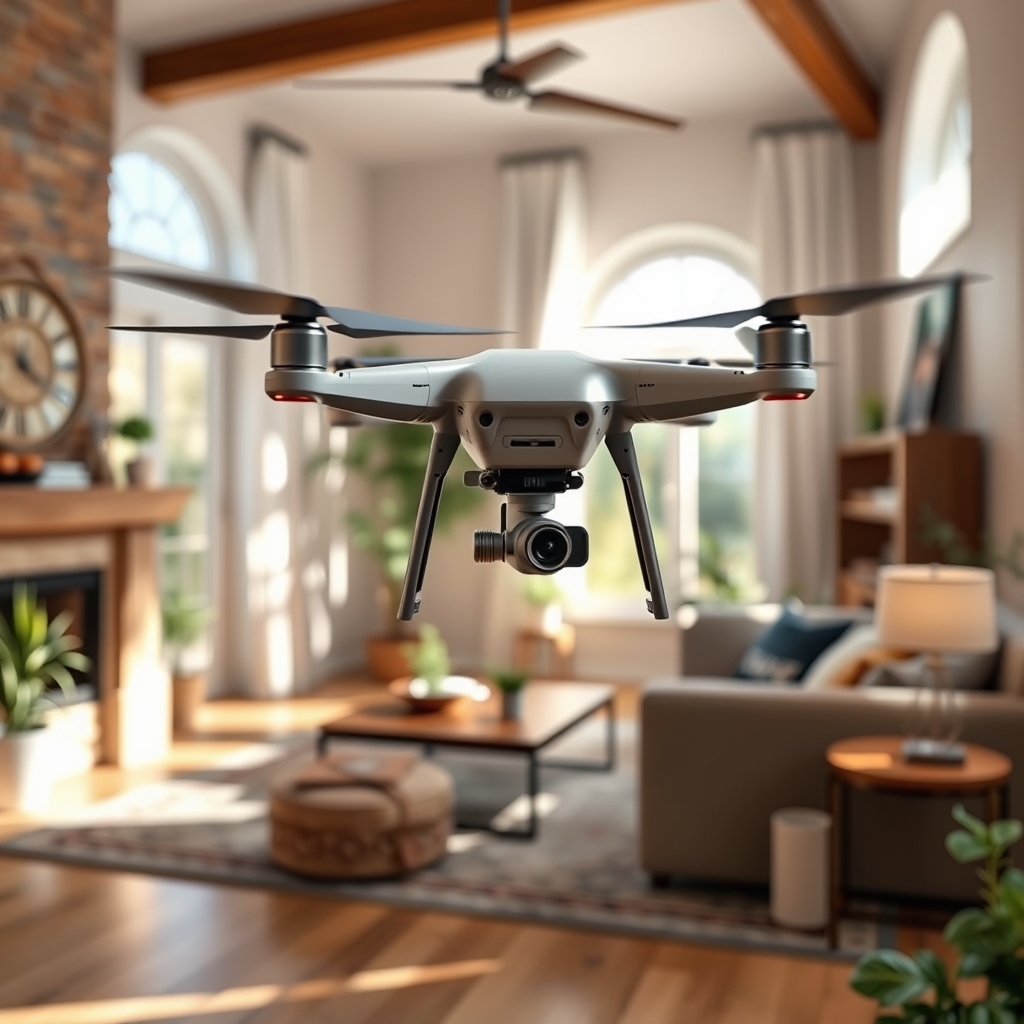
Yes, you can generally fly a drone at your house, but there are important regulations and safety considerations to keep in mind. Understanding local laws, safety protocols, and best practices will ensure a responsible and enjoyable flying experience. Drones have become increasingly popular for both recreational and professional use, offering opportunities for aerial photography, surveying, and even racing. However, with this popularity comes the responsibility of adhering to rules and guidelines to ensure safety and respect for your neighbors and the community.
Understanding Local Regulations
Before flying a drone at your house, it is crucial to familiarize yourself with the regulations set forth by the Federal Aviation Administration (FAA) as well as local laws. The FAA categorizes drones into different classes, and the rules can vary depending on whether you are flying for recreational or commercial purposes. For instance, recreational flyers must adhere to the community-based guidelines and keep their drone within visual line-of-sight at all times.
Moreover, many local jurisdictions have enacted ordinances that may impose additional restrictions on drone usage. Homeowner associations (HOAs) might also have specific rules regarding drone flying. These regulations can range from designated no-fly zones to restrictions on flight times. Researching these factors will not only help you avoid potential fines or legal issues but also foster good relationships with your neighbors.
Safety Considerations
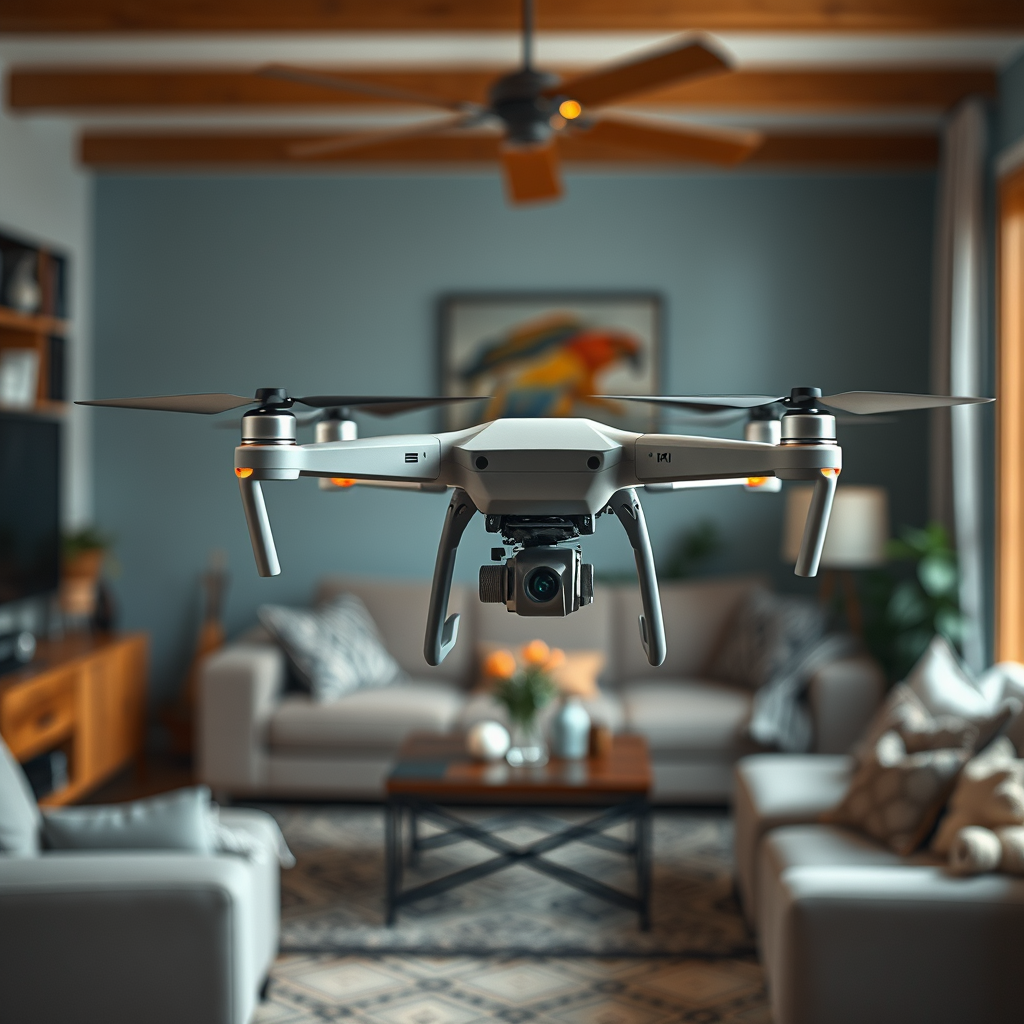
Safety should be your top priority when flying a drone at home. To ensure a safe flying experience, always maintain a visual line of sight with your drone. This means you should be able to see the drone with your own eyes without the aid of binoculars or other visual aids. This practice is crucial for avoiding obstacles, including trees, power lines, and buildings.
Additionally, be aware of your surroundings. This includes not only the physical environment but also people, pets, and wildlife. For example, if you live near a park or a residential area, consider the noise and disturbance that your drone might cause. Flying during less populated hours can help mitigate these risks. Moreover, consider the possibility of unexpected weather changes, as high winds or rain can make drone operation hazardous.
Choosing the Right Drone
Selecting the appropriate drone for home use is vital for a fulfilling experience. Drones come in various sizes and capabilities, and choosing the right one depends on your intended use. For instance, smaller drones are often easier to maneuver and less intrusive, making them suitable for residential areas. However, if you are interested in photography or videography, a drone with a high-quality camera may be necessary.
When assessing drones, look for features that enhance safety, such as GPS functionality and obstacle avoidance systems. GPS allows for precise positioning, which is particularly useful for returning the drone home automatically. Obstacle avoidance technology helps prevent crashes by detecting and navigating around obstacles in real-time. Brands like DJI and Parrot provide models equipped with these features, making them excellent choices for both beginners and seasoned pilots.
Best Times to Fly
Timing your flights is essential to ensure a peaceful experience for both yourself and your neighbors. Flying during daylight hours is generally safer, as visibility is improved, allowing for better control over your drone. Moreover, consider flying during times when most people are away from their homes, such as weekdays or early mornings.
Weather conditions also play a significant role in determining the best times to fly. Calm days with minimal wind and no precipitation are ideal for flying drones, as unfavorable weather can lead to loss of control or accidents. Utilize weather apps to monitor conditions and plan your flights accordingly. Additionally, keep an eye on local wildlife activity; avoiding nesting seasons for birds or migration periods can help prevent disturbances to local ecosystems.
Insurance and Liability
As a responsible drone operator, understanding your liability is crucial. While flying a drone can be enjoyable, accidents can happen, and damage to property or injury to individuals can result in significant financial repercussions. Therefore, investigating drone insurance options is highly advisable. Many insurance providers offer specialized drone insurance that covers physical damage, liability claims, and even theft.
Furthermore, familiarize yourself with the legal implications of any accidents that may occur while flying your drone. In many cases, operators may be held legally responsible for damages caused by their drones, which can include injuries to people or damages to property. Having insurance not only mitigates these risks but also provides peace of mind while enjoying your hobby.
Tips for Enjoyable Flying
To maximize your enjoyment while flying a drone at home, consider starting with practice flights in open areas away from residential zones. This allows you to become familiar with the controls and capabilities of your drone without the added pressure of nearby obstacles or spectators.
Utilizing drone flight planning apps can also enhance your flying experience. These tools provide valuable information, such as local airspace regulations, no-fly zones, and optimal flight paths. Apps like DJI Fly and AirMap are popular choices among drone enthusiasts and can help ensure compliance with local regulations.
Finally, engage with the drone community, whether online or locally. Joining clubs or forums can provide insights, tips, and camaraderie with fellow drone pilots, enhancing your overall experience and knowledge of safe flying practices.
In conclusion, flying a drone at your house can be a fun and rewarding experience if you follow the necessary regulations and safety guidelines. By understanding local laws, being mindful of safety considerations, choosing the right equipment, timing your flights appropriately, and considering insurance options, you can ensure a positive experience. Always be aware of your surroundings and the potential impact of your flights on others. With these precautions in place, you can enjoy the exciting world of drone flying responsibly. Happy flying!
Frequently Asked Questions
Can I fly a drone in my backyard?
Yes, you can fly a drone in your backyard, but there are important considerations to keep in mind. You must adhere to local laws and regulations regarding drone usage, which may vary by state or municipality. Additionally, ensure you maintain visual line of sight with your drone and avoid flying over private property without permission to prevent any legal issues.
What are the local regulations for flying drones at home?
Local regulations for flying drones can vary significantly depending on your location. Generally, you must comply with Federal Aviation Administration (FAA) guidelines, which include flying below 400 feet and keeping your drone within visual line of sight. It’s also crucial to check for any local ordinances that may restrict drone flights in residential areas, such as noise ordinances or restrictions near airports.
How do I ensure the safety of flying a drone at my house?
To ensure safety when flying a drone at your house, always conduct a pre-flight check of your drone to ensure it is functioning properly. Choose an open space free from obstacles like trees, power lines, and nearby traffic. Additionally, be mindful of weather conditions, and never fly in adverse weather. Finally, consider informing neighbors about your drone activities to avoid misunderstandings.
Why is it important to respect privacy when flying a drone at home?
Respecting privacy when flying a drone at home is crucial to maintaining good relationships with your neighbors and adhering to legal standards. Drones equipped with cameras can inadvertently invade the privacy of others, leading to complaints or legal action. Understanding and respecting privacy boundaries not only promotes responsible drone use but can also prevent conflicts with those living nearby.
What are the best practices for flying a drone around residential areas?
The best practices for flying a drone in residential areas include flying during daylight hours, maintaining a safe distance from people and structures, and avoiding crowded areas. It’s also advisable to familiarize yourself with the local airspace and any no-fly zones that may be in place. Lastly, consider using a drone with geofencing capabilities, which can help prevent accidental flights into restricted areas, ensuring compliance with regulations and enhancing safety.
References
- https://en.wikipedia.org/wiki/Drone_regulations_in_the_United_States
- https://www.faa.gov/uas/getting_started/
- https://www.faa.gov/uas/
- https://www.nasa.gov/centers/langley/news/factsheets/2017/DroneRegulations.html
- https://www.nolo.com/legal-encyclopedia/drone-law-faq-29089.html
- https://www.theguardian.com/technology/2021/jun/15/drone-laws-uk-regulations-flying
- https://www.drones.com/drone-regulations/
- https://www.faa.gov/uas/resources/policy_library/
- https://www.nerc.com/pa/Standards/Pages/Drone-Use.aspx
- https://www.ama-flights.com/faq/drone-flying-rules/
