
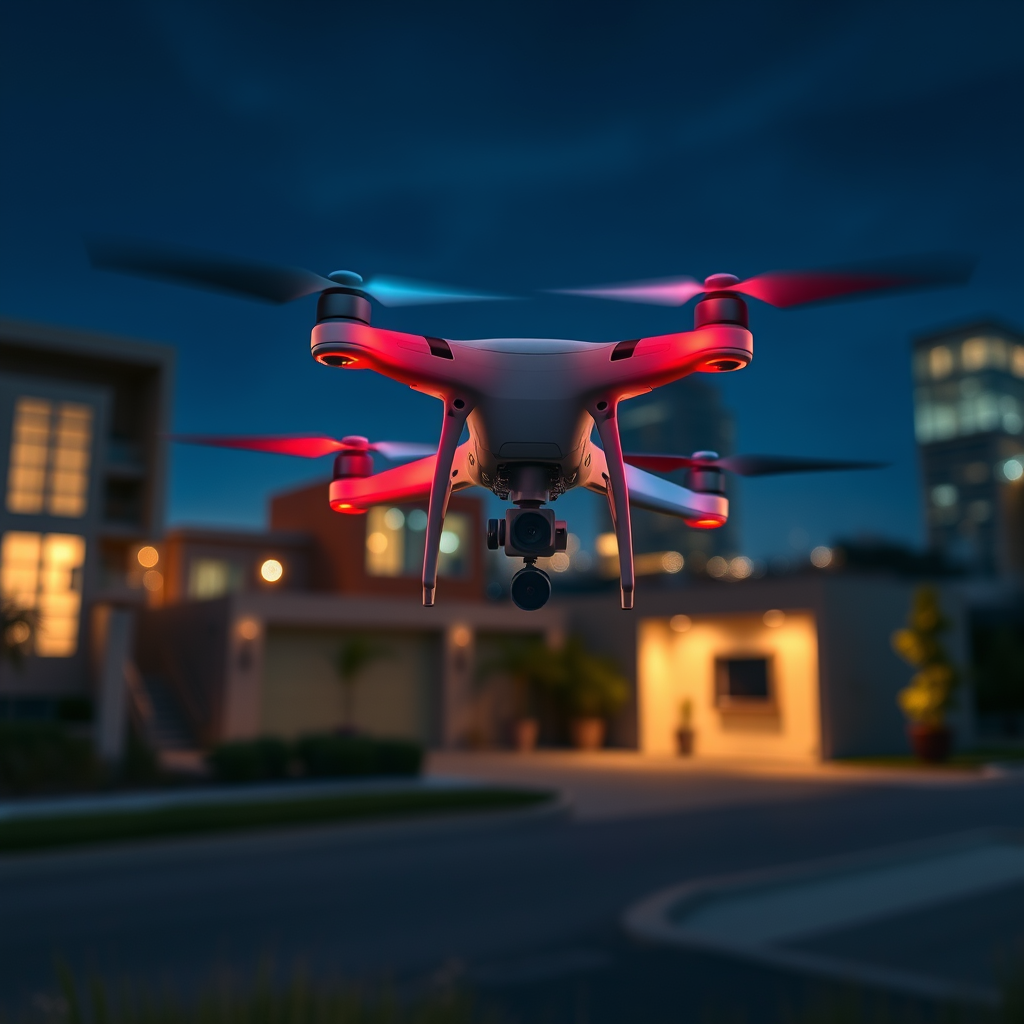
Yes, you can fly a drone at night, but there are specific regulations and safety measures you need to follow. Understanding these guidelines will ensure that your nighttime drone flying experience is both legal and safe. As drone technology continues to evolve, many enthusiasts and professionals are eager to explore the possibilities of night flying, whether for recreational purposes, aerial photography, or commercial operations. However, flying at night introduces unique challenges, which necessitate a thorough understanding of the rules governing drone operation after sunset.
Understanding FAA Regulations for Night Flying
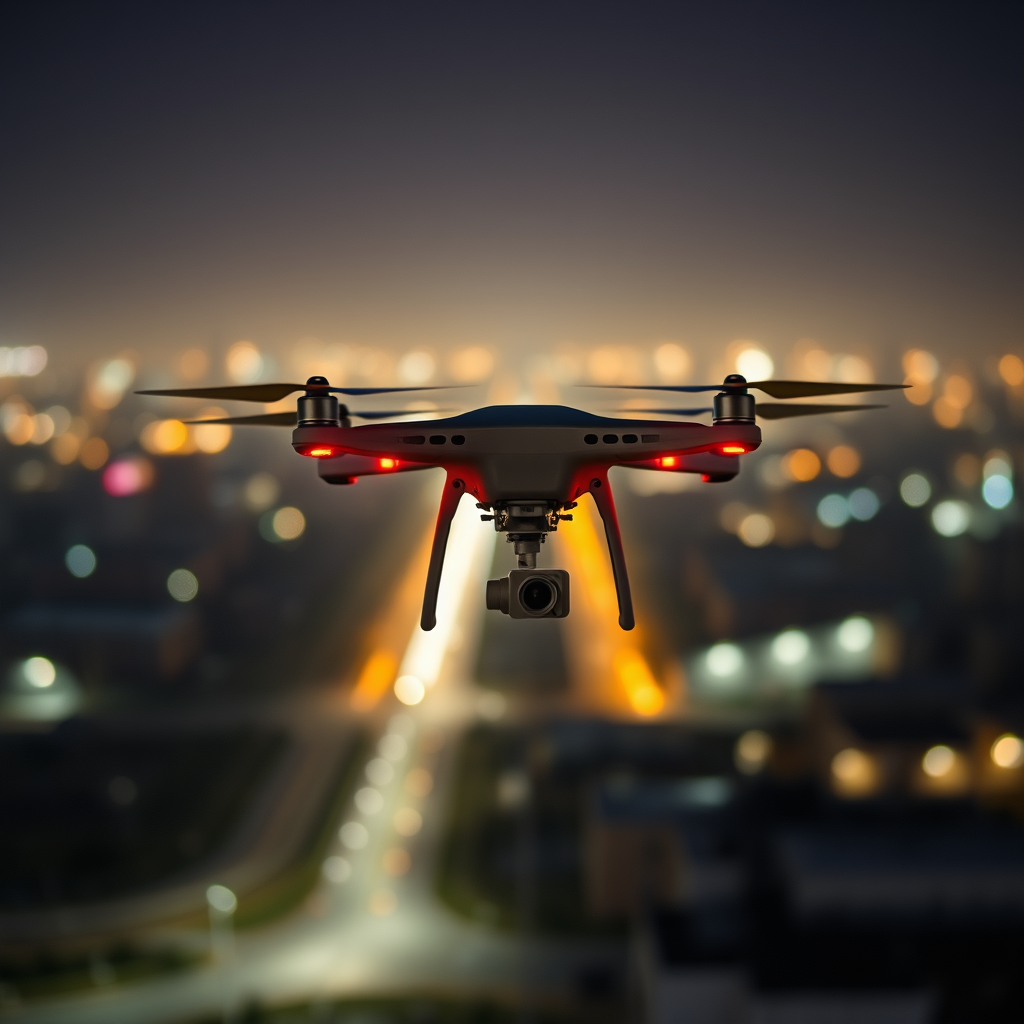
When considering nighttime drone operations, it is essential to comply with the Federal Aviation Administration (FAA) regulations. The FAA permits night flying for drones, but it requires that pilots hold a Part 107 certification, which entails passing a written exam on drone operation and regulations. This certification ensures that pilots are knowledgeable about the rules of the airspace, safety procedures, and operational limitations.
Additionally, drones must be equipped with anti-collision lights that are visible for at least three statute miles. These lights are crucial for maintaining visibility, allowing other aircraft and people on the ground to see your drone, thus reducing the risk of accidents. The lights should be placed in such a way that they illuminate the drone’s outline and make it easily distinguishable against the night sky. For further compliance, it is advisable to familiarize yourself with the specific local laws that may further regulate night flying in your area.
Equipment Requirements for Night Flying
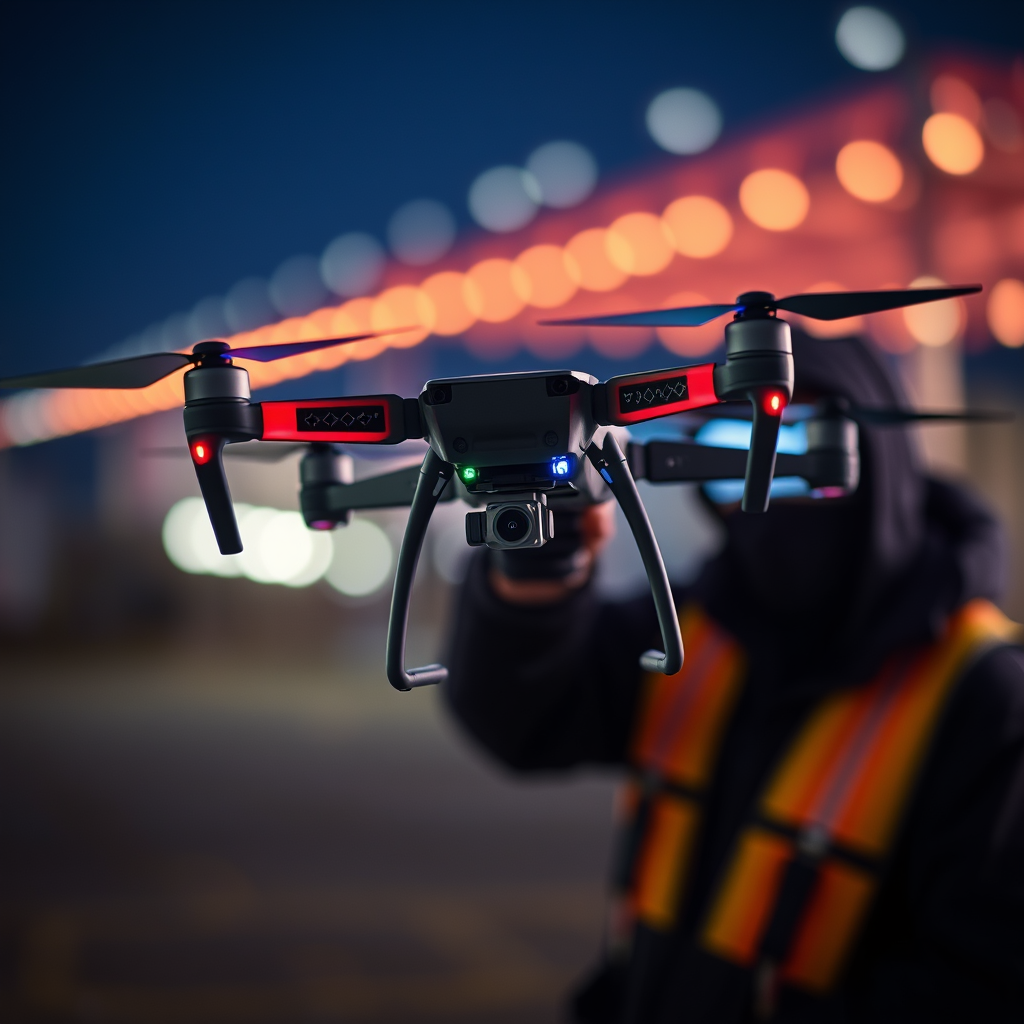
To ensure a safe and effective night flying experience, equipping your drone with the right technology is paramount. First and foremost, your drone should have high-intensity LED lights or other illumination systems. These lights are not only essential for compliance with FAA regulations but also play a critical role in enhancing visibility and orientation during flight. Many commercial drones come with built-in lighting systems, but if yours does not, consider investing in aftermarket solutions that are designed for nighttime operations.
Moreover, familiarize yourself with your drone’s features, including GPS and automated return-to-home functions. These technological advancements can be particularly beneficial at night when visibility is limited. The GPS system allows for accurate positioning and tracking, while the return-to-home feature ensures that your drone can safely return to its launch location in case of signal loss or battery depletion. Understanding these functions can help you manage your drone more effectively during nighttime operations.
Safety Precautions for Night Flying
Safety should always be a top priority, especially when flying a drone at night. Before taking off, conduct thorough pre-flight checks during daylight hours. This includes inspecting the drone for any physical damage, ensuring the battery is fully charged, and confirming that all systems, including lights and GPS, are functioning properly. Conducting these checks in daylight allows you to identify potential issues that might be harder to detect in low visibility.
Additionally, maintaining a clear line of sight with your drone is crucial. At night, visibility can be significantly reduced, making it difficult to track your drone’s movements. The FAA stipulates that drone pilots must keep their drones within visual line-of-sight, which is even more challenging in the dark. Consider using a spotter—someone who can help monitor the drone’s position while you focus on flying. This added layer of vigilance can help prevent accidents and ensure a safer flying experience.
Best Practices for Nighttime Operations
Selecting the right environment for your nighttime drone operations is just as important as adhering to regulations. Choose open areas that are away from populated locations, trees, buildings, and other obstacles. This practice minimizes the risks associated with flying in congested areas and enhances your ability to maintain control of the drone.
Planning your flight path in advance is critical when flying at night. Familiarize yourself with the area you intend to fly in, noting any potential challenges such as power lines, tall structures, or restricted airspace zones. Utilize mapping tools and apps that provide detailed information about your flight area. By carefully planning your route, you can avoid unexpected obstacles that may arise during low visibility conditions.
Tips for Enhancing Night Flight Experience
To make the most of your nighttime drone flying experience, consider using a drone equipped with a camera that has low-light capabilities. These cameras can capture better footage and images in dark conditions, allowing you to take stunning aerial shots that showcase the beauty of illuminated landscapes and cityscapes at night. Additionally, drones equipped with gimbals can help stabilize the camera, ensuring that the footage remains smooth and clear.
Before your flight, take some time to familiarize yourself with your surroundings and identify any potential hazards. This could include environmental factors like wildlife or changing weather conditions, as well as manmade structures that you may not have noticed during the day. Being aware of your environment will empower you to make informed decisions during your flight and respond appropriately to any unforeseen circumstances.
Legal Considerations and Local Laws
While the FAA provides overarching regulations for drone operation, local laws and ordinances can vary significantly by region. Before flying at night, it is crucial to research any local restrictions that may apply. Some areas may have specific laws that prohibit night flying altogether, while others may require additional permits or notifications. Understanding these regulations will help you avoid legal complications and ensure that your nighttime operations remain compliant.
Furthermore, always respect the privacy of individuals and avoid flying over private properties without permission. This practice not only fosters goodwill with the community but also reduces the likelihood of complaints or conflicts arising from your nighttime flying endeavors. Staying informed about your legal responsibilities will help you enjoy your night flying experience without risking penalties or legal issues.
In conclusion, while flying a drone at night is permissible, it requires careful adherence to regulations and safety practices. Make sure to equip your drone properly, understand the legal landscape, and practice safe flying techniques to enjoy your nighttime adventures responsibly. By following these guidelines and being mindful of your surroundings, you can create a rewarding and enjoyable nighttime flying experience while contributing to the safe integration of drones into our skies.
Frequently Asked Questions
Can I legally fly my drone at night?
Yes, you can legally fly a drone at night in the United States, but you must follow specific regulations set by the Federal Aviation Administration (FAA). This includes obtaining a Part 107 certification, equipping your drone with anti-collision lights that are visible for at least three statute miles, and adhering to all other operational guidelines. Always check local laws and regulations as they can vary by state or municipality.
What do I need to prepare for night drone flying?
To prepare for night drone flying, you should ensure your drone is equipped with proper lighting, such as LED lights, to increase visibility and avoid collisions. Familiarize yourself with the area you plan to fly in, conduct pre-flight checks, and carry extra batteries to account for the potential increase in power consumption during night operations. Additionally, consider practicing flying during twilight to adjust to the reduced visibility.
Why is night flying with a drone considered risky?
Night flying with a drone is considered risky primarily due to reduced visibility, making it more challenging to see obstacles, other aircraft, or even your own drone. The likelihood of losing orientation increases in low-light conditions, which can lead to accidents or crashes. Furthermore, without proper lighting, it can be difficult for others to see your drone, increasing the risk of collisions.
What are the best practices for flying a drone at night?
The best practices for flying a drone at night include using highly visible lights on your drone, maintaining a close line of sight, and flying at lower altitudes to better gauge your surroundings. Always check weather conditions beforehand, avoid flying in crowded areas, and ensure you are familiar with your drone’s capabilities. Additionally, consider using a spotter to help monitor the drone’s position and surrounding environment.
Which drones are suitable for night flying?
Drones suitable for night flying typically come equipped with powerful LED lights and have features like GPS stabilization and obstacle avoidance. Popular models include the DJI Mavic Air 2 and the Phantom 4 series, which provide excellent low-light performance and reliable flight capabilities. When selecting a drone for nighttime use, prioritize models that offer easy visibility and stable flight controls to enhance safety during night operations.
References
- https://www.faa.gov/uas/getting_started/fly_basics/nights
- https://www.nasa.gov/feature/nasa-drone-research-advances-night-flying-technology
- https://www.wired.com/story/faa-drone-night-flights/
- https://www.dronepilotgroundschool.com/can-you-fly-drones-at-night/
- https://www.faa.gov/uas/resources/policy_library/
- https://www.theguardian.com/us-news/2021/dec/01/drone-night-flight-faa-regulations
- https://www.ncbi.nlm.nih.gov/pmc/articles/PMC7889089/
