
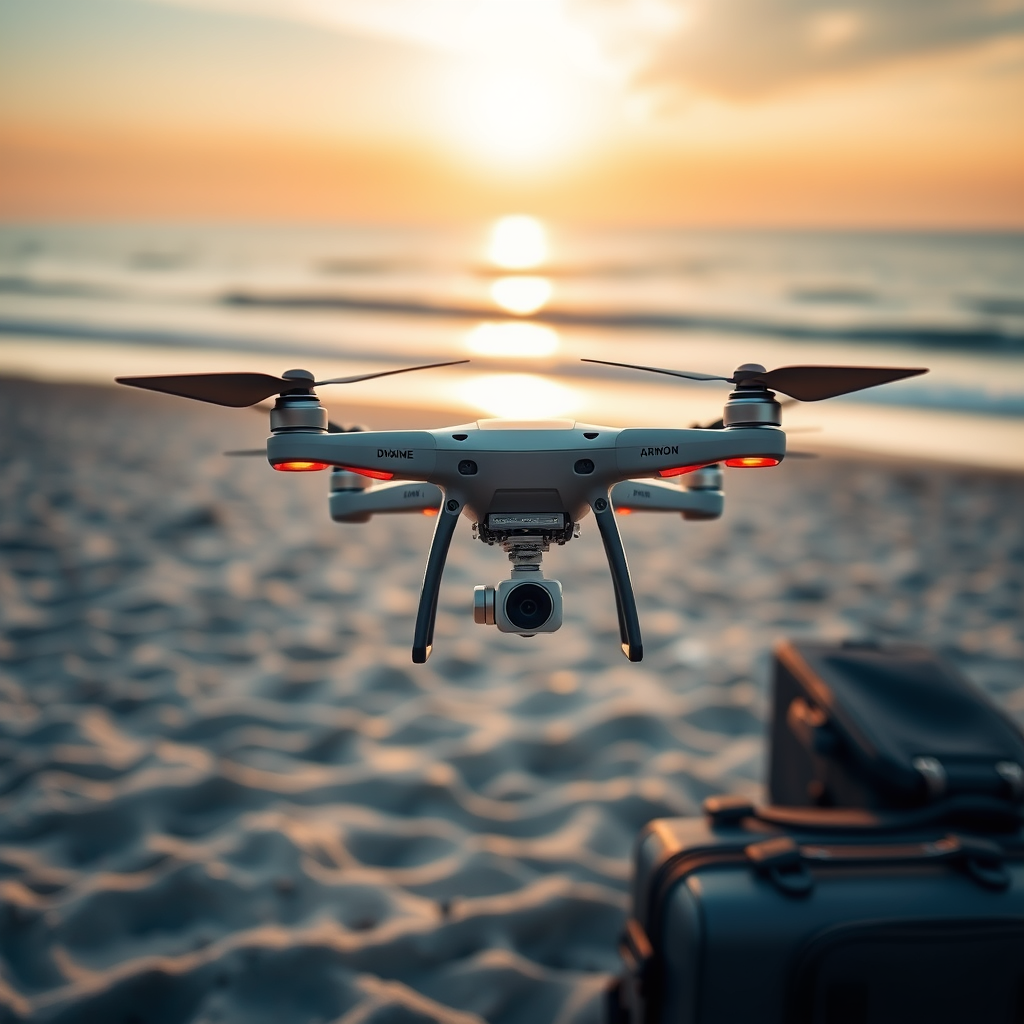
Yes, you can fly a drone at the beach, but there are important regulations and safety practices to follow. Beach environments can be popular for drone enthusiasts, yet they often come with specific rules due to crowds, wildlife, and airspace restrictions. This article will guide you through the essential considerations for flying your drone at the beach, ensuring you have a safe and enjoyable experience while capturing breathtaking aerial views.
Understanding Local Regulations
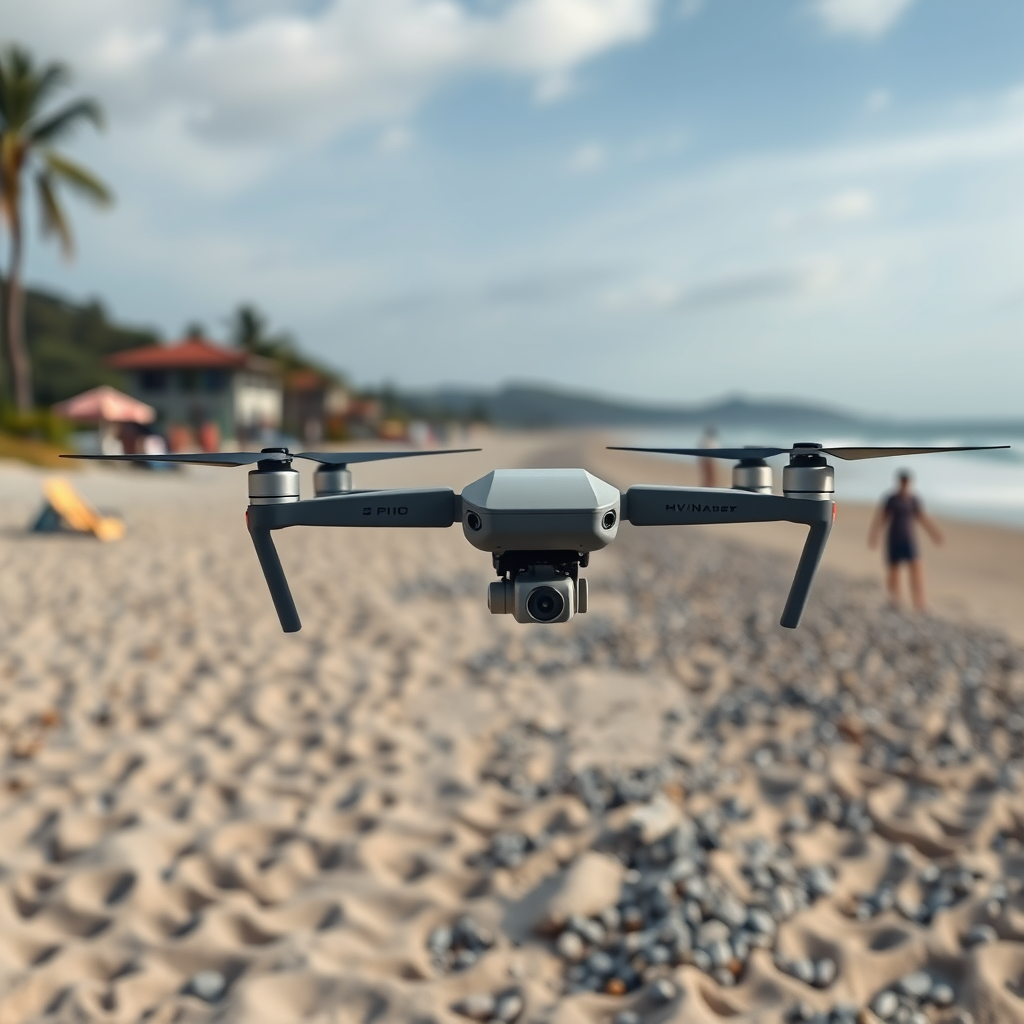
Before embarking on your beach drone adventure, it is crucial to research local laws and regulations regarding drone usage. Different regions have varying rules that govern where and how drones can be operated. For instance, many beaches are located near airports or in national parks, both of which typically have strict no-fly zones. In many cases, flying a drone in these restricted areas could lead to hefty fines or confiscation of your equipment.
In addition, some beaches may require permits for drone usage, especially during peak tourist seasons. Local authorities often post signage that outlines drone regulations specific to that area, so be on the lookout for any posted rules. Websites such as the FAA’s Drone Zone and local government pages can provide valuable information on where you can legally operate a drone. Always ensure you are compliant to avoid potential legal issues.
Safety Considerations
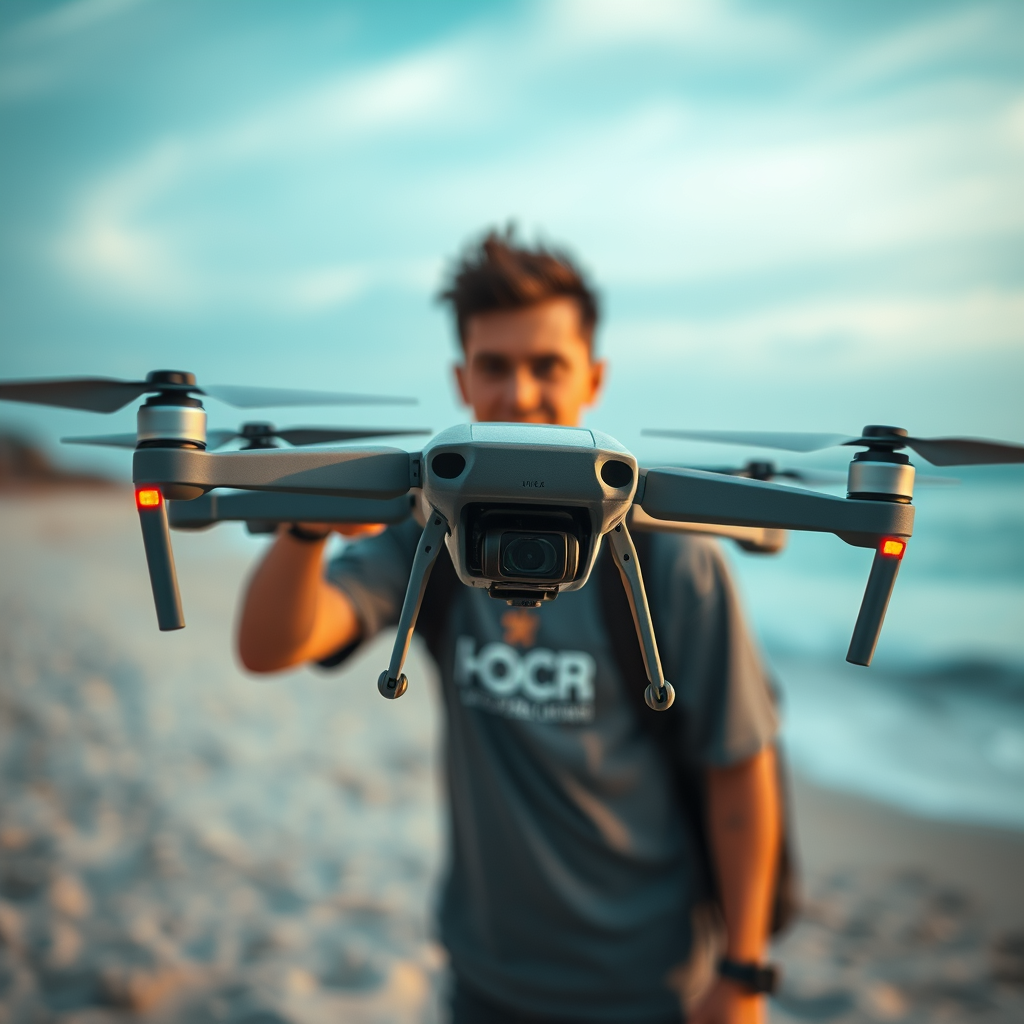
Safety should be your top priority when flying a drone at the beach. It is essential to maintain a safe distance from people and wildlife to avoid accidents and ensure a pleasant experience for all beachgoers. The Federal Aviation Administration (FAA) recommends keeping your drone at least 25 feet away from individuals not directly involved in your flight. This distance can help mitigate risks associated with sudden drone malfunctions or operator errors.
Moreover, beaches often host various wildlife, including birds and endangered species. Be aware of local wildlife rules, and avoid flying your drone near nesting areas or during migration seasons. Additionally, changing weather conditions can significantly affect drone performance. Wind speeds, humidity, and even saltwater spray can impact your drone’s operation. Always check the weather forecast before heading to the beach and be prepared to adjust your plans accordingly.
Beach-Specific Challenges
Flying a drone in a beach environment presents unique challenges that operators should be mindful of. One of the most significant threats to drone longevity is exposure to sand and saltwater. Both can cause serious damage to your drone’s motors and electronic components. To protect your equipment, consider using a drone with a rugged design or invest in protective cases and covers that can shield the drone from sand and moisture.
High winds are another prevalent challenge at beaches. The open environment can lead to unpredictable wind currents that may disrupt flight stability, making it difficult to control your drone. Always check wind forecasts and avoid flying during excessively windy conditions. A good rule of thumb is to refrain from flying if wind speeds exceed 15 mph, particularly for lightweight drones.
Best Practices for Flying Drones at the Beach
To enhance your flying experience and ensure safety, adhere to best practices for operating drones at the beach. Always fly within your visual line of sight (VLOS) to maintain control and avoid obstacles. This practice not only keeps your drone safe but also helps you respect the privacy of others. If you cannot see your drone, it can be challenging to avoid potential hazards, such as people, wildlife, or other aircraft.
Utilizing a pre-flight checklist is another excellent practice to ensure your drone is ready for operation. This checklist should include items such as battery levels, compass calibration, GPS signal strength, and firmware updates. Additionally, familiarize yourself with your drone’s controls and features before flying, especially if you are in a new environment. Proper preparation can prevent accidents and enhance your overall flying experience.
Popular Beach Locations for Drones
Some beaches are known for being more drone-friendly than others, making them ideal locations for enthusiasts. Examples include beaches like Santa Monica in California and South Beach in Miami, where drone regulations are more liberal, and the scenery supports stunning aerial photography. However, even in these popular spots, it is still essential to comply with local regulations to avoid fines.
Timing your flight is also crucial. Consider flying during early morning or late afternoon when beach traffic is lower. These times not only provide a safer environment for flying but also offer beautiful lighting for photography and videography. Furthermore, it’s advisable to check local drone groups or forums where operators share insights on the best beaches for drone flying and any recent changes to regulations.
Photography and Videography Tips
Capturing unique beach landscapes and activities with your drone can yield stunning results, but it’s essential to respect privacy and local regulations. When taking photos or videos, ensure that you are not intruding on individuals’ personal space. This practice not only fosters goodwill with fellow beachgoers but also helps you avoid potential legal issues.
Using filters and settings optimized for bright, reflective environments is vital for achieving high-quality images. Polarizing filters can reduce glare from water and sand, while ND filters can help manage exposure in bright sunlight. Experimenting with different angles and heights will also help you capture the best shots of the beach and its surroundings.
Additionally, consider using your drone to capture dynamic beach activities, such as surfing or beach volleyball, to add excitement to your footage. However, always ensure you are at a safe distance from participants and spectators to avoid accidents.
In conclusion, flying a drone at the beach can be a rewarding experience if you adhere to local regulations and prioritize safety. By understanding local laws, maintaining safe distances, and being aware of beach-specific challenges, you can enjoy your time in the sky. Always conduct thorough research before your trip, follow best practices, and respect the environment and privacy of others. With these considerations in mind, you can capture stunning aerial views while ensuring a safe and enjoyable experience for everyone involved.
Frequently Asked Questions
Can I fly a drone at the beach without permission?
Flying a drone at the beach may require permission depending on local regulations and the beach’s specific rules. In many areas, beaches are governed by state or local laws that may restrict drone use to protect wildlife and ensure public safety. Always check with local authorities or the beach management to determine if a permit is necessary before flying your drone.
What are the best practices for flying a drone at the beach?
When flying a drone at the beach, it’s essential to follow best practices such as maintaining a safe distance from people and wildlife, avoiding crowded areas, and respecting privacy. Additionally, be mindful of your drone’s battery life, as flying over water can be risky if your drone loses power. Keeping your drone within visual line of sight and flying at a safe altitude will enhance safety and compliance with regulations.
Why do some beaches prohibit drone flying?
Many beaches prohibit drone flying due to safety concerns, potential disturbances to wildlife, and privacy issues for beachgoers. Drones can pose risks to other people, especially in crowded areas, and certain wildlife may be sensitive to disturbances from drones, impacting their natural behavior. Regulations are often put in place to ensure a safe and enjoyable environment for both people and nature.
How do I find out if a beach allows drone flying?
To find out if a beach allows drone flying, start by checking the official website of the beach or the local government agency responsible for managing the area. You can also refer to online drone regulations databases and apps that provide information about where drones can legally be flown. Additionally, engaging with local drone communities or forums may yield insights from experienced pilots familiar with the area.
Which drones are best for flying at the beach?
The best drones for flying at the beach are those that are lightweight, portable, and equipped with features that enhance safety and performance in windy conditions. Models with robust GPS functionality, wind resistance, and waterproof or water-resistant capabilities, such as the DJI Mavic Air or the Parrot Anafi, are excellent choices. Consider your skill level and specific needs, such as camera quality or flight time, when selecting the right drone for beach use.
References
- https://www.faa.gov/uas/getting_started/where_to_fly
- https://www.nps.gov/subjects/drones/index.htm
- https://www.ncbi.nlm.nih.gov/pmc/articles/PMC6817219/
- https://www.wired.com/story/drone-regulations-2023/
- https://www.theguardian.com/technology/2021/jul/07/drones-beaches-regulations-flying-uk
- https://www.usa.gov/everyone/drone-laws
- https://www.edc.eu/faq/drone-flying-at-the-beach-what-you-need-to-know
- https://www.surfrider.org/initiatives/drone-regulations
- https://www.nytimes.com/2021/06/18/us/drones-beaches.html
