

Yes, you can fly a drone, but there are important regulations and safety considerations to keep in mind. Understanding these guidelines will help you enjoy flying while staying compliant with the law. Drones have become increasingly popular for both recreational and commercial use, necessitating a clear understanding of the regulations and best practices that govern their operation. By familiarizing yourself with the essential guidelines, you can maximize your drone-flying experience while minimizing risks and legal issues.
Understanding Drone Regulations
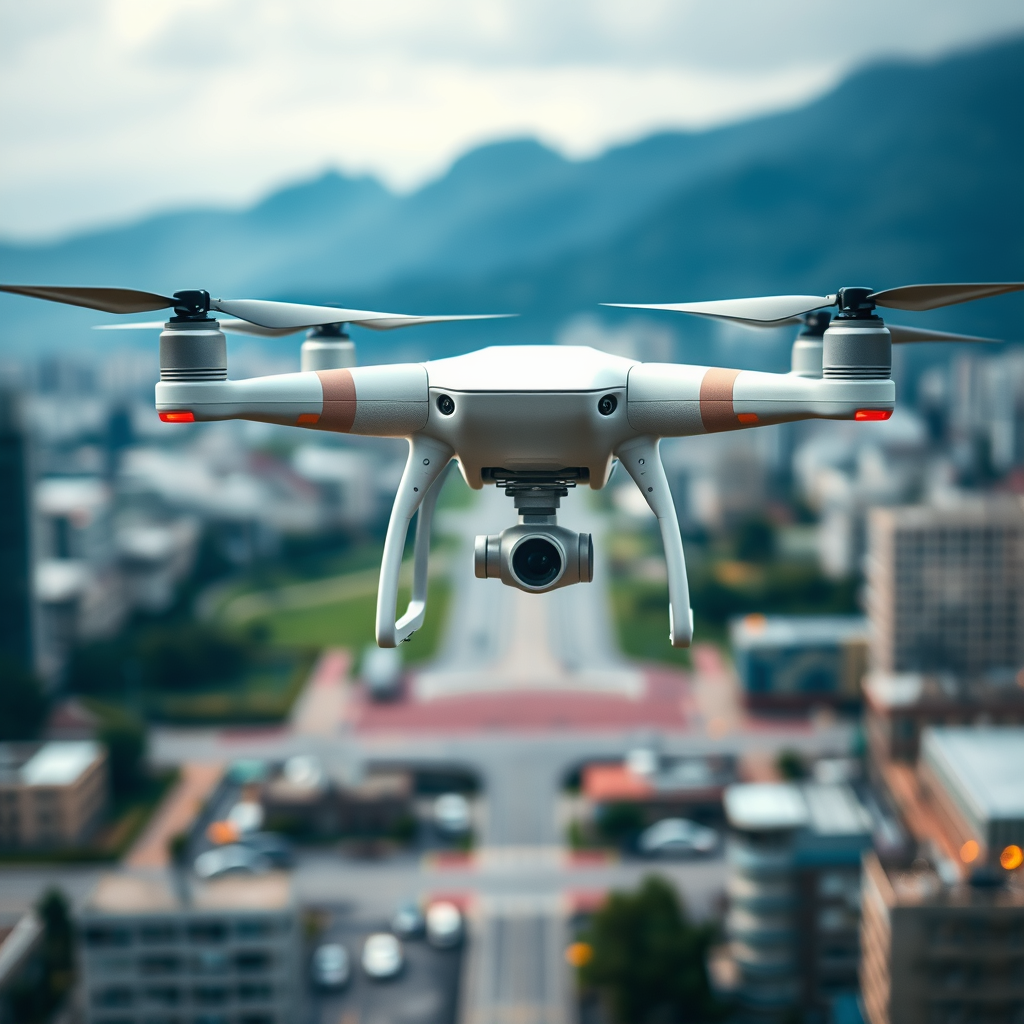
Familiarizing yourself with local laws regarding drone usage is the first step any aspiring drone pilot must take. Regulations can vary significantly from one region to another, and some areas may have stringent laws regarding where and when you can fly. For instance, in the United States, the Federal Aviation Administration (FAA) regulates drone operations and requires all drones weighing over 0.55 pounds to be registered. Additionally, drone pilots must adhere to specific guidelines, such as flying below 400 feet, keeping the drone within visual line of sight, and avoiding flying over people or moving vehicles.
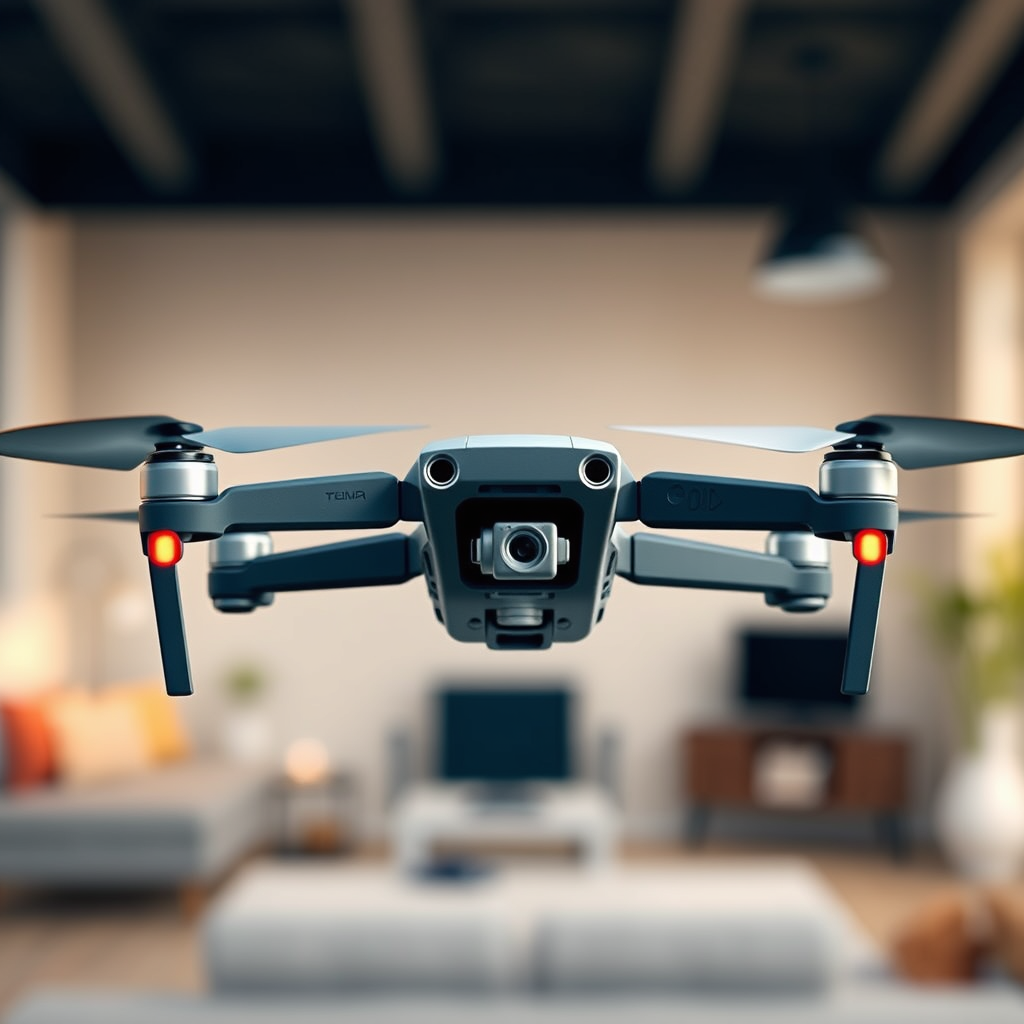
Before flying, check for any necessary permits or registrations. Some locations may require additional permissions, especially if you plan to operate in controlled airspace, near airports, or in national parks. Moreover, certain states and municipalities may have their own regulations that could include restrictions on flying drones over private property. Always ensure that you are compliant with both federal and local laws to avoid potential fines or legal repercussions.
Choosing the Right Drone

When selecting a drone, consider your experience level and intended use—whether recreational or commercial. For beginners, it’s advisable to start with a user-friendly model that is easy to operate and has built-in safety features like GPS assist and altitude hold. Drones like the DJI Mini SE or the Holy Stone HS720 are excellent choices for newcomers due to their affordability and intuitive controls.
For those with more experience or specific purposes, such as photography or surveying, researching drone specifications is crucial. Look for models that offer long flight times, high-resolution cameras, and advanced features like obstacle avoidance and follow-me modes. Drones such as the DJI Phantom 4 Pro or the Autel Robotics EVO Lite are favored for their superior camera quality and advanced functionalities, making them suitable for professional applications.
Safety Precautions
Safety is paramount when flying a drone. Always maintain a visual line of sight with your drone to ensure you can react to any unexpected situations. This practice not only helps you control the drone effectively but also enhances safety for those around you. Additionally, familiarize yourself with the drone’s controls and settings before taking off to mitigate the risk of accidents.
Avoid flying near people, buildings, or restricted airspace. Many urban areas have specific no-fly zones, particularly near airports or military bases. It is crucial to use apps like B4UFLY or AirMap to check the airspace status before heading out. These tools provide real-time information on where you can legally fly your drone, allowing you to plan your flights accordingly.
Best Practices for Flying Drones
Planning your flight route in advance can significantly reduce the chances of encountering obstacles or hazards. Use tools such as Google Maps to familiarize yourself with the terrain and identify potential landmarks that may be useful for navigation. Also, consider the time of day for your flight; early mornings or late afternoons often provide better lighting conditions for photography and fewer disturbances from other people.
Conduct pre-flight checks to ensure your drone is in good condition before every flight. Inspect the battery level, propellers, and camera functionality, and calibrate your drone if necessary. A checklist can be an invaluable tool here, ensuring that you don’t overlook any crucial components. This preparation not only enhances your flying experience but also ensures compliance with safety protocols.
Common Mistakes to Avoid
One of the most critical mistakes to avoid is ignoring weather conditions. Strong winds, rain, or low visibility can drastically affect flight stability and control. Always check the weather forecast before taking off; many drone flight apps also include weather updates to aid in this decision-making process.
Another common error is flying your drone in crowded areas, which can lead to accidents and pose risks to bystanders. The FAA recommends maintaining a safe distance from people, vehicles, and structures. Not only does this approach ensure safety, but it also helps you avoid potential legal issues stemming from unauthorized drone flights over private property.
Resources for Drone Pilots
Utilizing online platforms and communities can significantly enhance your knowledge and skills as a drone pilot. Websites like DJI’s forum and Reddit’s drone community provide valuable insights, tips, and support from other enthusiasts and professionals. Engaging with these communities can help you stay informed about the latest trends, new technologies, and best practices in drone operation.
Additionally, refer to official government websites for updates on regulations. The FAA provides comprehensive resources, including guidelines, registration processes, and safety tips for drone pilots. Staying informed through credible sources ensures that you are aware of any changes in the law or emerging best practices in the drone industry.
Flying a drone can be a fun and rewarding experience, as long as you adhere to the necessary regulations and safety guidelines. Always stay informed and prepared to ensure a safe flight. By understanding the rules, choosing the right equipment, practicing safety measures, and avoiding common pitfalls, you can enjoy the exhilarating world of drone flying while remaining compliant with the law. Whether you are capturing breathtaking aerial shots or conducting important commercial tasks, being a responsible drone pilot will enhance your experience and contribute to the safety of yourself and others.
Frequently Asked Questions
What are the legal requirements for flying a drone in my area?
The legal requirements for flying a drone can vary significantly depending on your location. In the United States, for example, the Federal Aviation Administration (FAA) mandates that drone operators register their drones if they weigh over 0.55 pounds. Additionally, you must adhere to specific guidelines, such as flying below 400 feet, maintaining visual line of sight, and avoiding restricted airspace. It’s crucial to check local regulations, as some regions may have additional restrictions or require permits.
How do I know if I can fly a drone in a specific location?
To determine if you can fly a drone in a specific location, you should first consult the FAA’s B4UFLY app or website, which provides real-time data on airspace restrictions and no-fly zones. Additionally, local laws, park regulations, and property owner permissions must be considered. Always ensure you are aware of any temporary flight restrictions (TFRs) or special events that may impact your ability to fly safely and legally.
Why is it important to check airspace regulations before flying my drone?
Checking airspace regulations before flying your drone is vital to ensure safety and compliance with aviation laws. Flying in restricted airspace, such as near airports or military installations, can pose serious safety risks and legal consequences, including hefty fines. Understanding these regulations helps you avoid conflicts with manned aircraft and protects the integrity of air traffic management.
What is the best way to prepare for my first drone flight?
The best way to prepare for your first drone flight includes familiarizing yourself with your drone’s user manual and performing a pre-flight checklist to ensure everything is in working order. Additionally, you should practice flying in an open, safe area away from people and obstacles. Consider taking a drone piloting course or watching tutorial videos to learn about controls, flight maneuvers, and safety protocols, which can greatly enhance your flying skills and confidence.
Which drones are best for beginners looking to fly recreationally?
For beginners, drones like the DJI Mini SE, Holy Stone HS720, or Ryze Tello are excellent choices due to their user-friendly features, stability, and affordability. These drones typically offer automatic takeoff and landing, GPS assistance, and a decent camera for capturing photos and videos. When choosing a beginner drone, consider factors such as ease of use, battery life, and customer support to ensure a positive flying experience.
References
- https://www.faa.gov/uas/getting_started/fly_for_fun
- https://www.faa.gov/uas/
- https://www.nasa.gov/feature/nasa-drone-research-aims-to-enable-safe-and-efficient-drone-operations
- https://www.smithsonianmag.com/innovation/flying-drones-in-the-us-180973401/
- https://en.wikipedia.org/wiki/Unmanned_aerial_vehicle
- https://www.reuters.com/business/aerospace-defense/faa-certifies-first-drone-delivery-service-2020-07-16/
- https://www.droneadvocacy.org/
- https://www.nytimes.com/2021/04/19/business/drone-regulations.html
