
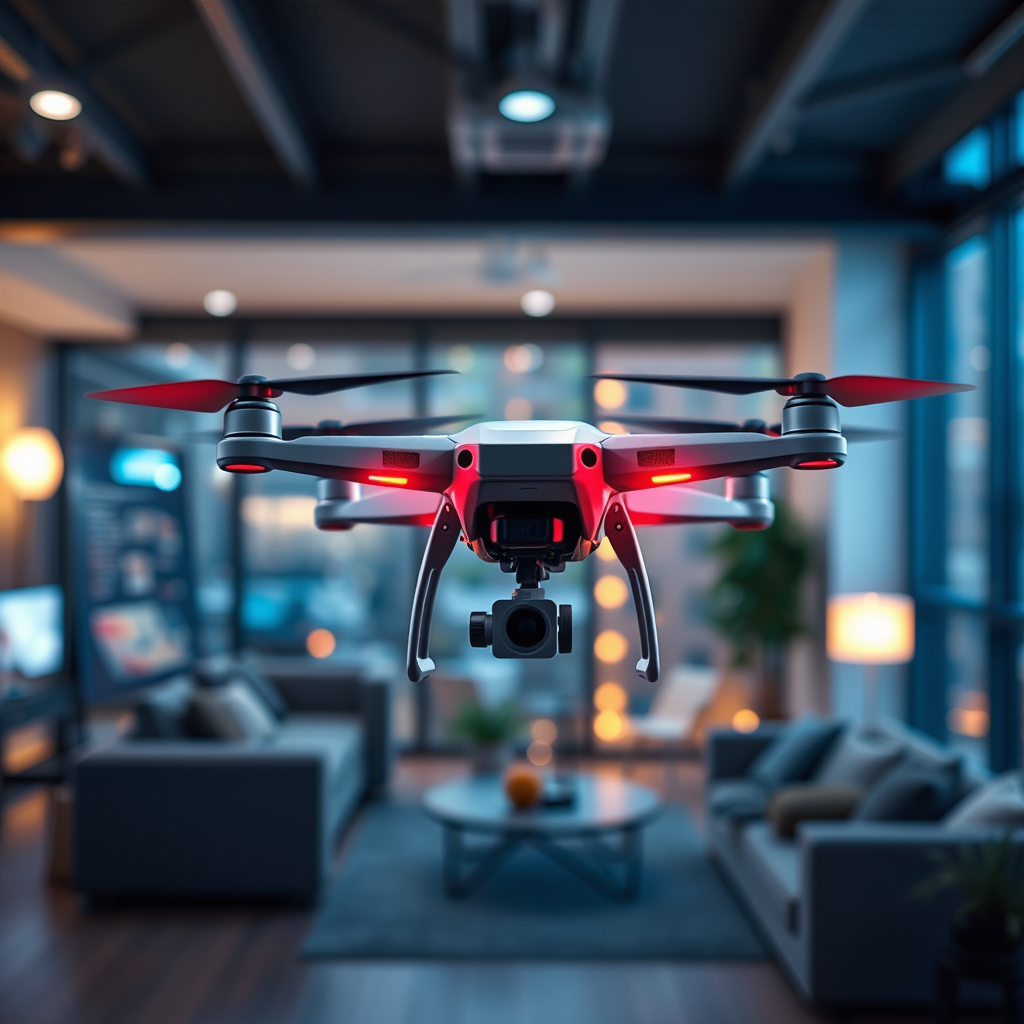
Yes, you can fly a drone in many places, but it depends on local regulations and airspace restrictions. Understanding where and how to operate your drone legally is crucial for a safe flying experience. This article will guide you through the key factors to consider before taking to the skies with your drone, ensuring you are well-informed and compliant with the necessary laws.
Understanding Local Drone Regulations
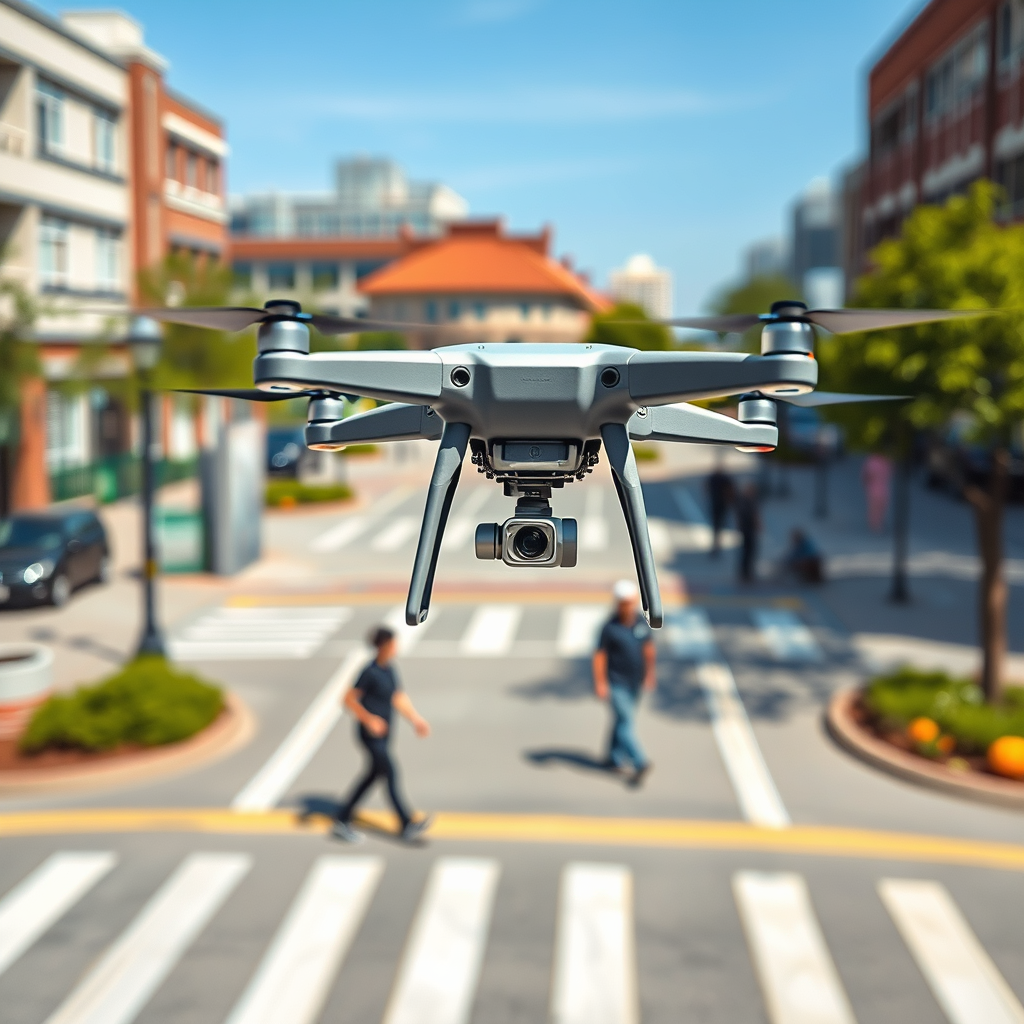
Before you take off with your drone, it’s paramount to research the regulations specific to your country or region. Different countries have varying laws governing drone usage, which can include restrictions on altitude, weight, and operational purposes. For instance, in the United States, the Federal Aviation Administration (FAA) has established guidelines under Part 107 for commercial drone operators, while hobbyists must adhere to the Special Rule for Model Aircraft.
In many countries, you are required to register your drone if it exceeds a certain weight, typically around 0.55 pounds (250 grams) in the U.S. Registration ensures that your drone can be tracked in case of accidents or violations. Furthermore, some areas may require special permits for flying drones, especially in urban settings or over large gatherings. Always check local government websites or contact local authorities for the most accurate and current regulations.
Airspace Classes and Restrictions
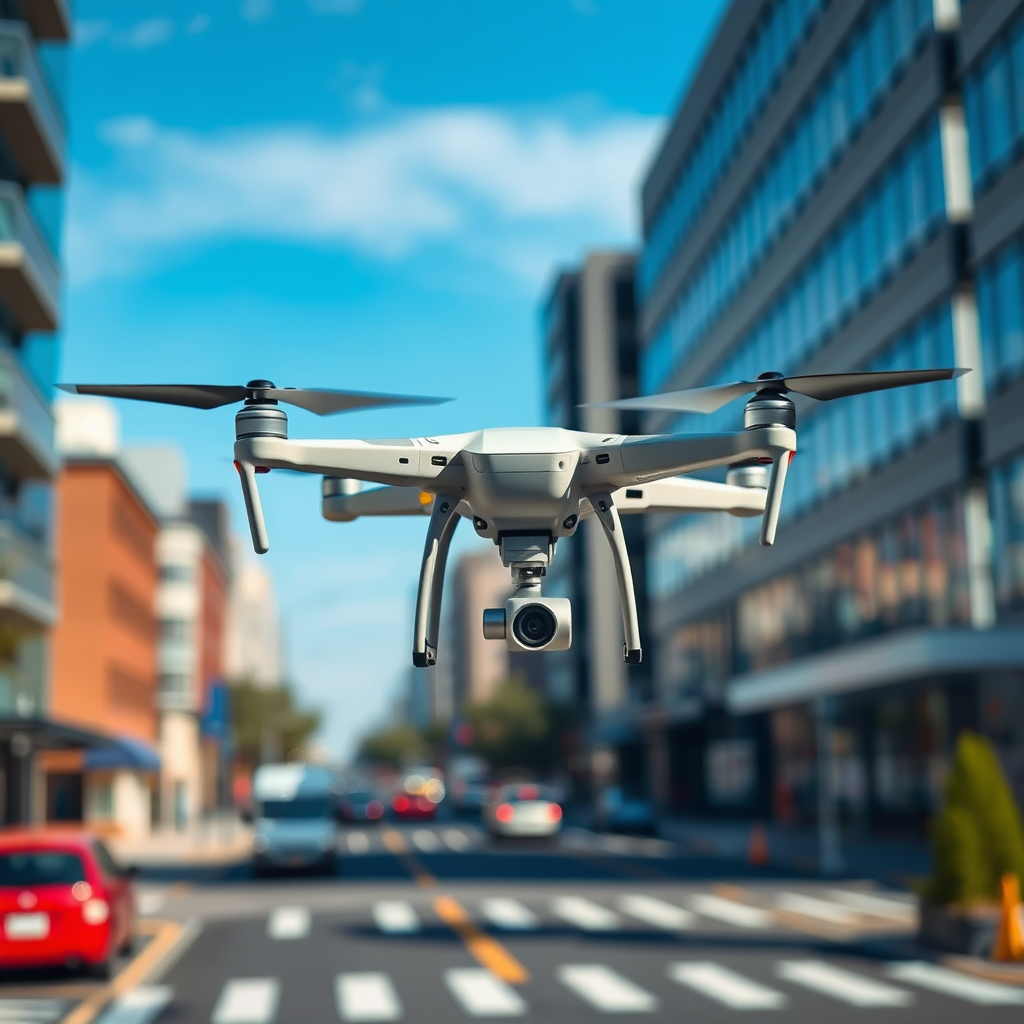
Understanding airspace classifications is crucial for any drone pilot. In the U.S., airspace is divided into several classes, with Class A being the most controlled and requiring special permissions to operate. Classes B, C, D, and E have their own sets of regulations that dictate how and where drones can fly. For example, Class B airspace surrounds major airports and requires pilots to obtain air traffic control permission before flying.
It is also important to identify restricted zones where drone flying is prohibited, such as near airports, military bases, and other sensitive areas. Resources like the FAA’s B4UFLY app can help pilots identify airspace classifications and restrictions in real-time, ensuring compliance and enhancing safety during operations.
No-Fly Zones to Be Aware Of
Familiarizing yourself with no-fly zones in your area is essential for responsible drone operation. No-fly zones typically include national parks, wildlife reserves, and densely populated urban centers where safety and privacy are paramount. For instance, in the U.S., flying over national parks is prohibited due to the potential disturbance to wildlife and natural landscapes.
To make navigating no-fly zones easier, utilize apps or online maps that provide real-time information on restricted areas. Applications like AirMap and Skyward can help drone pilots visualize no-fly zones and other pertinent airspace information, allowing for safer flying experiences.
Safety Guidelines for Flying Drones
Safety should always be a priority when flying drones. One key guideline is to maintain a visual line of sight with your drone at all times. This practice not only helps prevent collisions but also ensures that you can react swiftly to any unexpected situations. Additionally, many regulations mandate that drones must not operate above a certain altitude, typically 400 feet above ground level, to minimize risks to manned aircraft.
Respecting privacy laws is another critical aspect of responsible drone flying. Avoid flying over private property without the owner’s consent, as this can lead to legal disputes. It’s also advisable to inform those around you when you are flying, particularly in populated areas, to avoid causing alarm or discomfort.
Insurance and Liability Considerations
Considering the purchase of drone insurance is a wise decision for both commercial and hobbyist pilots. Drone insurance can protect you from potential liabilities arising from accidents, such as property damage or personal injury. Policies can vary widely, covering everything from equipment damage to third-party claims, so it’s important to thoroughly review options and select a plan that suits your needs.
Understanding the legal implications of damage caused by your drone is equally important. If your drone causes harm or damages property, you may be held financially responsible. Therefore, having adequate insurance can mitigate financial risks and provide peace of mind while flying.
Tips for Responsible Drone Flying
To foster a community of responsible drone pilots, follow community guidelines and best practices for drone operation. These can include simple rules like not flying in adverse weather conditions, such as high winds or rain, which can affect your drone’s performance and control.
Joining local drone flying clubs can also be beneficial. These clubs offer opportunities to learn from experienced pilots, share tips, and stay informed about local regulations and best practices. Networking with fellow enthusiasts can enhance your flying skills and ensure a more enjoyable experience.
In addition, consider participating in drone safety courses or workshops, which can provide valuable insights into operating drones safely and legally. Many organizations offer certification programs that can enhance your credibility as a drone pilot, especially if you plan to use your drone for commercial purposes.
In conclusion, while flying a drone can be an exciting hobby, it’s essential to stay informed about the regulations and safety guidelines that apply in your area. Always do your research and fly responsibly to ensure a positive experience. By understanding local regulations, airspace restrictions, and safety measures, you can enjoy the thrill of drone flying while contributing to a safe and respectful flying environment.
Frequently Asked Questions
What are the general regulations for flying a drone in my area?
Regulations for flying drones vary by location, and it’s crucial to check both local and national laws. In the United States, the Federal Aviation Administration (FAA) requires drone operators to follow guidelines such as flying below 400 feet, keeping the drone within visual line of sight, and avoiding restricted airspace. Additionally, some regions may have specific rules prohibiting drone flights in certain parks, schools, or near airports, so always verify with local authorities or drone-related websites before flying.
How can I find out if I can fly a drone in a specific location?
To determine if you can fly a drone in a specific location, you can utilize resources like the FAA’s B4UFLY app, which provides information on airspace restrictions and flight rules. Furthermore, local government websites often publish regulations regarding drone use in parks or public spaces. Checking online forums or communities dedicated to drone enthusiasts may also offer insights from fellow pilots who have flown in that area.
Why is it important to know if I can fly a drone in a specific area?
Knowing whether you can fly a drone in a specific area is essential for both legal compliance and safety. Flying in restricted zones may lead to fines or legal repercussions, and more importantly, it can pose risks to other air traffic or people on the ground. Understanding the regulations helps you respect the privacy of others and ensures a responsible and enjoyable flying experience.
What are the best practices for flying a drone in public spaces?
The best practices for flying a drone in public spaces include respecting the privacy of individuals by avoiding flying over crowds, maintaining a safe distance from people, and staying aware of your surroundings. It’s also advisable to obtain permission if you’re flying in private areas and to inform local authorities about your flight plans if required. Following FAA regulations and using a pre-flight checklist can help ensure a safe and enjoyable experience.
Which locations are typically off-limits for drone flying?
Locations that are typically off-limits for drone flying include near airports, military bases, and national parks, due to safety and privacy concerns. Additionally, urban areas with heavy traffic, large gatherings, or places where people congregate, like schools and hospitals, often have restrictions. Always refer to local laws and the FAA’s regulations to ensure that you’re informed about any specific no-fly zones in your area.
References
- https://www.faa.gov/uas/getting_started/
- https://www.nps.gov/subjects/drones/index.htm
- https://www.wikiwand.com/en/Drone_regulation_in_the_United_States
- https://www.nasa.gov/mission_pages/UAS/index.html
- https://www.uscg.mil/Our-Organization/Assistant-Commandant-for-Prevention-Policy/Office-of-Aviation-Policy-and-Compliance/Drone-Operations
- https://www.droneadvocates.org/resources/drone-laws-by-state
- https://www.ama-flightschool.com/drone-flying-rules/
- https://www.ed.gov/technology/drones-in-education
