

Yes, you can fly a drone here, but there are specific regulations and guidelines you need to follow. Understanding local laws, airspace restrictions, and safety protocols is essential to ensure responsible drone operation. Whether you are a hobbyist or a commercial operator, navigating the complex landscape of drone regulations can be daunting, but compliance is crucial for safe and legal flying.
Understanding Local Drone Laws
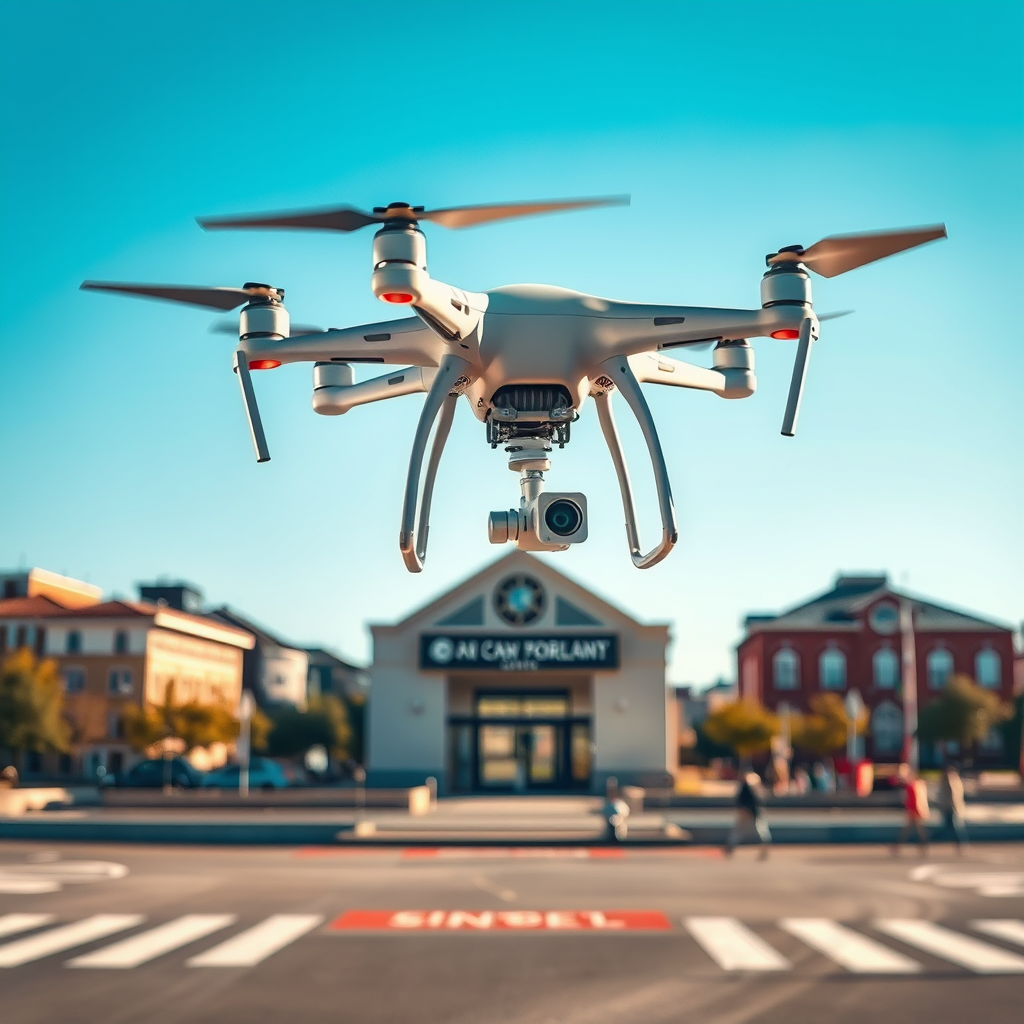
Before you take to the skies, it’s vital to research both federal and state regulations regarding drone use. In the United States, the Federal Aviation Administration (FAA) governs most drone operations, categorizing them into recreational and commercial use. Recreational users must adhere to the FAA’s guidelines and the community-based safety guidelines set by organizations like the Academy of Model Aeronautics (AMA).
State regulations can vary significantly; some states have enacted laws that impose additional restrictions on drone use, such as prohibiting flights over private property without consent. Local ordinances may also exist, especially in urban areas, so it is prudent to check with local authorities or city websites. For example, cities like San Francisco and New York have specific rules governing drone operations in public parks and near populated areas.
Airspace Restrictions
Identifying controlled and restricted airspace is a critical step in planning your drone flight. Controlled airspace generally refers to regions where air traffic control (ATC) has jurisdiction, typically near airports. Restricted airspace may include military installations, disaster zones, or areas where flight is prohibited for safety reasons.
To assist drone operators in navigating these airspace restrictions, several applications and websites provide real-time airspace information. Tools such as the FAA’s B4UFLY app or AirMap offer user-friendly interfaces that display no-fly zones and other airspace classifications. These tools often include visual representations of airspace boundaries, making it easier for drone pilots to plan their flights accordingly.
Permission and Permits
In certain locations, you may need special permission to fly your drone, particularly for commercial purposes. If you plan to operate a drone for commercial gain—such as aerial photography, surveying, or inspections—you must obtain a Part 107 Remote Pilot Certificate from the FAA. This certification involves passing a knowledge test that covers regulations, airspace classifications, weather, and drone operation.
Additionally, some states and municipalities may require specific permits or permissions for commercial drone use, particularly in densely populated areas or for specific activities. For instance, operating a drone for real estate photography may necessitate a permit in certain localities. Always verify local requirements to ensure compliance and avoid potential fines.
Safety Guidelines
Adhering to the FAA’s safety guidelines for flying drones is essential for both your safety and that of others. Some of the key safety practices include:
– Maintaining a visual line of sight: Keep your drone within your direct line of sight during operation to ensure better control and awareness of surroundings.
– Avoiding flights over people: It’s important to refrain from flying over crowds or individuals who are not involved in the drone operation to minimize risks.
– Respecting altitude limits: The FAA limits drone flights to a maximum altitude of 400 feet above ground level unless you are flying within 400 feet of a structure.
– Pre-flight checks: Conduct thorough pre-flight inspections of your drone, including battery status, GPS functionality, and hardware integrity, to mitigate operational risks.
By following these safety guidelines, you can contribute to a safer drone flying environment.
No-Fly Zones
Being aware of common no-fly zones is crucial for maintaining compliance with aviation regulations. Areas such as airports, military bases, and national parks generally have restrictions on drone flights. The FAA provides a list of these no-fly zones, which can also be accessed through various mapping applications.
For instance, flying near major airports typically requires permission from air traffic control, while military bases often have stringent regulations prohibiting drone flights entirely. Additionally, many national parks restrict drone use to preserve wildlife and the natural environment. Violating these no-fly zones can lead to significant penalties, including fines and potential legal action, so it is imperative to consult airspace information before flying.
Best Practices for Drone Operation
To ensure a smooth and responsible flying experience, incorporating best practices into your drone operations is essential. Start with a pre-flight checklist that includes verifying your drone’s battery levels, checking for firmware updates, and ensuring all components are functioning correctly.
Respecting privacy is also a critical consideration. Avoid capturing images or videos of private property without consent, as this can lead to legal repercussions and infringe on individuals’ rights. Additionally, familiarize yourself with local laws regarding privacy to avoid unintentional violations.
Educating yourself about the local environment can also enhance your flying experience. Understanding the topography, weather conditions, and potential hazards in the area will help you make informed decisions during your flight.
In conclusion, while flying a drone in your desired location may be possible, it is crucial to be informed about the regulations and best practices. Always prioritize safety and legality to enjoy a trouble-free flying experience. By understanding local laws, airspace restrictions, and adhering to safety protocols, you can operate your drone responsibly and contribute to the growing community of drone enthusiasts while minimizing risks and ensuring compliance.
Frequently Asked Questions
What are the general rules for flying a drone in public spaces?
The general rules for flying a drone in public spaces include adhering to the FAA regulations, keeping the drone within your line of sight, and maintaining a safe distance from people and property. Additionally, you must not fly near airports or in restricted airspace without permission. Always check local laws and regulations, as they may impose additional restrictions, especially in parks or urban areas.
How can I find out if I can drone here at a specific location?
To find out if you can fly a drone in a specific location, utilize resources like the FAA’s B4UFLY app, which provides real-time information about airspace restrictions and local regulations. Additionally, you can check with local government websites or contact the landowner or property manager for permission. Be sure to also look for any posted signs indicating drone use restrictions.
Why are there restrictions on where I can fly my drone?
Restrictions on drone flying locations are primarily in place to ensure public safety, protect privacy, and prevent interference with manned aircraft. Areas such as airports, military bases, and crowded urban environments can pose risks to both people and aircraft. Understanding these restrictions helps drone operators comply with laws and avoid potential fines or accidents.
What should I do if I accidentally fly my drone in a restricted area?
If you accidentally fly your drone into a restricted area, immediately land the drone and safely retrieve it. It’s crucial to assess your situation and avoid drawing attention to yourself. Familiarize yourself with the specific regulations for that area to avoid future violations, and consider reporting the incident to local authorities if necessary, as transparency can help mitigate any potential legal issues.
Which apps are best for checking drone regulations before flying?
The best apps for checking drone regulations include the FAA’s B4UFLY, Airmap, and DJI’s Fly Safe. These apps provide users with real-time information about airspace restrictions, local regulations, and no-fly zones, making it easier for drone pilots to plan their flights safely and legally. Utilizing these tools helps ensure you can drone here without facing penalties or safety risks.
References
- https://www.faa.gov/uas/getting_started/where_to_fly
- https://www.faa.gov/uas/
- https://en.wikipedia.org/wiki/Drone_regulation_in_the_United_States
- https://www.nps.gov/subjects/drones/index.htm
- https://www.ama-assn.org/delivering-care/public-health/drone-regulations
- https://www.npr.org/2021/04/25/990006679/small-drones-are-here-to-stay-but-so-are-their-rules
- https://www.reuters.com/technology/us-faa-launches-new-drone-regulations-2021-12-31/
- https://www.theguardian.com/us-news/2021/jun/15/us-drone-regulations-FAA-rules
