
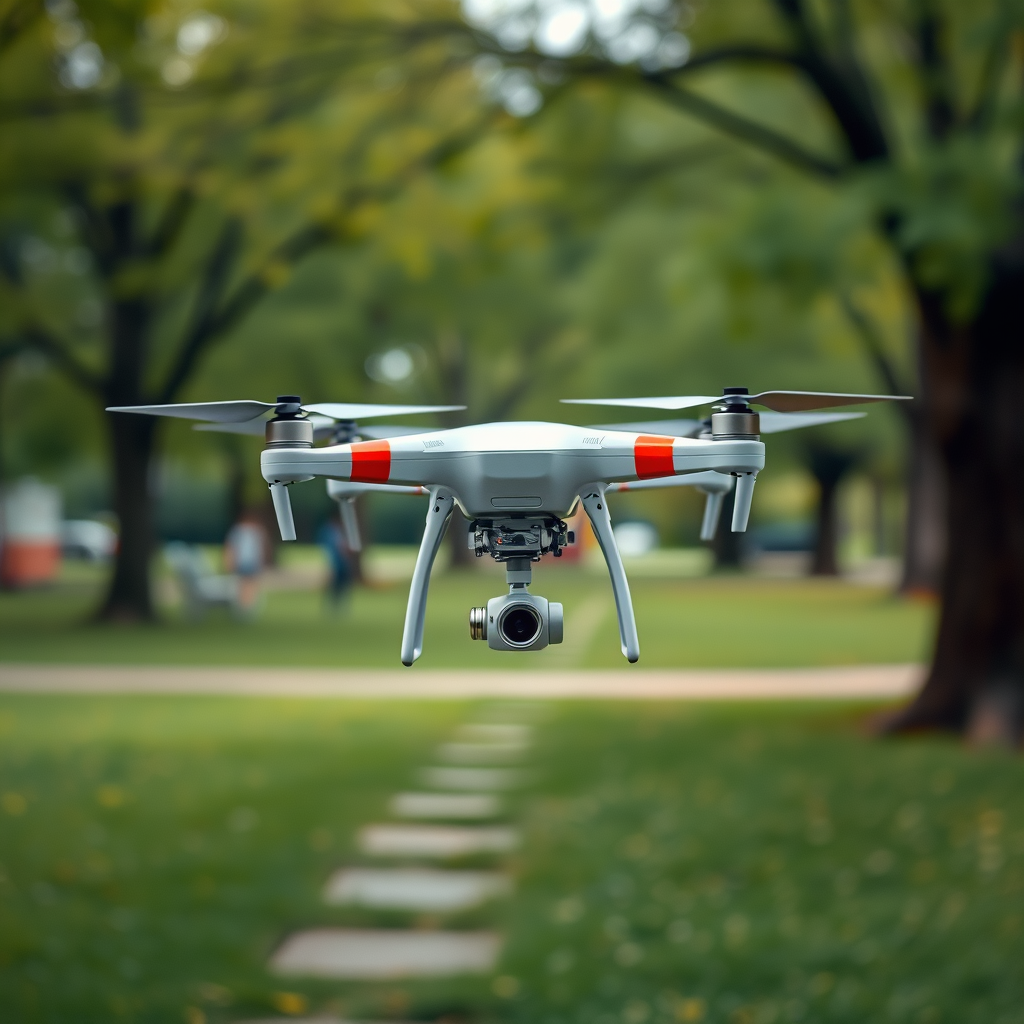
Yes, you can fly a drone in a park, but there are specific regulations and guidelines you must follow. Understanding these rules is crucial to ensure a safe and enjoyable flying experience while being considerate of others and the environment. Parks often have unique regulations, and adherence to federal and local laws is essential for responsible drone operation. This blog post will guide you through the important considerations for flying drones in parks, ensuring you remain compliant and respectful while enjoying the aerial view.
Understanding Local Drone Regulations
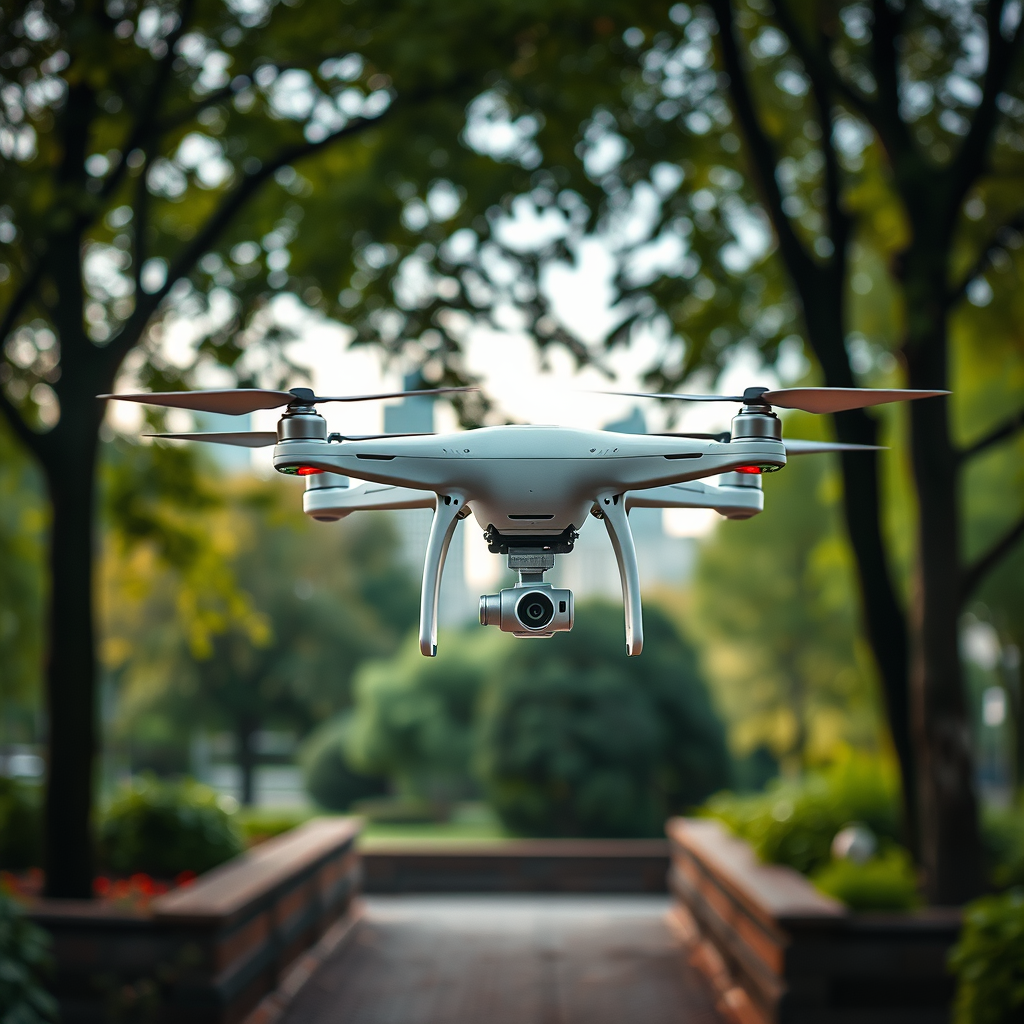
Before you launch your drone in a park, it’s imperative to research local laws regarding drone usage in public parks. Different states and municipalities may have varying regulations that can greatly impact your flying experience. For instance, some parks may completely prohibit drone flying, while others may allow it with specific restrictions. Websites for local government or parks departments often provide updated information on drone policies.
Additionally, many urban parks have designated zones for drone flying, while others may impose time restrictions or require permits for operation. Always check if the park has specific rules or restrictions on drone flying by visiting official park websites or contacting park management directly. This proactive approach ensures you avoid fines or penalties and promotes a culture of responsible drone usage in your community.
Federal Aviation Administration (FAA) Guidelines
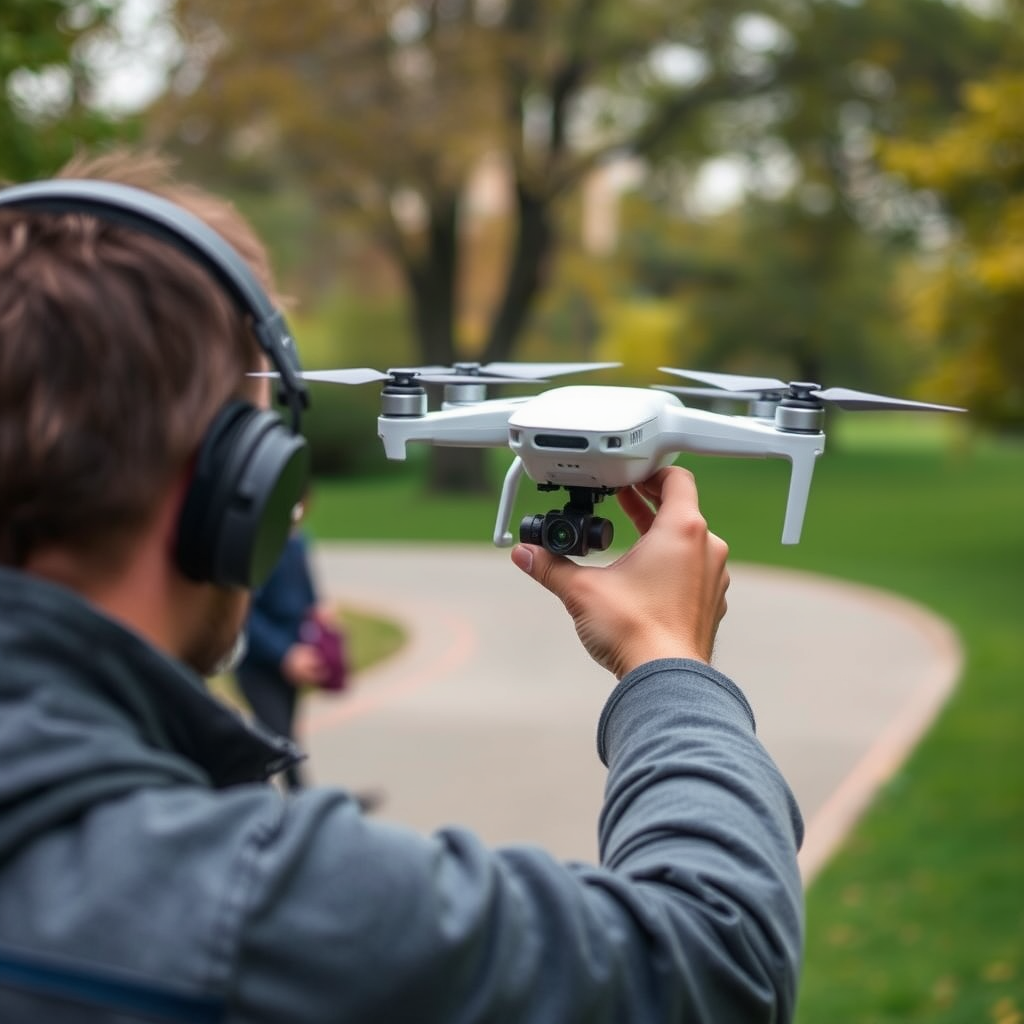
Familiarizing yourself with the Federal Aviation Administration (FAA) regulations for recreational drone flying is crucial. The FAA requires that all drones weighing more than 0.55 pounds be registered, which includes many consumer drones. Registration is a straightforward process that can be completed online and provides a unique identification number for your drone, enhancing accountability.
Moreover, the FAA mandates that drone pilots adhere to specific operational guidelines. These include flying below 400 feet, maintaining visual line of sight with your drone, and avoiding flying near airports or in restricted airspace. Understanding these regulations not only keeps you compliant but also ensures the safety of your drone operations and other individuals in the vicinity.
Designated Flying Areas in Parks
Identifying areas within the park that are designated for drone flying can enhance your experience and ensure compliance with regulations. Many parks will have specific zones marked with signs indicating where flying is permitted or prohibited. For example, some parks may allow drone flying in open fields while restricting it near playgrounds, picnic areas, or sensitive wildlife habitats.
To make your flying experience enjoyable and within the boundaries of the law, familiarize yourself with these designated areas. Utilize park maps available online or at the park entrance to locate these zones. Additionally, some parks may offer designated times for drone flying, especially during off-peak hours when fewer visitors are present.
Safety Best Practices When Flying Drones
Safety should always be your top priority when operating a drone. Always maintain visual line of sight with your drone, which means keeping it within your direct line of sight without the aid of binoculars or other visual enhancements. This practice not only ensures you can navigate and control your drone effectively but also helps you avoid obstacles such as trees, buildings, and other park visitors.
Moreover, avoid flying over crowds or private property to ensure safety. In densely populated parks, consider flying during less busy times or seeking out quieter areas where you can enjoy your drone without risking the safety or comfort of others. Following these best practices not only protects you and your equipment but also fosters a positive relationship with the community and fellow park-goers.
Respecting Wildlife and Nature
Being mindful of wildlife and nature is essential when flying a drone in a park. Drones can pose disturbances to local wildlife, especially during nesting seasons or in sensitive habitats. Avoid flying near areas known to host wildlife, and always keep your drone at a respectful distance from animals to prevent stress or disruption to their natural behaviors.
In addition to respecting wildlife, it’s important to limit noise and disturbances caused by drone operation. Excessive noise can disrupt the tranquility of natural spaces and deter both wildlife and other park visitors. By flying responsibly and choosing appropriate times and locations, you can enjoy your drone while preserving the serene environment of the park.
Obtaining Necessary Permits
In some parks, particularly those that are part of state or national park systems, you may need to obtain a permit for commercial drone usage. These permits are often required for activities such as aerial photography, videography, or other commercial endeavors. It’s essential to check with park authorities for any required permissions well in advance of your planned drone flight.
Obtaining the necessary permits not only ensures compliance with regulations but also demonstrates your commitment to responsible drone operation. Engaging with park management can also provide insights into specific areas where drone flying is encouraged and any events or activities that may require special consideration.
Community Etiquette and Consideration
Respecting other park visitors is paramount when flying a drone. Be mindful of your surroundings and avoid flying in crowded areas, particularly during peak times when families and children are present. Maintain a courteous demeanor and be prepared to engage in conversations with fellow park-goers, as they may have questions or concerns about your drone usage.
Consider the time of day and weather conditions when planning your drone flights. Early mornings or later afternoons may provide optimal conditions for flying while minimizing disruptions to others. Additionally, be aware of park rules regarding noise levels and be prepared to adjust your flying style accordingly to ensure a positive experience for everyone in the park.
In conclusion, flying a drone in a park is possible, but it requires awareness of regulations, safety practices, and respect for nature and fellow park-goers. By understanding local and federal guidelines, identifying designated flying areas, and adhering to best practices for safety and wildlife consideration, you can enjoy your drone flying experience responsibly. Always check local rules and engage with park authorities when necessary to ensure compliance and foster a positive environment for all. Enjoy your flying responsibly, and remember to appreciate the beauty of nature from above!
Frequently Asked Questions
Can I fly a drone in a public park?
Yes, you can typically fly a drone in a public park, but it is essential to check local regulations and park rules first. Many parks have specific guidelines regarding drone usage, which may include designated flying zones, altitude limits, and restrictions on flying near people or wildlife. Always ensure you are flying in compliance with FAA regulations as well.
What are the rules for flying a drone in city parks?
The rules for flying drones in city parks can vary significantly based on local laws and park management policies. Generally, you should avoid flying in crowded areas, stay below 400 feet, and keep your drone within visual line of sight. Some cities may require permits or registration for drone use in parks, so it’s best to consult your city’s official website or the park’s management for specific guidelines.
Why is it important to know the drone laws before flying in a park?
Knowing drone laws before flying in a park is crucial to avoid legal penalties and ensure the safety of others. Violating regulations can lead to fines, confiscation of your drone, or even criminal charges in severe cases. Additionally, understanding the laws helps maintain a positive relationship with park authorities and other park-goers who may be affected by your drone activities.
What should I do if I see someone flying a drone in a park?
If you see someone flying a drone in a park and are concerned about safety or compliance, first assess whether they are following the park’s rules and FAA regulations. If you believe they are not, approach them politely to discuss your concerns. If the situation warrants it, you can also report the activity to park authorities or local law enforcement for further investigation.
Which types of drones are best suited for flying in parks?
The best types of drones for flying in parks are those that are lightweight, have a good battery life, and come equipped with safety features such as GPS and obstacle avoidance. Drones like the DJI Mini series are popular choices due to their portability and user-friendly controls, making them ideal for recreational use in parks. Always consider the drone’s capabilities and ensure it complies with local regulations before flying.
References
- https://en.wikipedia.org/wiki/Drone_regulations
- https://www.faa.gov/uas/getting_started/
- https://www.nps.gov/subjects/drones/index.htm
- https://www.theguardian.com/technology/2020/jan/28/drone-regulations-uk-flying-in-parks
- https://www.faa.gov/uas/resources/pubs/media/DroneFlyer.pdf
- https://www.ama-flights.com/
- https://www.nytimes.com/2022/03/14/us/drone-park-regulations.html
