
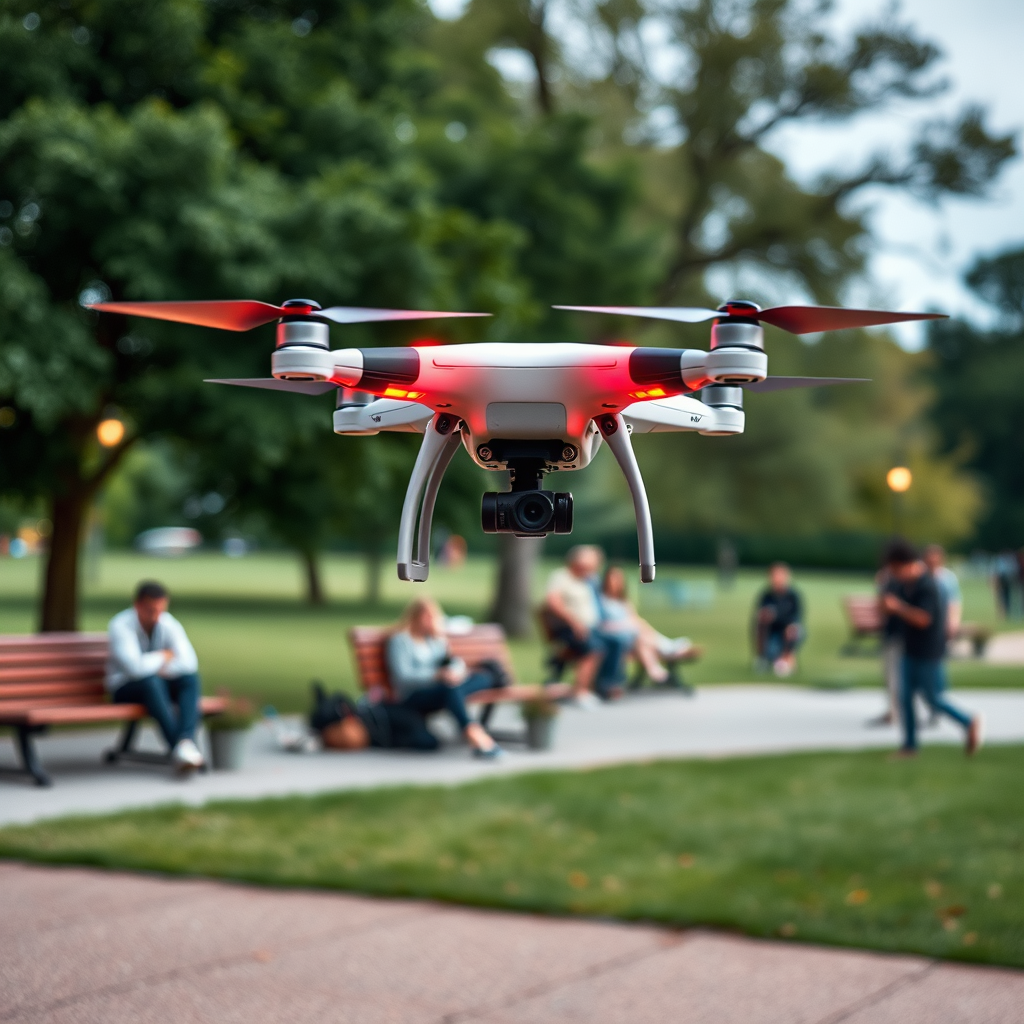
Yes, you can fly a drone in a public park, but there are specific rules and regulations you must follow. Understanding these guidelines will help ensure that you enjoy your flying experience without facing legal issues or disturbing others. Drones have gained immense popularity among hobbyists and professionals alike, offering unique perspectives and creative possibilities. However, the freedom to fly comes with responsibilities, particularly in public spaces where other individuals are present.
Understanding Local Laws and Regulations
Before taking your drone to a public park, it is crucial to research local drone laws, as regulations can vary significantly by city and state. Many municipalities have enacted specific ordinances governing drone use in public spaces to address safety concerns, privacy issues, and noise pollution. For instance, cities like Los Angeles and New York have strict regulations that limit where drones can be flown, often requiring permits for flight in certain areas.
Additionally, it’s essential to check if the park itself has specific regulations regarding drone use. Some parks may have designated areas for drone flying, while others may prohibit it entirely to protect wildlife or ensure the safety of park-goers. Websites or contact numbers for local parks and recreation departments can provide valuable information regarding these regulations. Always ensure you are compliant with both state and local laws to avoid potential fines and legal repercussions.
Federal Aviation Administration (FAA) Guidelines
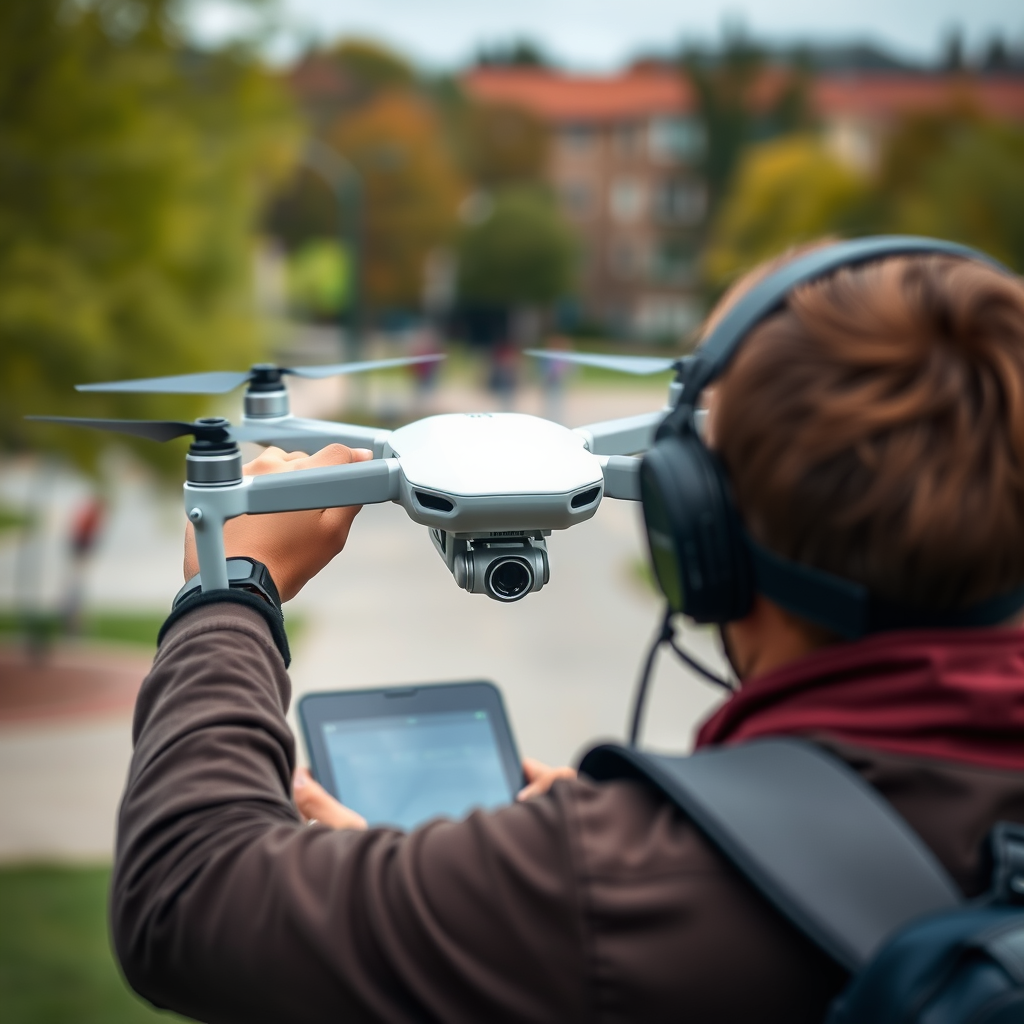
In the United States, the Federal Aviation Administration (FAA) sets forth guidelines for recreational drone flying that all drone operators must follow. Familiarizing yourself with these rules is essential. For instance, the FAA mandates that you must fly at or below 400 feet, keep your drone within visual line of sight, and avoid flying near other aircraft, especially near airports.
Another critical requirement is drone registration. If your drone weighs over 0.55 pounds (approximately 250 grams), you must register it with the FAA. This process is straightforward and can be completed online for a nominal fee. Not only does registration help keep track of drone ownership, but it also promotes responsible drone use among hobbyists. Compliance with FAA regulations not only enhances safety but also legitimizes your status as a responsible drone operator.
Safety Considerations
Safety should always be a top priority when flying a drone in a public park. Always maintain a visual line of sight with your drone, which means you should be able to see your drone without the aid of binoculars or other devices at all times. This practice not only ensures you can maintain control of the drone but also helps you avoid potential collisions with obstacles or other individuals.
Moreover, it is advisable to avoid flying near people, animals, or sensitive areas such as playgrounds and sports fields. Drones can be distracting and may cause panic or injury if they come too close to unsuspecting individuals. For example, flying over a crowded picnic area could lead to accidents or complaints. Always be mindful of your surroundings and choose flight paths that minimize risks to others, ensuring a safe and enjoyable experience for all park visitors.
Respecting Privacy and Others
When flying a drone, respecting the privacy of individuals is paramount. Be mindful of the fact that many people may not want to be filmed or photographed without their consent. Avoid capturing images or videos of people, particularly in situations where they have a reasonable expectation of privacy, such as in their homes or while using public facilities.
In some areas, laws regarding privacy can be quite strict. For instance, some states have enacted legislation that makes it illegal to record individuals without their consent, especially in private settings. To avoid potential legal issues, it is best practice to focus on landscapes or other non-human subjects when flying your drone. Consider informing individuals nearby that you are flying a drone, especially if you plan to take footage in a public space, as this can help build goodwill and transparency.
Best Practices for Flying in Public Parks
To ensure an enjoyable drone-flying experience in public parks, consider adopting best practices. One effective strategy is to choose times when the park is less crowded for your flights. Early mornings or weekdays are often ideal times to avoid large crowds and minimize distractions. This approach not only enhances your flying experience but also reduces the likelihood of disturbing others.
Additionally, follow any park-specific guidelines that may be in place. Some parks may have designated flying zones, while others may have specific restrictions on flight times or the types of drones that can be used. Always read posted signs or contact park authorities before setting up for your flight. By adhering to these guidelines, you demonstrate respect for the park and its visitors, fostering a positive environment for all.
Potential Consequences of Non-compliance
Failure to comply with drone regulations can have serious consequences. Understand that the penalties for violating drone regulations can include fines, confiscation of your drone, or even criminal charges in severe cases. For example, flying a drone near an airport without permission could lead to hefty fines and legal consequences, as it poses a significant safety risk to manned aircraft.
Moreover, repeated offenses could lead to more severe legal actions, including the possibility of losing your right to operate a drone altogether. To protect your interests, it is essential to stay informed about regulatory changes and ensure compliance with all applicable laws and guidelines. Taking the time to understand and adhere to drone regulations is a critical step in becoming a responsible drone operator.
In summary, flying a drone in a public park can be a rewarding experience, but it comes with a responsibility to adhere to local laws, FAA regulations, and safety best practices. By understanding and respecting these guidelines, you can enjoy your drone flying while ensuring the safety and privacy of others. Always check for specific park rules before taking off to enhance your flying experience and foster a respectful environment for all park-goers.
Frequently Asked Questions
What are the regulations for flying a drone in a public park?
Regulations for flying a drone in public parks can vary significantly depending on the location. Generally, you must adhere to federal regulations established by the FAA, which include flying below 400 feet, keeping your drone within visual line of sight, and avoiding restricted airspace. Additionally, many parks have their own rules that may prohibit drone use altogether or require permits. Always check the local park authority’s website or contact them directly for specific guidelines.
How can I find out if a public park allows drone flying?
To determine if a public park allows drone flying, start by visiting the park’s official website or the local government’s website that manages the park. Look for sections related to park rules, regulations, or FAQs. You can also call the park’s visitor center or administration office to get the most accurate and up-to-date information regarding drone use in that area.
Why do some public parks restrict drone usage?
Some public parks restrict drone usage to ensure the safety and enjoyment of all visitors, protect wildlife, and minimize disturbances to natural habitats. Drones can pose risks such as accidents, noise pollution, and interference with other park activities. By implementing restrictions, park authorities aim to create a peaceful environment for wildlife and park-goers alike.
What are the best practices for flying a drone in public parks where it is allowed?
If you are permitted to fly a drone in a public park, always follow best practices such as maintaining a safe distance from people and wildlife, staying within designated flight areas, and flying at reasonable altitudes. Additionally, be respectful of your surroundings by not creating noise disturbances and ensuring you do not invade others’ privacy. Lastly, always carry any required permits and adhere to local regulations to avoid potential fines.
Which drones are best suited for flying in public parks?
The best drones for flying in public parks are those that are lightweight, easy to control, and equipped with features like GPS stabilization for safer flying. Popular models include the DJI Mini series for their compact size and user-friendly interface, making them ideal for beginners. Additionally, consider drones with long battery life to enjoy extended flight times and those that are compliant with FAA regulations to ensure a hassle-free flying experience.
References
- https://www.faa.gov/uas/getting_started/where_to_fly
- https://www.nps.gov/subjects/drones/index.htm
- https://www.wired.com/story/drone-regulations-guide/
- https://www.nytimes.com/2021/09/23/us/drone-parks.html
- https://www.ama-flightschool.com/drones-in-public-parks/
- https://www.dronepilotgroundschool.com/drone-laws-public-parks/
