

Yes, you can fly a drone in a residential area, but there are specific regulations and guidelines you must follow. It is essential to be aware of local laws, federal regulations, safety practices, and community etiquette to ensure that you can enjoy your drone-flying experience without causing disruptions or legal issues. Being informed will not only help you fly responsibly but also enhance the overall perception of drone enthusiasts within your community.
Understanding Local Regulations
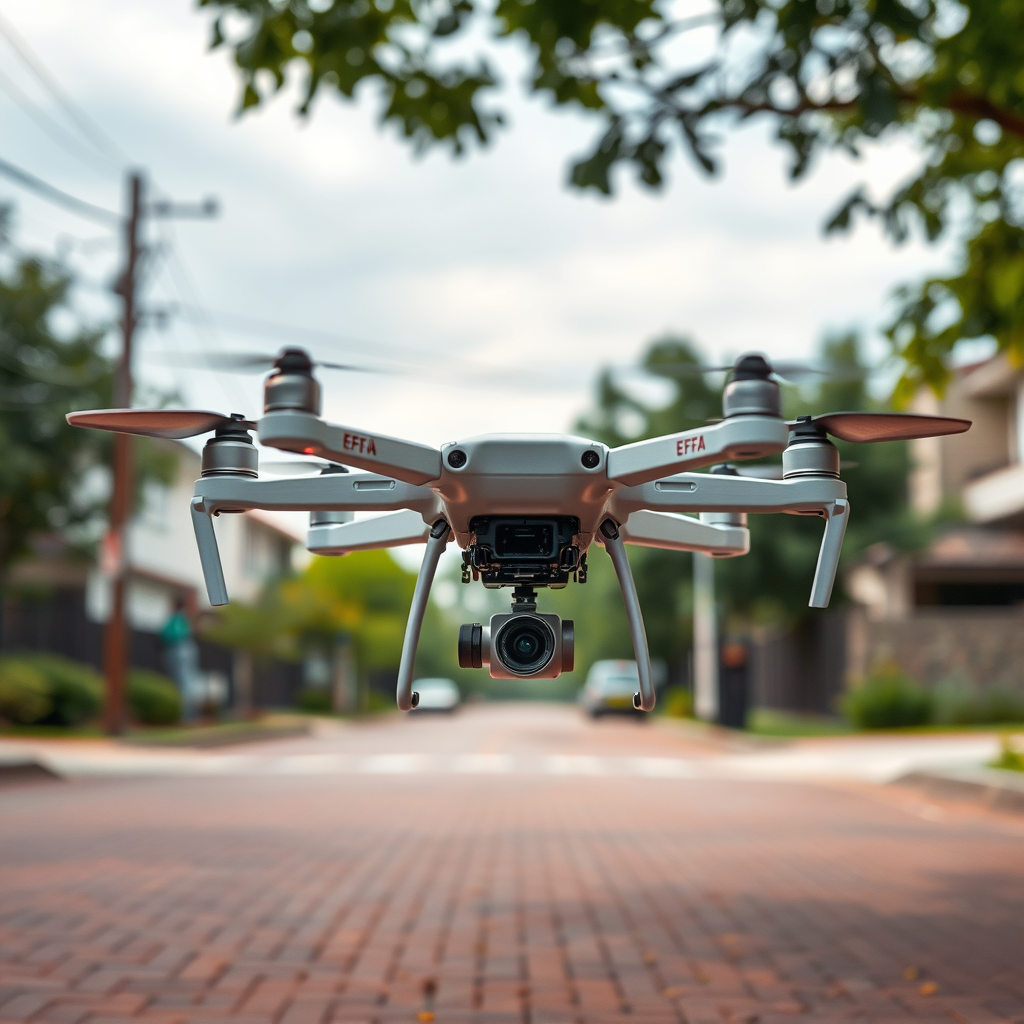
Flying a drone in a residential area is not as straightforward as simply taking to the skies; it requires an understanding of local regulations that vary significantly from one municipality to another. Many cities have implemented specific laws governing drone use to address concerns related to safety and privacy. Before you launch your drone, check with your local government or aviation authority to determine if there are any drone-specific ordinances or restrictions.
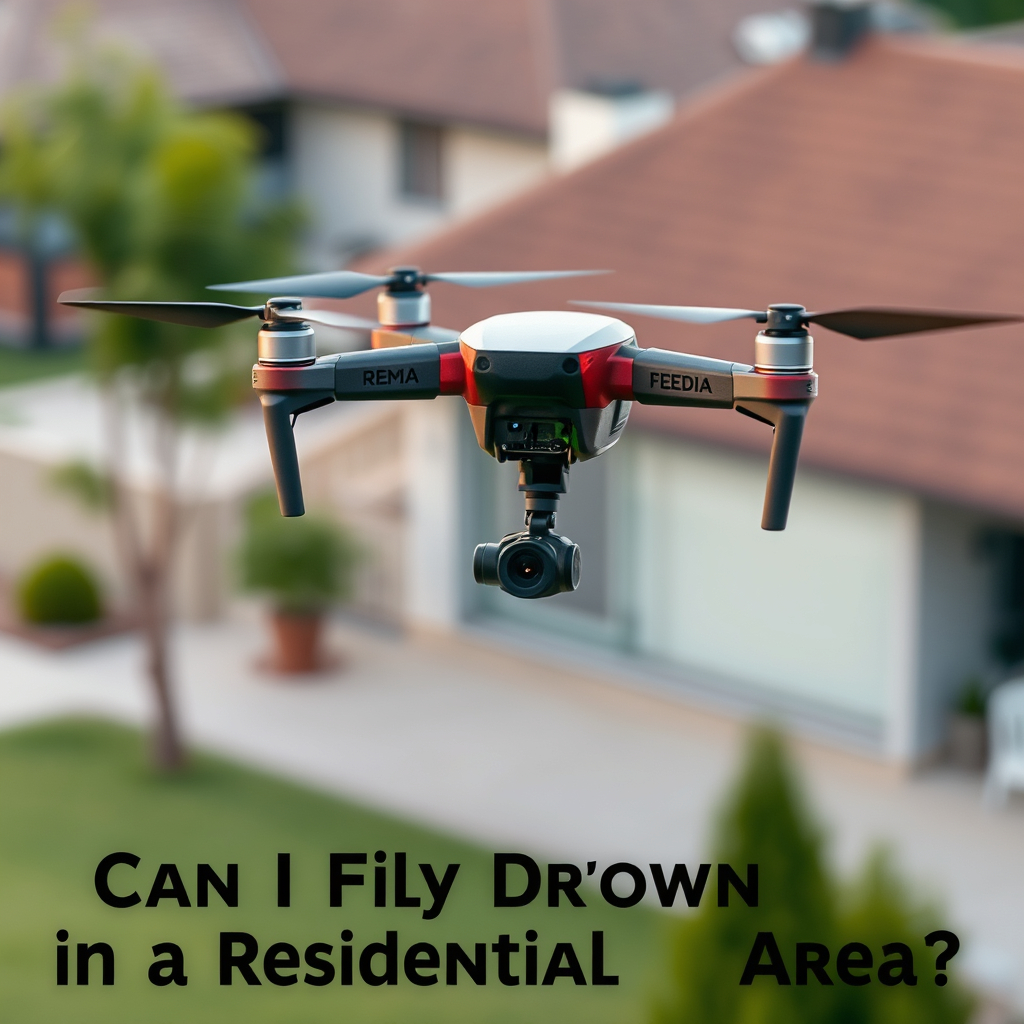
Additionally, it’s crucial to identify any no-fly zones in your area, which may include airports, parks, and sensitive locations such as government buildings or schools. Some cities also implement temporary restrictions for events or during emergencies. Online resources, such as the FAA’s UAS Facility Maps or local government websites, can provide valuable information on these regulations.
FAA Guidelines for Drone Operation
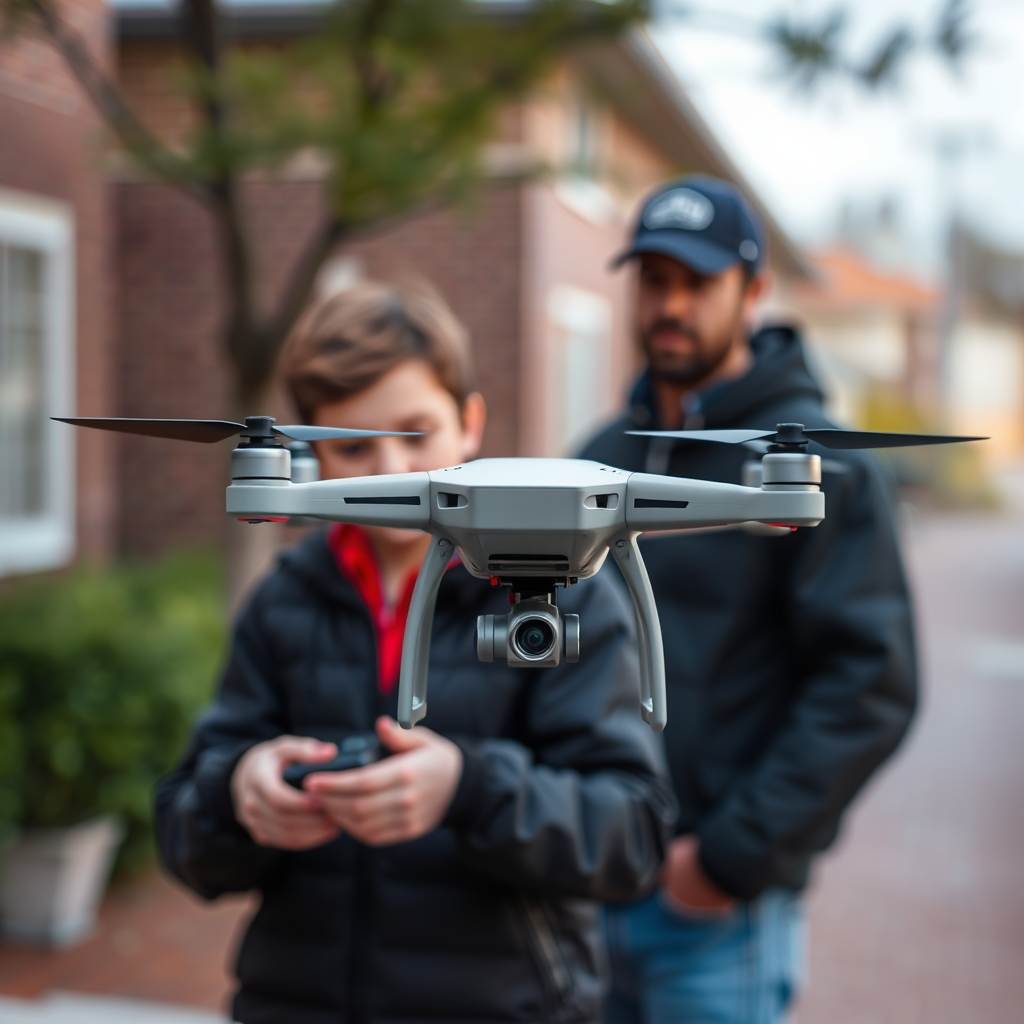
The Federal Aviation Administration (FAA) plays a pivotal role in regulating drone operations across the United States. According to FAA guidelines, flying a drone in a residential area is permissible as long as you comply with certain rules. One critical requirement is the registration of your drone if it weighs over 0.55 pounds. Registration can be done online and helps ensure accountability among drone operators.
Moreover, the FAA mandates that drone pilots adhere to visual line-of-sight operation, meaning you must keep your drone within sight during flight. Flying at a maximum altitude of 400 feet and avoiding airspace near airports are additional essential guidelines. For those interested in commercial drone use, obtaining a Remote Pilot Certificate through the FAA is necessary, which requires passing a knowledge test on regulations, weather, and safety.
Safety Considerations
Safety should always be a top priority when flying drones, especially in residential areas where people and pets are present. It is advisable to maintain a safe distance from individuals, animals, and private property. The FAA recommends operating your drone at least 25 feet away from people and avoiding flights directly over crowds or gatherings.
In addition to general safety practices, be mindful of sensitive areas such as schools, hospitals, and emergency response sites. These locations often have strict regulations regarding drone operations to ensure public safety and minimize disruptions. Taking these precautions not only protects those around you but also helps build a positive reputation for drone operators in your community.
Respecting Privacy
Drone technology has transformed the way we capture images and videos, but it also raises significant privacy concerns. Understanding privacy laws is essential if you plan to use your drone for photography or videography in residential areas. Many states have enacted laws that protect individuals from having their privacy infringed upon by aerial surveillance.
To respect privacy, always obtain consent from property owners before capturing images of their homes or yards. Additionally, be aware of the “reasonable expectation of privacy” standard, which applies to areas where individuals expect privacy, such as backyards or private events. By being considerate of privacy laws and practices, you can avoid legal complications and foster a respectful relationship with your neighbors.
Community Etiquette
Flying a drone in a residential area requires a level of courtesy towards your neighbors and the community at large. One way to maintain goodwill is to inform your neighbors ahead of time when you plan to fly your drone, particularly if it involves extended flights or if you intend to fly during off-hours. Open communication can alleviate concerns and reduce the likelihood of complaints.
Moreover, be considerate of noise levels associated with drone operation. Some drones can be quite loud, and flying them during late-night or early-morning hours can disturb the peace. Opting for quieter drones and choosing appropriate times for flights can help you maintain a harmonious relationship with your community.
Tips for a Positive Drone Experience
To ensure a positive drone flying experience in residential areas, consider some practical tips. First, select appropriate times and locations for your flights—early mornings or late evenings may be less disruptive than mid-afternoon hours. Additionally, avoid flying when weather conditions are poor, as this can lead to loss of control and increase safety risks.
Joining local drone enthusiast groups can also provide valuable insights and shared experiences. These communities often have knowledge regarding the best practices for drone operation in specific areas, as well as information about local regulations and upcoming events. Engaging with fellow enthusiasts can enhance your knowledge and improve your flying experience while fostering a sense of camaraderie.
In summary, flying a drone in a residential area is permissible as long as you adhere to regulations, prioritize safety, and respect your neighbors’ privacy. By staying informed about local laws and community etiquette, you can enjoy your drone-flying activities without causing disturbances or legal issues. Embracing a responsible approach to drone operation will not only enhance your experience but also contribute to a more positive perception of drone enthusiasts within your community.
Frequently Asked Questions
Can I fly a drone in a residential area legally?
Yes, you can fly a drone in a residential area, but there are specific regulations you must follow to ensure legality and safety. In the United States, the Federal Aviation Administration (FAA) requires drone operators to adhere to guidelines such as flying below 400 feet, maintaining visual line of sight, and not flying over people without permission. Additionally, you should check local laws and homeowners’ association rules, as they may impose further restrictions on drone use in residential neighborhoods.
What are the common restrictions for flying drones in residential areas?
Common restrictions for flying drones in residential areas include maintaining a safe distance from people, property, and private airspace. Many municipalities have specific local ordinances that may prohibit flying drones over homes or gatherings without consent. It’s also important to respect the privacy of your neighbors, as flying too close to their property could lead to privacy violations or complaints.
How can I ensure I fly my drone responsibly in a residential neighborhood?
To fly your drone responsibly in a residential neighborhood, start by familiarizing yourself with the FAA regulations and any local laws regarding drone use. Always obtain permission from property owners before flying over their land, and respect their privacy by avoiding flights over homes or backyards. Additionally, consider flying during times when residents are less likely to be outside, and keep noise to a minimum to avoid disturbing your neighbors.
Why is it important to notify neighbors before flying a drone in my residential area?
Notifying neighbors before flying a drone in your residential area is crucial for maintaining good relationships and avoiding potential conflicts. Many people may be unfamiliar with drone regulations, and informing them can alleviate concerns about privacy, safety, and noise. Moreover, establishing communication can help you address any issues they may have proactively, ensuring a more harmonious neighborhood experience.
What is the best time to fly a drone in a residential area?
The best time to fly a drone in a residential area is typically during daylight hours when there is ample visibility, but it’s wise to consider times when residents are less likely to be outdoors, such as early mornings or late afternoons on weekdays. Avoid flying during weekends or holidays when people are more likely to be outside. Additionally, check the weather conditions to ensure safe flying, as strong winds or rain can adversely affect your drone’s performance.
References
- https://www.faa.gov/uas/getting_started/remote_id
- https://www.faa.gov/uas/recreational_fliers/
- https://www.nolo.com/legal-encyclopedia/drone-laws-what-you-need-know-32249.html
- https://www.nytimes.com/2021/07/26/business/drone-laws.html
- https://www.consumerreports.org/drone-safety/what-to-know-about-drone-laws-a44411351/
- https://www.wired.com/story/drone-regulations-2023/
- https://www.southampton.ac.uk/assets/centres/air-traffic-management/drone-regulations.pdf
- https://www.nrc.gov/docs/ML1830/ML18306A206.pdf
