

Yes, you can fly a drone in an authorization zone, but you must obtain the proper permissions and adhere to specific regulations set by aviation authorities. Understanding these guidelines is crucial to ensure safety and compliance while operating your drone. Failure to do so may result in legal repercussions and safety hazards, making it essential for drone operators to be well-informed about the requirements for flying in these restricted areas.
Understanding Authorization Zones

Authorization zones are designated airspaces where drone operations are restricted or regulated due to safety and security concerns. The primary purpose of these zones is to protect sensitive locations and ensure the safety of both manned and unmanned aircraft. Common examples of authorization zones include areas near airports, where air traffic is dense, and military bases, which may have heightened security measures to prevent unauthorized surveillance or interference. These zones can also include regions around emergency response sites or large public events where crowds gather, necessitating stricter control over aerial activities.
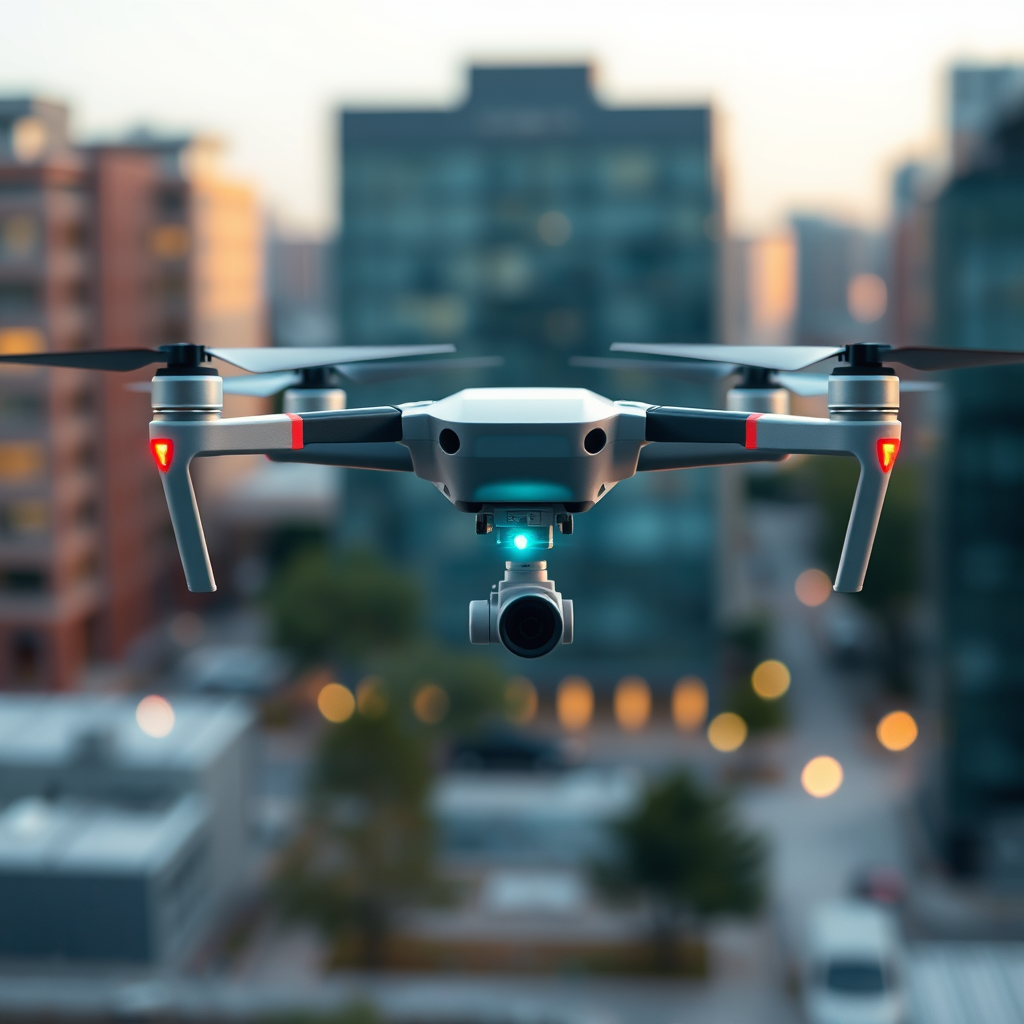
Authorization zones are typically defined by geographic boundaries and can vary in size and restrictions based on the proximity to critical infrastructure. For drone operators, understanding the nature and scope of these zones is essential for legal compliance and safe flight operations.
Regulatory Framework
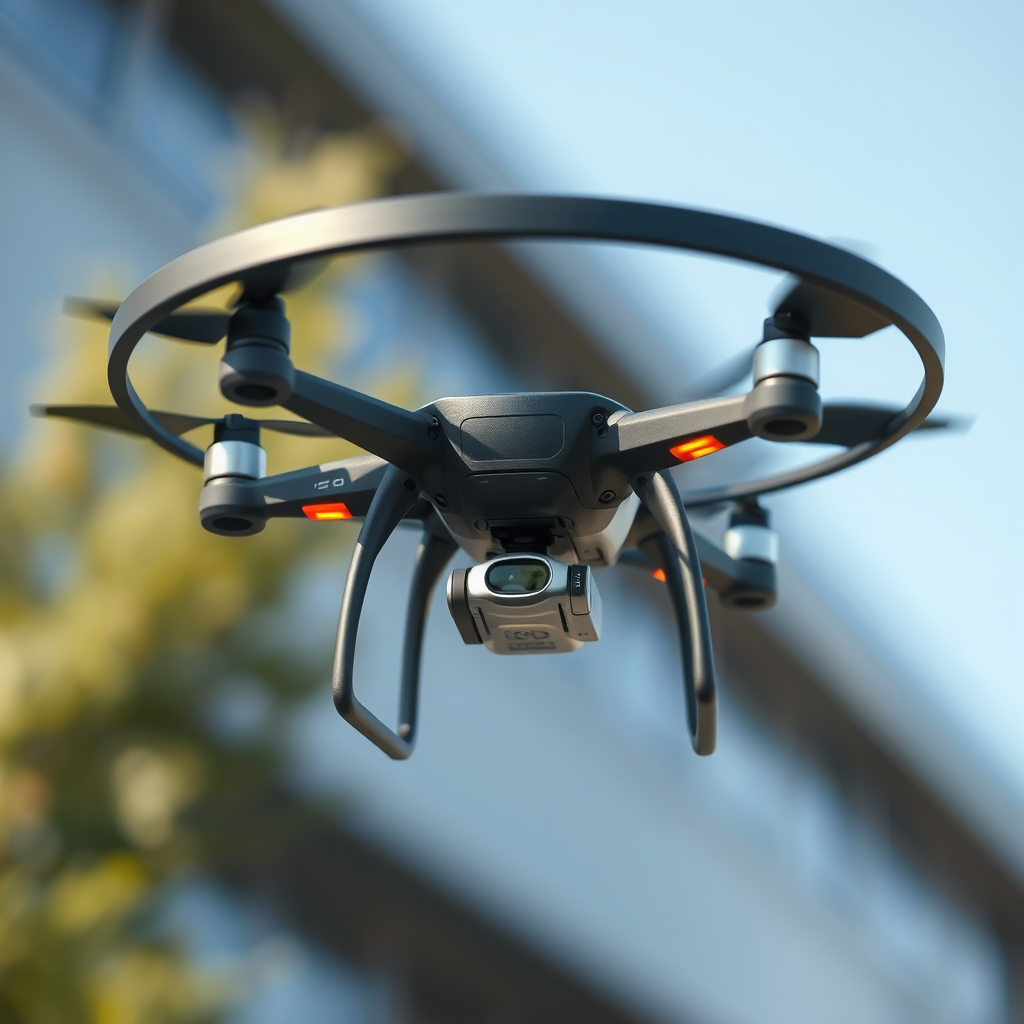
The Federal Aviation Administration (FAA) is the governing body overseeing drone operations in the United States. According to FAA regulations, drones are classified under Part 107, which outlines the requirements for commercial drone use, including those flying in authorization zones. Under these regulations, drone pilots must obtain a Remote Pilot Certificate, adhere to specific operational limits, and maintain visual line-of-sight with their drone at all times.
Additionally, local laws may impose further restrictions on drone operations. For instance, some municipalities may have ordinances that prohibit flying over private property or certain public spaces. It is crucial for drone operators to familiarize themselves with both federal and local regulations to avoid potential legal issues. Neglecting to do so can lead to fines or even criminal charges, depending on the severity of the infraction.
Obtaining Permissions
To fly a drone in an authorization zone, operators must go through a formal application process to obtain the necessary permissions. This typically involves submitting a request to the FAA, detailing the purpose of the flight, the specific location, and the intended flight path.
The application process may require several key documents, including:
– A completed FAA Form 7711-1 for a Certificate of Waiver or Authorization (COA).
– A detailed flight plan outlining the operational parameters.
– Proof of insurance, if applicable.
– Any relevant certifications or licenses of the drone pilot.
The approval process can take time, so it is advisable to apply well in advance of the planned flight date. Additionally, some states or local jurisdictions may have their own application procedures that must be followed, further emphasizing the importance of thorough research ahead of time.
Safety Considerations
When flying in authorization zones, adhering to safety protocols is paramount. Safety measures help mitigate potential risks associated with drone operations, especially in environments with other aircraft and people. Operators should conduct thorough pre-flight checks, including equipment inspections and verifying that all systems are functioning properly.
Potential risks include collision with other aircraft, interference with emergency response operations, and accidents involving people or property on the ground. To mitigate these risks, drone operators should implement best practices such as maintaining a safe distance from manned aircraft, avoiding flights in adverse weather conditions, and ensuring that they have an emergency plan in place.
Additionally, drone operators must remain vigilant and responsive to changes in the environment, such as unexpected air traffic or weather conditions that may impact the safety of their operations.
Tools and Resources
Several tools and resources are available to help drone operators navigate authorization zones effectively. One of the most widely used tools is the FAA’s B4UFLY app, which provides real-time information about airspace restrictions, including authorization zones. This app allows users to check the status of their intended flight area and receive alerts about temporary flight restrictions.
Other useful websites include the FAA’s official website, which contains regulatory updates and guidance documents, as well as drone mapping services like SkyVector and AirMap that offer detailed airspace maps and relevant information regarding drone operations. Staying updated on changes in regulations and airspace designations is crucial for responsible drone flying.
Consequences of Non-Compliance
Flying a drone without the necessary authorization in restricted zones can lead to serious consequences. Penalties can range from fines imposed by the FAA to more severe legal actions, including criminal charges. For instance, unauthorized drone operators may face fines of up to $20,000, and in some cases, may even be subjected to confiscation of their equipment.
Real-life examples illustrate the seriousness of non-compliance. In 2019, a drone operator was fined $13,000 for flying without permission near a major airport, endangering commercial flights. Such incidents highlight the importance of adhering to regulations and obtaining the necessary permissions before flying in regulated airspaces.
Tips for Responsible Drone Flying
To ensure safe and legal drone operations, operators should adhere to several best practices. First and foremost, always obtain the necessary authorizations before flying in restricted zones. This includes staying informed about airspace regulations and being aware of any temporary restrictions that may be in place.
Additionally, operators should invest in quality equipment that includes features such as geofencing, which can prevent drones from entering restricted areas. Regular training and education on the latest drone regulations and safety protocols will also contribute to responsible flying practices.
Finally, drone operators are encouraged to join local drone clubs or organizations where they can share experiences, gain insights, and stay updated on changes in laws and regulations that affect their operations.
In conclusion, while flying a drone in an authorization zone is possible, it requires careful planning and adherence to regulations. Always ensure you have the necessary permissions and stay informed about the laws to enjoy a safe flying experience. By following the outlined guidelines, drone operators can navigate the complexities of authorization zones effectively and contribute to the safe integration of drones into our airspace.
Frequently Asked Questions
What is an authorization zone for flying drones?
An authorization zone for flying drones refers to specific airspace areas where operators must obtain permission from relevant authorities before conducting drone flights. These zones are typically located near airports, military bases, or other sensitive locations to ensure safety and security. Understanding these zones is crucial for drone pilots to avoid legal issues and ensure compliance with FAA regulations.
How can I get permission to fly a drone in an authorization zone?
To obtain permission to fly a drone in an authorization zone, you must submit a request through the FAA’s Low Altitude Authorization and Notification Capability (LAANC) system, or contact the appropriate air traffic control (ATC) facility directly. This process usually involves detailing your flight plans and ensuring adherence to safety guidelines. Be prepared to provide information such as your drone’s specifications, the purpose of the flight, and the intended flight path.
Why is it important to know about authorization zones before flying a drone?
Knowing about authorization zones is essential for drone operators to maintain compliance with aviation regulations and avoid potential fines or penalties. Flying in these zones without proper authorization can pose safety risks to manned aircraft and may lead to serious legal consequences. By understanding these restrictions, drone pilots can plan their flights more effectively and contribute to safer airspace management.
What are the consequences of flying a drone in an authorization zone without permission?
Flying a drone in an authorization zone without proper permission can lead to severe consequences, including hefty fines, confiscation of the drone, and potential criminal charges. The FAA takes unauthorized drone flights very seriously, as they can endanger manned aircraft and disrupt air traffic. Additionally, repeat offenders may face increased scrutiny and additional penalties, making it crucial to comply with all regulations.
Which drones are eligible to fly in authorization zones?
Generally, any drone that is registered with the FAA and operated by a licensed pilot can be eligible to fly in authorization zones, provided that the operator has received the necessary permissions. It’s important to note that some drone models may have specific operational limitations based on their capabilities or the nature of the flight. Always check the specific regulations and guidelines for your drone model and the authorization zone you wish to enter before planning your flight.
References
- https://www.faa.gov/uas/getting_started/registration
- https://www.faa.gov/uas/commercial_operators/
- https://www.faa.gov/uas/advanced_operations/
- https://www.faa.gov/uas/where_to_fly/
- https://www.faa.gov/air_traffic/publications/ATC/
- https://en.wikipedia.org/wiki/Drone#Regulation
- https://www.nasa.gov/centers/armstrong/news/FactSheets/FS-018-DFRC.html
- https://www.nps.gov/articles/drone-use-in-national-parks.htm
- https://www.aau.edu/research-innovation/drone-research-and-education
