
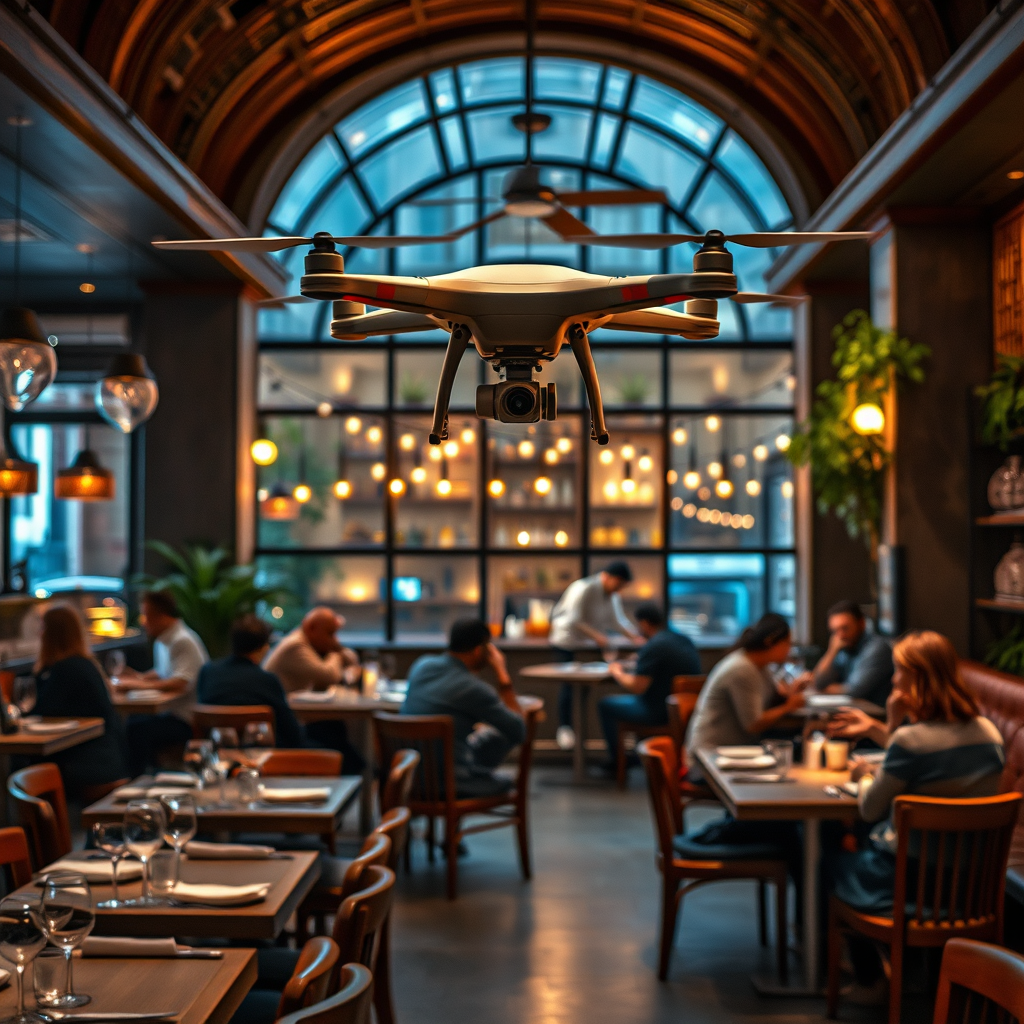
Yes, you can fly a drone in Barcelona, but there are specific regulations and restrictions you must follow to ensure safety and compliance. Understanding these rules is crucial for both recreational and commercial drone operators. With the rise of drone technology, many enthusiasts and professionals are eager to capture breathtaking aerial views of Barcelona’s stunning architecture and landscapes. However, adherence to local laws is essential to foster a safe flying environment and avoid legal repercussions.
Understanding Drone Regulations in Spain
Spain has strict laws governed by the European Union Aviation Safety Agency (EASA), which aims to ensure the safe operation of drones across the continent. According to EASA regulations, all drone pilots must familiarize themselves with the operational guidelines and safety measures that apply to their specific category of drone use. One of the fundamental requirements is that pilots must register their drones if they weigh more than 250 grams. This registration process is straightforward and can typically be completed online through the Spanish aviation authority’s website.
Additionally, drone pilots must complete a competency test to demonstrate their understanding of safe drone operation, which includes knowledge of airspace classifications, flight restrictions, and basic aviation safety. Furthermore, commercial drone operators are required to obtain a specific license, which entails additional training and insurance coverage. Failure to comply with these regulations can result in significant fines and penalties, so it is crucial to stay informed and adhere to the regulations in place.
No-Fly Zones in Barcelona

Flying drones in Barcelona is subject to several no-fly zones designed to protect public safety and privacy. Certain areas, such as near airports and urban centers, are heavily restricted. For instance, Barcelona El Prat Airport has a designated radius within which drone flights are prohibited to prevent potential conflicts with manned aircraft.
Moreover, popular tourist sites such as Sagrada Familia and Park Güell have specific limitations on drone use. These areas are not only frequented by tourists but also have dense populations and cultural significance, leading to heightened regulations. It’s vital for drone operators to conduct thorough research before planning their flights, as flying in restricted zones could lead to legal action. Checking local maps, which indicate no-fly zones and restricted areas, is an essential step for any responsible drone pilot.
Drone Registration and Insurance Requirements
Registration is mandatory for drones over 250 grams, which includes a simple online process that can usually be completed within a few minutes. Pilots must provide their details and information about their drone, after which they will receive a registration number that must be displayed on the drone itself. This process not only legitimizes the drone for flight but also helps authorities manage airspace safety.
In addition to registration, obtaining liability insurance is recommended, especially for commercial drone operations. This insurance protects the operator against potential claims arising from accidents or damages caused during flights. While not legally required for recreational pilots, having insurance can provide peace of mind and a safety net in the event of unforeseen circumstances. Operators should thoroughly review their insurance options to ensure they meet not only legal requirements but also personal risk assessments.
Altitude and Distance Restrictions
To maintain safety and minimize risks, drones should not fly higher than 120 meters (394 feet) above ground level. This altitude limit is in place to prevent interference with manned aircraft operating at lower altitudes. Furthermore, maintaining a visual line of sight with your drone at all times during flight is a crucial safety measure. This means operators should be able to see their drone without the aid of binoculars or other visual enhancement tools, ensuring they can react promptly to any potential hazards.
Adhering to these altitude and distance restrictions is not just a regulatory requirement; it is a best practice that enhances the safety of all airspace users. Operators should also exercise caution when flying in close proximity to crowds or private properties, respecting the rights and privacy of individuals. Being mindful of these operational guidelines fosters a positive relationship between drone operators and the communities they engage with.
Best Practices for Flying Drones in Barcelona
Before embarking on a drone flight in Barcelona, performing due diligence is crucial. Checking local weather conditions is essential to ensure safety, as adverse weather can lead to challenging flying conditions. Windy days, rain, or fog can significantly affect a drone’s performance and control, so pilots should always plan their flights accordingly.
Respecting people’s privacy is another vital consideration. Avoid flying over private properties without permission, and be sensitive to the presence of individuals in public spaces. Not only is this a matter of legal compliance, but it also builds trust within the community. Additionally, drone operators should be aware of noise regulations and strive to minimize disturbances to the public and wildlife.
Engaging with local drone communities can be an invaluable resource for new and experienced pilots alike. These communities often share tips, insights, and the latest updates on regulations, helping operators navigate the complexities of flying in Barcelona more effectively. Networking with fellow enthusiasts can also enhance the overall experience, providing opportunities to learn from others’ experiences and best practices.
Resources for Drone Operators
For drone operators seeking up-to-date information on regulations, the official Spanish aviation authority website is an essential resource. This site provides comprehensive details on registration processes, licensing requirements, and current no-fly zones. Staying informed about changes in legislation or safety guidelines is crucial, as drone regulations can evolve rapidly.
Additionally, joining local drone communities can offer invaluable support. Online forums, social media groups, and meet-ups provide spaces for enthusiasts to exchange experiences and advice. Participating in these communities not only enhances knowledge but also encourages responsible flying practices among peers.
Moreover, various apps are available to assist drone pilots in identifying no-fly zones and planning safe flight paths. Utilizing technology to stay informed can greatly enhance the flying experience while ensuring compliance with local laws.
In conclusion, while flying a drone in Barcelona is permitted, it is essential to adhere to the local laws and regulations to ensure a safe and enjoyable experience. Pilots must navigate the complexities of registration, no-fly zones, and operational guidelines to foster a positive environment for drone use. By staying informed and respecting the rights and safety of others, drone enthusiasts can fully appreciate the beauty of Barcelona from above without compromising compliance or public trust.
Frequently Asked Questions
Can I fly a drone in Barcelona without a license?
No, flying a drone in Barcelona typically requires a license, depending on the type of drone and the purpose of use. For recreational flying, operators must register with the Spanish aviation authority (AESA) and adhere to specific regulations, including keeping the drone within visual line of sight. If you plan to use a drone for commercial purposes, you will need to obtain a Remote Pilot License (RPL) and follow more stringent guidelines.
What are the drone flying restrictions in Barcelona?
In Barcelona, drone flying restrictions are in place to ensure public safety and privacy. You cannot fly drones in populated areas, near airports, or over large gatherings of people. Additionally, flying above 120 meters (394 feet) is prohibited, and you must maintain a distance of at least 8 kilometers from airports. It’s crucial to familiarize yourself with local laws and regulations before flying to avoid fines.
How do I register my drone for flying in Barcelona?
To register your drone in Barcelona, visit the official website of the Spanish Aviation Safety Agency (AESA). You will need to provide details about your drone, including its weight and specifications, and complete an online registration form. After registration, you will receive a unique identification number that must be clearly marked on your drone before flying.
Which areas in Barcelona are suitable for flying drones legally?
Suitable areas for flying drones in Barcelona include designated open spaces such as parks and nature reserves, provided you adhere to the local regulations. Some popular spots include Parc de la Ciutadella and Montjuïc Hill, but always ensure you check for any specific restrictions and obtain permission if needed. Avoid flying near crowded places or sensitive locations to comply with privacy and safety laws.
Why is it important to understand drone laws before flying in Barcelona?
Understanding drone laws before flying in Barcelona is essential to ensure compliance with legal requirements and to promote safety for yourself and the public. Violating drone regulations can result in hefty fines or confiscation of your equipment. Additionally, being informed about local laws helps protect the privacy of residents and visitors, allowing for responsible drone use in shared spaces.
References
- https://www.spain.info/en/destinations/barcelona/drone-flying-in-barcelona/
- https://www.aena.es/en/barcelona-airport/aircraft-noise-and-environmental-policy.html
- https://www.europa.eu/youreurope/citizens/travel/transport/drone-rules/index_en.htm
- https://www.civilaviation.gov.au/rules/drone-flying-in-spain
- https://www.government.nl/topics/drones/where-can-i-fly-my-drone
- https://www.dronedj.com/2021/06/11/drone-flying-in-spain-rules-and-regulations/
- https://www.faa.gov/uas/getting_started/registration/
- https://www.easa.europa.eu/the-agency/faqs/drones-eu
- https://www.bbc.com/news/technology-57263862
