
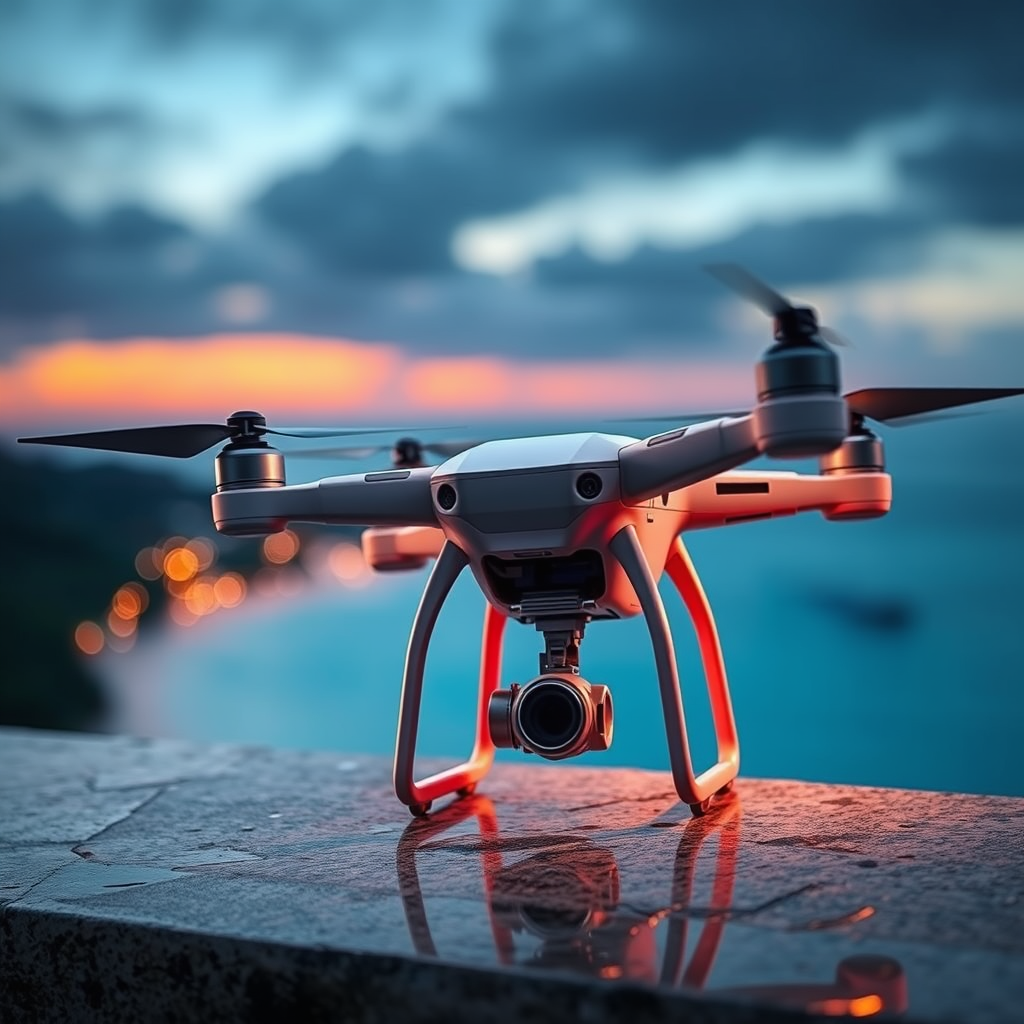
Yes, you can fly a drone in Boracay, but there are specific regulations and guidelines you must follow to ensure safety and compliance. Boracay, known for its stunning beaches and vibrant tourism, has established rules to protect its environment and maintain public safety. Familiarizing yourself with these regulations will not only enhance your drone-flying experience but will also ensure that you respect the island’s natural beauty and local laws.
Understanding Local Regulations
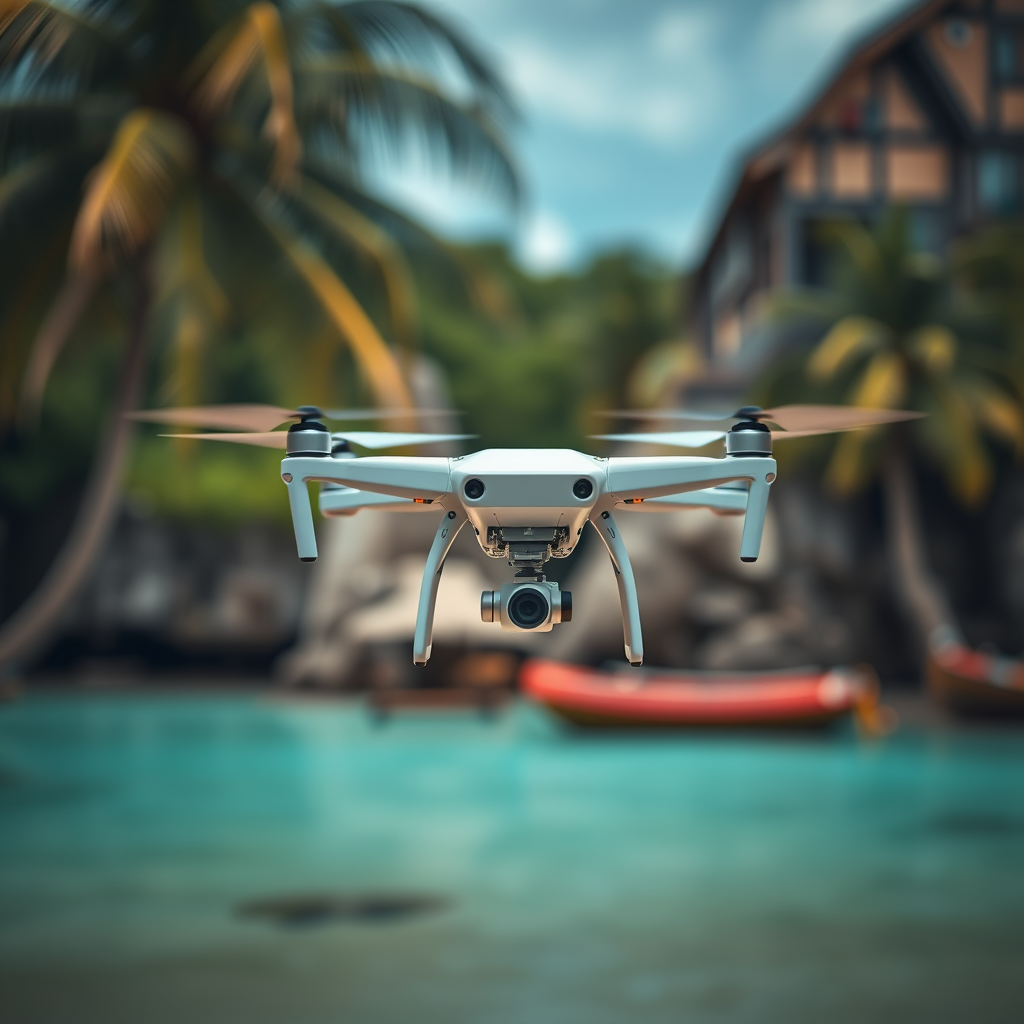
Boracay has specific laws governing drone usage to protect the environment and ensure public safety. The Philippine government, particularly the Civil Aviation Authority of the Philippines (CAAP), has implemented regulations that apply to drone operators, which include obtaining necessary permits from local authorities before flying your drone. The local government of Malay, which oversees Boracay, requires drone pilots to secure a permit that outlines the conditions under which they may operate their drones.
In addition to securing a permit, drone operators must adhere to the established altitude limits, typically set at 400 feet above ground level, and must not fly within a certain distance from airports and helipads. These regulations are critical for ensuring that drone activities do not interfere with manned aircraft operations.
Moreover, pilots must also consider the environmental impact of their activities, particularly in ecologically sensitive areas. With Boracay’s diverse marine life and unique ecosystems, it is crucial to operate drones responsibly and with mindfulness toward wildlife conservation.
Best Practices for Flying Drones
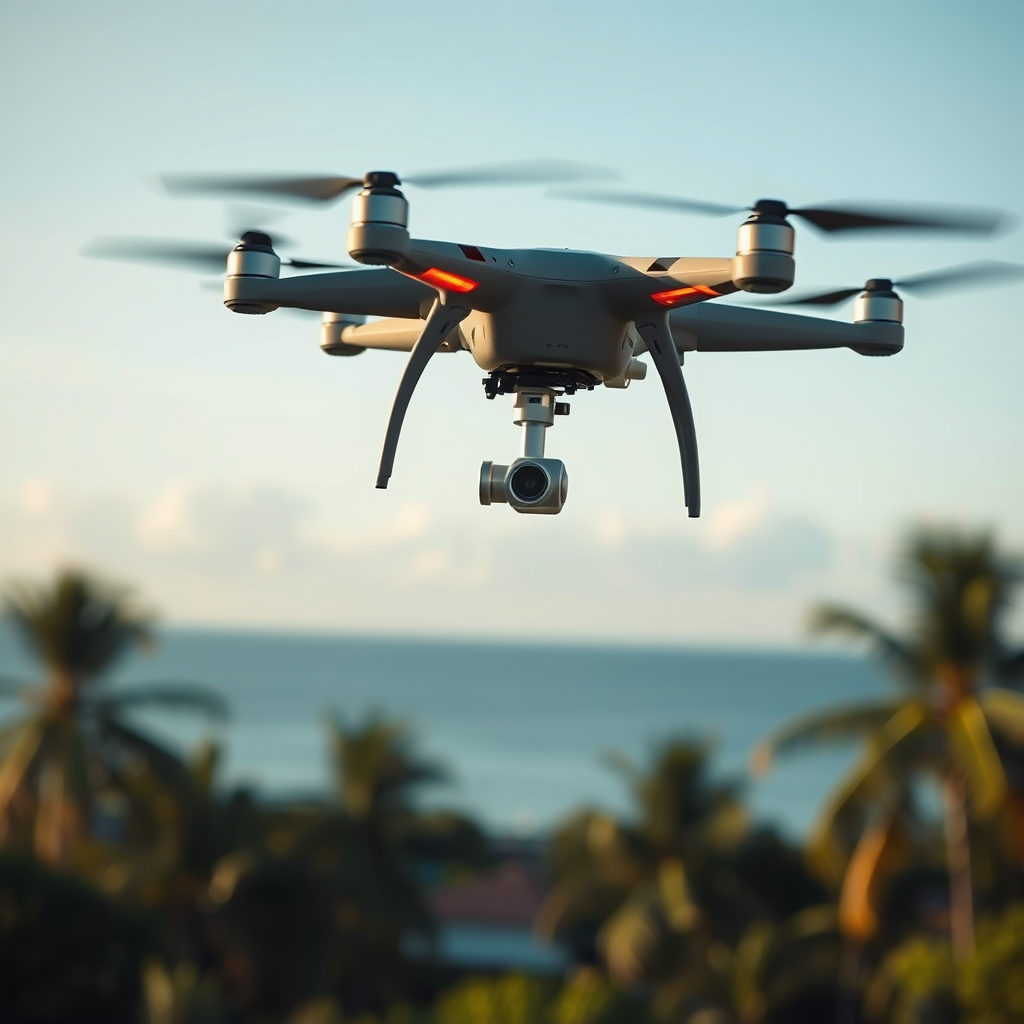
To enhance safety and compliance while flying your drone in Boracay, consider adopting the following best practices. Always fly your drone within your line of sight to maintain control and avoid potential hazards. This practice is not only a legal requirement in many jurisdictions but also a fundamental aspect of responsible drone operation.
Additionally, avoid flying over crowded areas or beaches. High traffic areas can pose risks to people, and flying over them may lead to accidents or injuries. Instead, seek out less populated locations or fly during off-peak hours to minimize the risk of disturbances. For instance, early morning or late afternoon flights may allow you to capture breathtaking footage while also avoiding crowds.
It is equally important to respect the privacy of others. Avoid flying your drone over private properties or areas where individuals have not consented to being recorded. Always prioritize the safety and comfort of those around you.
No-Fly Zones in Boracay
Certain areas in Boracay are designated as no-fly zones, and it is vital for drone operators to be aware of these restrictions to avoid legal consequences. Government buildings, military installations, and private properties are strictly off-limits for drone flights. This includes popular tourist spots that may have restrictions due to the influx of visitors.
Moreover, pay close attention to temporary restrictions, especially during events or festivals. Large gatherings can pose unique challenges for drone operators. For example, during the Ati-Atihan Festival, local authorities may impose temporary flight restrictions to ensure the safety of attendees and the integrity of the event. Checking with local authorities or their official website before embarking on your visit can provide crucial updates on any changes to no-fly zones.
Required Equipment and Safety Gear
Ensuring that your drone is equipped with updated software and safety features is essential for a successful flying experience. Modern drones often come with built-in GPS, which can help you maintain an accurate position and avoid restricted areas. It’s advisable to regularly check for software updates from the manufacturer to leverage new features and enhance safety.
Additionally, using propeller guards can significantly minimize risk in case of accidents, especially if you’re flying in areas with obstacles or near people. Propeller guards help protect both the drone and its surroundings in the event of an unintentional collision. Furthermore, considering additional safety gear, such as a backup battery and a first-aid kit, can also be beneficial in case of emergencies during your flight.
Tips for Capturing Stunning Footage
Capturing stunning aerial footage in Boracay requires not only good equipment but also a keen eye for the best conditions. Flying during sunrise or sunset can provide the best lighting, creating magical contrasts that highlight the island’s natural beauty. The golden hour, just before sunset or right after sunrise, is known for producing soft, diffused light that can enhance the visual appeal of your footage.
When capturing footage, it’s essential to respect the natural surroundings and wildlife. Avoid disturbing nesting areas or habitats, particularly in ecologically sensitive regions. For example, flying too close to bird nesting sites can lead to abandonment or distress among wildlife.
Consider using a variety of angles and perspectives to create captivating content. Aerial shots of the iconic White Beach, for instance, can showcase the vibrant turquoise waters and the lively beach atmosphere. Additionally, incorporating movement into your shots, such as panning or tilting, can add depth and dynamism to your footage.
How to Obtain a Drone Permit
To legally fly a drone in Boracay, you must obtain a drone permit from the local government. The process typically begins with a visit to the local government office or their official website, where you can find detailed instructions on the application process. Be prepared to submit necessary documents, which may include proof of ownership, insurance details, and a copy of your drone registration from the CAAP.
It’s advisable to apply for your permit well in advance of your trip. Processing times can vary, and obtaining the necessary approvals may take longer than expected. Moreover, familiarizing yourself with any additional local requirements, such as drone insurance, can expedite your application process and ensure compliance with all regulations.
In conclusion, flying a drone in Boracay is possible, but it requires adherence to local regulations and best practices. Understanding local laws, respecting no-fly zones, and ensuring the safety and well-being of both people and the environment are paramount. By following these guidelines, you can capture breathtaking views while respecting the island’s beauty and community. Always check for the latest updates on drone regulations before your trip for a hassle-free experience!
Frequently Asked Questions
Can I legally fly a drone in Boracay?
Yes, you can legally fly a drone in Boracay, but there are strict regulations you must follow. The Civil Aviation Authority of the Philippines (CAAP) requires drone operators to secure a permit, especially for commercial use. Additionally, you must respect local laws, which may include restrictions on flying near crowds, beaches, or sensitive areas, so it’s crucial to check with local authorities before flying.
What are the specific regulations for flying a drone in Boracay?
In Boracay, drone operators must adhere to guidelines set by the CAAP and local regulations. Drones must be flown below 400 feet, away from airports, and not over populated areas or gatherings. Furthermore, commercial drone pilots need to obtain a special permit, while recreational users should always prioritize safety and respect the privacy of others. Always check for updated local rules as they can change frequently.
How can I obtain a drone permit for Boracay?
To obtain a drone permit for Boracay, you must submit an application to the CAAP, including details about your drone and the intended flight plan. Depending on whether your use is for recreational or commercial purposes, the process may differ. It’s advisable to apply well in advance of your visit and to follow up with local tourism offices for any additional requirements specific to Boracay.
Why are there restrictions on flying drones in Boracay?
Restrictions on flying drones in Boracay are primarily in place to ensure the safety of both tourists and locals, protect the environment, and preserve the serene atmosphere of the island. With Boracay being a popular tourist destination, managing airspace and preventing accidents is crucial. Furthermore, privacy concerns and wildlife protection also contribute to these regulations.
What is the best time to fly a drone in Boracay?
The best time to fly a drone in Boracay is during the early morning or late afternoon when the lighting is optimal for aerial photography and the wind conditions are usually calmer. Additionally, these times typically see fewer crowds, allowing for a more enjoyable flying experience. Always check the weather forecast before your flight to ensure safe flying conditions.
References
- https://www.gov.ph/2021/04/30/drones-in-the-philippines-a-guide-to-flying-drones-in-the-country/
- https://www.dilg.gov.ph/PDF_File/reports_resources/Annual%20Reports/2020/6bc6c7e3a8.pdf
- https://www.bbc.com/travel/article/20200128-why-boracay-is-not-the-paradise-you-remember
- https://www.philstar.com/lifestyle/travel-and-tourism/2020/01/26/1982000/boracay-takes-drone-flying-seriously
- https://www.nationalgeographic.com/travel/article/philippines-boracay-island-paradise-restoration
- https://www.boracay.gov.ph/
- https://www.lawphil.net/statutes/repacts/ra2012/ra_10883_2016.html
- https://www.reuters.com/article/us-philippines-boracay-idUSKBN1JZ0X3
