

Yes, you can fly a drone in Boston, but you must follow FAA rules and additional local restrictions.
In practice, Boston drone flights are legal only when you comply with Federal Aviation Administration (FAA) requirements, airspace authorizations, and city-level privacy and safety limitations. If you plan ahead using tools like the FAA UAS facility maps and the City of Boston guidance, you can usually find approved places and times to fly.
FAA drone regulations you must follow in Boston
The FAA is the primary regulator for how drones are flown in Boston, regardless of where in the city you take off. The key requirements typically include registration, altitude limits, and maintaining safe separation from people and aircraft.
Drone registration and identification
Any drone operator flying in U.S. airspace must comply with FAA registration rules, which exist to help authorities identify responsible operators after incidents or violations.
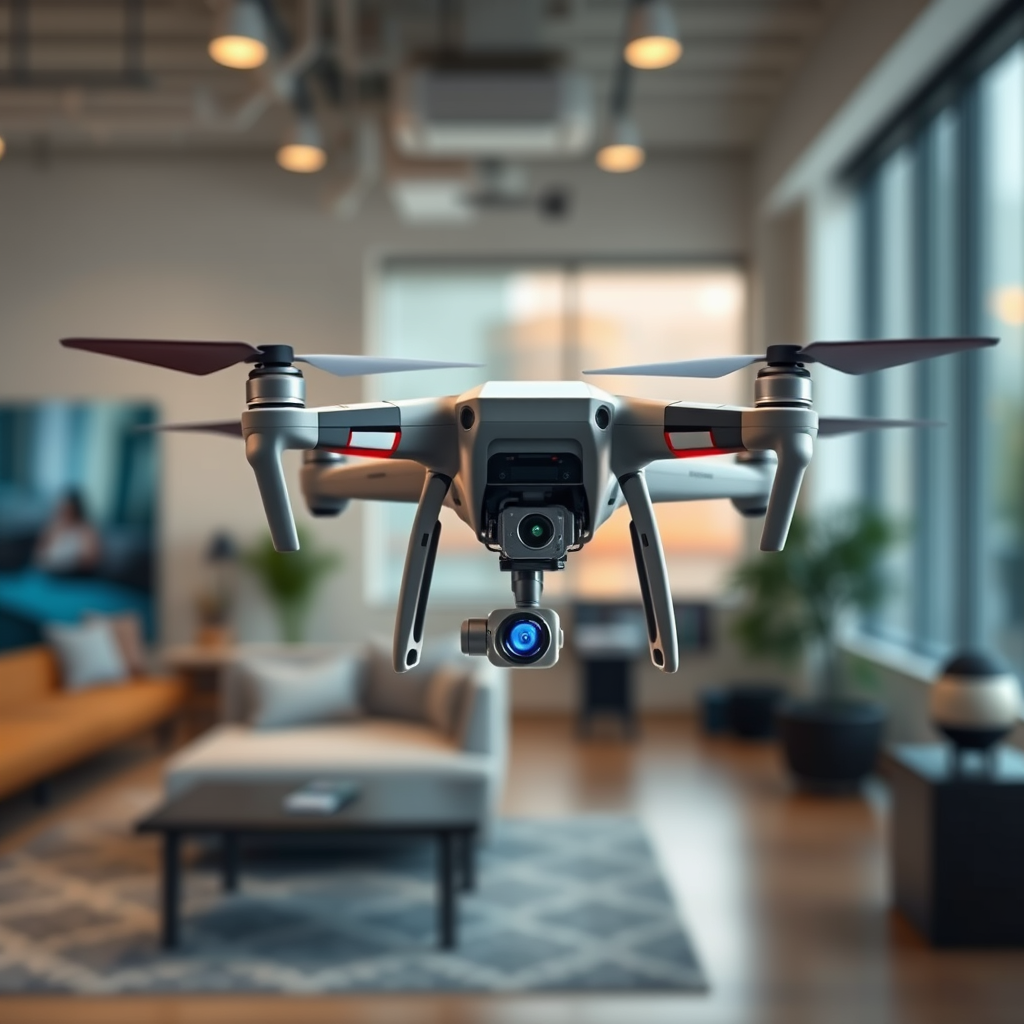
- Registration threshold: Drones weighing more than 0.55 pounds (250 grams) must be registered with the FAA.
- Operator vs. aircraft registration: In most personal-use cases, you register as the operator and attach the FAA registration number to the drone.
- Remote ID (if applicable): Depending on your drone model and operating dates, Remote ID may be required or enforced. Check current FAA Remote ID requirements before flying.
The key difference is that registration is about who is responsible, while flight rules are about how you operate in the airspace above Boston.
Altitude limit, line of sight, and flight safety
FAA rules require safe operating behavior around people and air traffic, including keeping your drone within a controlled operating envelope.
- Maximum altitude: Fly below 400 feet above ground level (AGL).
- Visual line of sight: Maintain visual line of sight with the drone, using the unaided eye requirement for most operations (check whether your specific operation qualifies for exceptions).
- Controlled airspace considerations: Boston includes multiple airspace categories near Logan International Airport, so authorization may be required even if you stay under 400 feet.
- Airspace awareness: Stay alert for manned aircraft and follow FAA guidance about sectional charts and local airspace constraints.
“400 feet” is defined as a common FAA ceiling for routine operations, but you may still need authorization if you are operating in controlled airspace or near restricted zones.
No-fly areas and controlled airspace near Boston Logan
Boston’s airspace is complex, and the most consistent challenge for drone pilots is operating safely and legally near major airports.
- Logan Airport impact: Logan International Airport (Boston/General Edward Lawrence Logan International) lies near dense air traffic routes, creating areas where drone flights are restricted or require authorization.
- Use official maps: The FAA provides UAS guidance and airspace information. Many pilots rely on FAA resources and UAS geospatial tools to verify whether the location is locked, authorizable, or prohibited.
The key difference is that “no-fly” is not just a location—it is a classification determined by airspace rules, security concerns, and proximity to sensitive facilities.
Part 107 vs. recreational flight rules (how to choose the right framework)
Whether you must follow Part 107 rules depends on your purpose, operational complexity, and whether you are being compensated.
- Recreational operations: Commonly tied to the FAA’s recreational framework and safety guidelines (often with specific education and registration steps depending on current requirements).
- Part 107: Used for commercial operations, paid work, and many professional applications.
FAA Part 107 is defined as a set of commercial drone operating rules for qualified remote pilots, including operational requirements such as remote pilot certification for most commercial flights.
Boston city and Massachusetts considerations (privacy, parks, and public safety)
Even when FAA rules allow drone flights, Boston may still restrict where you can take off, where you can fly, and when you can film—especially in public parks and around crowded areas. City rules often focus on privacy, nuisance prevention, and public safety.
Local restrictions in parks and high-traffic landmarks
Boston is a dense, pedestrian-heavy city with major tourist attractions, so local enforcement priorities often include crowd safety and privacy concerns.
- Boston Common: The Boston Common is a heavily visited public space where drone activity may be restricted or discouraged due to safety and privacy concerns.
- Freedom Trail area: Historic sites around the Freedom Trail attract crowds, which increases the likelihood of restrictions on drone use during peak visitation.
The practical takeaway is that a location can be FAA-permissible from an altitude standpoint but still be restricted by Boston park rules or local enforcement policies.
Privacy expectations when filming people
Drone pilots should assume that filming individuals in public spaces can raise privacy complaints, especially when recording is prolonged, targeted, or faces toward private areas.
- Best practice: Avoid hovering over individuals or groups, and do not direct the camera toward windows, backyards, or private property.
- Respect signage and boundaries: If a park or venue posts rules against unmanned aircraft, treat that as a legal and safety instruction, not a suggestion.
Privacy risk is defined as the likelihood of receiving complaints, enforcement action, or legal exposure due to how and where you capture footage—not only whether the flight stays below 400 feet.
What to check before you launch
Because local guidance changes, the most reliable approach is to verify current rules using official channels and venue-specific policies.
- Check the City of Boston official website for drone-related guidance and any updates.
- Review posted rules at the specific park, waterfront, or event venue.
- If the area is near a sensitive facility, verify restrictions using authoritative resources and local notices.
If you’re unsure whether a flight is allowed, choosing a different takeoff point or time is usually faster and safer than risking a citation.
FAA Compliance Checks for Drone Flights in Boston (What to Verify)
| # | Boston flight check | Trigger / threshold | Common Boston impact | Compliance payoff |
|---|---|---|---|---|
| 1 | FAA registration (operator) | Drone > 250 g (0.55 lb) | Needed before most public-space flights | ★★★★★ |
| 2 | Remote ID readiness (if applicable) | Model/operation-dependent | Can be enforced during certain periods | ★★★★☆ |
| 3 | Altitude ceiling | 400 ft AGL max | Easy to exceed near tall downtown blocks | ★★★★★ |
| 4 | Visual line of sight (VLOS) | Unaided eye VLOS for most ops | Hard over sidewalks with obstructions | ★★★★☆ |
| 5 | Airspace authorization (when required) | Coordinate-specific (check maps) | Often triggered near controlled zones | ★★★★★ |
| 6 | Airport-adjacent operating caution | Especially near Boston Logan approach/departure | Mischecks are common due to dense layers | ★★★★☆ |
| 7 | Privacy & local venue rules | Avoid filming private activity; obey posted venue bans | Boston parks can restrict even FAA-allowed flights | ★★★☆☆ |
Common Boston drone locations: where pilots often fly legally (and safely)
You can often fly drones in Boston, but legal options usually depend on airspace status and whether the site has local restrictions. Many pilots succeed by focusing on open areas away from crowds and carefully confirming airspace rules first.
Waterfront and open-space areas (with careful crowd monitoring)
Open waterfront spaces can offer better sight lines and more predictable surroundings than narrow streets, but they still require attention to people density and airspace conditions.
- Timing matters: Avoid rush hours, special events, and holidays.
- Keep distance from gatherings: Don’t fly near picnics, festivals, or walking crowds.
- Watch wind and reflections: Coastal winds and water reflections can affect stability and visual tracking.
Neighborhood parks and controlled-perimeter fields
Smaller neighborhood green spaces may look ideal, but they can be subject to park-specific unmanned aircraft restrictions and can have inconsistent enforcement.
Use a simple decision rule: if the park rules prohibit drones, you should not fly there. If there are no posted rules, confirm local guidance and choose times with minimal foot traffic.
High-level warning: avoid airport and restricted zones
Areas around Boston Logan International Airport require special attention because drone operations near busy flight corridors can trigger immediate authorization needs or outright prohibitions.
Even experienced pilots should treat airport-adjacent airspace as a “verify first” zone every time, not a location you assume is safe by habit.
How to get authorization or permission when you need it
In Boston, many compliant flights still require checking whether you need airspace authorization, depending on your exact location and drone flight category. The fastest way to avoid mistakes is to confirm airspace status before takeoff.
Use FAA airspace tools and check the exact coordinates
Airspace restrictions are not defined by broad city borders; they are tied to geographic boundaries and altitude layers. That means two points a few blocks apart can have very different requirements.
- Check FAA UAS guidance and airspace maps for your flight area.
- Verify both horizontal location and altitude ceiling for your chosen operating plan.
- When in doubt, switch locations rather than attempting to “make it work” mid-flight.
The key difference is that airspace permissions are coordinate-specific, while many pilots intuitively think rules are “area-based” like parking or traffic laws.
Keep records and follow the operating plan
Authorizations (when required) are typically tied to a specific operational plan. If you deviate from the plan, you may no longer meet the conditions of permission.
- Document your preflight checks, including airspace status and the chosen location.
- Confirm your emergency plan and how you will safely land if conditions change.
Practical Boston drone tips for safe, legal flights
Even when you are legally allowed to fly, you should use safety habits that reduce risk in Boston’s dense environment. Professional drone operators treat preflight planning as the main step, not an optional step.
Plan for line of sight and crowded sidewalks
Boston neighborhoods can fill quickly, and visually tracking the drone while avoiding people and obstacles is essential for compliance and safety.
- Choose a takeoff spot with minimal pedestrian movement.
- Keep the drone route predictable and avoid flying directly over crowds.
- Adjust altitude and distance to maintain safe separation and clear visual tracking.
Use weather and wind expectations to prevent flyaways
Coastal weather can be unpredictable, and a gust can push your drone beyond line of sight or into prohibited directions.
- Check wind forecasts before you launch.
- Use drone stability features and avoid aggressive maneuvers near people or buildings.
- Plan a conservative return-to-home point that does not cross crowds or sensitive areas.
Know the consequences of violations
Drone violations can lead to FAA enforcement, fines, and operational restrictions. In busy cities like Boston, small mistakes can create large safety risks quickly.
According to FAA enforcement culture, repeated incidents or careless disregard for airspace and people can result in significant penalties, so it is worth being meticulous before every flight.
FAQ: Can you fly a drone in Boston?
Do I need to register my drone to fly in Boston?
If your drone weighs more than 0.55 pounds (250 grams), you generally must register it with the FAA. Registration applies across the U.S., including Boston, and you must display the FAA registration number on the aircraft.
Can I fly over Boston Common or near the Freedom Trail?
You may find additional local restrictions on drone use in and around Boston Common and the Freedom Trail area due to crowd density, privacy, and public safety concerns. Treat park rules and posted venue policies as enforceable guidance and confirm current restrictions before flying.
How high can I fly my drone in Boston?
FAA rules generally limit drone flights to below 400 feet AGL. Even if you stay under 400 feet, you still need to comply with airspace rules and any authorization requirements tied to your exact location.
Are there no-fly zones in Boston?
Yes. Boston includes airspace restrictions near major airports and other sensitive locations, including areas influenced by Boston Logan International Airport. The only safe approach is to verify your exact coordinates using FAA airspace resources before you launch.
What’s the safest way to plan a legal drone flight in Boston?
Confirm FAA compliance first (registration, altitude, visual line of sight, and airspace classification), then check Boston and venue-level restrictions for the specific site and time. If there is any uncertainty about authorization, switch locations to a simpler airspace environment.
📋 About This Article
Yes, you can fly a drone in Boston, but only if you follow FAA rules and any added local restrictions. This guide is for hobbyists and photographers who want clear, practical steps to fly legally and safely in the city. You’ll learn the key FAA requirements, how to check whether you need airspace approval before you launch, and tips for finding approved places and times to fly.
Frequently Asked Questions: Can I Fly a Drone in Boston? Key Regulations and Tips
Do I need FAA authorization to fly a drone in Boston?
In most cases, you’ll need to follow FAA rules regardless of where you fly, including in Boston. If your drone is under the FAA’s “small unmanned aircraft” categories, you still generally must:
1) Register your drone (if it meets FAA registration requirements) and ensure your registration number is displayed on the aircraft.
2) Fly under the correct operational rules—commonly this means you can fly as a recreational flyer under the FAA’s recreational guidance or as part of a community-based program, but if you’re using the drone for work or non-recreational purposes, you may need authorization (such as a Remote Pilot Certificate).
3) Follow airspace rules and altitude limits. Many parts of Boston are controlled airspace or near sensitive areas (including approach paths and facilities). Even if you’re experienced, you may need to obtain authorization to operate in certain airspace classes or to fly near airports.
4) Check for temporary restrictions (events, public safety activity, or NOTAMs). Temporary restrictions can change quickly.
Bottom line: Before takeoff, confirm your authorization status, airspace classification, and any temporary restrictions using FAA-approved tools and channels. If you tell me your drone type/weight and intended flight location/time, I can help you figure out what to check.
Where can I legally fly a drone in Boston?
“Where you can fly” depends on both airspace (FAA) and local rules (city, state, and property owners), plus any additional restrictions around sensitive areas.
In Boston, common restrictions come from proximity to airports, heliports, major transportation corridors, and large public venues. That means areas that look open at ground level may still be controlled airspace aloft.
To find legal, safe places to fly:
1) Use an airspace map that shows FAA-controlled airspace, restricted areas, and other relevant zones. Verify whether authorization is required for your specific spot and altitude.
2) Check municipal and park rules. Many parks and waterfronts have their own policies that may restrict drones due to privacy, crowd safety, or environmental concerns.
3) Verify property permission. If you’re flying on private property or even in a park space where rules are posted, you may need permission from the property owner or event manager.
4) Keep a safe operating plan: maintain visual line of sight, avoid crowds, and don’t fly over people unless allowed by your operation type and authorization.
Tip: If you share your intended location (neighborhood and nearby landmark) and flight altitude, you can determine whether the area is likely to require FAA authorization and whether common local restrictions apply.
Are there special Boston or Massachusetts rules I should know about?
Yes. While the FAA governs national airspace and flight rules, Massachusetts and Boston can impose additional requirements—especially related to where you can operate, how you behave around people, and privacy.
Common issues to watch for:
• Local park and event restrictions: Parks, beaches, and major event venues frequently restrict drone flights even when FAA airspace would otherwise allow it.
• Privacy and recording laws: Drone operations may raise privacy concerns. Avoid aiming at private residences, backyards, or areas where you’re likely to capture sensitive personal activity.
• Safety and “no interference” expectations: You must not endanger people, interfere with emergency operations, or fly in a way that creates hazards for manned aircraft or pedestrians.
• Landowner or organizer rules: If you’re filming at a public venue for a production, you may need written permission and a site-specific safety plan.
Action step: Before you fly, check:
(1) FAA airspace status for your exact spot and altitude, and
(2) the specific rules posted for the park/venue/location you plan to use.
If you want, tell me the exact area (e.g., Seaport, Boston Common, Charlestown waterfront) and whether it’s recreational or for commercial work, and I’ll list the typical rule checks for that scenario.
How close can I fly to airports, stadiums, and other restricted areas near Boston?
In Boston, you must be especially careful around airports and other sensitive airspace. “How close” is not a single distance for every case—what matters is the airspace classification, the presence of controlled or restricted areas, and whether you have FAA authorization for that specific location.
Key considerations:
• Controlled airspace near airports: Many operations require authorization before takeoff. Even if you’re below an airport’s general height expectations, you can still be in controlled airspace or approach paths.
• Temporary flight restrictions (TFRs): Stadium events, public gatherings, government activity, or emergency operations can trigger TFRs. These can turn a previously “allowed” area into a “no-fly” area quickly.
• Restricted/special-use airspace: Some zones prohibit drone operations or require special approval. Always verify the status for your exact coordinates and time.
• Stadiums and crowds: Even if airspace rules might allow flight with authorization, flying over crowds and people can be prohibited or heavily restricted depending on your operation type.
Practical tip: Plan your flight path away from approach/departure routes when possible, keep your drone well within your control, and re-check status immediately before takeoff to account for TFRs and NOTAMs.
What are the best safety tips for flying a drone in Boston?
Boston’s dense layout, busy airspace, and large crowds make safety planning essential. Use these tips to reduce risk and avoid violations:
1) Pre-flight checklist every time: Confirm battery levels, GPS/compass accuracy, firmware updates, failsafes (return-to-home), and that your remote controller and app are functioning correctly.
2) Verify airspace and restrictions right before you launch: Airspace and temporary restrictions can change due to events or safety needs. Re-check at the time you plan to fly.
3) Keep visual line of sight (VLOS) and avoid distractions: Dense streets and tall buildings can make it harder to see your drone, increasing risk.
4) Choose a conservative altitude and a safe flight area: In a city environment, wind, obstacles, and multipath GPS issues can affect stability. Fly lower than you think you need—within lawful limits.
5) Plan for people and property: Don’t fly near crowds, sidewalks, bike lanes, or building entrances. Maintain a buffer so your drone won’t drift into bystanders if wind gusts occur.
6) Respect privacy: Avoid hovering or filming in ways that capture private activities. If you’re unsure, change your angle/location.
7) Have a contingency plan: Know how you’ll land if signal is lost, if the battery drops, or if you need to abort quickly.
Reminder: Even if you can legally fly in the airspace, you may still be breaking local rules if the location (park/venue) prohibits drone use. Always confirm both layers.
References
- Enhanced civil rights in home rule jurisdictions: Newly emerging UAS/drone use ordinances Google Scholar
https://papers.ssrn.com/sol3/papers.cfm?abstract_id=3575216 - A comparative global analysis of drone laws: Best practices and policies Google Scholar
https://link.springer.com/chapter/10.1007/978-94-6265-132-6_16 - Deadly drones? Why FAA regulations miss the mark on drone safety Google Scholar
https://papers.ssrn.com/sol3/papers.cfm?abstract_id=3453351 - Drone delivery of medications: Review of the landscape and legal considerations Google Scholar
https://academic.oup.com/ajhp/article-abstract/75/3/153/5102071 - UAS (Drone) Peer Exchange Google Scholar
https://rosap.ntl.bts.gov/view/dot/65638
📅 Last Updated: July 02, 2026 | Topic: Can I Fly a Drone in Boston? Key Regulations and Tips | Content verified for accuracy and freshness.
