
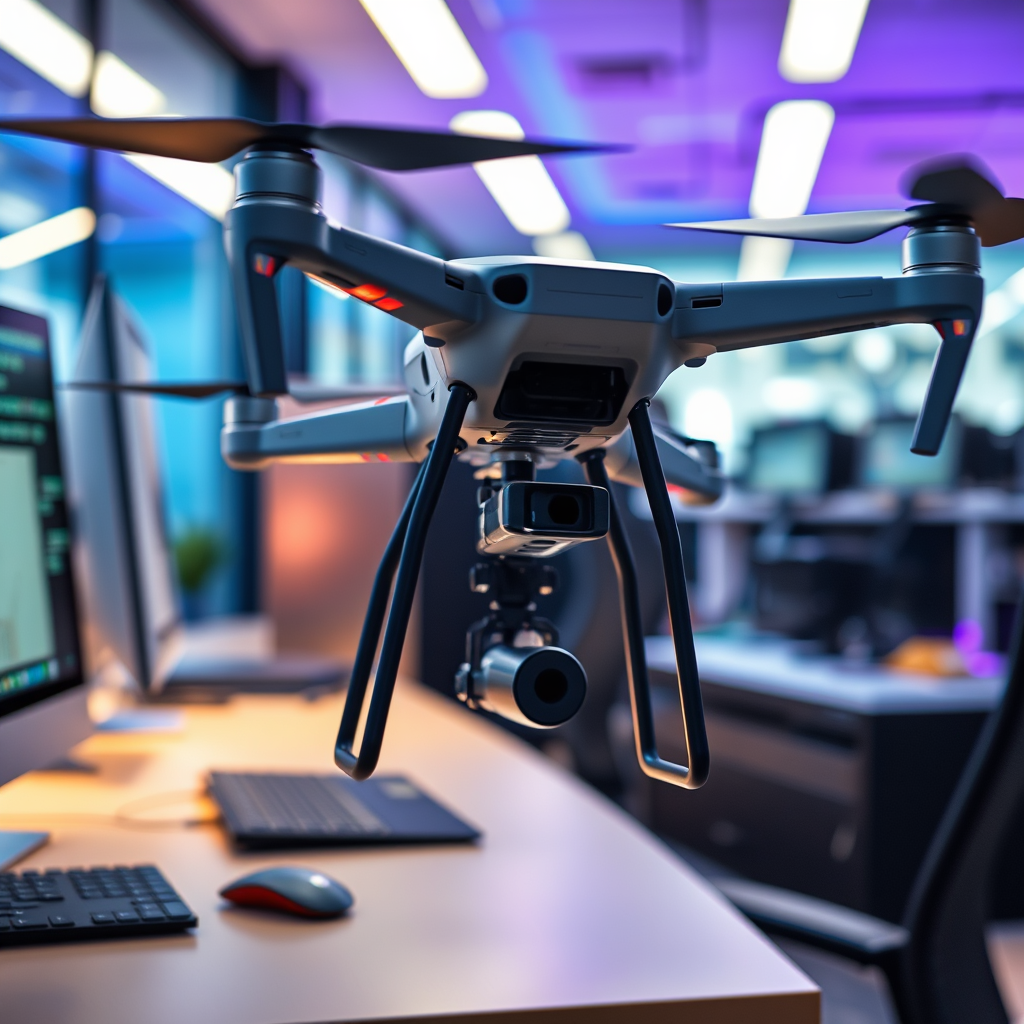
Yes, you can fly a drone in California, but there are specific regulations and guidelines you must follow to ensure safe and legal operation. As drone technology continues to evolve, so too do the regulations governing their use, particularly in a state as diverse and populated as California. This article will provide you with an overview of the essential rules and tips for flying drones in the Golden State, ensuring that you can enjoy your aerial adventures while remaining compliant with legal requirements.
Understanding FAA Regulations
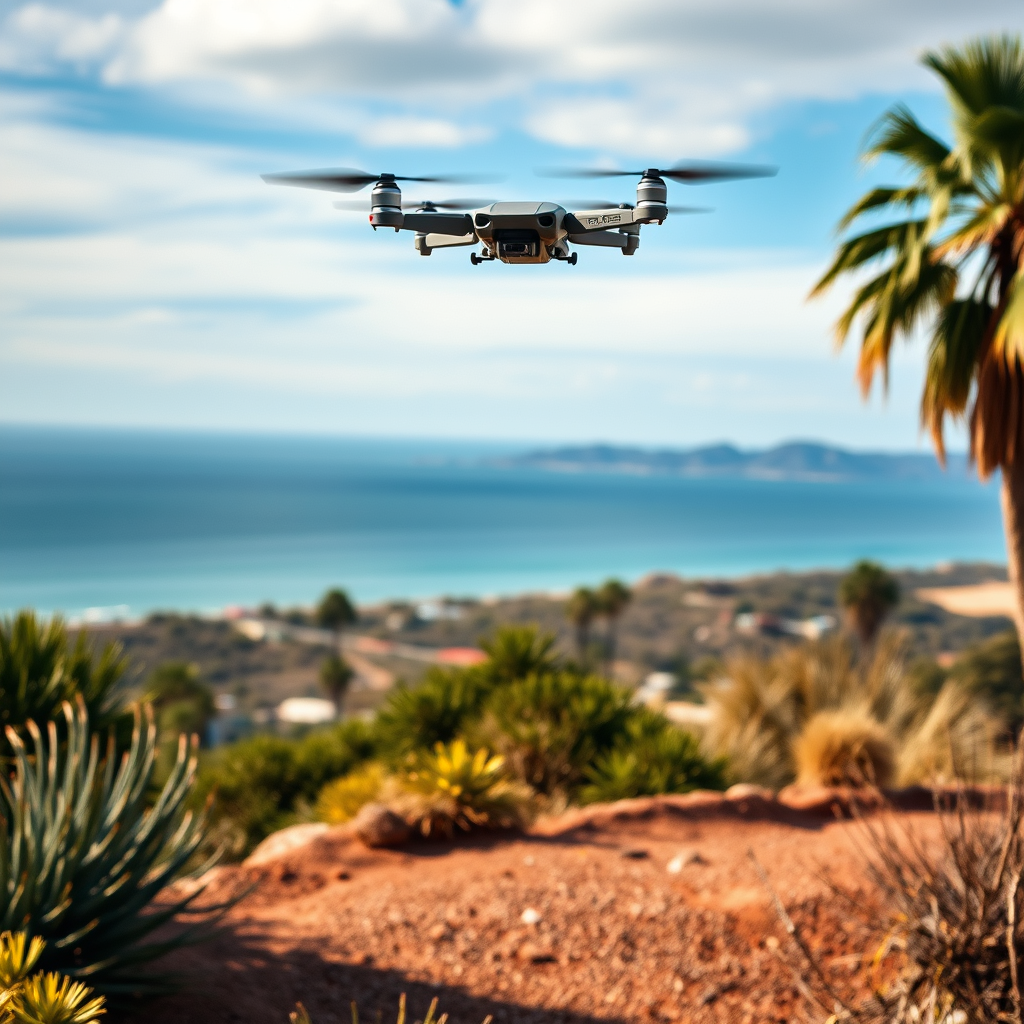
The Federal Aviation Administration (FAA) governs all drone operations in the U.S. and is the primary authority that sets the baseline regulations for drone use. To legally operate a drone, pilots must adhere to several key regulations. One of the first requirements is the registration of drones that weigh over 0.55 pounds. This registration process is straightforward and can be completed online through the FAA’s website. The registration fee is nominal, costing $5, and is valid for three years.
In addition to registration, drone pilots must also follow operational guidelines set forth by the FAA. These include flying below 400 feet, keeping the drone within visual line of sight, and avoiding manned aircraft. Furthermore, pilots must not fly their drones at night unless they have completed additional training and have the proper equipment. Understanding and adhering to these FAA regulations is paramount to ensuring safe drone operations and avoiding penalties.
California State Laws
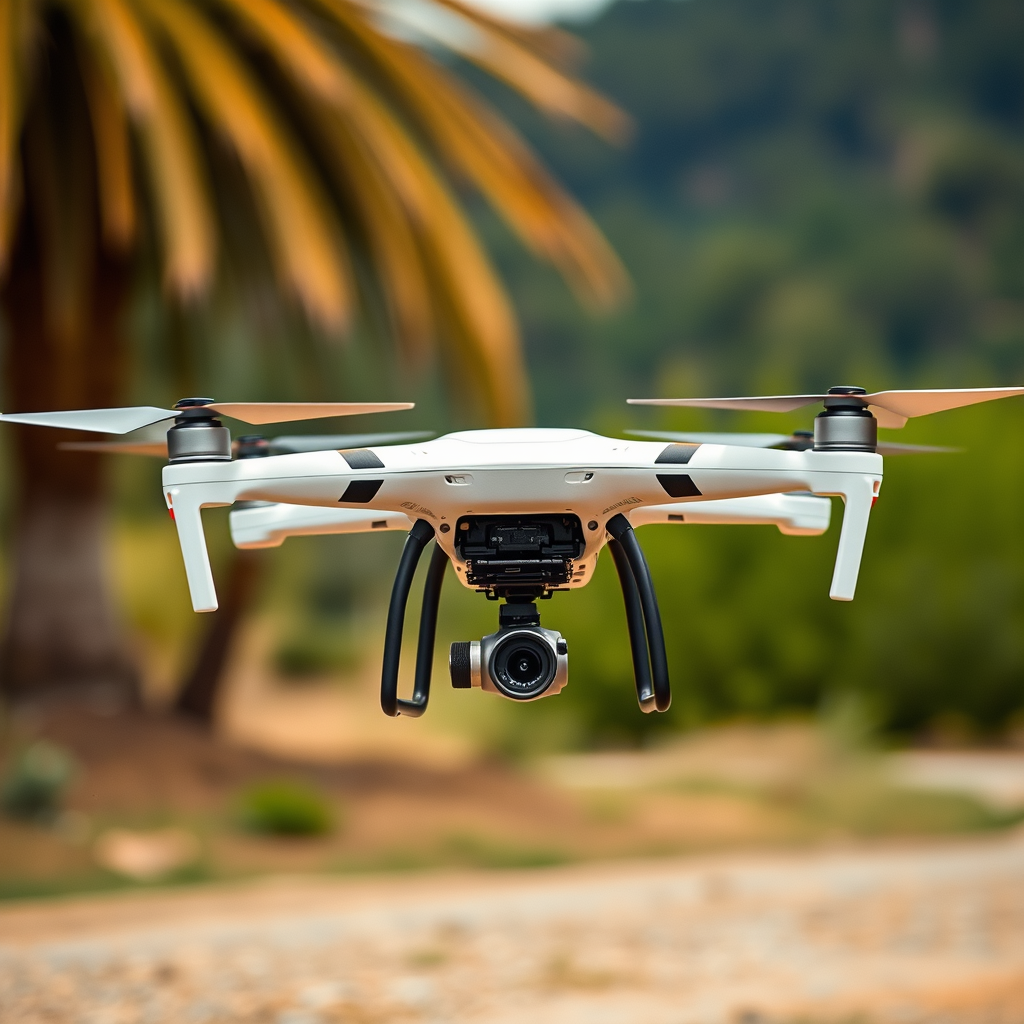
California has enacted its own set of laws regarding drone usage, which are critical for drone operators to understand. For instance, California Civil Code Section 1708.8 prohibits the use of drones to invade someone’s privacy, thereby necessitating the respect of individuals’ privacy rights when flying. This law is particularly relevant when considering the use of drones for photography or videography purposes, as capturing images of individuals without their consent can lead to legal repercussions.
Moreover, California law also places restrictions on drone operations near wildlife. For example, flying drones near nesting areas of birds or other wildlife can result in harmful disturbances, and violators may face fines. Additionally, drones are prohibited from flying over emergency scenes, such as fires or natural disasters, to ensure that emergency responders can operate without interference. Pilots should also be aware that local jurisdictions, such as cities or counties, may impose their own regulations, which can vary widely across the state.
No-Fly Zones
In California, certain areas are designated as no-fly zones, and it is essential for drone pilots to be aware of these restrictions to avoid serious legal issues. Specific no-fly zones include areas near airports, military bases, and national parks. For instance, within a five-mile radius of an airport, drone operators must notify the airport and control tower prior to flying. This requirement is crucial for maintaining airspace safety and preventing potential collisions with manned aircraft.
Moreover, military bases often have restricted airspace that is not publicly disclosed, so pilots should exercise caution when flying near these areas. National parks also have strict regulations prohibiting drone use to protect wildlife and preserve natural landscapes. To stay informed about these no-fly zones, it is advisable to check local maps or use apps designed for drone pilots, such as the FAA’s B4UFLY application, which provides real-time information on airspace restrictions.
Safety Guidelines
Safety is a primary concern for drone pilots, and adhering to established guidelines can significantly reduce risks associated with drone flying. One of the fundamental safety practices is maintaining a visual line of sight with your drone at all times. This practice not only helps prevent collisions but also ensures that the pilot remains aware of their surroundings.
Additionally, drone operators should avoid flying above 400 feet, as this altitude is the maximum limit set by the FAA for recreational flying. Flying at lower altitudes also helps to minimize risks associated with manned aircraft and enhances the pilot’s ability to react to any potential hazards. Furthermore, it is crucial to fly drones away from crowds to reduce the risk of injury to bystanders.
Before each flight, conducting a pre-flight check is essential. This check should include inspecting the drone’s battery, propellers, and controls to ensure everything is in good condition. Pilots should also be mindful of weather conditions, as flying in high winds or inclement weather can jeopardize both the drone and surrounding environments.
Insurance and Liability
While drone insurance is not mandatory, it is highly advisable for all drone operators, particularly those engaging in commercial activities. Liability insurance can protect pilots from financial losses resulting from accidents or damages caused by their drones. For instance, if a drone crashes and causes property damage or personal injury, having insurance can cover the associated costs.
Several insurance providers offer specialized drone insurance policies that cater to both recreational and commercial drone operators. These policies can cover various aspects, including liability, damage to the drone itself, and even loss of income for commercial operators. Pilots should carefully evaluate their coverage needs and consider obtaining liability insurance to safeguard against unforeseen incidents.
Best Practices for Recreational Flying
For recreational drone enthusiasts, adhering to best practices can enhance the flying experience while ensuring compliance with regulations. One of the most important practices is to conduct a thorough pre-flight check to ensure that the drone is functioning correctly. This includes checking the battery level, ensuring that all components are secure, and verifying that the software is up to date.
Respecting privacy laws is also crucial. Pilots should avoid flying over private property without permission to prevent potential legal issues. If capturing images or video, consider obtaining consent from individuals who may be in the frame to avoid privacy infringements.
Additionally, it is beneficial to join local drone clubs or online communities to stay informed about the latest regulations, tips, and best practices from fellow enthusiasts. Engaging with the drone community can offer valuable insights and foster a supportive environment for new and experienced pilots alike.
In conclusion, while flying a drone in California is permissible, adhering to FAA regulations and state laws is crucial. Understanding the requirements for registration, respecting no-fly zones, and following safety guidelines can help ensure a safe and enjoyable flying experience. Moreover, obtaining insurance and practicing responsible flying habits further contribute to a positive drone culture. By staying informed about updates in regulations and local laws, drone pilots can navigate the complexities of drone operation in California with confidence and responsibility.
Frequently Asked Questions
What are the regulations for flying a drone in California?
In California, drone operators must adhere to both federal and state regulations. Federal laws, overseen by the Federal Aviation Administration (FAA), require registration for drones weighing over 0.55 pounds, adherence to altitude limits, and maintaining a visual line of sight. Additionally, California state laws prohibit flying drones over people without consent and near emergency response efforts. Always check local ordinances, as some cities have specific restrictions on drone use.
How do I obtain a drone pilot license in California?
To legally operate a drone for commercial purposes in California, you need to obtain a Remote Pilot Certificate from the FAA. This involves passing the FAA’s Aeronautical Knowledge Test, which covers regulations, airspace classification, weather, and drone operation. Additionally, you should be at least 16 years old and pass a background check. After obtaining your certificate, it’s important to stay updated on any changes in regulations.
Why is it important to follow drone flying laws in California?
Following drone flying laws in California is crucial for ensuring public safety and avoiding legal repercussions. Non-compliance can result in hefty fines, confiscation of equipment, and even criminal charges. Moreover, respecting these regulations helps protect privacy rights and ensures that drone operations do not interfere with manned aircraft or emergency services, fostering a safer environment for all.
Which areas in California are restricted for drone flying?
In California, several areas are designated as no-fly zones for drones, including near airports, military bases, and national parks. Specific locations like Yosemite National Park have strict regulations prohibiting drone use. Additionally, certain cities may have local laws restricting drone operations in public spaces. It’s essential to research these areas using tools like the FAA’s B4UFLY app to ensure compliance before flying.
What are the best practices for flying a drone safely in California?
To fly a drone safely in California, always conduct a pre-flight check to ensure your equipment is functioning properly. Maintain a visual line of sight with your drone, avoid flying over people or traffic, and be aware of your surroundings, especially when near emergency situations. Furthermore, always check local weather conditions and avoid flying in adverse weather. Following these best practices not only ensures safety but also enhances your flying experience.
References
- https://www.faa.gov/uas/getting_started/registration
- https://www.nasa.gov/feature/nasa-s-uav-traffic-management-project
- https://www.california.gov/faq/drone-flying-in-california
- https://www.nolo.com/legal-encyclopedia/drone-laws-california-367434.html
- https://www.sfgate.com/news/article/California-drone-laws-are-changing-16308619.php
- https://www.unm.edu/~sstevens/Drone_Laws_CA.pdf
- https://www.dot.ca.gov/programs/traffic-operations/drone-information
- https://www.ncbi.nlm.nih.gov/pmc/articles/PMC8149098/
