
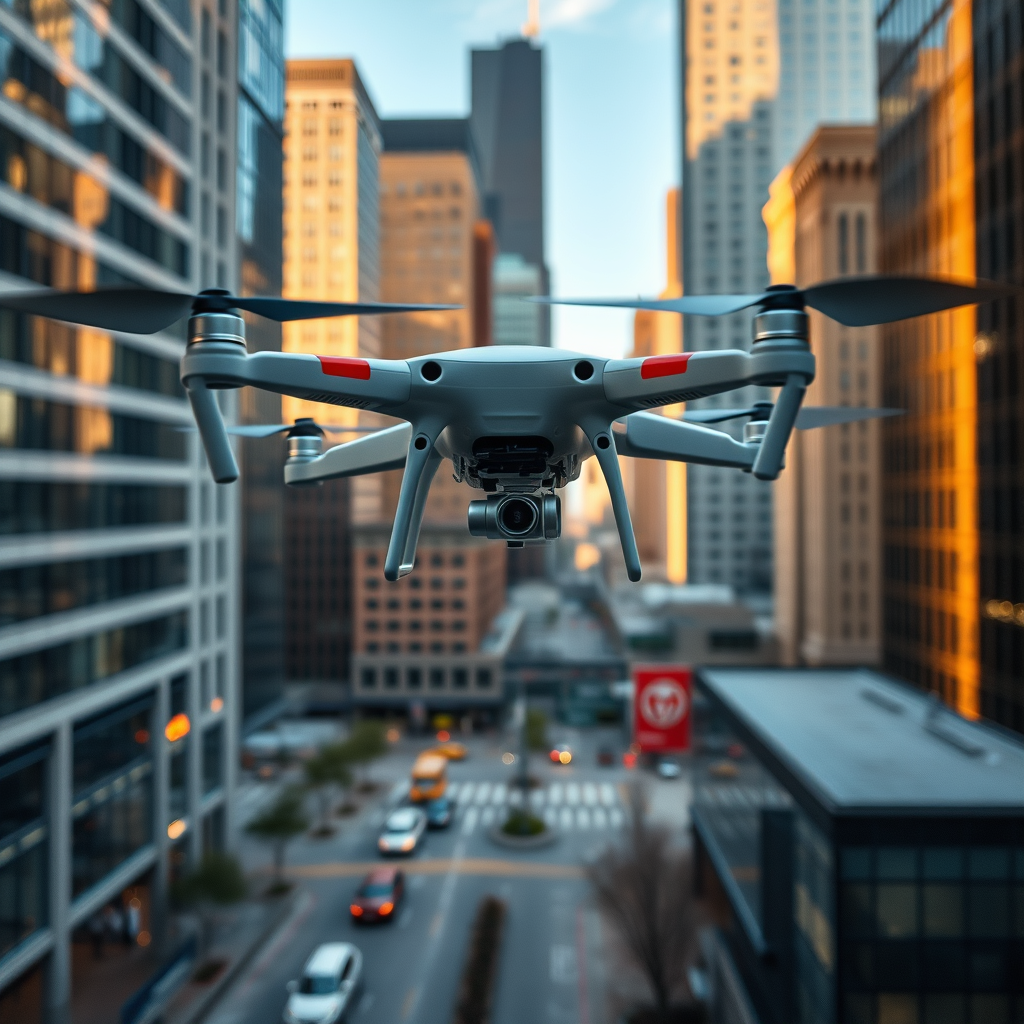
Yes, you can fly a drone in Chicago, but there are specific regulations and restrictions you must follow to ensure safety and compliance with local laws. Understanding the legal landscape and adhering to safety protocols is crucial for both recreational and commercial drone pilots. This article will guide you through the essential rules and considerations for flying drones in the city, helping you navigate the complexities of urban drone operation.
Understanding FAA Regulations
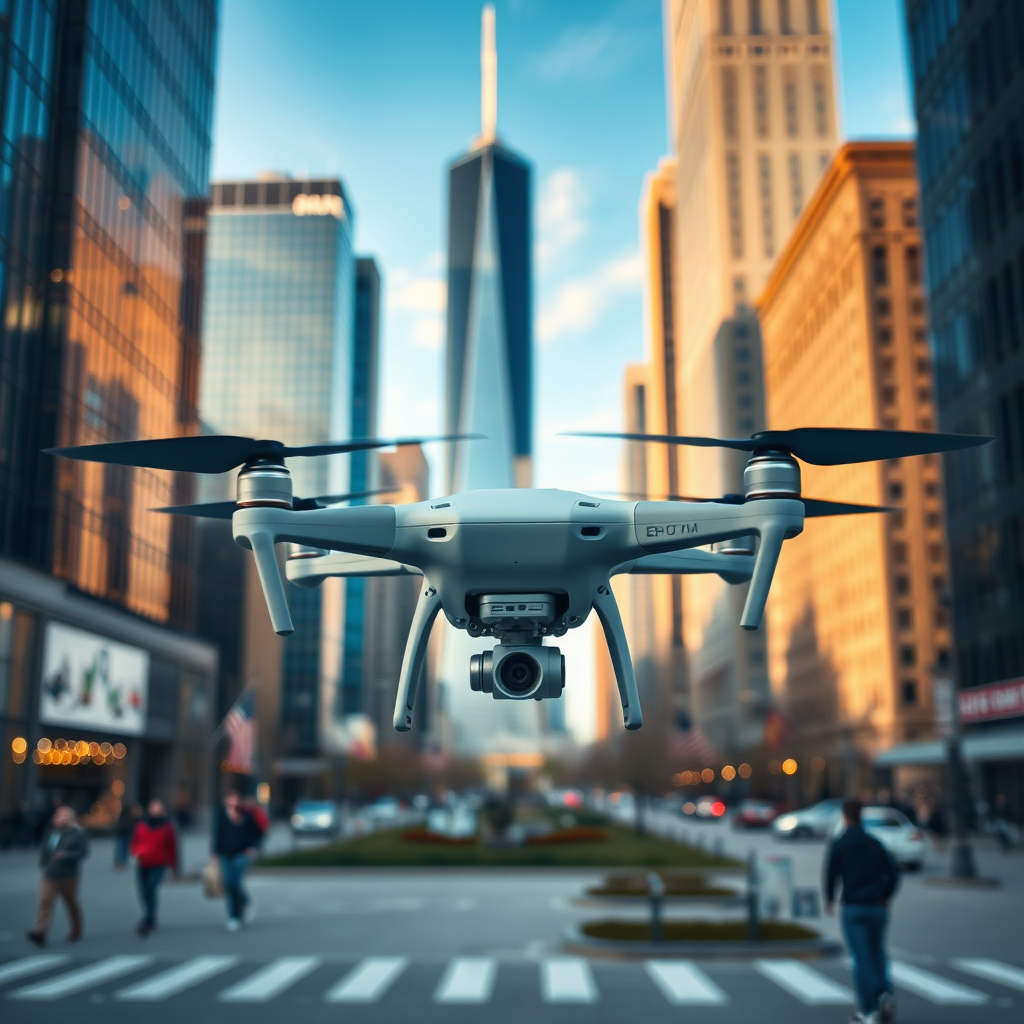
Before flying your drone in Chicago, it is imperative to familiarize yourself with the Federal Aviation Administration (FAA) guidelines governing drone operations. The FAA has established a set of regulations that apply nationwide, which are designed to ensure the safety of both drone pilots and those around them. One critical rule is that any drone weighing more than 0.55 pounds must be registered with the FAA. Registration is a straightforward process that can be completed online for a small fee and is valid for three years.
Additionally, pilots are required to follow the Part 107 rules if they are flying for commercial purposes, which include obtaining a Remote Pilot Certificate. This certification involves passing an aeronautical knowledge test that covers regulations, airspace classifications, weather, and drone operation safety. For recreational flyers, the FAA has established guidelines under the Exception for Limited Recreational Operations of Unmanned Aircraft, which requires pilots to fly solely for hobby or recreational purposes and comply with community-based safety guidelines.
Local Drone Laws in Chicago
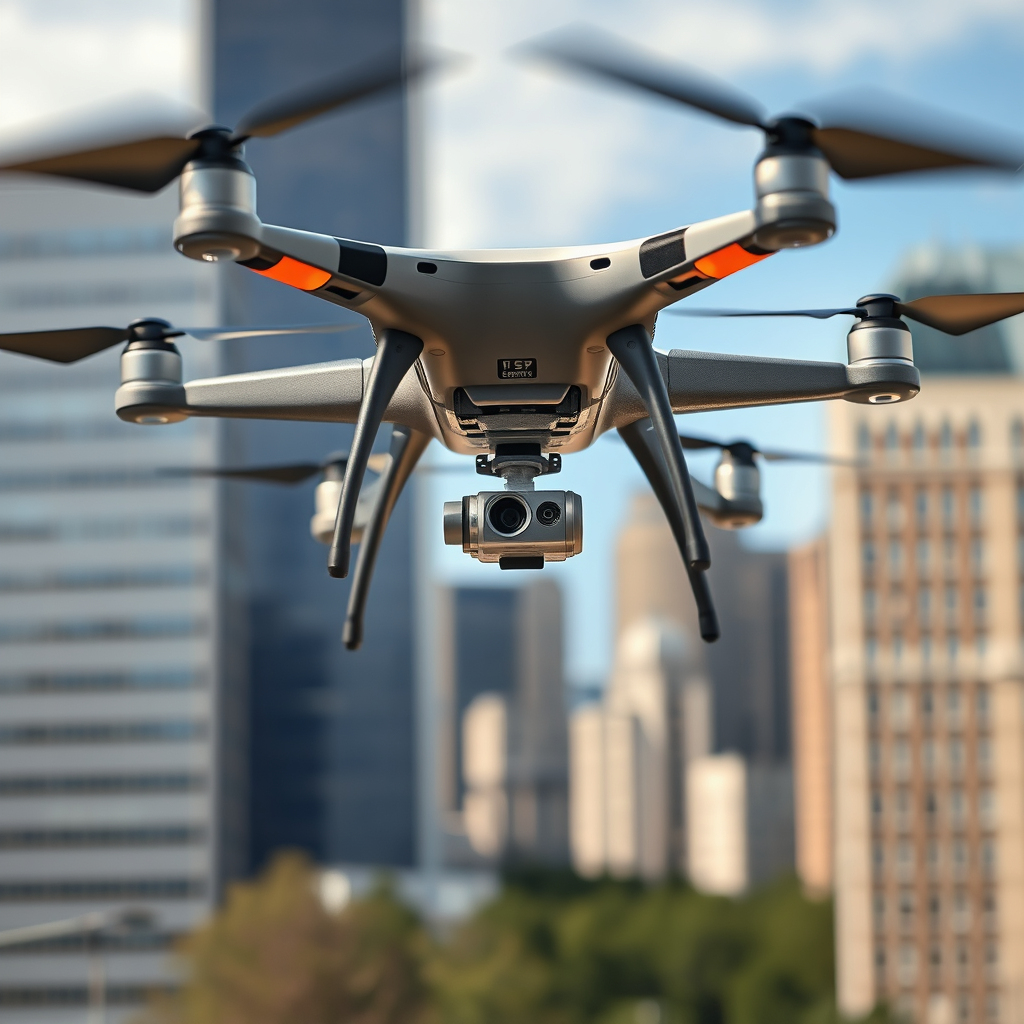
In addition to federal regulations, it is essential to understand the local laws pertaining to drone use in Chicago. The Chicago Municipal Code has specific provisions concerning the operation of drones. For instance, flying drones for commercial purposes may require additional permits, while recreational operations are generally permitted as long as they adhere to FAA guidelines.
Furthermore, certain areas within the city have restrictions on drone flights. For example, it is illegal to operate drones in city parks without a permit, and flying near sensitive locations such as schools, hospitals, and government buildings is prohibited. Familiarizing yourself with these local regulations will help you avoid fines and ensure a more responsible flying experience.
No-Fly Zones and Restricted Areas
Understanding no-fly zones and restricted areas is crucial for anyone looking to operate a drone in Chicago. The city has designated several areas where drone flights are completely prohibited. This includes locations near airports, such as Chicago O’Hare and Midway International Airport, where air traffic is dense and safety is paramount.
To aid in identifying these no-fly zones, drone operators can utilize the FAA’s B4UFLY app. This user-friendly resource provides real-time information about airspace restrictions based on your location, allowing you to plan your flights safely. Additionally, be aware of temporary flight restrictions (TFRs) that may arise during public events or emergencies, which can further limit where you can operate your drone.
Safety Tips for Flying Drones
Safety should always be the foremost concern when flying drones. Here are some essential tips to enhance your flying experience while minimizing risks:
1. Maintain Visual Line of Sight: Always keep your drone within your visual line of sight. This ensures that you can react promptly to any potential hazards or obstacles in the flight path.
2. Avoid Crowded Areas: Refrain from flying over people or densely populated areas, as this can pose significant safety risks. The FAA recommends maintaining a safe distance from crowds to prevent accidents.
3. Check Weather Conditions: Weather conditions can change rapidly, particularly in urban environments. Before flying, check local weather reports to avoid flying in high winds, rain, or low visibility conditions.
4. Respect Privacy: Be mindful of the privacy of others. Avoid flying over private property without permission, and respect individuals’ rights to privacy when capturing aerial photographs or videos.
5. Pre-Flight Checks: Conduct a thorough pre-flight check of your drone to ensure that it is in good working condition. Inspect battery life, propellers, and ensure that all necessary systems are functional.
Drone Insurance and Liability
Considering the potential risks associated with drone operation, obtaining drone insurance is a prudent decision for both recreational and commercial pilots. Insurance can provide coverage for damages to your drone, third-party liability, and property damage in the event of an accident.
Liability insurance is particularly important for commercial operators, as it protects against claims from injuries or damages caused during drone operations. Understanding your responsibilities in case of accidents is vital; being adequately insured can mitigate financial risks and legal complications.
Best Practices for Recreational Drone Pilots
Recreational drone pilots can benefit greatly from engaging with local drone communities and clubs. Joining these organizations can provide valuable support, tips, and insights from experienced pilots. Many clubs offer opportunities for members to participate in training sessions, group flying events, and educational workshops focused on safety and regulations.
Additionally, participating in safe flying initiatives can enhance your skills and knowledge. These initiatives often focus on responsible drone operation, sharing best practices, and advocating for safe airspace use. By being an active member of the drone community, you can stay informed about the latest developments and changes in regulations, which can be particularly beneficial for navigating the evolving landscape of drone laws.
Resources for Drone Operators in Chicago
For drone operators in Chicago, numerous resources are available to stay updated on regulations and best practices. The FAA website offers a wealth of information on drone laws, safety guidelines, and registration processes. Additionally, local government websites may provide specific regulations pertaining to drone use in the city, including any permits required for commercial operations.
Local drone shops can also serve as valuable resources. They often have knowledgeable staff who can provide expert advice on equipment, safety protocols, and maintenance tips. Attending workshops or seminars hosted by these shops can further enhance your understanding of drone operations.
In conclusion, flying a drone in Chicago is indeed possible, but it comes with a responsibility to adhere to both federal and local regulations. By understanding the FAA guidelines, being aware of local laws, and practicing safety measures, you can enjoy a rewarding drone flying experience. Always stay informed about the latest regulations, engage with the drone community, and prioritize safety to ensure that your flying experience is both enjoyable and compliant.
Frequently Asked Questions
What are the regulations for flying a drone in Chicago?
In Chicago, drone operators must adhere to both federal and local regulations. The Federal Aviation Administration (FAA) governs all drone operations, requiring pilots to register their drones and follow guidelines such as flying below 400 feet and keeping the drone within visual line of sight. Additionally, Chicago has specific restrictions, including no flying over people, near airports, or in certain restricted areas like parks and schools. Always check local ordinances before flying to ensure compliance.
How can I obtain permission to fly a drone in Chicago?
To fly a drone in Chicago, you may need to obtain a Special Use Permit if you plan to operate in city parks or other public areas. This can typically be done through the Chicago Park District or the city’s Department of Aviation. For commercial operations, you must have an FAA Part 107 certification and submit a request for a waiver or authorization if you plan to operate in restricted airspace.
Why is it important to check for no-fly zones in Chicago before flying my drone?
Checking for no-fly zones in Chicago is crucial to ensure safety and compliance with the law. Certain areas, such as near airports, military bases, and densely populated regions, are designated as no-fly zones to prevent accidents and protect public safety. Violating these restrictions can result in hefty fines, legal repercussions, or even the confiscation of your drone, making it essential to stay informed about the latest regulations.
What are the best places to fly a drone in Chicago legally?
Some of the best places to fly a drone legally in Chicago include designated parks and open spaces like Lincoln Park and Montrose Harbor, provided you have the necessary permits. It’s vital to avoid heavily populated areas and ensure that you’re not flying over private property without permission. Always check for any local drone regulations and seek locations that provide ample open airspace for safe flying.
Which drone models are best suited for flying in urban environments like Chicago?
When flying in urban environments like Chicago, it’s best to choose drones that are compact, lightweight, and equipped with advanced GPS and obstacle avoidance features. Models such as the DJI Mini 2 or the Mavic Air 2 are popular choices for their portability and stability in tighter spaces. Additionally, consider drones with long battery life and high-quality cameras for capturing stunning aerial footage while ensuring compliance with local regulations.
References
- https://www.faa.gov/uas/getting_started/registration
- https://www.chicago.gov/city/en/depts/doh/provdrs/env_health/svcs/drone_regulations.html
- https://www.nps.gov/articles/drone-regulations-in-national-parks.htm
- https://www.wbez.org/stories/chicago-drone-regulations-what-you-need-to-know/2f70e2f4-8c32-4e4b-8d3b-8b1a7b59c5a4
- https://www.nytimes.com/2020/09/21/us/chicago-drone-regulations.html
- https://www.wired.com/story/guide-flying-drones-city/
- https://www.chicagotribune.com/business/ct-biz-chicago-drone-regulations-20200921-2k6qknv7qfhb7mf5ydb3v27wbu-story.html
