

Yes, you can fly a drone in France, but there are specific regulations and restrictions you must follow. France has established a comprehensive framework to regulate drone usage, ensuring safety and privacy for all citizens. This article will provide you with essential information to ensure a safe and legal flying experience while exploring the beautiful landscapes and urban vistas of France.
Understanding Drone Regulations in France
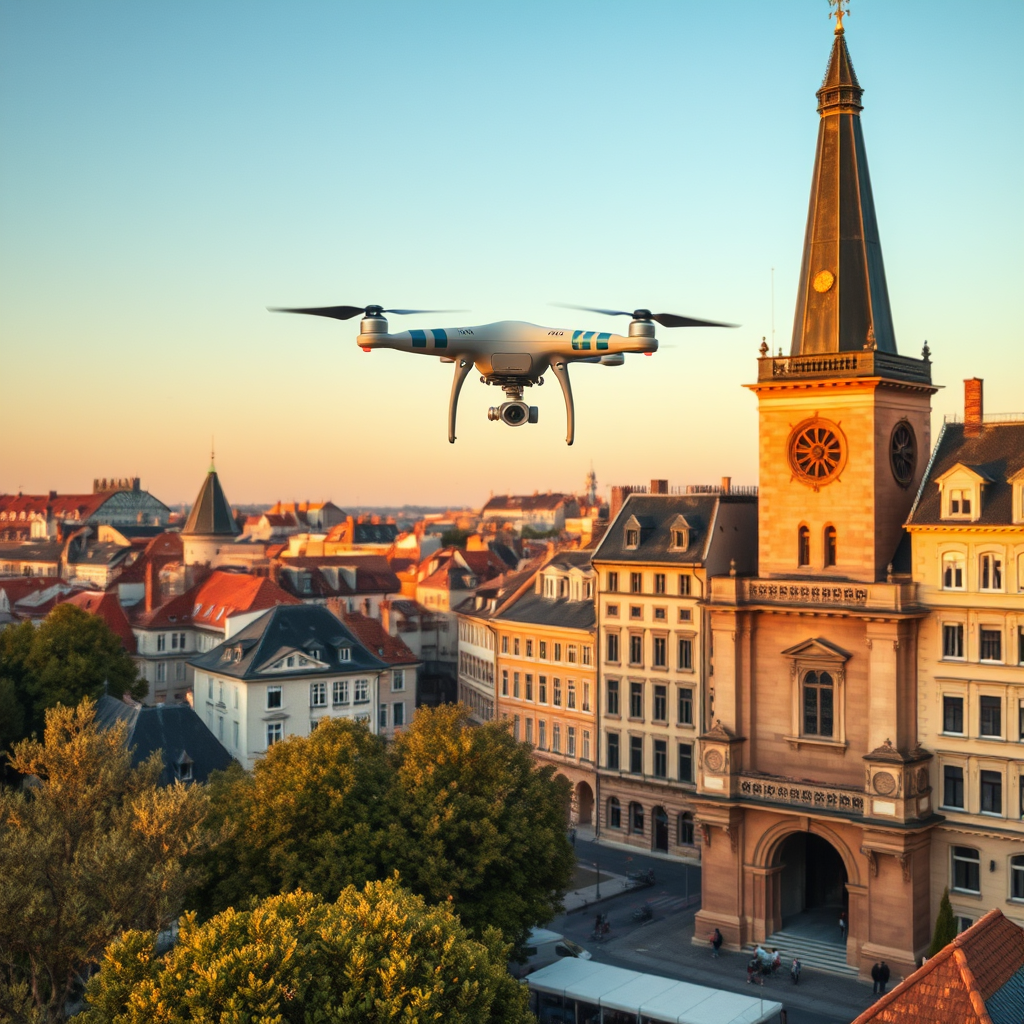
France has strict laws governing drone usage, primarily enforced by the DGAC (Direction Générale de l’Aviation Civile), which is the national authority for civil aviation. These regulations were enacted to mitigate risks associated with drone operations and to protect the privacy of individuals. Drones weighing over 800 grams require registration with the DGAC, and operators must hold a valid liability insurance policy. This insurance is crucial as it protects both the operator and any third parties in the event of an accident.
In addition to weight restrictions, drone pilots must adhere to specific operational guidelines, including altitude limits and flying conditions. For instance, drones cannot exceed a maximum altitude of 120 meters (394 feet) above ground level unless special authorization is obtained. Understanding these regulations is vital for any drone pilot intending to operate in France, as non-compliance can lead to significant penalties.
Types of Drone Categories
Drones in France are categorized into two primary groups: the Open Category and the Specific Category.
– Open Category: This category is designed for recreational use and includes drones that weigh less than 2 kilograms. No special certification is required for pilots operating under this category. However, pilots must still follow basic safety guidelines, such as flying within visual line of sight and avoiding restricted areas.
– Specific Category: Intended for commercial operations or drones that exceed 2 kilograms, the Specific Category imposes more stringent requirements. Pilots must obtain an operational authorization from the DGAC, which includes submitting a risk assessment and demonstrating that they can operate safely. This might also necessitate additional training and certification, particularly if the drone is used for professional purposes, such as aerial photography or surveying.
Understanding these categories is essential for determining the level of regulation that applies to your drone operations in France.
No-Fly Zones and Restrictions
In France, certain areas are designated as no-fly zones to ensure public safety and protect sensitive sites. Major cities, airports, and military bases are typically off-limits for drone operations. For instance, flying a drone near the Eiffel Tower, Louvre Museum, or any other iconic landmark is prohibited without prior authorization.
To navigate these restrictions effectively, drone pilots should utilize resources such as the official Geoportail website or mobile applications that provide up-to-date information on restricted areas. These tools offer a user-friendly way to visualize no-fly zones and ensure compliance with the regulations before launching a drone. Ignoring these restrictions can lead to severe consequences, including fines and legal action.
Safety Guidelines for Drone Pilots
To ensure a safe flying experience, drone operators must adhere to several critical safety guidelines. First and foremost, maintaining a visual line of sight with your drone at all times is essential. This practice helps pilots avoid collisions with other aircraft and obstacles, such as trees and buildings.
Additionally, pilots should avoid flying over crowds of people, as this poses a risk to public safety. Respecting the privacy of individuals is equally important; drone operators should refrain from capturing images or videos of private property without consent.
Another safety guideline involves checking weather conditions before flying. Adverse weather, such as high winds or rain, can significantly affect drone stability and performance. It is advisable to conduct a pre-flight check to ensure that the drone is in good working condition and that all systems are functional.
Required Documentation for Drone Pilots
As mentioned, certain documentation is mandatory for drone pilots in France, depending on the weight and type of drone being flown. For those operating drones in the Open Category, a pilot may not need extensive documentation, but it is advisable to have proof of registration and liability insurance.
However, for pilots operating in the Specific Category, a valid drone pilot certificate may be required. This certification process ensures that operators are knowledgeable about safe flying practices and regulations. Pilots must also ensure their drone is registered with the DGAC if it meets the weight and usage criteria.
Additionally, keeping records of flight logs and maintenance checks is a good practice, as these documents can be crucial in case of incidents or inspections by regulatory authorities.
Consequences of Non-Compliance
The consequences of non-compliance with drone regulations in France can be severe. Fines for violations can range from hundreds to thousands of euros, depending on the nature and severity of the infraction. For example, flying in a no-fly zone or without proper registration can lead to fines exceeding €1,500.
In more serious cases, such as causing an accident or endangering public safety, drone operators may face criminal charges. This could result in significant legal repercussions, including potential imprisonment. Furthermore, authorities have the right to confiscate drones that are operated illegally, leading to financial loss for the owner.
Given these potential consequences, it is imperative for all drone pilots to remain informed about regulations and to operate within the legal framework established by French authorities.
In conclusion, flying a drone in France is permissible when adhering to the established regulations and guidelines. Understanding the different categories of drone usage, adhering to safety protocols, and being aware of no-fly zones are crucial for a successful flying experience. By staying informed and prepared, drone operators can enjoy the stunning vistas of France while ensuring safety and compliance with the law.
Frequently Asked Questions
What are the regulations for flying a drone in France?
In France, drone operators must adhere to specific regulations set by the French Civil Aviation Authority (DGAC). Drones weighing more than 800 grams require registration and the operator must obtain a “drone pilot” certificate. Additionally, drones must not be flown above 150 meters, within 8 kilometers of airports, or over populated areas without special permissions. It’s crucial to familiarize yourself with these regulations to avoid fines and ensure safe flying.
How do I obtain permission to fly a drone in France?
To obtain permission to fly a drone in France, you need to register your drone on the French government’s drone registration website if it exceeds 800 grams. For certain operations, like flying in restricted zones or beyond visual line of sight, you must apply for specific authorizations through the DGAC. Additionally, completing an accredited training course can help in understanding the rules and obtaining the necessary certificates to fly legally.
Why do I need to register my drone in France?
Registering your drone in France is essential for compliance with national laws designed to ensure public safety and privacy. Registration helps authorities track drone usage, particularly in sensitive areas, and ensures that operators are educated about safe flying practices. Failure to register can lead to legal consequences, including fines and confiscation of the drone.
Which areas are restricted for drone flying in France?
In France, several areas are restricted for drone flying, including near airports, military zones, and urban areas with dense populations. Specific sites like national parks and historical monuments also have limitations to protect wildlife and cultural heritage. Before flying, it’s vital to check the official maps provided by the DGAC that outline no-fly zones and temporary restricted areas to ensure compliance and safety.
What are the best practices for flying a drone in France?
To fly a drone safely and responsibly in France, always adhere to the local regulations, maintain a visual line of sight with your drone, and avoid flying over people or private property without permission. Additionally, check the weather conditions before flying, respect the privacy of others, and be mindful of no-fly zones. Following these best practices not only ensures compliance with the law but also enhances the overall flying experience.
References
- https://www.easa.europa.eu/document-library/general-publications/easa-drone-rules
- https://www.legifrance.gouv.fr/jorf/id/JORFTEXT000000733060
- https://www.faa.gov/uas/where_to_flly/foreign_countries/france
- https://www.dronefun.fr/reglementation-drone-france/
- https://www.civitas.org.uk/publications/drones-and-the-law-in-france/
- https://www.bbc.com/news/technology-57042677
