
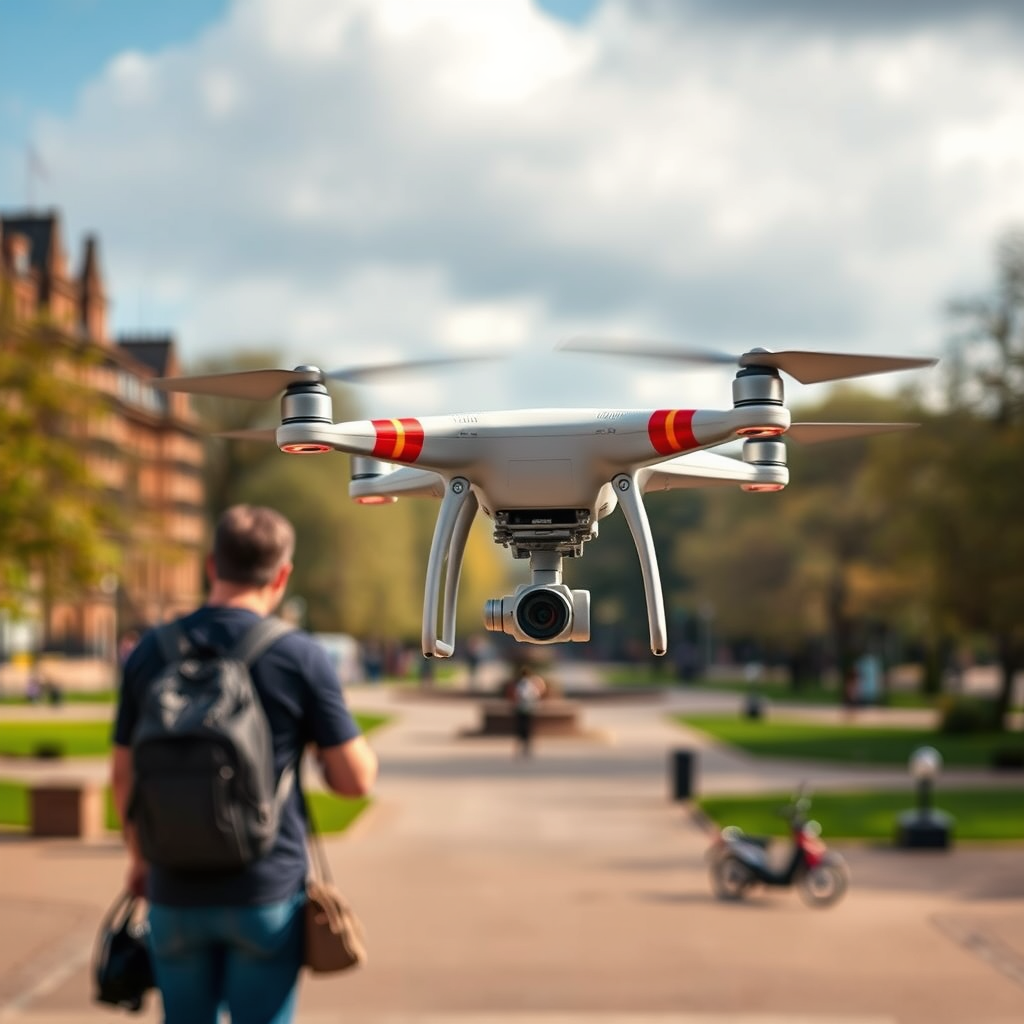
Yes, you can fly a drone in Hyde Park, but there are specific regulations and guidelines you must follow to ensure safety and compliance. As one of London’s most iconic green spaces, Hyde Park attracts both recreational and professional drone enthusiasts. However, it is essential to understand the local laws, safety considerations, and best practices to enjoy your flying experience while respecting the park and its visitors.
Understanding Local Regulations
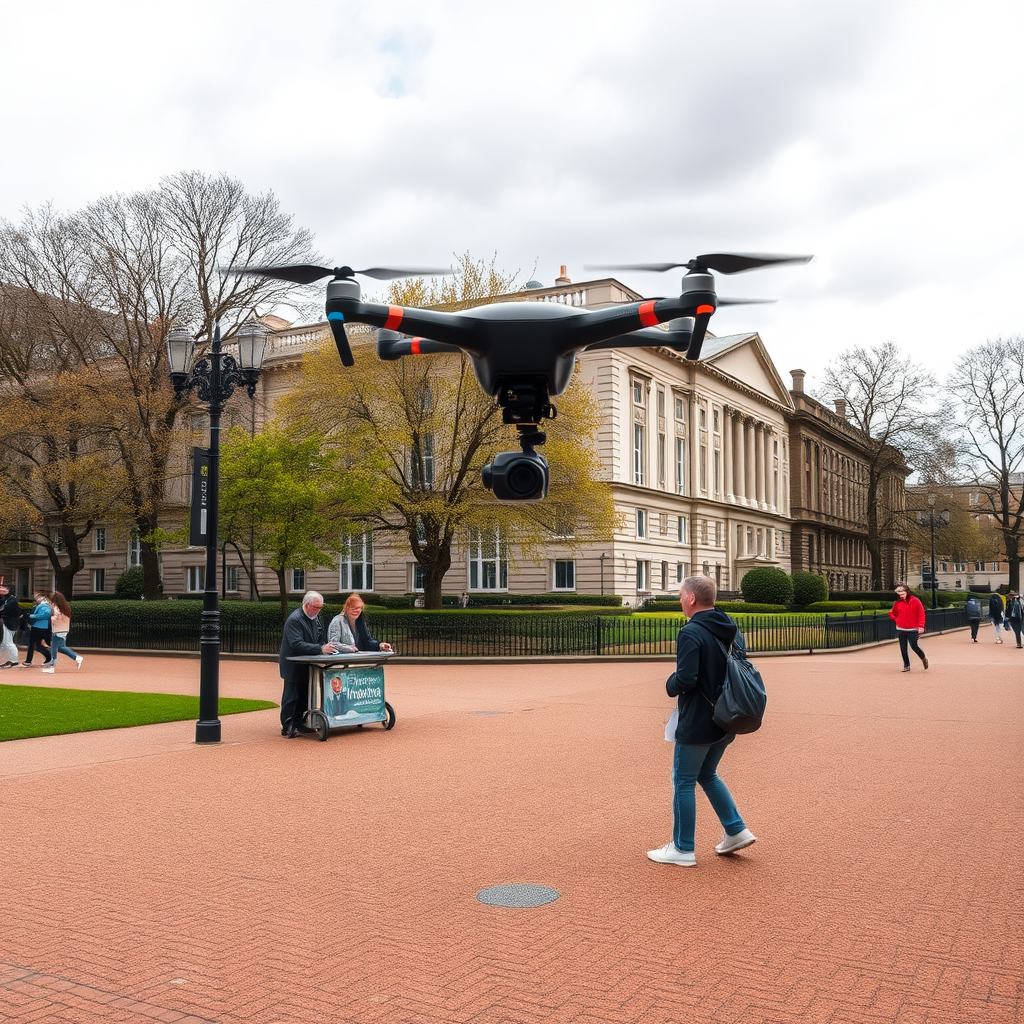
Before you launch your drone in Hyde Park, it’s imperative to familiarize yourself with the regulations set forth by the UK Civil Aviation Authority (CAA). The CAA stipulates that any drone weighing over 250 grams must be registered, and the pilot must hold a valid drone license. Additionally, flying a drone is prohibited within 1 kilometer of airports and airfields, which means understanding the airspace classification surrounding Hyde Park is crucial.
In addition to CAA regulations, local bylaws may impose further restrictions specific to Hyde Park. For instance, drone flying can be limited during high-traffic times or special events, such as concerts or public gatherings. Therefore, it is advisable to check the Royal Parks’ official website or contact park management for up-to-date information on any additional rules that may apply.
Designated Flying Areas
Hyde Park does not have specific designated zones for drone flying, which means that pilots must exercise discretion in choosing their flight locations. It is essential to avoid areas with high pedestrian traffic, such as near the Serpentine Lake or the Diana Memorial Fountain, especially during weekends and holidays.
Moreover, pilots must remain aware of the park’s natural habitats. Areas where wildlife congregates—like the bird sanctuary or places with visible nesting sites—should be avoided to minimize disturbances to local fauna. Understanding these dynamics not only enhances the safety of your flight but also fosters a respectful relationship with the environment.
Safety Considerations
Safety is paramount when operating a drone in public spaces, and Hyde Park is no exception. Always maintain a minimum distance from individuals and property to prevent accidents and avoid liability. The CAA recommends a minimum separation of 50 meters from people and 150 meters from built-up areas when flying a drone.
Moreover, keeping your drone within your line of sight at all times is crucial for avoiding collisions and ensuring that you can react promptly in case of an emergency. It is also prudent to fly your drone at a safe altitude, generally not exceeding 120 meters, to enhance visibility and control.
Weather conditions are another critical safety consideration. Flying in high winds, rain, or low visibility can increase the risk of accidents. Always check weather forecasts before flying and make an informed decision based on current conditions.
Permits and Permissions
For recreational drone use in Hyde Park, a permit is generally not required; however, if you are planning to operate commercially, you must apply for permission. This typically involves obtaining a Permission for Aerial Work (PfAW) from the CAA, which necessitates demonstrating knowledge of safe flying practices and compliance with regulations.
If your drone activities involve aerial photography, filming, or any commercial purpose, you may also need to coordinate with local authorities, including the Royal Parks, to secure any additional permissions or comply with specific conditions. For instance, filming may have stricter requirements to ensure minimal disruption to park visitors and wildlife.
Respecting Wildlife and Environment
Hyde Park is home to a diverse range of wildlife, and as a responsible drone pilot, you must be mindful of your impact on the local ecosystem. Disturbing animals during their nesting or breeding periods can have severe consequences on their populations. Therefore, it’s advisable to avoid flying in areas populated with birds or other wildlife during these sensitive times.
Adopting the “Leave No Trace” principle while flying is also essential. This principle encourages you to minimize your environmental footprint by not disturbing landscapes, avoiding litter, and ensuring that any equipment or personal items are safely secured. Being a considerate drone pilot not only helps protect Hyde Park’s natural beauty but also contributes to a positive perception of drone usage among park visitors.
Local Drone Communities and Resources
Engaging with local drone communities can enhance your flying experience in Hyde Park. Joining clubs or online forums allows you to connect with other drone enthusiasts, share experiences, and receive valuable tips on navigating the unique challenges of flying in urban environments. Many of these communities provide insights on the best times to fly, popular filming spots, and regulations updates.
Additionally, utilizing apps designed for drone pilots can improve your flying experience. Applications like UAV Forecast or AirMap provide real-time information on airspace restrictions, weather conditions, and no-fly zones, helping you make informed decisions before taking to the skies.
In conclusion, while you can fly a drone in Hyde Park, it is crucial to adhere to local regulations and prioritize safety. By understanding the rules, respecting the environment, and engaging with the drone community, you can enjoy a fulfilling and responsible flying experience. Always stay informed about the regulations, and be respectful of the park environment and its visitors. Happy flying!
Frequently Asked Questions
Can I fly a drone in Hyde Park without permission?
No, you cannot fly a drone in Hyde Park without permission. The park falls under the jurisdiction of the Royal Parks, which has specific regulations regarding drone usage. You must apply for a permit to operate a drone in the park, ensuring you comply with safety guidelines and respect the privacy of other visitors.
What are the regulations for flying drones in Hyde Park?
The regulations for flying drones in Hyde Park include obtaining permission from the Royal Parks authority, maintaining a safe distance from people and animals, and adhering to the Civil Aviation Authority (CAA) rules. Additionally, you should avoid flying above 400 feet, stay away from congested areas, and not infringe on the privacy of others. Always check the latest regulations before your flight.
How do I apply for a drone flying permit in Hyde Park?
To apply for a drone flying permit in Hyde Park, you need to visit the Royal Parks website and complete the online application form. This process typically requires you to provide details about your drone, your flying experience, and the purpose of your flight. Once submitted, you will receive a response regarding your application, so plan ahead to allow for processing time.
Why is flying a drone in Hyde Park restricted?
Flying a drone in Hyde Park is restricted mainly for safety and privacy reasons. The park attracts a large number of visitors, and the presence of drones can pose risks to people, wildlife, and the overall tranquility of the environment. Furthermore, regulations are in place to protect the privacy of individuals enjoying the park, ensuring that drone operators conduct their activities responsibly.
What is the best time to fly a drone in Hyde Park if I have a permit?
The best time to fly a drone in Hyde Park, assuming you have a permit, is during early mornings or late afternoons on weekdays. These times generally see fewer visitors, providing a safer and more peaceful environment for your drone operations. Additionally, the lighting conditions during these times can enhance your aerial photography or videography. Always check the weather conditions before flying to ensure visibility and safety.
References
- https://www.nyc.gov/site/parks/parks/hyde-park.page
- https://www.gov.uk/guidance/drone-safety
- https://www.nps.gov/articles/drone-use-in-national-parks.htm
- https://www.caa.co.uk/Consumers/Unmanned-aircraft/
- https://www.bbc.com/news/uk-40405512
- https://www.theguardian.com/technology/2020/jan/30/drone-regulations-uk-what-you-need-to-know
