

Yes, you can fly a drone in Montreal, but there are specific regulations and guidelines you must follow to ensure safe and legal operation. Understanding these rules is crucial for both recreational and commercial drone pilots. With the rise in drone usage for photography, surveying, and recreational fun, it’s essential to navigate the regulatory landscape to avoid fines and ensure public safety. This guide will provide you with a comprehensive overview of everything you need to know about flying a drone in Montreal.
Understanding Canadian Drone Regulations
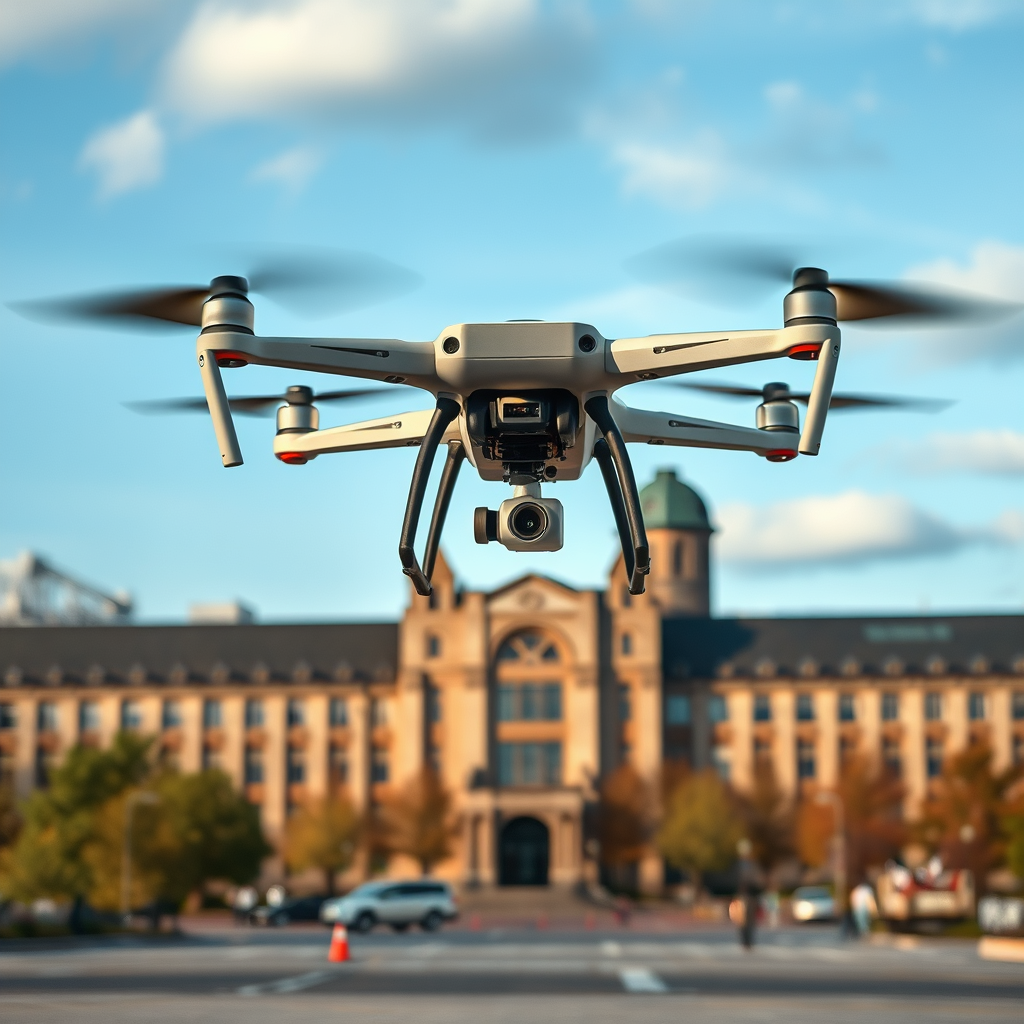
Transport Canada governs the regulation of drones across the country, establishing a framework that all operators must adhere to for safe operation. The Canadian Aviation Regulations (CARs) define the categories of drones and the requirements associated with them. Drones are classified into two main categories: basic and advanced operations, each with its own set of requirements.
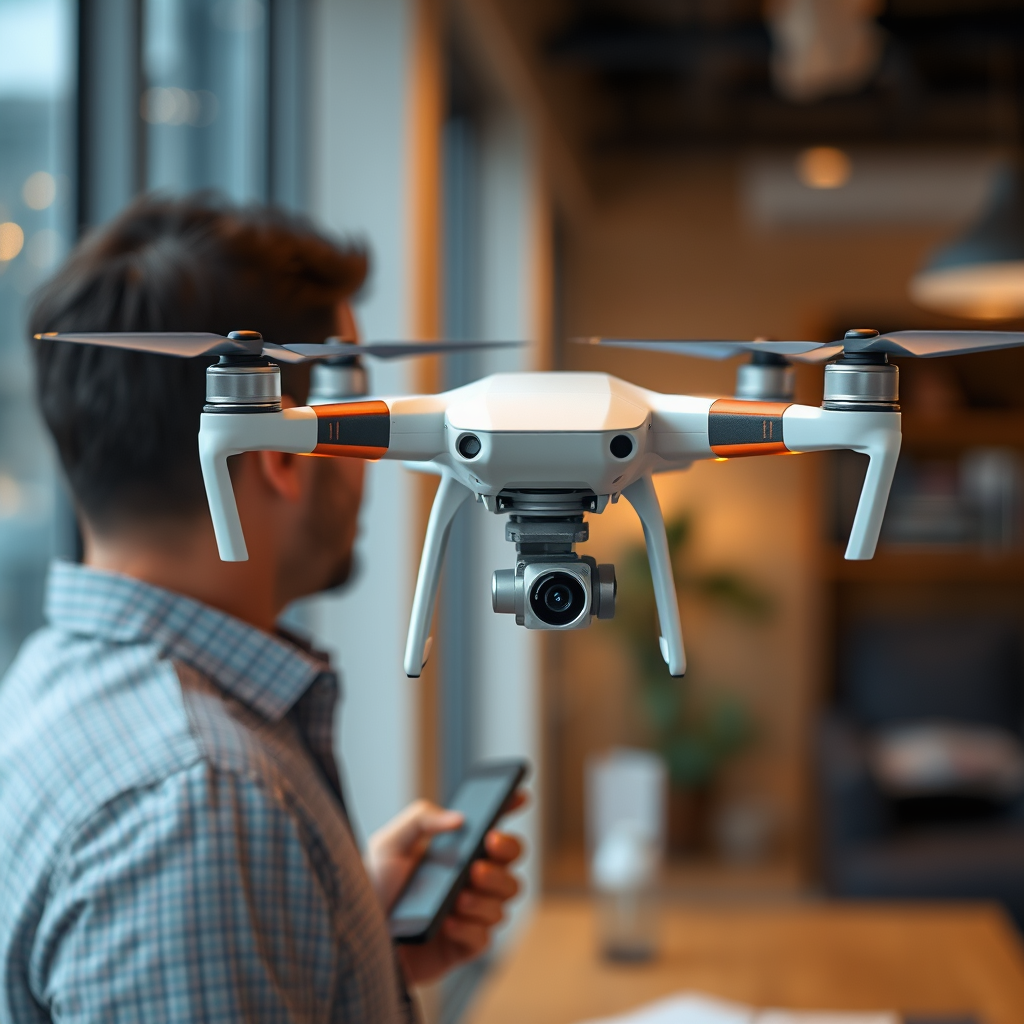
To operate a drone, you must obtain a drone pilot certificate, which involves passing an online exam for basic operations or a more complex flight review for advanced operations. The certification process ensures that pilots understand the rules of the air, safety protocols, and operational limits. It is crucial for drone pilots to familiarize themselves with these regulations and the associated responsibilities to operate legally and responsibly.
Specific Rules for Flying in Montreal
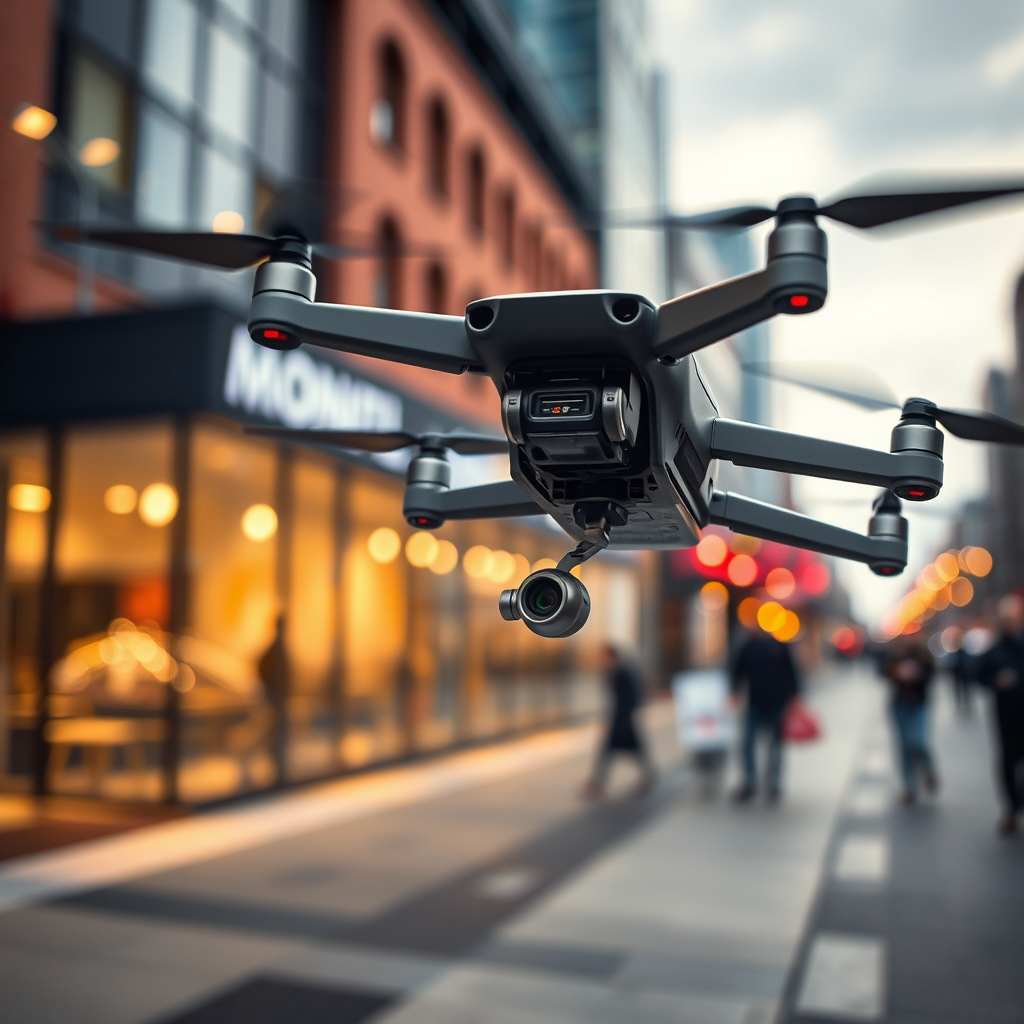
Montreal has specific no-fly zones that drone operators must be aware of, particularly when navigating urban environments. Notably, areas near the Montreal-Pierre Elliott Trudeau International Airport are strictly off-limits for flying drones, as are many parks and public spaces where large crowds may gather. For instance, the Old Port and surrounding areas are popular tourist destinations but are also subject to stringent regulations due to their proximity to sensitive locations and the potential for crowded gatherings.
Furthermore, flying over crowds or urban areas is prohibited under most circumstances unless you have obtained special permission from Transport Canada. This restriction aims to protect public safety and minimize risks associated with drone operations in densely populated areas. Pilots should always be aware of their surroundings and plan their flights accordingly.
Drone Registration Requirements
In Canada, drone registration is a legal requirement for any drone weighing over 250 grams. Pilots must register their drones with Transport Canada, which involves filling out an online registration form and paying a nominal fee. The registration process helps ensure accountability and traceability in case of incidents.
Drones weighing less than 250 grams are exempt from registration; however, this does not exempt pilots from adhering to operational guidelines and safety standards. Understanding the weight categories is essential, as it determines the regulatory requirements that apply to your drone. Pilots should also be aware that registered drones must display a registration number, which is crucial for identification purposes.
Safety Guidelines for Drone Operation
Maintaining a visual line of sight is paramount when operating a drone. This means that pilots must always be able to see their drone without the aid of instruments. This requirement is designed to enhance safety and ensure that pilots can effectively manage their drone’s flight path and avoid obstacles or other aircraft.
Additionally, it is vital to fly responsibly to avoid accidents. This includes not flying under the influence of drugs or alcohol, avoiding adverse weather conditions, and being aware of your surroundings. Engaging in pre-flight checks to ensure that the drone is in good working condition and familiarizing yourself with emergency procedures can significantly reduce the risk of accidents. Responsible flying also entails respecting privacy rights, as capturing images or videos of individuals without consent can lead to legal ramifications.
Local Authorities and Permissions
For drone pilots in Montreal, it is essential to understand the local landscape and any additional permissions required for specific operations. Depending on your flight location and intended use, you may need to contact local authorities, such as city hall or parks departments, to obtain necessary permits. This is particularly relevant for commercial operations or events that may require special clearance.
Additionally, checking with local law enforcement can provide insights into any temporary restrictions or prohibitions that may be in place. This proactive approach ensures that pilots remain informed about the latest regulations and can operate within the legal framework, thus avoiding potential fines or penalties.
Drone Insurance and Liability
Having insurance for your drone is highly advisable, as it can protect you from financial liability in case of accidents or damage caused by your drone. Various insurance options are available, ranging from basic liability coverage to comprehensive plans that cover theft, loss, and damage. Insurance not only provides peace of mind but also enhances your credibility as a responsible drone operator, especially if you are conducting commercial operations.
Understanding liability is crucial for drone pilots. If your drone causes injury or property damage, you could be held liable for the consequences. Therefore, investing in drone insurance can mitigate potential financial risks and provide protection against unforeseen incidents.
Resources for Drone Pilots in Montreal
For those seeking further information about drone regulations and community support, several resources are available. Transport Canada’s official website offers comprehensive guidance on drone operations, safety protocols, and regulatory updates. Local drone clubs and associations also provide valuable networking opportunities, workshops, and training sessions for both novice and experienced pilots.
Engaging with local communities can enhance your skills and knowledge, allowing you to stay informed about best practices and changes in regulations. Many clubs host events that encourage safe flying, foster camaraderie among drone enthusiasts, and create opportunities for collective learning.
In conclusion, while flying a drone in Montreal is permissible, it is essential to adhere to the established regulations and guidelines. Understanding the rules surrounding drone operations, including registration requirements, safety protocols, and local permissions, can help ensure a safe and enjoyable flying experience. By staying informed and connected with local communities, drone pilots can navigate the skies responsibly and contribute to the safe integration of drones into urban environments.
Frequently Asked Questions
What are the regulations for flying a drone in Montreal?
In Montreal, drone operators must adhere to Transport Canada’s regulations, which require pilots to have a valid drone pilot certificate (either basic or advanced) depending on the weight and use of the drone. Additionally, flying is prohibited in certain areas such as near airports, over crowds, and in national parks. It’s crucial to check for local bylaws and specific no-fly zones in Montreal to ensure compliance and safety.
How can I check if I can fly my drone in a specific location in Montreal?
To determine if you can fly your drone in a specific location in Montreal, you should use the NAV CANADA’s Drone Site Selection Tool, which provides information on restricted airspaces and no-fly zones. Additionally, familiarize yourself with the local regulations set by the city and consult any signs or postings that may indicate drone restrictions in parks or public spaces.
Why do I need a drone pilot certificate to fly in Montreal?
A drone pilot certificate is required to ensure that operators understand the safety protocols, rules, and regulations associated with flying drones, thus minimizing risks to people and property. The certification process, offered by Transport Canada, helps promote responsible drone use and enhances public safety, which is essential in a densely populated area like Montreal.
What are the best practices for flying a drone in urban areas like Montreal?
When flying a drone in urban areas like Montreal, it’s essential to maintain a safe distance from people, vehicles, and buildings to avoid accidents. Always check the weather conditions before flying, avoid flying over crowds, and stay below 122 meters (400 feet) as per Canadian regulations. Moreover, ensure that your drone is equipped with the latest firmware and that you conduct pre-flight safety checks.
Which locations in Montreal are popular for flying drones?
Popular locations for flying drones in Montreal include Parc Jean-Drapeau, Mount Royal Park, and the waterfront areas along the St. Lawrence River. These spots offer scenic views and ample space to fly while adhering to local regulations. However, always verify the specific rules for each location, as some parks may have restrictions on drone use due to wildlife or other considerations.
