

Yes, you can fly a drone in your area, but there are specific regulations and guidelines you must follow. Understanding local laws, airspace restrictions, and safety measures will ensure a safe and legal flying experience. Drones have become increasingly popular for recreational and commercial purposes, but with that popularity comes the responsibility to operate them safely and legally. This blog will guide you through the essential considerations to keep in mind before taking flight.
Understanding Local Regulations
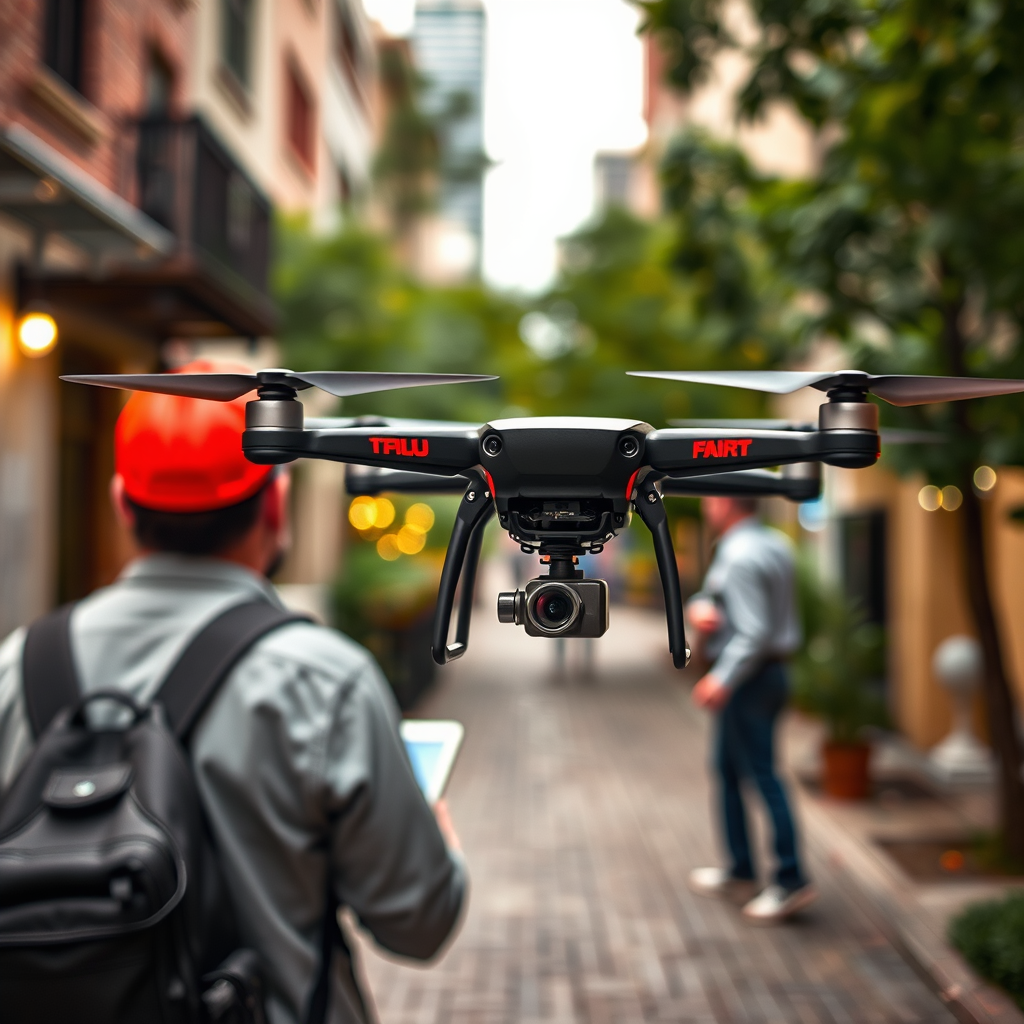
To begin with, it is imperative to familiarize yourself with the drone laws that govern your specific region. Regulations can vary significantly at the federal, state, and local levels, so thorough research is necessary. In the United States, the Federal Aviation Administration (FAA) sets the overarching rules for drone flights, including registration requirements and operational limits. For instance, drones weighing over 0.55 pounds must be registered with the FAA, and pilots should obtain the Part 107 certification if they intend to use drones for commercial purposes.
In addition to federal regulations, state and local governments may impose additional restrictions. For example, certain states have laws that prohibit flying drones over private property without permission, or they may have specific rules governing the use of drones in public spaces like parks. Always check with your local government or aviation authority to ensure compliance with all applicable laws.
Airspace Restrictions
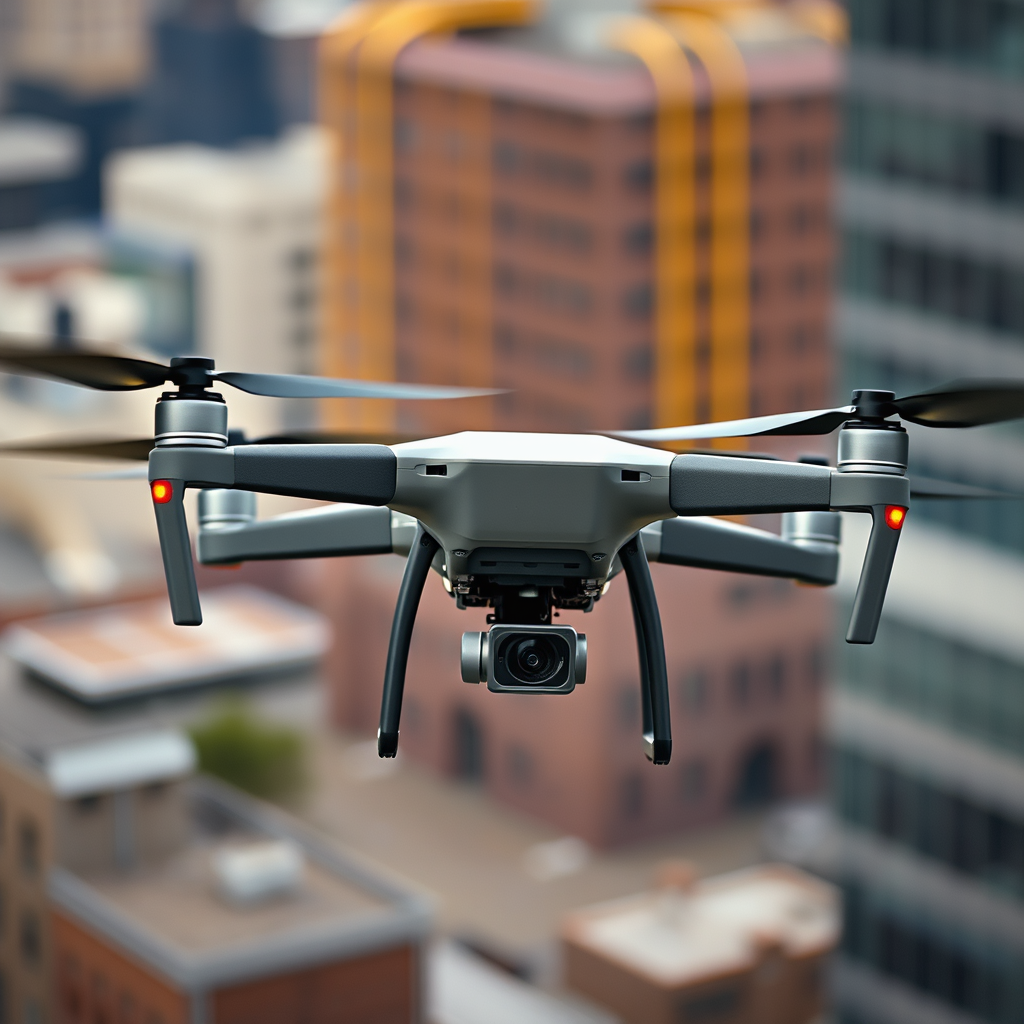
Understanding airspace restrictions is crucial for safe drone operation. Some areas are designated as controlled airspace, where drone flights may be restricted or forbidden, particularly near airports, military bases, and other sensitive locations. For example, the airspace within a five-mile radius of an airport is often classified as controlled airspace, requiring special permissions or FAA authorization for drone flights.
To effectively identify these zones, several apps and tools are available to drone pilots. Platforms like Airmap and SkyVector provide real-time data on airspace classifications, including no-fly zones. These resources help you visualize where flying is prohibited and ensure that you plan your flights accordingly. Always verify the current airspace status before launching your drone, as restrictions can change based on temporary conditions, such as airshows or disaster response efforts.
Safety Guidelines for Drone Operation
Safety should always be a top priority when flying a drone. Maintaining a visual line of sight with your drone is a fundamental safety guideline. This means you should be able to see your drone without the aid of binoculars or other devices at all times during flight. This practice reduces the likelihood of accidents and helps you maintain awareness of your surroundings.
Additionally, it is critical to avoid flying over crowds or populated areas. Not only does this minimize the risk of injury to people on the ground, but it also helps prevent property damage. For instance, if a drone were to malfunction and crash in a crowded area, the consequences could be severe, both for individuals and for the drone operator. Following these safety guidelines not only protects others but also reinforces responsible flying habits.
Community Guidelines and No-Fly Zones
In addition to federal and state regulations, many communities have specific guidelines or restrictions regarding drone operation. Local parks, nature reserves, and other public spaces may have rules that limit drone flights to protect wildlife or maintain public safety. For instance, flying drones in national parks is generally prohibited, as it can disturb wildlife and disrupt the natural environment.
Furthermore, temporary no-fly zones may be established during special events, emergencies, or construction activities. Always be proactive in checking local announcements or community boards for updates on these restrictions. Engaging with local drone clubs can also provide valuable insights into community-specific regulations and best practices.
Best Practices for Responsible Flying
Responsible drone operation extends beyond adherence to regulations and guidelines. Respecting the privacy of others is an essential aspect of being a considerate drone pilot. Avoid filming or photographing individuals without their consent, as this can lead to legal issues and negative community perceptions. Additionally, being aware of the altitude limits set forth by the FAA—typically no higher than 400 feet—can help minimize disruptions to manned aircraft and ensure compliance with aviation laws.
Before flying, it’s also wise to conduct a pre-flight checklist. Ensure your drone is in good working condition, check the battery life, and familiarize yourself with the controls. This preparation will enhance both your safety and the safety of those around you.
Resources for Drone Pilots
To stay updated on regulations and best practices, drone pilots can utilize various resources. Government websites, such as the FAA’s official site, provide comprehensive information on drone laws and registration processes. Additionally, local drone clubs or organizations often host workshops and events, creating opportunities for pilots to learn and share information.
Online forums and social media groups can also serve as valuable platforms for connecting with fellow drone enthusiasts. Websites like Reddit and Facebook have dedicated communities where pilots exchange tips, experiences, and advice on navigating drone regulations and safe flying practices.
In conclusion, while flying a drone in your area is possible, it is crucial to stay informed about the regulations and safety practices that apply. Understanding local laws, respecting airspace restrictions, and adhering to safety guidelines will contribute to a responsible and enjoyable flying experience. Always check local laws before taking to the skies, and consider connecting with fellow drone enthusiasts for support and information. By following these essential guidelines, you can ensure that your drone flying experience is both legal and enjoyable.
Frequently Asked Questions
What are the general regulations for flying a drone in my area?
Drone regulations vary by location and are influenced by national laws, state rules, and local ordinances. In the United States, the Federal Aviation Administration (FAA) governs drone use and requires registration for drones weighing over 0.55 pounds. It’s crucial to check your local laws, as some cities or parks may have specific restrictions or require permits for drone flying.
How can I find out if there are no-fly zones for drones in my area?
To determine if there are no-fly zones for drones in your area, utilize tools like the FAA’s B4UFLY app, which provides real-time information on airspace restrictions. Additionally, websites like Airmap and DroneDeploy offer interactive maps that highlight restricted zones, including airports, military bases, and other sensitive areas where flying a drone is prohibited.
Why is it important to check if I can fly a drone in my area?
Checking if you can fly a drone in your area is essential to avoid legal repercussions and ensure safety. Violating airspace regulations can lead to fines, confiscation of the drone, or even criminal charges. Furthermore, being aware of local laws helps protect people, property, and wildlife, promoting responsible drone use within your community.
What is the best way to obtain permission to fly a drone in restricted areas?
The best way to obtain permission to fly a drone in restricted areas is to contact the relevant authority directly. For instance, if you want to fly near an airport, reach out to the airport’s control tower well in advance. Additionally, you may need to apply for a Certificate of Waiver or Authorization (COA) from the FAA for certain operations, especially if you plan to fly commercially or in complex airspace.
Which resources can help me stay updated on drone regulations in my area?
To stay updated on drone regulations in your area, follow the FAA’s official website, which regularly publishes guidelines and updates on drone laws. Additionally, local drone clubs or online communities, such as the Drone Pilots Forum, can provide valuable insights and peer support. Subscribing to newsletters from drone advocacy organizations can also keep you informed about any changes in regulations that may affect your ability to fly.
References
- https://www.faa.gov/uas/getting_started/fly_for_fun
- https://www.faa.gov/uas/
- https://www.nps.gov/articles/drone-use-in-national-parks.htm
- https://www.droneadvocacy.org/
- https://www.wired.com/story/drone-regulations-2021/
- https://www.ed.gov/technology/using-drones-in-education
- https://www.theguardian.com/technology/2021/jul/23/drone-regulations-uk-what-you-need-to-know
- https://www.nasa.gov/feature/what-you-need-to-know-about-drone-operations
- https://www.nytimes.com/2022/03/25/us/drone-law-faa.html
