
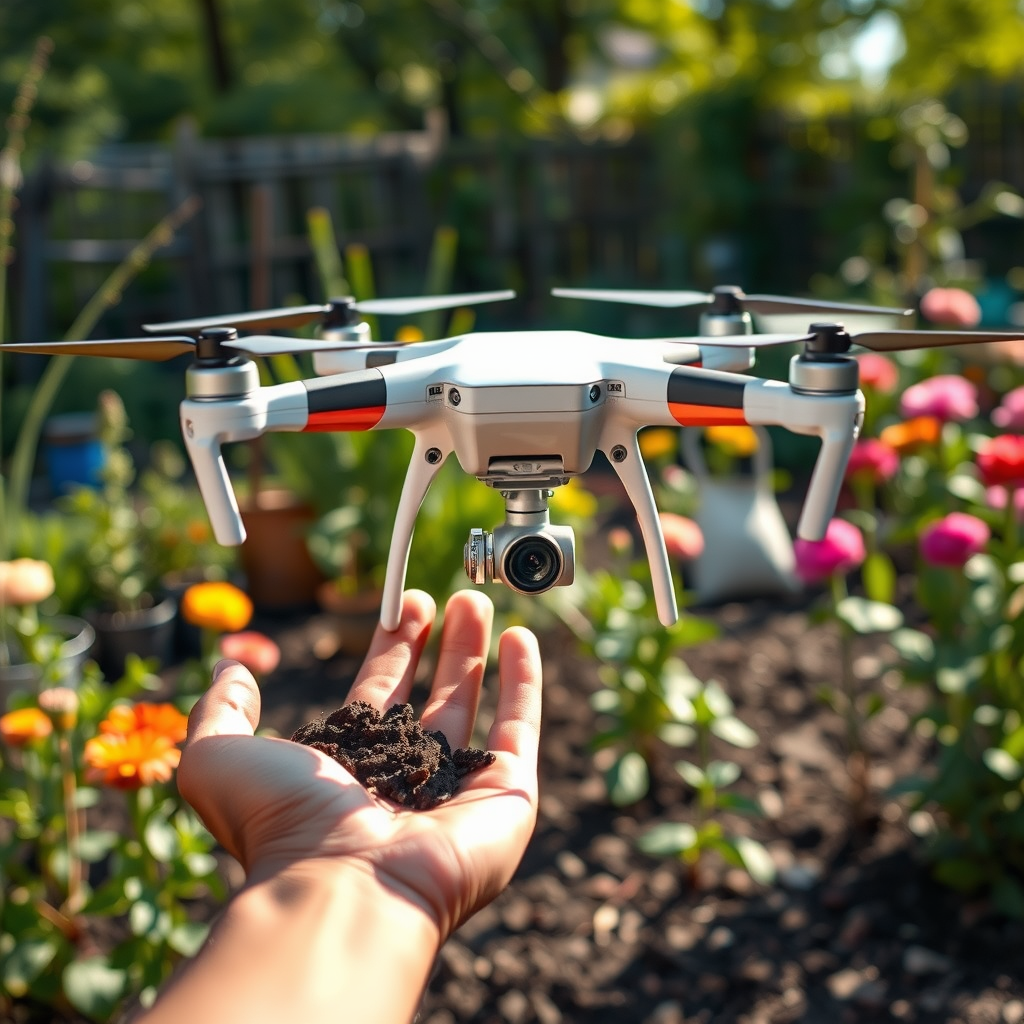
Yes, you can generally fly a drone in your backyard, but there are important regulations and safety guidelines to follow. To fully enjoy your drone flying experience, it is crucial to understand local laws, prioritize safety, and be mindful of privacy issues that may arise. This article explores essential considerations that drone enthusiasts should keep in mind before launching their devices in residential areas.
Understanding Local Regulations
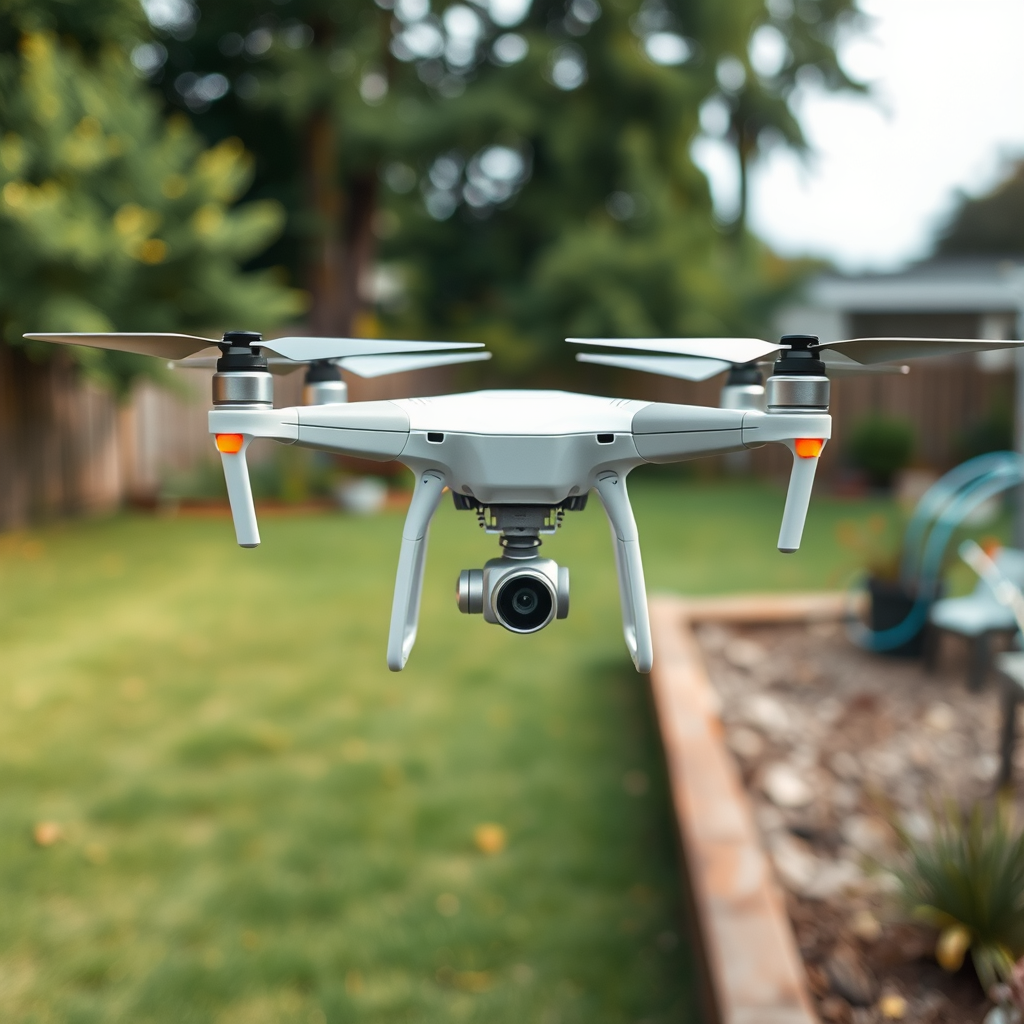
Before flying your drone in your backyard, it is vital to familiarize yourself with the Federal Aviation Administration (FAA) regulations that govern drone operations. The FAA classifies drones into different categories based on their weight and purpose, which dictates specific operational guidelines. For instance, drones weighing over 0.55 pounds (250 grams) must be registered with the FAA before flight, and operators must adhere to rules concerning altitude limits, line-of-sight operations, and prohibited airspaces.
In addition to federal regulations, local laws and ordinances may impose further restrictions. Some municipalities have enacted regulations that limit drone use in residential areas, particularly regarding flight over private property and within certain distances from schools or parks. Therefore, it is essential to check with your local government or zoning authority to ensure compliance with any specific rules or regulations applicable to your area.
Safety Guidelines for Backyard Flying
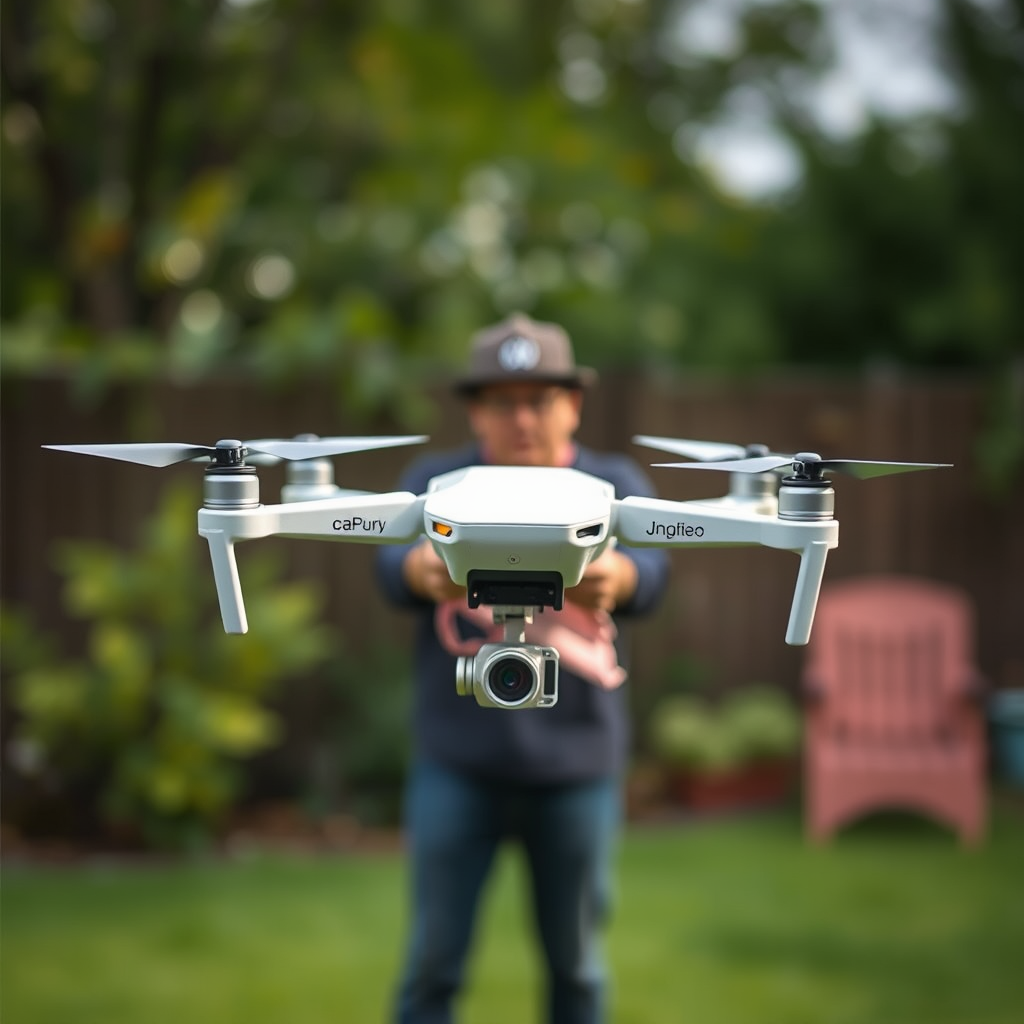
Safety should be your top priority when flying a drone in your backyard. First and foremost, maintaining a safe distance from people, pets, and structures is crucial to prevent accidents. The FAA recommends keeping a minimum distance of 25 feet away from individuals not involved in the flight. This is particularly important if you have children, pets, or neighbors nearby.
Furthermore, you should avoid flying near airports or restricted airspace. Drones are not permitted to operate within five miles of an airport without prior notification to the air traffic control tower, as this could interfere with manned aircraft operations. Utilize apps and online resources that provide maps of restricted airspaces, ensuring that your flight remains within legal boundaries.
Privacy Considerations
Respecting the privacy of neighbors and passersby is another critical consideration when flying a drone in your backyard. The use of drones equipped with cameras can lead to unintended privacy violations, posing legal risks for the operator. Many states have laws regarding aerial surveillance and privacy, which can include restrictions on capturing images or videos of individuals without their consent.
To avoid potential conflicts, consider informing your neighbors about your drone flying activities and how you intend to use the drone. Open communication can foster a sense of community and may alleviate concerns about privacy violations. Additionally, avoid flying over your neighbor’s property without permission to ensure that you remain within the bounds of good neighborly conduct.
Drone Registration Requirements
Determining whether your drone needs to be registered with the FAA is an important step before flying. As mentioned earlier, drones that weigh more than 0.55 pounds must be registered. The registration process is straightforward and can be completed online through the FAA’s website. Once registered, you will receive a unique identification number that must be affixed to your drone.
In addition to federal registration, some states and municipalities may have their own registration requirements. Always verify if there are additional local regulations that necessitate separate registration. Failing to register your drone can result in fines and legal penalties, so ensure compliance before taking to the skies.
Choosing the Right Time and Conditions
Selecting the appropriate time and conditions for flying your drone can greatly enhance your experience. Ideally, you should fly during good weather conditions to ensure safety and visibility. Windy or inclement weather can make drone operation challenging and increase the risk of accidents. Aim for clear skies with minimal wind to achieve optimal flight performance.
Additionally, consider the noise levels associated with drone operation. Drones can be quite loud, which may disturb your neighbors, especially during early mornings or late evenings. To maintain good relationships with those around you, it’s advisable to avoid flying during these times. Instead, aim for mid-day flights when noise is less likely to be disruptive.
Equipment Checks Before Flight
Before initiating any flight, conducting a pre-flight inspection of your drone is essential. This inspection should include checking the condition of the propellers, ensuring that there are no visible damages or obstructions. Additionally, verify that all electronic components, such as cameras and sensors, are functioning correctly.
Battery checks are also critical. Ensure that your drone’s batteries are fully charged and that you have a backup battery on hand if you plan to fly for an extended period. Familiarize yourself with your drone’s flight time, as overestimating its capabilities can lead to emergencies. Taking these safety precautions can help prevent accidents and ensure a smooth flying experience.
Community Resources and Support
Engaging with local drone clubs or online forums can provide valuable resources and support for both novice and experienced drone pilots. These platforms often offer advice, tips, and insights on best practices for flying in residential areas. Being part of a community can also help you stay informed about local regulations and any changes that may arise.
Moreover, attending drone flying events can present opportunities to learn from experienced pilots. These events often feature workshops, demonstrations, and networking opportunities that can enhance your skills and knowledge. By participating in the drone community, you can cultivate your passion while ensuring responsible flying practices.
In conclusion, flying a drone in your backyard is certainly feasible, but it requires careful attention to regulations, safety protocols, and the privacy of others. By staying informed about local laws, taking necessary precautions, and communicating with your neighbors, you can create a positive experience for yourself and those around you. Always adhere to responsible flying practices to enjoy the exhilarating world of drone piloting while respecting the environment and community. Happy flying!
Frequently Asked Questions
Can I fly a drone in my backyard without any permits?
Generally, flying a drone in your backyard does not require a permit as long as you are flying it for recreational purposes and below 400 feet. However, it’s essential to follow the Federal Aviation Administration (FAA) regulations, which include respecting no-fly zones and maintaining visual line-of-sight with your drone. Additionally, local laws or homeowners’ association rules may impose further restrictions, so it’s wise to check these before taking off.
What are the rules for flying a drone in residential areas?
When flying a drone in residential areas, you must adhere to the FAA’s Part 107 rules if you plan to use it for commercial purposes. For recreational flying, you should keep the drone within visual line-of-sight, avoid flying over people, and stay away from airports. It’s also courteous to inform neighbors of your drone activity, especially if you are flying for extended periods, to avoid misunderstandings.
How can I ensure I am flying my drone safely in my backyard?
To fly your drone safely in your backyard, first, conduct a pre-flight check to ensure the drone is in good condition. Make sure to fly in open areas away from trees, power lines, and other obstacles that could interfere with the drone’s operation. Always be aware of your surroundings, avoid flying when it’s windy or rainy, and respect the privacy of your neighbors by not capturing footage without consent.
Why is it important to check local regulations before flying a drone in my backyard?
Checking local regulations is crucial because drone laws can vary significantly by city or state, and some areas may have specific restrictions that could affect where and how you can fly. For example, certain municipalities may prohibit drone flights in public parks or near schools, even for recreational use. Staying informed about these regulations helps you avoid fines and ensures that you fly responsibly and ethically within your community.
What are the best practices for flying a drone in my backyard?
The best practices for flying a drone in your backyard include flying during daylight hours to enhance visibility and safety, using a drone that is within your skill level, and maintaining a safe distance from people and animals. Consider using a drone with geofencing capabilities to help prevent unintentional breaches of no-fly zones. Additionally, always respect the privacy of others by avoiding capturing images or videos of private property without permission.
References
- https://www.faa.gov/uas/getting_started/register_drone
- https://www.faa.gov/uas/getting_started/learn/
- https://www.nytimes.com/2022/03/25/us/drone-laws.html
- https://www.wired.com/story/how-to-fly-a-drone-legally/
- https://www.nasa.gov/feature/nasa-drone-research
- https://www.fcc.gov/media/radio/rules-drone-operations
- https://www.verywellmind.com/drone-safety-tips-5110241
- https://www.bbc.com/news/technology-61242836
- https://www.reuters.com/technology/us-faa-takes-steps-redefine-drone-operations-2023-04-06/
- https://www.dronepilotgroundschool.com/drone-laws-and-regulations/
