
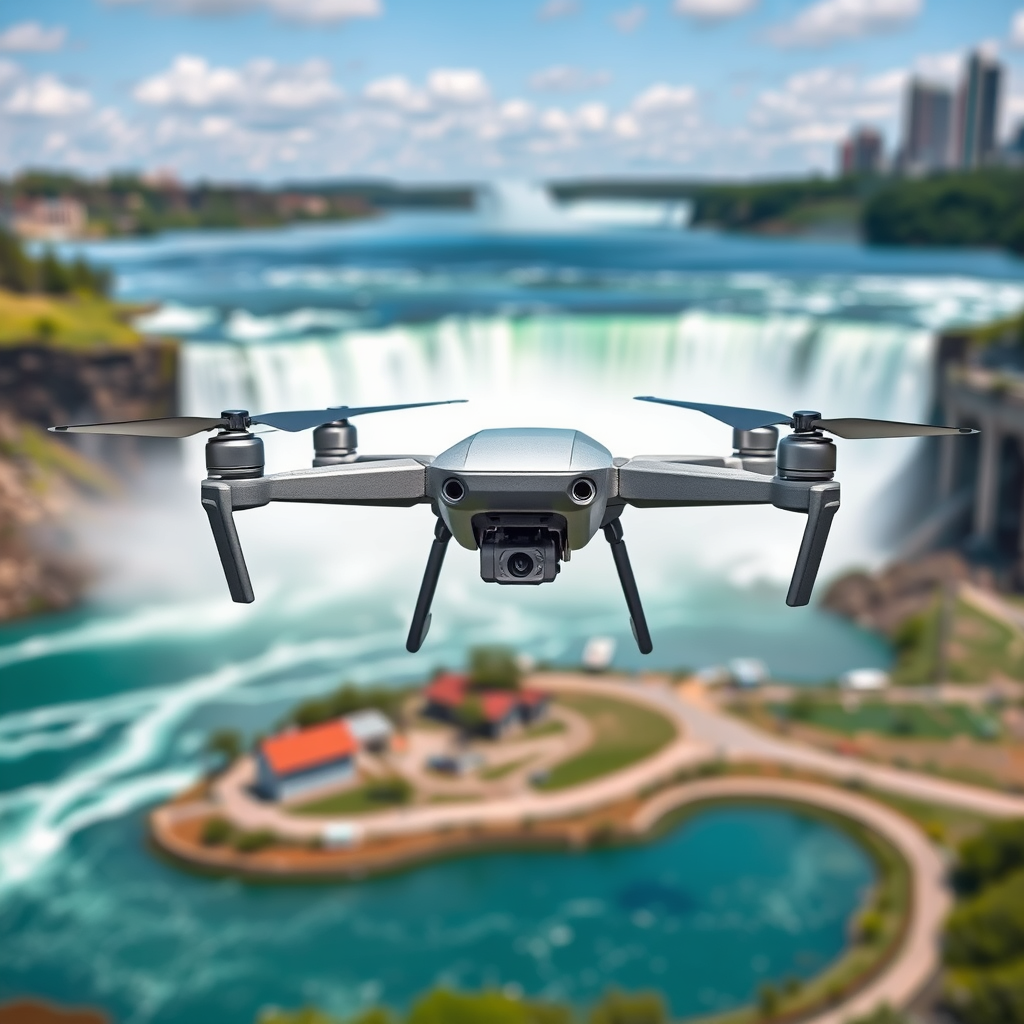
Yes, you can fly a drone in Niagara Falls, but there are strict regulations and guidelines that must be followed. Niagara Falls, a UNESCO World Heritage site, offers stunning landscapes that attract photographers and drone enthusiasts alike. However, to ensure safety and preserve the natural beauty of the area, it is essential to adhere to local and national regulations governing drone use. Understanding these rules not only enhances your flying experience but also fosters respect for the environment and the people who visit this iconic location.
Understanding Drone Regulations in Niagara Falls
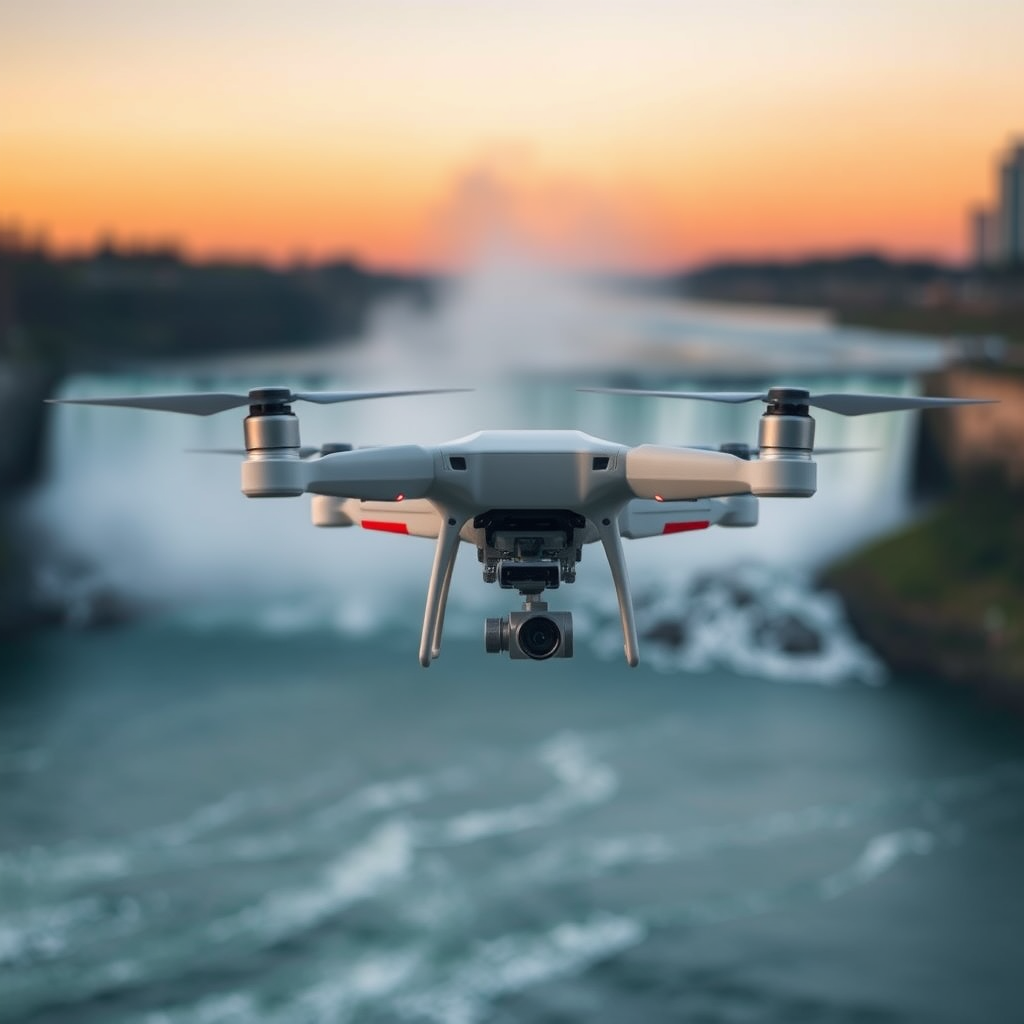
Flying a drone in Niagara Falls is governed primarily by Transport Canada regulations, which dictate specific operational guidelines for drone pilots. For instance, drones must not exceed an altitude of 122 meters (400 feet) above ground level, and pilots are prohibited from flying within a certain distance of airports, populated areas, and other designated no-fly zones. This ensures the safety of both drone operators and other individuals in the vicinity.
Moreover, local regulations may impose additional restrictions. It is vital to consult with Niagara Parks and municipal authorities to ensure compliance with any specific rules that apply to the area. For instance, parks may have their own drone policies, which can vary significantly. Staying updated with these regulations will help you avoid fines and enhance your overall experience while flying.
Designated Flying Zones
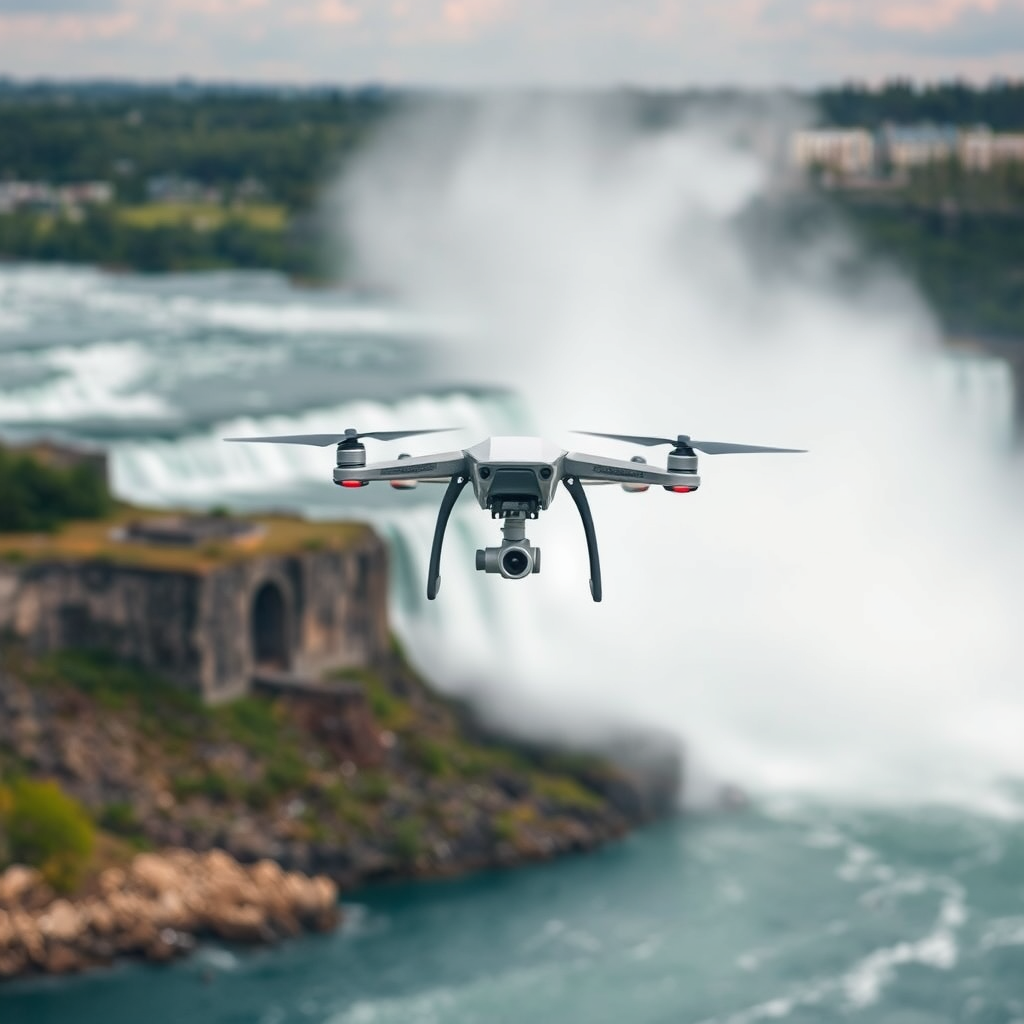
In Niagara Falls, there are specific areas where drone flying is permitted, minimizing potential conflicts with other visitors and wildlife. For example, certain parks and scenic spots have been designated for drone use, where the landscape offers ample opportunities for aerial photography. Pilots should consult the Niagara Parks website for updated information on these designated zones.
Additionally, some areas may have restrictions during peak seasons or special events. Being aware of such limitations will help you plan your drone activities accordingly and ensure that you are flying in a compliant area. It is also a good practice to observe other drone pilots to gauge the acceptable flying conditions and local etiquette.
Safety Guidelines for Flying Drones
Safety should be the top priority for any drone pilot, especially in busy tourist areas like Niagara Falls. To ensure the safety of yourself and others, maintain a safe distance from people, animals, and natural features. This not only protects the well-being of those nearby but also reduces the risk of accidents that could damage your drone or the environment.
Always keep your drone within visual line of sight. This practice is essential for maintaining control and awareness of your surroundings, allowing you to react promptly to any unforeseen obstacles or hazards. Additionally, familiarize yourself with the drone’s controls and capabilities before flying in unfamiliar terrain to ensure a safe and enjoyable experience.
Environmental Considerations
Operating a drone in natural settings such as Niagara Falls requires a strong commitment to environmental stewardship. Respect local wildlife and their habitats by avoiding areas where animals may be nesting or feeding. Drones can disturb wildlife, leading to stress and disorientation, which can have negative repercussions on local ecosystems.
It is also advisable to avoid flying during peak tourist seasons, as this can minimize disturbances to both wildlife and other visitors. By choosing quieter times to fly, you contribute to a more enjoyable experience for everyone and demonstrate respect for the natural environment.
Obtaining Necessary Permissions
While recreational drone flying is permitted in certain areas, it is crucial to be aware that some locations may require specific permits, especially for commercial use. Obtaining a permit often involves submitting an application to local authorities or the Niagara Parks Commission, outlining your intended use and the area you wish to operate in.
Before you set out to fly, contact local authorities to gather information about the necessary permits and any required documentation. Understanding the process and requirements can save you time and ensure compliance with all regulations.
Best Practices for Drone Photography
Capturing breathtaking images of Niagara Falls from above is a thrilling experience, but it requires an understanding of the best practices for drone photography. Timing is everything; the optimal times for lighting and angles generally occur during the early morning or late afternoon when the sun is lower in the sky. This golden hour provides softer light and enhances the natural beauty of the falls.
Additionally, familiarize yourself with your drone’s settings to ensure you capture stunning visuals while remaining compliant with regulations. Experiment with different camera angles and settings to make the most out of your aerial shots. Remember to review the footage and images after your flight to identify areas for improvement in future sessions.
Resources for Drone Pilots
There are numerous resources available to help drone pilots stay informed about local regulations and best practices. Online platforms and mobile applications offer real-time updates on drone regulations, weather conditions, and airspace restrictions. Websites such as Transport Canada provide essential information on drone safety and operational guidelines specific to the Niagara Falls area.
Joining local drone pilot communities can also be beneficial. These groups often share experiences, tips, and insights that can enhance your flying experience. Engaging with fellow enthusiasts allows you to learn from their experiences and gain knowledge about the best practices for flying in and around Niagara Falls.
In conclusion, while flying a drone in Niagara Falls can be an exciting way to capture breathtaking views, it’s crucial to adhere to regulations and respect the environment. By understanding local laws, maintaining safety practices, and obtaining any necessary permissions, you can enjoy a fulfilling drone experience. Remember to plan ahead, stay informed about regulations, and appreciate the beauty of this iconic location from above, all while ensuring a safe environment for yourself and others.
Frequently Asked Questions
Can I fly a drone over Niagara Falls?
Flying drones directly over Niagara Falls is prohibited due to strict regulations enforced by the Niagara Parks Commission and Transport Canada. The area is considered a no-fly zone, primarily for safety and privacy reasons, as well as to protect the natural beauty of the site. If you wish to capture aerial footage, consider flying in designated areas away from the falls, but always check local regulations and obtain necessary permissions.
What are the regulations for flying a drone in Niagara Falls, Ontario?
In Niagara Falls, Ontario, drone pilots must comply with both federal and provincial regulations. Transport Canada mandates that drones must be flown at least 30 meters away from people and not above 122 meters in altitude. Additionally, local regulations prohibit flying in certain parks and near critical infrastructure, so it’s essential to verify specific rules for the area you plan to fly in.
How can I find legal drone flying locations near Niagara Falls?
To find legal drone flying locations near Niagara Falls, you can use resources such as the Drone Site Selection Tool by Transport Canada or local drone community forums. Additionally, checking maps for designated parks or open areas that allow drone flying can be helpful. Always ensure you are aware of any local laws or restrictions that may apply to specific locations.
Why is flying a drone over Niagara Falls restricted?
Flying a drone over Niagara Falls is restricted primarily for safety, environmental protection, and visitor experience reasons. The powerful currents and mist from the falls can create hazardous conditions for drone operation. Furthermore, the area is a popular tourist destination, and drone flights could disrupt visitors and wildlife, leading authorities to enforce strict regulations.
What should I know before flying a drone in Niagara Falls?
Before flying a drone in Niagara Falls, it’s crucial to understand the local laws and regulations regarding drone flights. Make sure your drone is registered, and you have a valid pilot certificate if required. Also, always conduct a pre-flight check to ensure your drone is in good working condition, be aware of weather conditions, and respect the privacy of others while flying in permissible areas.
