

Yes, you can fly a drone in New Jersey, but there are specific regulations you need to follow to ensure safe and legal operation. Understanding these rules is crucial for both recreational and commercial drone pilots, as non-compliance can lead to fines, confiscation of equipment, and potential legal consequences. This guide aims to clarify the regulations and best practices to help you navigate the complexities of drone flying in the Garden State.
Understanding FAA Regulations
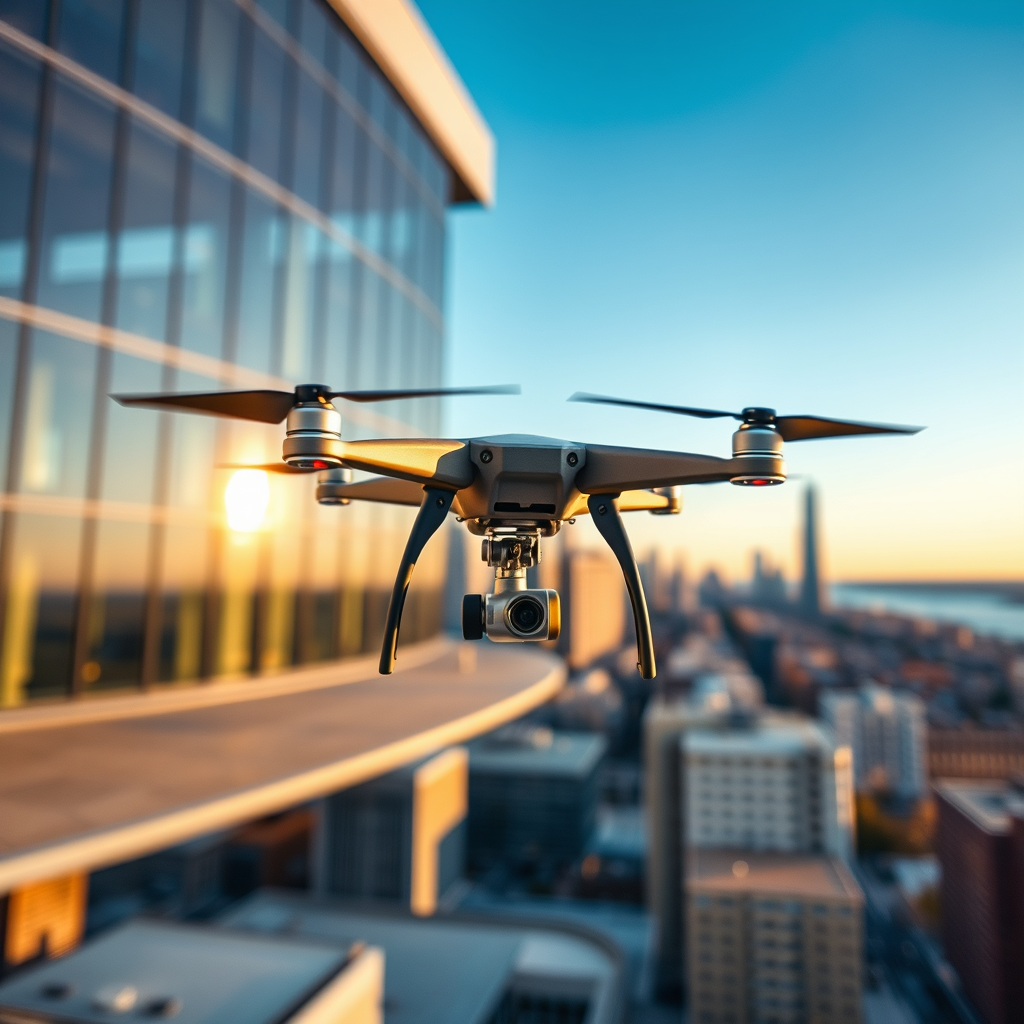
The Federal Aviation Administration (FAA) governs all airspace in the U.S., including drone usage. As a drone operator in New Jersey, you must be aware of the FAA’s regulations, which encompass rules for both recreational and commercial drone pilots. For commercial purposes, drone operators must adhere to Part 107 regulations, which require obtaining a Remote Pilot Certificate. This certification process includes passing an aeronautical knowledge test, ensuring that pilots understand airspace classifications, weather, and operating requirements.
Recreational pilots, while not required to obtain a certification, must still follow specific guidelines, such as flying below 400 feet and within visual line of sight. Understanding these regulations not only helps to ensure safety but also enhances your credibility as a responsible drone operator.
State and Local Laws
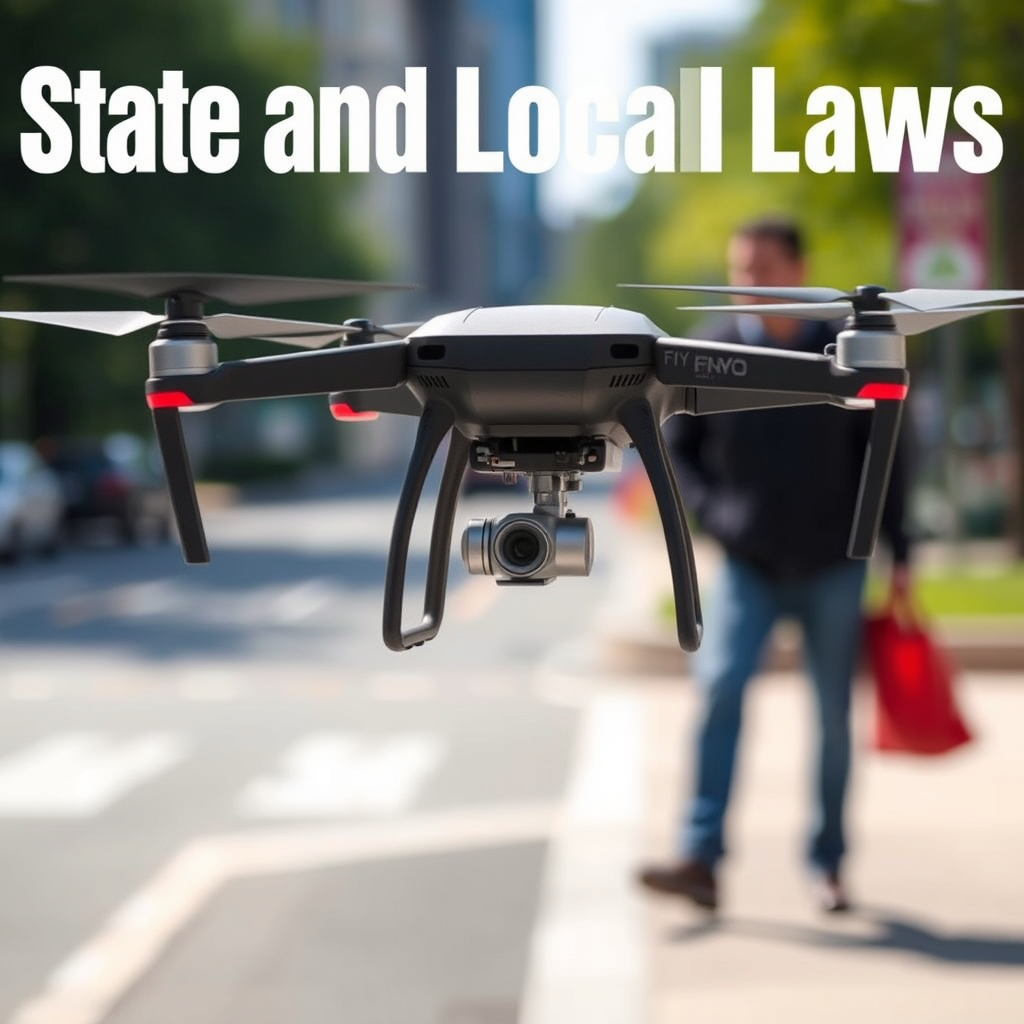
In addition to FAA regulations, New Jersey has implemented additional laws that may restrict drone use in certain areas. For instance, state law prohibits flying drones in state parks and forests unless you have expressed permission. Some municipalities also have their own ordinances affecting where and how drones can be flown. For example, cities like Newark and Jersey City may impose restrictions on drone operations in urban areas, particularly around public events or densely populated regions.
Before flying, it’s essential to research local laws and ordinances to avoid unintentional violations. Checking with local government websites or contacting municipal offices can provide clarity on any specific regulations that may apply to your area.
No-Fly Zones
One of the most critical aspects of drone operation is understanding and identifying designated no-fly zones. In New Jersey, this includes areas near airports, military installations, and other sensitive sites. Flying a drone in these restricted areas can lead to significant legal repercussions, including fines and potential criminal charges.
To aid in avoiding no-fly zones, drone operators can utilize resources like the FAA’s B4UFLY app, which offers real-time updates on airspace restrictions and advisories. This tool allows pilots to check their surroundings and ensure compliance before taking off. Additionally, awareness of temporary flight restrictions, such as those issued during emergencies or large public gatherings, is vital for maintaining safety and legality.
Registration Requirements
Drones weighing over 0.55 pounds must be registered with the FAA before they can be flown legally. The registration process is straightforward and can be completed online for a nominal fee of $5. Once registered, your drone will receive a unique identification number that must be marked on the drone. This registration lasts for three years, after which it must be renewed.
Proper registration not only ensures compliance with federal regulations but also helps in the recovery of lost drones. If your drone is found and identified through its registration number, it can be returned to you, which is particularly valuable given the investment in modern drone technology.
Safety Guidelines
Safety is paramount when flying a drone, and adhering to established guidelines is essential to protect both the operator and the public. Always maintain visual line of sight with your drone while flying, which means you should be able to see it without the aid of binoculars or other devices. This practice helps in avoiding collisions and ensures a better awareness of your drone’s surroundings.
Moreover, it is crucial to avoid flying over people or moving vehicles, as this could endanger public safety. The FAA strongly advises against flying in crowded areas or during events where large groups gather. Additionally, consider environmental factors such as weather conditions and wind speeds, as these can significantly impact flight safety.
Insurance and Liability
As a responsible drone operator, it’s wise to consider obtaining drone insurance to cover potential damages or injuries. While not legally required, insurance can protect you from financial loss in the event of an accident. Many insurance providers offer specialized drone insurance policies that cover liability, equipment damage, and even legal defense costs.
Understanding your liability as a drone operator is also crucial. If your drone causes injury to a person or damage to property, you may be held financially responsible. Ensuring that you have adequate insurance coverage can provide peace of mind and protect your assets.
Resources for Drone Pilots
For those looking to enhance their knowledge and skills, joining local drone clubs or online communities can be invaluable. Networking with fellow drone enthusiasts allows for the sharing of tips, experiences, and best practices. These interactions can also foster a sense of community, which can be beneficial for both novice and experienced pilots.
Additionally, staying informed through official FAA and state resources is essential for the latest updates on drone laws and regulations. The FAA website provides a wealth of information regarding drone operation, safety guidelines, and regulatory changes, ensuring that you remain compliant and informed.
In summary, while flying a drone in New Jersey is permitted, it’s essential to be aware of and comply with both federal and state regulations. From understanding FAA rules to adhering to local ordinances and safety guidelines, thorough knowledge is key to responsible drone operation. By staying informed and flying responsibly, you can enjoy the full benefits of your drone experience while ensuring the safety of yourself and others.
Frequently Asked Questions
What are the regulations for flying a drone in New Jersey?
In New Jersey, drone operators must adhere to both federal and state regulations. At the federal level, the FAA mandates that drone pilots register their drones, fly below 400 feet, and maintain visual line-of-sight with their aircraft. Additionally, drone usage in certain areas, such as near airports, requires permission. State laws may impose further restrictions, such as prohibiting flights over specific locations like schools and parks, so it’s essential to check both federal and state guidelines before flying.
How can I obtain permission to fly a drone in restricted areas in NJ?
To fly a drone in restricted areas in New Jersey, you typically need to apply for a waiver from the FAA if the area is federally restricted, such as near airports. This involves submitting a detailed flight plan and demonstrating that you can operate safely. Additionally, some local jurisdictions might require permits or have their own restrictions, so it’s crucial to contact local authorities or check municipal websites for specific rules.
Why do I need to register my drone in New Jersey?
Registering your drone in New Jersey is a legal requirement imposed by the FAA for all drones weighing more than 0.55 pounds (250 grams). Registration helps ensure accountability and safety, as it allows authorities to trace aircraft back to their owners in case of accidents or violations. This can help mitigate risks associated with drone usage and promote responsible flying practices among operators.
What are the best practices for flying a drone safely in NJ?
The best practices for flying a drone safely in New Jersey include always flying below 400 feet, keeping your drone within visual line-of-sight, and avoiding crowded areas or events. It’s also crucial to respect privacy laws and not fly over private property without permission. Regularly checking weather conditions and ensuring your drone is in good working condition before each flight can enhance safety and compliance with regulations.
Which locations in New Jersey are popular for drone flying?
Popular locations for flying drones in New Jersey include parks like Liberty State Park, the beaches of Cape May, and scenic spots like the Delaware Water Gap National Recreation Area. These areas offer picturesque views and ample open space for safe flying. However, always check local regulations and ensure you have the necessary permissions, as some parks may have restrictions on drone use to protect wildlife and privacy.
References
- https://www.faa.gov/uas/getting_started/remote_id
- https://www.nj.gov/transportation/business/drones/
- https://www.nj.gov/dep/parksandforests/parks/drones.html
- https://www.nj.gov/njsp/transportation/drone_safety.html
- https://www.nj.gov/nj/home/featured/2021/20210928_drone.html
- https://en.wikipedia.org/wiki/Drone_flight_regulations_in_the_United_States
- https://www.npr.org/2021/04/20/988731387/what-you-need-to-know-about-flying-drones-in-the-u-s
- https://www.bbc.com/future/article/20220329-how-are-drones-changing-the-world
