
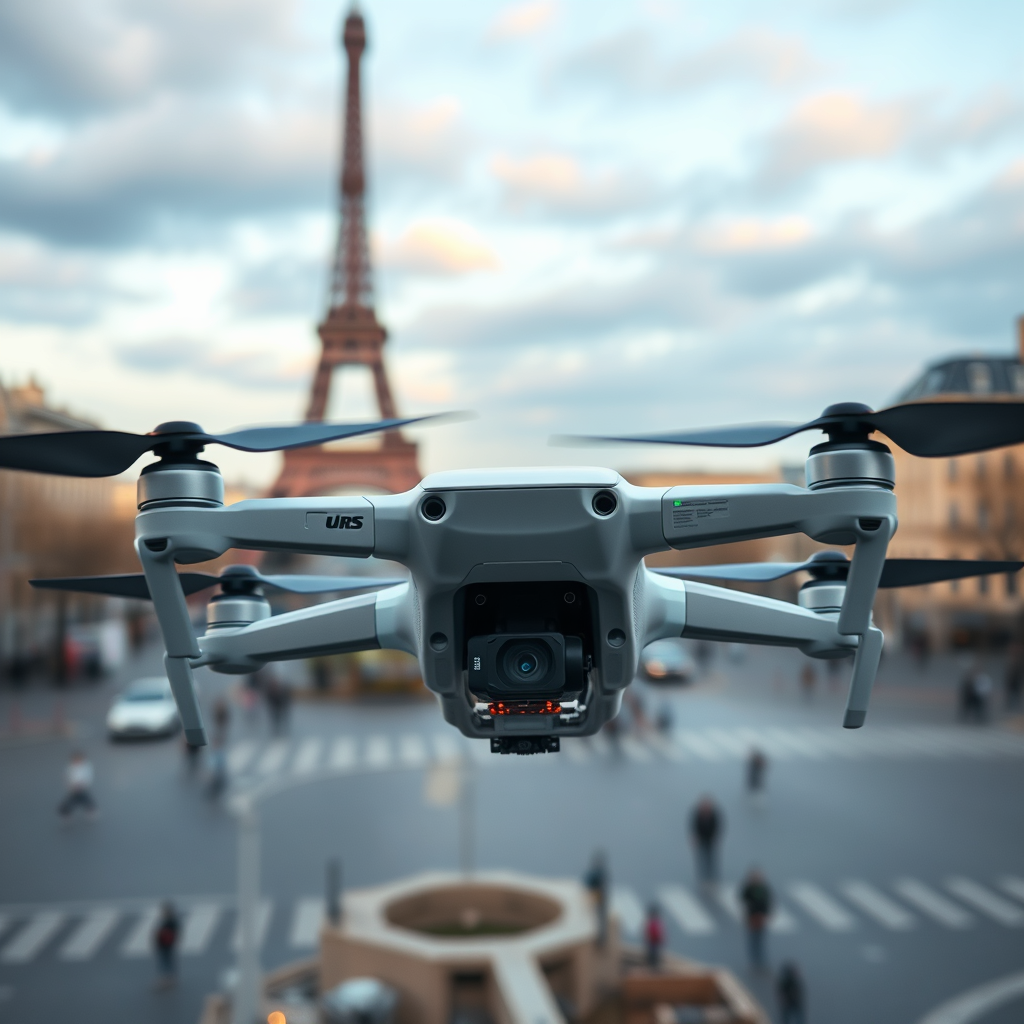
Yes, you can fly a drone in Paris, but there are strict regulations and guidelines you must follow to ensure safety and compliance with the law. The City of Light offers stunning aerial views, but with these beautiful vistas comes the responsibility of adhering to local laws designed to protect public safety and privacy. This article will explore the essential rules, best practices, and tips for flying drones in Paris, allowing you to enjoy your flying experience while remaining compliant with the law.
Understanding French Drone Regulations
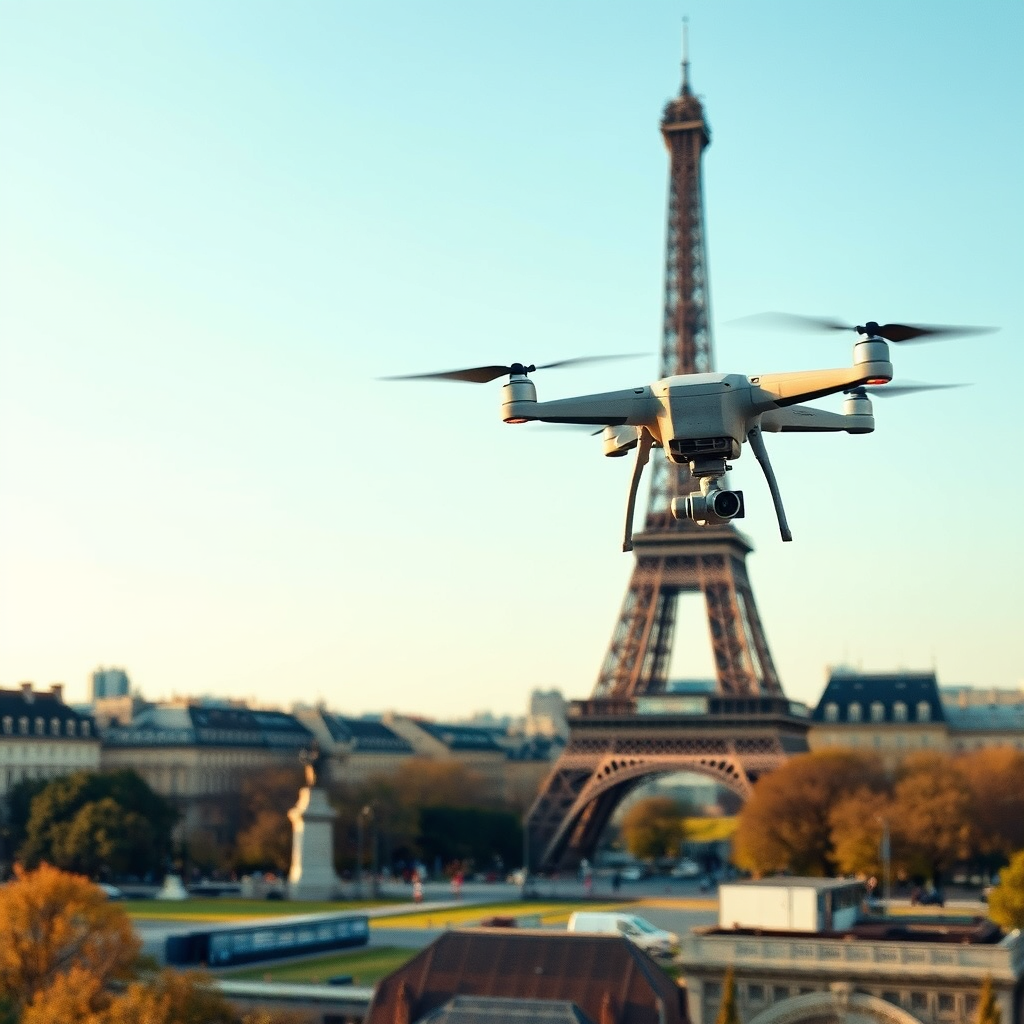
France has implemented specific laws governing drone usage that every operator must understand before taking flight. The French Civil Aviation Authority (DGAC) oversees these regulations, which include requirements for registration, liability insurance, and pilot certification.
For recreational drone users, drones must not exceed a weight of 800 grams unless the operator possesses special permissions. This weight limit is significant as heavier drones often require more stringent regulations and operator qualifications. Moreover, all operators must adhere to the General Safety Rules set forth by the DGAC, which include maintaining a visual line of sight with the drone at all times and ensuring that the drone does not pose a risk to people or property.
The regulations also stipulate that operators must not fly drones over urban areas without prior approval. This is particularly relevant in a densely populated city like Paris, where the risk of accidents can increase significantly.
No-Fly Zones in Paris
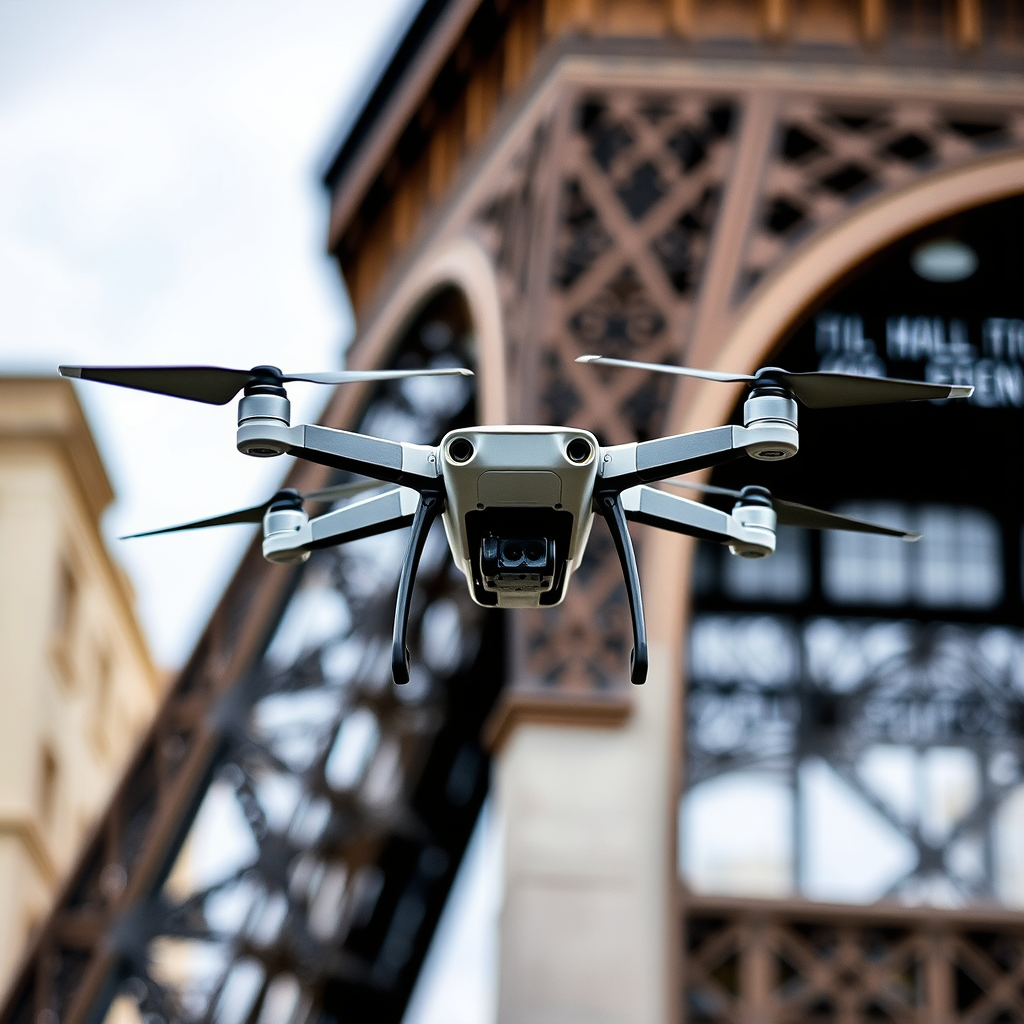
When planning your drone flight in Paris, it is crucial to be aware of the designated no-fly zones. Key landmarks such as the Eiffel Tower, the Louvre, and Notre-Dame Cathedral impose strict flying restrictions. These areas are often categorized as sensitive sites due to their cultural, historical, and architectural significance, and unauthorized drone flights can lead to hefty fines or legal action.
Additionally, certain parks, gardens, and residential areas have their own local regulations concerning drone operations. For instance, parks like the Jardin des Tuileries and the Luxembourg Gardens are popular public spaces where privacy and safety are prioritized. It is vital to consult up-to-date maps and resources from the DGAC to identify these no-fly zones before embarking on your flying adventure.
Necessary Permits for Drone Flight
The necessity of obtaining permits for drone flight in Paris largely depends on the purpose of your drone usage. If you are flying for commercial purposes, including photography, videography, or other business-related activities, you will need to apply for a specific permit from the DGAC. This process involves submitting documentation that outlines your flight plan, the purpose of your drone usage, and proof of liability insurance.
For recreational pilots, while a permit may not be required, it is advisable to familiarize yourself with the local guidelines and regulations. Always check the DGAC website for the latest information regarding documentation and approval processes, as these can change frequently. Being proactive in securing the necessary permissions will not only ensure compliance but also enhance your flying experience by reducing the likelihood of interruptions or legal complications.
Best Practices for Flying Drones in Urban Areas
Flying drones in urban areas, especially in a bustling city like Paris, requires adherence to best practices to ensure safety and minimize disturbances. One of the fundamental rules is to maintain a visual line-of-sight with your drone. This practice allows the operator to maintain control and quickly react to any potential hazards or unexpected developments.
Furthermore, it is essential to be respectful of individuals’ privacy. Avoid filming or photographing people without their consent, as this can lead to privacy violations and legal repercussions. Understanding and respecting local customs and norms can greatly enhance your flying experience and foster goodwill among residents and visitors alike.
Additionally, consider the flight path and timing of your drone operations. Flying during off-peak hours can help minimize disruptions, reduce the risk of accidents, and enhance the overall experience.
Safety Guidelines for Drone Operators
Safety should always be the top priority for drone operators, especially in urban environments. One of the primary safety guidelines is adhering to altitude limits. In France, drones are not permitted to fly higher than 150 meters (approximately 492 feet). This altitude restriction is designed to minimize the risk of collisions with manned aircraft and to ensure the safety of people on the ground.
Operators should also avoid flying in adverse weather conditions, as high winds, rain, or poor visibility can significantly increase the likelihood of accidents. Flying in crowded areas poses additional risks; therefore, it is advisable to choose open spaces away from large gatherings of people whenever possible.
In addition to adhering to altitude limits and weather considerations, drone operators should equip themselves with safety features such as automatic return-to-home functions and geofencing technology. These features can help avert potential mishaps and enhance the overall safety of your drone operations.
Tips for a Successful Drone Experience in Paris
To achieve a successful drone flying experience in Paris, careful planning and consideration are crucial. One effective tip is to schedule your flight times early in the morning or late in the evening. These times not only provide stunning lighting for aerial photography but also help avoid the large crowds that typically gather at popular tourist spots.
Moreover, utilizing drone flight apps can significantly enhance your flying experience. These applications provide real-time information on airspace restrictions, weather conditions, and even recommended flying locations. Popular platforms like AirMap and UAV Forecast offer valuable insights and tools for drone operators, ensuring you are well-prepared before taking off.
Lastly, join local drone flying communities or forums where you can share experiences, seek advice, and stay updated on the latest regulations and tips for flying in Paris. Engaging with fellow drone enthusiasts can enhance your knowledge and provide support throughout your drone flying journey.
In conclusion, while flying a drone in Paris is possible, it requires careful attention to regulations and local guidelines. By understanding French drone regulations, recognizing no-fly zones, securing necessary permits, and following best practices and safety guidelines, you can enjoy capturing the beauty of the city from above. Always remember to check for the latest updates to regulations to ensure a smooth and enjoyable flying experience. With diligence and respect for the local environment, your drone adventures in Paris can be both thrilling and compliant.
Frequently Asked Questions
Can I legally fly a drone in Paris?
Yes, you can legally fly a drone in Paris, but there are strict regulations you must follow. The French Civil Aviation Authority (DGAC) requires drone operators to adhere to no-fly zones, maintain visual line of sight, and not exceed an altitude of 150 meters. Additionally, you need to register your drone and, for larger drones, obtain a permit. Always check local regulations before flying to ensure compliance.
What are the no-fly zones for drones in Paris?
In Paris, there are several no-fly zones where drones are prohibited. These include areas near airports, government buildings, and popular tourist attractions like the Eiffel Tower and the Louvre. It’s crucial to consult the official DGAC maps and the Geoportal before planning your flight to avoid fines or penalties for flying in restricted areas.
How can I obtain permission to fly a drone in Paris?
To obtain permission to fly a drone in Paris, you must apply for a flying permit from the DGAC, especially if your drone weighs over 800 grams. The application process includes submitting a flight plan, demonstrating your flying experience, and ensuring your drone meets safety standards. For recreational flying, you may also need to complete an online training course and register your drone on the AlphaTango platform.
What are the best locations to fly a drone in Paris?
While many areas in Paris are restricted, some of the best locations for drone flying include parks such as Parc des Buttes-Chaumont and Parc de la Villette, where you can capture stunning scenery without infringing on drone regulations. Always ensure you fly in accordance with local laws and avoid congested areas or landmarks to enhance your flying experience.
Why is it important to follow drone regulations in Paris?
Following drone regulations in Paris is vital for safety and legality. Non-compliance can lead to hefty fines, legal action, and potential harm to people or property. Additionally, respecting these regulations helps preserve the beauty and integrity of Paris as a tourist destination, ensuring that drone use remains a viable activity for enthusiasts and photographers alike.
References
- https://www.faa.gov/uas/getting_started/what_is_ua
- https://www.easa.europa.eu/document-library/general-publications/eu-drone-regulations
- https://www.gouvernement.fr/en/drone-usage-in-france
- https://www.france24.com/en/tag/drone/
- https://www.bbc.com/news/world-europe-50510297
- https://www.paris.fr/pages/drones-2114
- https://www.lemonde.fr/en/international/article/2020/09/23/flying-drones-in-paris-what-you-need-to-know_6059386_4.html
- https://www.droneii.com/eu-drone-regulations-guide
- https://www.unmannedairspace.info/
- https://www.eurocontrol.int/sites/default/files/2020-05/eurocontrol-drone-regulations-europe.pdf
