

Yes, you can fly a drone in San Francisco, but there are specific regulations you need to follow to ensure compliance with local laws and safety guidelines. The city, known for its stunning landscapes and iconic landmarks, attracts many drone enthusiasts. However, it is essential to be aware of the legal framework governing drone operations to avoid penalties and ensure safe flying practices. In this article, we will explore the key rules and best practices for flying drones in this iconic city.
Overview of Drone Regulations in San Francisco
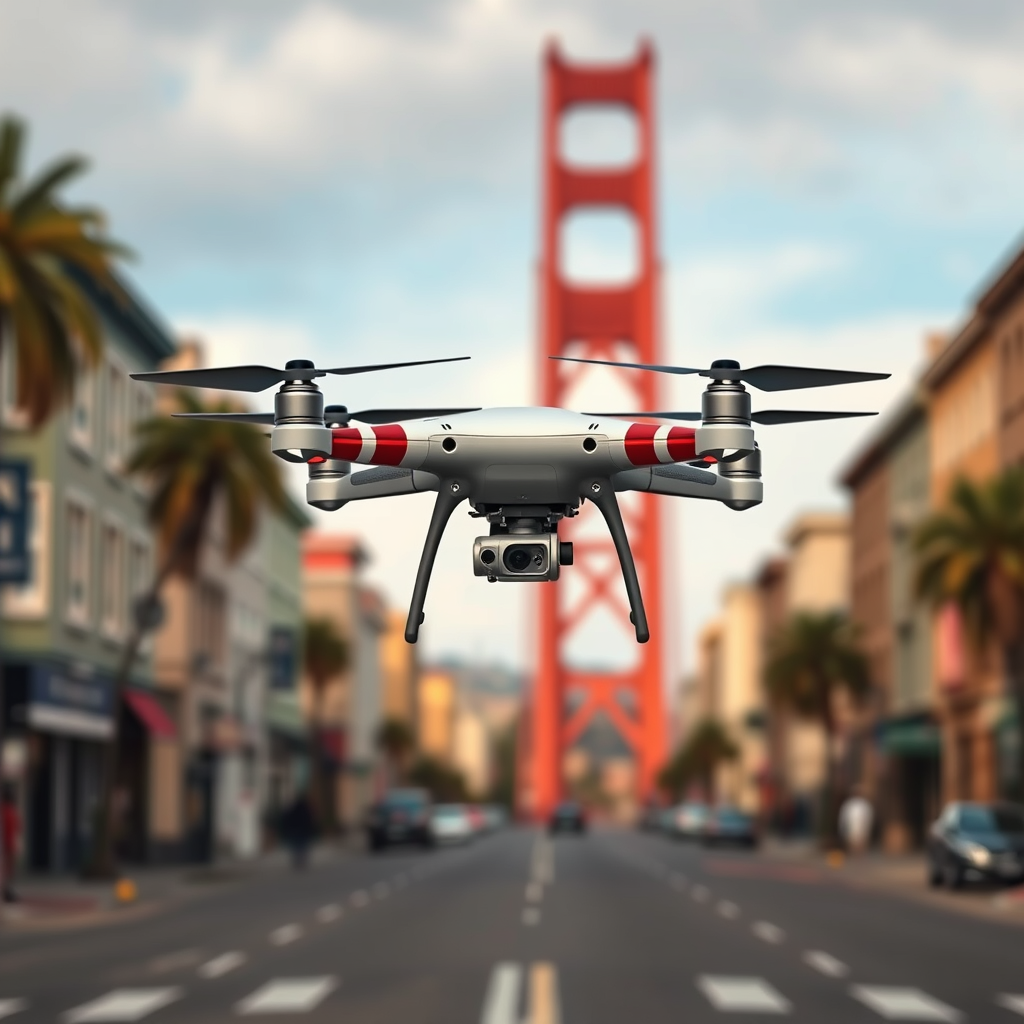
Drone usage in San Francisco is governed by a combination of federal, state, and local regulations. The Federal Aviation Administration (FAA) is the primary regulatory body overseeing all drone activities in the United States. According to the FAA’s guidelines, drones can be used for both recreational and commercial purposes, but each category has distinct requirements.
For recreational flyers, the FAA mandates that all drone operators adhere to the “Fly Responsibly” campaign, which emphasizes safe flying practices. This includes keeping the drone within visual line of sight and avoiding any reckless behavior. Commercial drone operators, on the other hand, must obtain a Remote Pilot Certificate, which involves passing an FAA knowledge test and adhering to Part 107 regulations, including operational limitations.
In addition to FAA regulations, the California state laws and San Francisco municipal codes impose further restrictions on drone operations. It is vital for drone pilots to understand and comply with these layered regulations to avoid legal repercussions.
Restricted Areas for Drone Flight
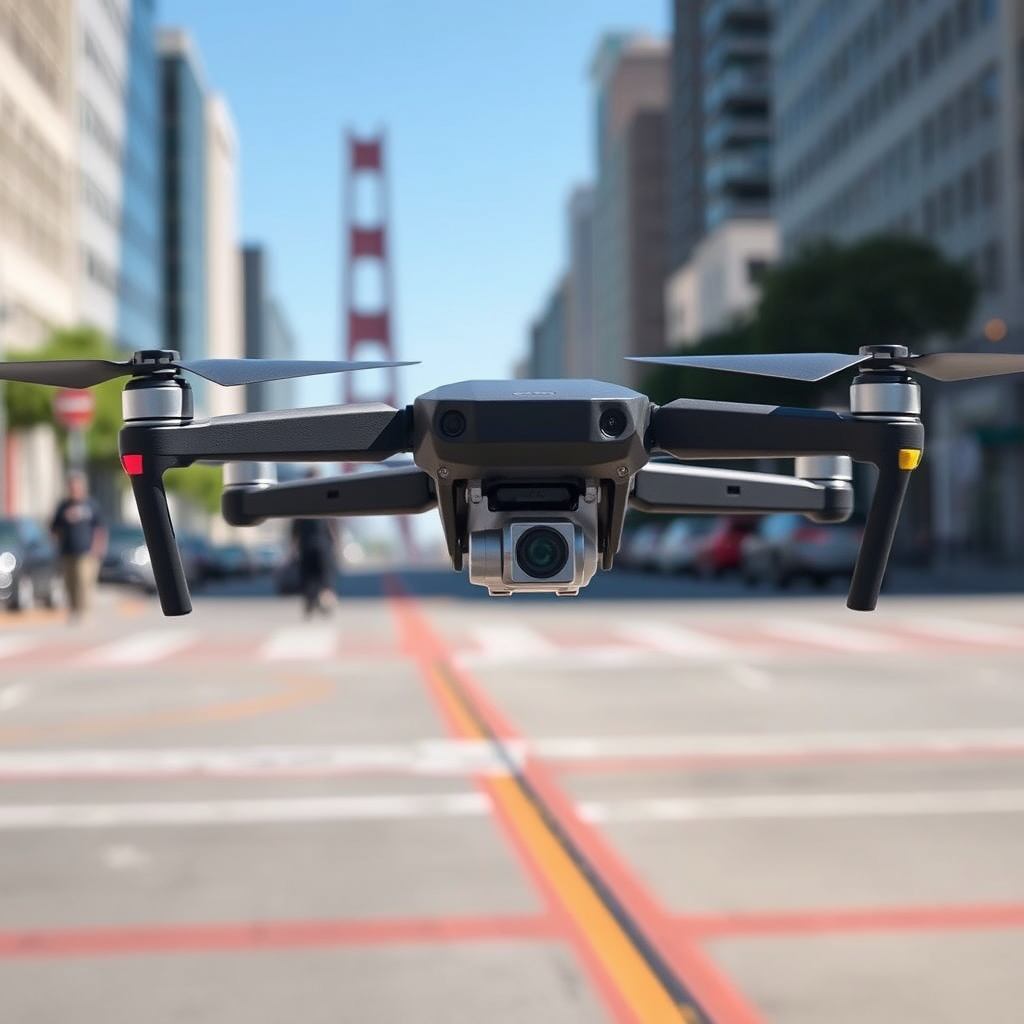
San Francisco has designated several areas where drone flight is restricted or prohibited. Notably, national parks and military bases are entirely off-limits for drone operations. Furthermore, the proximity to airports adds additional layers of complexity; drones cannot be flown within a five-mile radius of airports without prior notification to the control tower.
Specific no-fly zones within the city include densely populated areas such as downtown San Francisco, which encompasses landmarks like the Transamerica Pyramid and the Ferry Building. Additionally, places like the Golden Gate Park and the Presidio have their own restrictions due to the presence of wildlife, historical sites, and public safety considerations. Pilots should familiarize themselves with local maps that outline these restricted areas, as failing to do so could result in significant fines or legal action.
Required Permits and Registration
One of the first steps for any drone operator is registering their drone with the FAA. Any drone weighing more than 0.55 pounds (250 grams) must be registered online, which involves providing personal information and paying a small fee. This registration is valid for three years and helps ensure accountability among drone pilots.
For commercial drone operators, obtaining a Remote Pilot Certificate is a necessity. This certification process includes passing an aeronautical knowledge test covering various topics, including airspace classification, weather effects, and drone operation regulations. Furthermore, commercial operators are expected to adhere to stricter operational guidelines, such as maintaining a specific distance from people and structures.
Lastly, while not universally required, some local jurisdictions may necessitate additional permits for drone operations. It is advisable to check with the San Francisco Recreation and Parks Department or other city agencies for specific requirements before planning a drone flight.
Safety Guidelines for Flying Drones
Safety should always be a top priority for drone operators. One of the primary guidelines is to maintain a visual line of sight with the drone at all times. This rule ensures that pilots can monitor the drone’s surroundings and respond quickly to any potential hazards.
The FAA also recommends flying below an altitude of 400 feet to minimize risks of colliding with manned aircraft. Additionally, drone pilots should avoid flying over people or moving vehicles to prevent accidents and protect public safety. Taking into consideration the bustling environment of San Francisco, it is crucial to choose appropriate times and locations for flying to reduce the likelihood of accidents and disturbances.
Operators should also conduct pre-flight checks to ensure that the drone is in good working condition. This includes checking battery levels, propeller integrity, and software updates. Being proactive about equipment maintenance is essential for smooth and safe operations.
Local Ordinances Impacting Drone Use
In addition to federal and state regulations, San Francisco has its own set of local ordinances that may restrict drone use, particularly in public parks, beaches, and recreational areas. For example, the San Francisco Recreation and Parks Department has specific rules against flying drones in certain parks, which may be enforced to protect wildlife, natural resources, and the enjoyment of park visitors.
Before flying in public spaces, drone pilots should review local ordinances and, if necessary, obtain permits for specific areas. This diligence not only helps ensure compliance with the law but also fosters a positive relationship with the community, as responsible drone usage can minimize disturbances and safety concerns.
Best Practices for Responsible Drone Flying
To promote responsible drone flying and maintain a positive public perception of drone use, operators should adhere to several best practices. First and foremost, respect the privacy of individuals by avoiding flying over private properties without explicit permission. This practice is not only considerate but also helps to mitigate potential privacy complaints.
Moreover, before embarking on a drone flight, it is essential to check weather conditions. Wind patterns, precipitation, and visibility can significantly impact flight safety. Choosing optimal weather conditions contributes to better control of the drone and enhances the overall flying experience.
Another best practice is to familiarize oneself with local drone communities or clubs. Engaging with other drone enthusiasts can provide valuable insights and updates on regulations, as well as opportunities for collaborative flying experiences. Additionally, joining local drone organizations often leads to a greater understanding of responsible practices and community standards.
In summary, while flying a drone in San Francisco is possible, it is crucial to adhere to local regulations and safety guidelines. By following the outlined rules and best practices, you can enjoy your drone flying experience while respecting the community and environment. Understanding the regulatory landscape, staying informed about restricted areas, and practicing responsible flying will not only enhance your enjoyment but also contribute to a positive perception of drone use in this vibrant city.
Frequently Asked Questions
What are the regulations for flying a drone in San Francisco?
In San Francisco, drone operators must adhere to both federal and local regulations. The Federal Aviation Administration (FAA) requires all drone pilots to register their drones and follow guidelines for safe operation, including flying below 400 feet and keeping the drone within visual line-of-sight. Additionally, local laws prohibit flying drones in certain areas such as parks, near schools, and over crowds. It’s essential to check both the FAA regulations and the San Francisco Municipal Code before piloting your drone.
How do I obtain permission to fly a drone in San Francisco?
To fly a drone in San Francisco, you must first comply with FAA regulations, which include obtaining a Remote Pilot Certificate if you are flying commercially. If you plan to fly in restricted areas, you may need to apply for a Special Use Permit through the San Francisco Recreation and Parks Department or other relevant agencies. Always check for temporary flight restrictions (TFRs) in the area before flying, as these can change due to events or emergencies.
Why are there restrictions on drone flights in San Francisco?
Restrictions on drone flights in San Francisco are primarily in place to ensure public safety and privacy. High population density, iconic landmarks, and numerous events increase the risk of accidents or disturbances if drones are flown recklessly. Local authorities also want to protect the privacy of residents and visitors, which is why certain areas are off-limits for drone use, particularly around sensitive locations like government buildings and densely populated neighborhoods.
What are the best places to fly a drone in San Francisco?
While many areas in San Francisco have restrictions, some of the best places to fly a drone include designated parks such as Candlestick Point State Recreation Area and Golden Gate Park, provided you follow local regulations. The waterfront areas may also offer stunning views, but it’s crucial to stay clear of the busy pedestrian zones and adhere to any posted signs regarding drone use. Always check local regulations and airspace restrictions for any specific area before launching your drone.
Can I fly a drone for recreational purposes in San Francisco?
Yes, you can fly a drone for recreational purposes in San Francisco, but you must comply with both FAA regulations and local laws. Recreational flyers are required to follow the safety guidelines set by the FAA, such as flying below 400 feet and remaining visible. Additionally, you must avoid flying in restricted areas, over people, or near airports. It’s advisable to familiarize yourself with local drone laws to ensure a safe and enjoyable flying experience.
References
- https://www.faa.gov/uas/getting_started/remote_id
- https://www.sanfrancisco.gov/
- https://www.nps.gov/goga/planyourvisit/drones.htm
- https://www.sfgov.org/site/planning/index.aspx
- https://www.faa.gov/uas/resources/policies_regulations/
- https://www.consumer.ftc.gov/articles/what-you-need-know-about-drone-flying
- https://www.wired.com/story/how-to-fly-a-drone-legally/
