
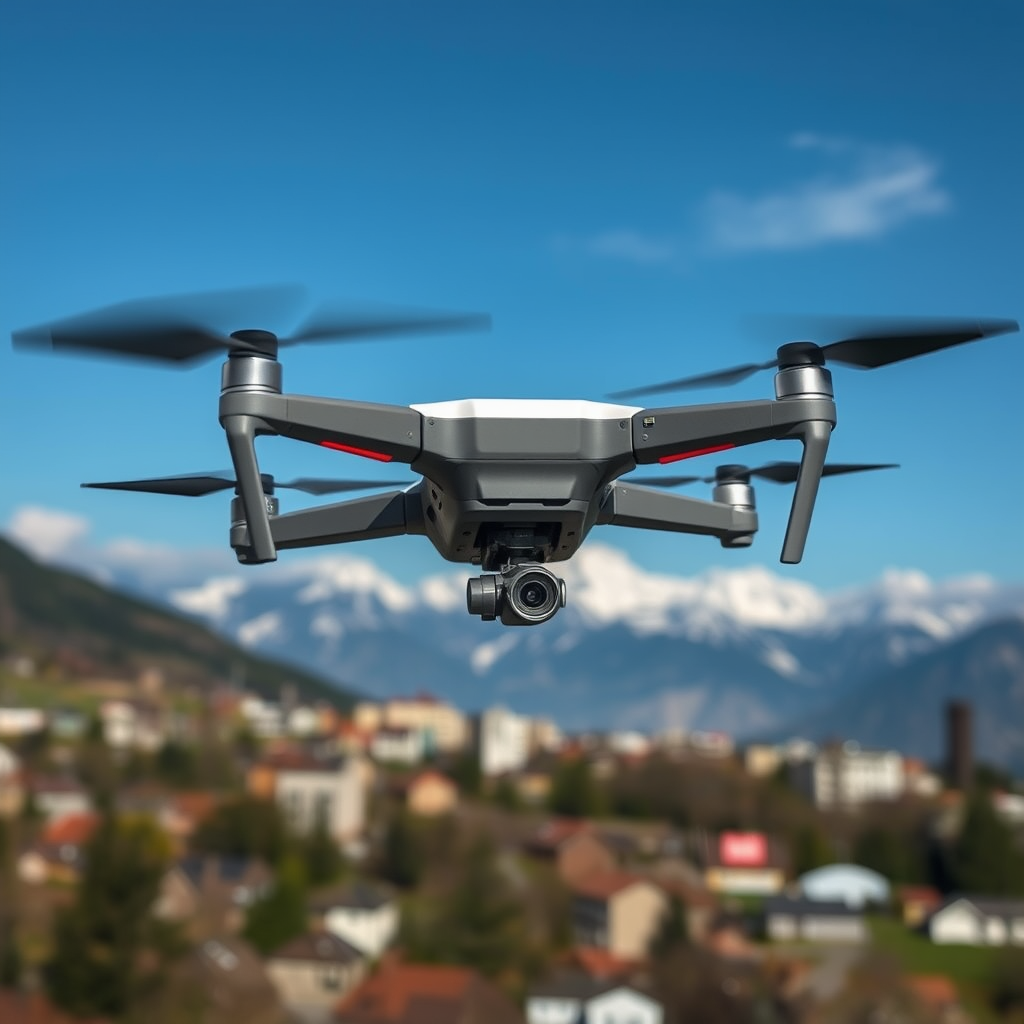
Yes, you can fly a drone in Switzerland, but there are specific regulations and guidelines you must follow to ensure safety and compliance with local laws. The Swiss Federal Office of Civil Aviation (FOCA) has laid out comprehensive rules that drone operators must adhere to. This article will explore the key rules, restrictions, and best practices for flying drones in this beautiful country, enabling enthusiasts and professionals alike to navigate the regulatory landscape effectively.
Understanding Swiss Drone Regulations
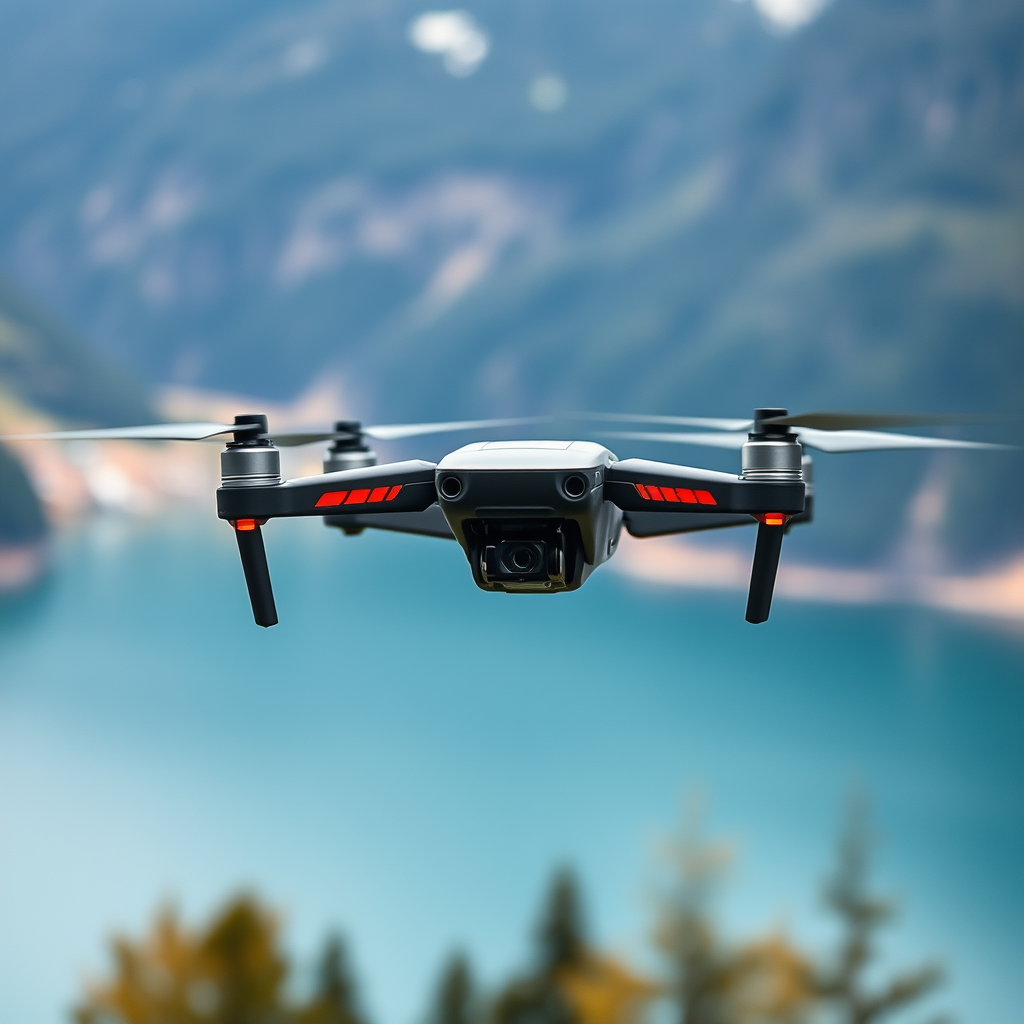
Switzerland has established a robust framework governing the use of drones to ensure safety and minimize the risk to people and property. One of the primary regulations is that drones weighing more than 250 grams must be registered with the FOCA. Registration involves providing details about the drone and its operator, which helps authorities maintain oversight and enforce compliance with safety standards.
Additionally, operators of drones that exceed 500 grams must carry liability insurance. This requirement is crucial for protecting both the operator and the public in case of accidents or damages that may occur during drone operations. The insurance must cover potential damages caused by the drone, which underscores the importance of responsible flying.
For operators planning to fly drones for commercial purposes, additional regulations apply. The Swiss government categorizes drone operations into different classes, each with its own set of rules and requirements. Understanding these classifications is essential for anyone looking to use drones professionally, whether for aerial photography, surveying, or environmental monitoring.
No-Fly Zones and Restrictions
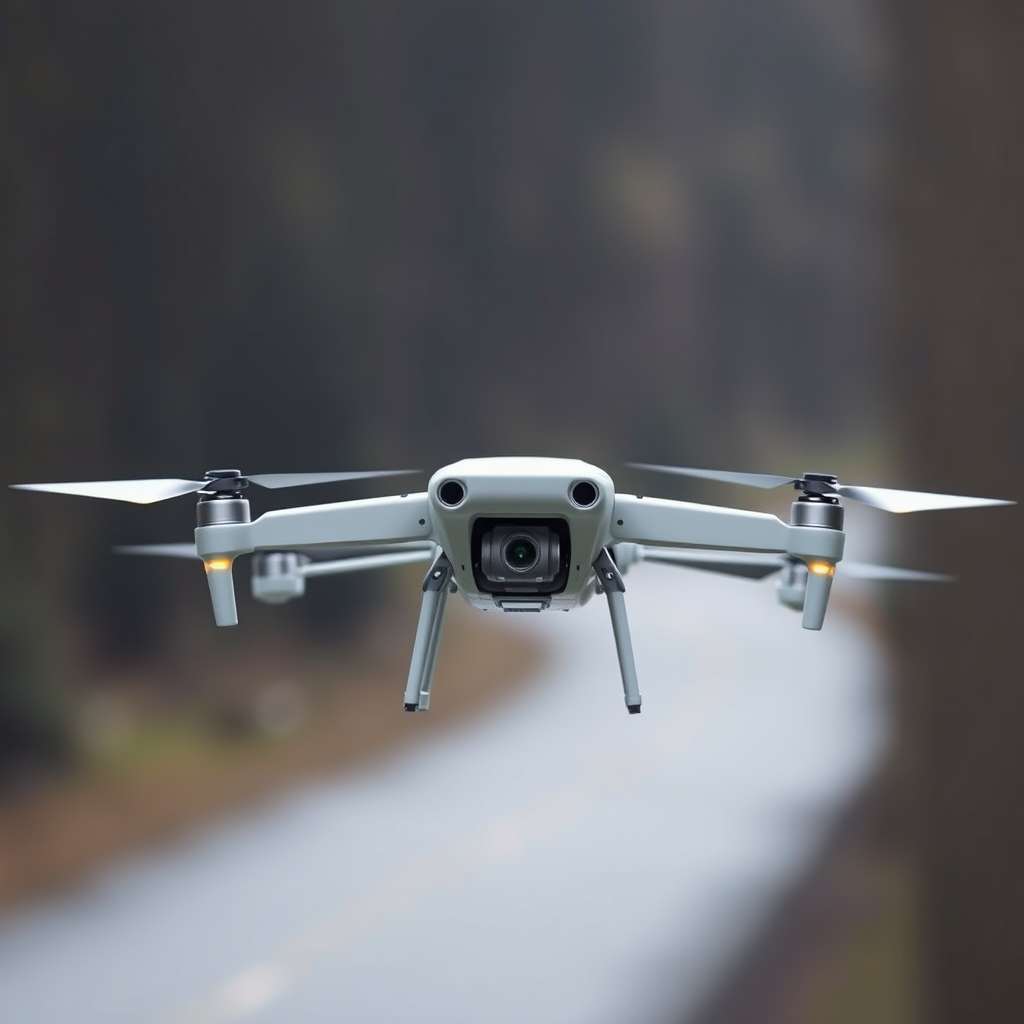
When flying drones in Switzerland, it is vital to be aware of no-fly zones and specific restrictions that are in place to protect sensitive areas. For instance, drones are strictly prohibited in the vicinity of airports, military zones, and densely populated regions. These areas typically include a radius around airports, with varying distances based on the size and type of the airport.
Moreover, special regulations apply to national parks and nature reserves. Many of these areas are protected to preserve wildlife and natural habitats, and flying a drone can disturb both animals and the environment. Before flying, operators should check local guidelines for specific parks to understand where drone usage is allowed or restricted.
In addition, it is crucial to respect personal privacy and avoid capturing images or videos of individuals without their consent. In such cases, drone operators must be diligent to follow local privacy laws and regulations to prevent potential legal issues.
Required Permits and Licenses
The necessity for permits and licenses depends on the type of drone operation being conducted. For recreational drone flying, no specific pilot license is required as long as the drone is operated within the stipulated regulations. However, pilots must still adhere to the overall safety and operational guidelines set forth by the FOCA.
Conversely, for commercial drone use, operators are required to obtain a drone pilot license. This license ensures that the pilot is trained and knowledgeable about safe flying practices, navigation, and emergency procedures. The process typically involves completing a training course and passing a written exam.
For specific operations, such as flying in controlled airspace or conducting aerial surveys, additional permits may be required. It is advisable for commercial operators to consult with the FOCA to ensure they have all necessary authorizations before launching any drone missions.
Safety Guidelines for Flying Drones
Safety is paramount when flying drones, and adhering to established guidelines can prevent accidents and ensure a smooth flying experience. One of the primary safety guidelines is to maintain a visual line of sight (VLOS) with the drone at all times. This means that operators should always be able to see their drone without the aid of binoculars or other visual enhancing devices. VLOS is critical for avoiding obstacles, other aircraft, and ensuring the safety of people on the ground.
Another key regulation is the altitude limit. Drones should not be flown above 120 meters (400 feet) unless authorized by the FOCA. This altitude restriction helps minimize the risk of collisions with manned aircraft and ensures the safety of air traffic.
Moreover, drone operators should always conduct a pre-flight check to ensure that the drone is in good working condition. This includes checking battery levels, ensuring that the propellers are secure, and confirming that any necessary software updates have been installed. By taking these precautions, operators can significantly reduce the risk of technical failures during flight.
Best Practices for Respecting Privacy
Respecting the privacy of individuals and the sanctity of nature is essential for responsible drone flying. Operators should avoid flying over private properties without obtaining permission from the property owner. This consideration not only aligns with Swiss privacy laws but also fosters a respectful relationship between drone operators and the community.
Additionally, operators should be mindful of their surroundings when flying near populated areas or natural habitats. Drones can disturb wildlife, especially during sensitive periods such as nesting seasons. By maintaining a safe distance from both people and wildlife, drone operators can help reduce disturbances and contribute positively to their environment.
It is also advisable to inform those nearby about the drone operation, especially in crowded areas. Transparency can alleviate concerns and foster cooperation, creating a more harmonious atmosphere for all involved.
Recommended Drone Models for Switzerland
When selecting a drone for flying in Switzerland, several factors should be considered to ensure compliance with regulations and enhance the flying experience. Lightweight drones are particularly ideal for ease of transport and compliance with registration requirements. Models such as the DJI Mini series are excellent choices, as they are compact, easy to maneuver, and weigh less than 250 grams, allowing for hassle-free recreational flying.
For those looking for more advanced features, drones equipped with GPS capabilities offer better navigation, stability, and safety features. The DJI Mavic series is highly recommended for both hobbyists and professionals due to its robust build, excellent camera quality, and intelligent flight modes that simplify operation while enhancing safety.
Moreover, choosing a drone with a reliable battery life is critical, particularly in a country like Switzerland where stunning landscapes beckon for longer flight times. The ability to capture breathtaking footage of the Swiss Alps, lakes, and picturesque villages can significantly enhance the flying experience, provided that the operator adheres to regulations and safety practices.
In conclusion, flying a drone in Switzerland is possible with proper adherence to regulations and safety practices. By understanding the specific guidelines, respecting no-fly zones, obtaining necessary permits and licenses, and prioritizing safety and privacy, drone operators can enjoy the breathtaking Swiss landscapes while contributing to a responsible flying culture. Stay informed about local laws, choose the right equipment, and practice good flying etiquette to ensure a seamless and enjoyable flying experience in this beautiful country.
Frequently Asked Questions
What are the regulations for flying a drone in Switzerland?
In Switzerland, drone regulations are governed by the Swiss Federal Office of Civil Aviation (FOCA). You must register your drone if it weighs more than 250 grams and obtain liability insurance. Additionally, drone operators must adhere to specific flight restrictions, such as maintaining a visual line of sight, not flying above 120 meters, and avoiding populated areas or sensitive sites like airports and nature reserves.
How can I obtain a drone pilot license in Switzerland?
To legally operate a drone in Switzerland, especially for commercial purposes, you may need to obtain a drone pilot license. This involves completing a training course conducted by a certified organization and passing a theoretical and practical exam. For recreational use, no specific license is required, but it’s crucial to familiarize yourself with the local laws to ensure compliance.
Why do I need liability insurance to fly a drone in Switzerland?
Liability insurance is a requirement for flying drones in Switzerland to protect both the operator and the public in case of accidents or damage caused by the drone. This insurance covers potential claims arising from third-party injuries or property damage, providing peace of mind for drone pilots. It also aligns with the Swiss regulations aimed at promoting responsible drone usage.
What are the best places to fly a drone in Switzerland?
Switzerland is renowned for its stunning landscapes, making it a fantastic location for drone flying. Popular spots include the picturesque Lake Geneva, the iconic Matterhorn in Zermatt, and the serene Lauterbrunnen Valley. However, always check local regulations and airspace restrictions in these areas, as some may be designated as no-fly zones or require special permissions.
Which apps or tools can help me plan my drone flights in Switzerland?
Several apps and tools can assist you in planning drone flights in Switzerland. Popular options include SkyVector for airspace maps, UAV Forecast for weather conditions, and B4UFLY for real-time information on regulations and no-fly zones. Utilizing these tools can enhance your flying experience and ensure compliance with local laws and safety guidelines.
References
- https://www.bfs.admin.ch/bfs/en/home/statistics/mobility-transport/transport/drone.html
- https://www.fedlex.admin.ch/eli/cc/2012/1533/en
- https://www.skyguide.ch/en/drones/
- https://www.swissinfo.ch/eng/drone-regulations-in-switzerland/45823322
- https://www.uavcoach.com/drone-laws-in-switzerland/
- https://www.faa.gov/uas/resources/uas_regulations/
- https://www.wto.org/english/res_e/reser_e/ersd201201_e.htm
