
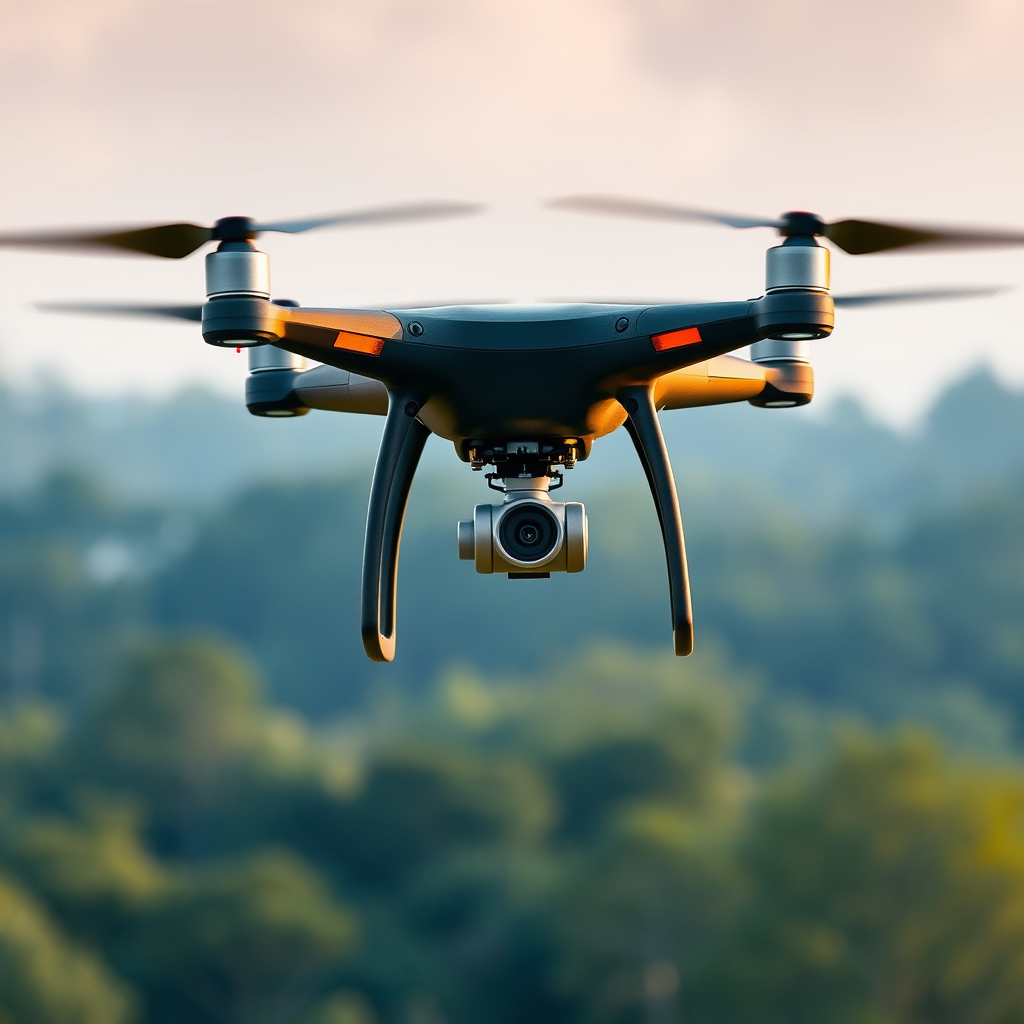
Yes, you can fly a drone in the New Forest, but there are specific regulations and guidelines you must follow to ensure safety and compliance with local laws. The New Forest, with its breathtaking landscapes and rich biodiversity, is a popular destination for drone enthusiasts. However, to preserve this natural habitat and ensure the safety of wildlife and visitors alike, it is crucial to adhere to the established rules. This article will explore the regulations governing drone use in this stunning national park and provide tips for responsible flying.
Understanding Drone Regulations in the UK
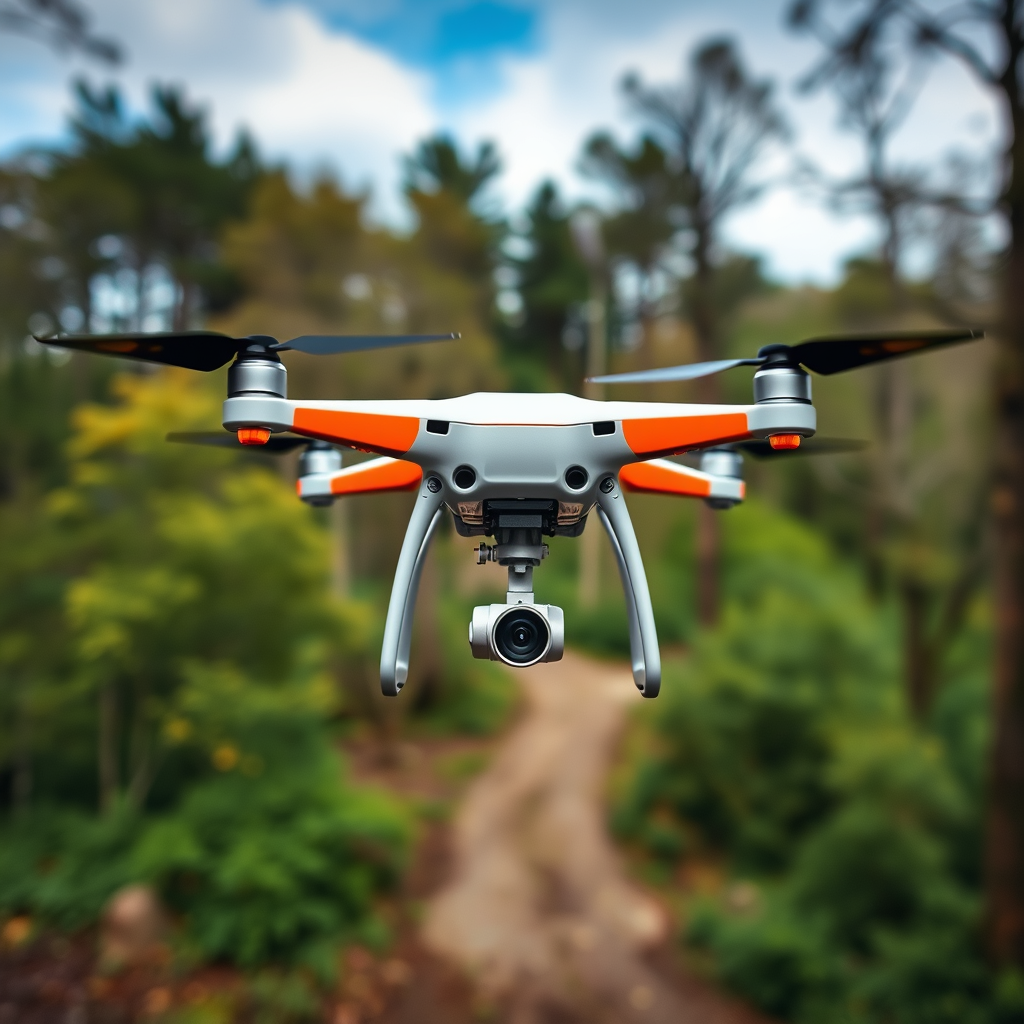
In the UK, the use of drones is governed primarily by the UK Civil Aviation Authority (CAA). The CAA has established a framework to ensure that drone operations are conducted safely and responsibly. As a drone operator, you are required to fly your drone below 400 feet to minimize risks to manned aircraft, and you should maintain a safe distance from populated areas, which typically means avoiding flights over residential neighborhoods, crowded events, or any locations where people gather in significant numbers.
In addition to these basic regulations, drone operators must also ensure that they do not fly within 1 kilometer of an airport or airfield without prior permission. It is essential to familiarize yourself with the specific rules that apply to your drone category—whether it is classified as a toy drone, a small unmanned aircraft, or a heavier model—since different regulations may apply based on weight and intended use.
Special Considerations for the New Forest
The New Forest is a protected area, recognized for its unique landscapes and diverse ecosystems. As such, there are additional considerations when flying a drone in this national park. Specific permissions may be required for drone operations, particularly in designated nature reserves or areas where wildlife is sensitive to disturbances. For example, during breeding seasons, certain areas may be closed to drone flights to protect nesting birds and other wildlife.
Drone operators should be particularly mindful of livestock, such as ponies, cattle, and deer, that roam freely throughout the park. Sudden movements from drones can startle these animals, potentially leading to accidents or distress. Therefore, it is advisable to avoid flying in areas where livestock is present and to maintain a respectful distance.
Areas Where Drones Are Prohibited
In the New Forest, certain zones may be designated as no-fly areas to protect wildlife, natural habitats, and visitors. These restrictions can vary, so it is crucial to check for specific regulations before flying. Local councils and the New Forest National Park Authority often post maps and guidelines indicating no-fly zones, which may include sensitive habitats, popular tourist spots, or areas with high visitor traffic.
Moreover, it is prudent to stay updated on any temporary restrictions that may arise due to events, wildlife breeding seasons, or other environmental considerations. Using drone mapping applications can help you navigate these restrictions effectively and avoid unintentional infractions.
Best Practices for Flying Drones Responsibly
To ensure a safe and enjoyable drone-flying experience in the New Forest, adhere to the following best practices:
1. Maintain Line-of-Sight: Always keep your drone within visual line-of-sight while flying. This practice not only complies with legal requirements but also enhances safety by allowing you to maintain awareness of your drone’s surroundings.
2. Avoid Crowds: Refrain from flying over large gatherings or busy areas. Not only is this a regulatory requirement, but it also minimizes the risk of accidents and ensures the safety of both people and wildlife.
3. Respect Wildlife: When flying near wildlife, maintain a respectful distance to avoid causing undue stress or disruption. If you notice animals reacting to your drone, it is best to change your flight path or land your drone entirely.
4. Plan Your Flight: Before heading out, plan your flight route, considering both the scenic locations you wish to capture and the areas you must avoid. This advance planning can help ensure a smooth and responsible flying experience.
5. Use Technology Wisely: Employ drone technology features such as geofencing, which can prevent your drone from entering restricted airspace, and altitude limits, to keep your flights within safe parameters.
Obtaining Permissions and Licenses
Depending on the weight of your drone and the intended purpose of your flight, you may need to obtain a specific license. For instance, if your drone weighs over 250 grams, you will require a CAA drone license, which entails passing a competency test. Additionally, if you plan to use your drone for commercial purposes, you will need a Permission for Commercial Operation (PfCO) from the CAA.
It is also wise to check with local councils or the New Forest National Park Authority for any additional permissions that may be required. They can provide valuable guidance regarding local regulations and any special permissions needed for drone activities in this unique environment.
Resources for Drone Operators
For drone operators looking to stay informed about the latest regulations and best practices, various resources are available:
1. CAA Website: The UK Civil Aviation Authority offers comprehensive guidance on drone regulations, including information on licensing and operational guidelines.
2. Drone Community Forums: Joining local drone flying communities can provide insights and shared experiences from fellow enthusiasts. These platforms can be valuable for obtaining advice on responsible flying practices and local regulations.
3. Drone Mapping Applications: Tools such as Drone Assist and AirMap can help you visualize airspace restrictions, no-fly zones, and other important information before you take flight.
4. Social Media Groups: Many drone enthusiasts share their experiences and tips on platforms like Facebook and Reddit. Engaging with these groups can help you stay updated on local issues affecting drone flying in the New Forest.
In conclusion, while flying a drone in the New Forest is indeed possible, it is essential to adhere to the regulations and guidelines designed to ensure safety and protect this unique environment. By staying informed about local laws and practicing responsible flying, you can enjoy the breathtaking views and remarkable landscapes of the New Forest while respecting its natural beauty and wildlife. Always prioritize safety and compliance to make the most of your drone-flying experience in this stunning national park.
Frequently Asked Questions
Can I fly a drone in the New Forest National Park?
Yes, you can fly a drone in the New Forest National Park, but you must adhere to specific regulations and guidelines. The area is designated as a protected space, which means you should avoid flying over wildlife and livestock, as well as respecting the privacy of local residents. Additionally, ensure you comply with the UK Civil Aviation Authority (CAA) rules, including maintaining visual line of sight and not exceeding the maximum altitude of 120 meters.
What are the drone flying regulations specific to the New Forest?
When flying a drone in the New Forest, you must follow the UK drone regulations set by the CAA. This includes obtaining permission if your drone weighs more than 250 grams, registering as a drone operator, and completing the necessary training. Furthermore, it’s essential to avoid flying in restricted areas, such as near airports or congested areas, and to stay clear of wildlife habitats to minimize disturbance.
How can I find designated drone flying zones in the New Forest?
To find designated drone flying zones in the New Forest, you can use various online resources and mapping tools. The CAA provides an interactive map of restricted airspace, which can help you understand where you can and cannot fly. Additionally, the New Forest National Park Authority’s website may offer specific guidance regarding drone use within the park, ensuring you stay within legal boundaries.
Why is it important to follow drone regulations in the New Forest?
Following drone regulations in the New Forest is crucial for several reasons. Firstly, it helps protect the natural environment and wildlife, which can be disturbed by drone activity. Secondly, adhering to the rules ensures the safety of other park visitors and prevents potential accidents. Lastly, compliance with regulations helps you avoid legal penalties and fines, allowing you to enjoy your drone flying experience responsibly.
What is the best time to fly a drone in the New Forest for scenic views?
The best time to fly a drone in the New Forest for stunning scenic views is during the golden hour, which occurs shortly after sunrise and just before sunset. During these times, the soft lighting enhances the natural beauty of the landscape, with vibrant colors and long shadows that create breathtaking aerial photography opportunities. Additionally, consider flying during weekdays or off-peak seasons to minimize crowds and increase your chances of capturing serene, untouched scenery.
References
- https://www.newforestnpa.gov.uk/visiting/drone-flying-in-the-new-forest/
- https://www.caa.co.uk/General-public/Drone-users/
- https://www.bbc.com/news/uk-england-hampshire-48720036
- https://www.gov.uk/guidance/drone-safe-code
- https://www.nationaltrust.org.uk/features/drone-flying-in-the-new-forest
- https://www.nfpa.org.uk/what-we-do/what-is-the-new-forest/nature-and-wildlife/
