
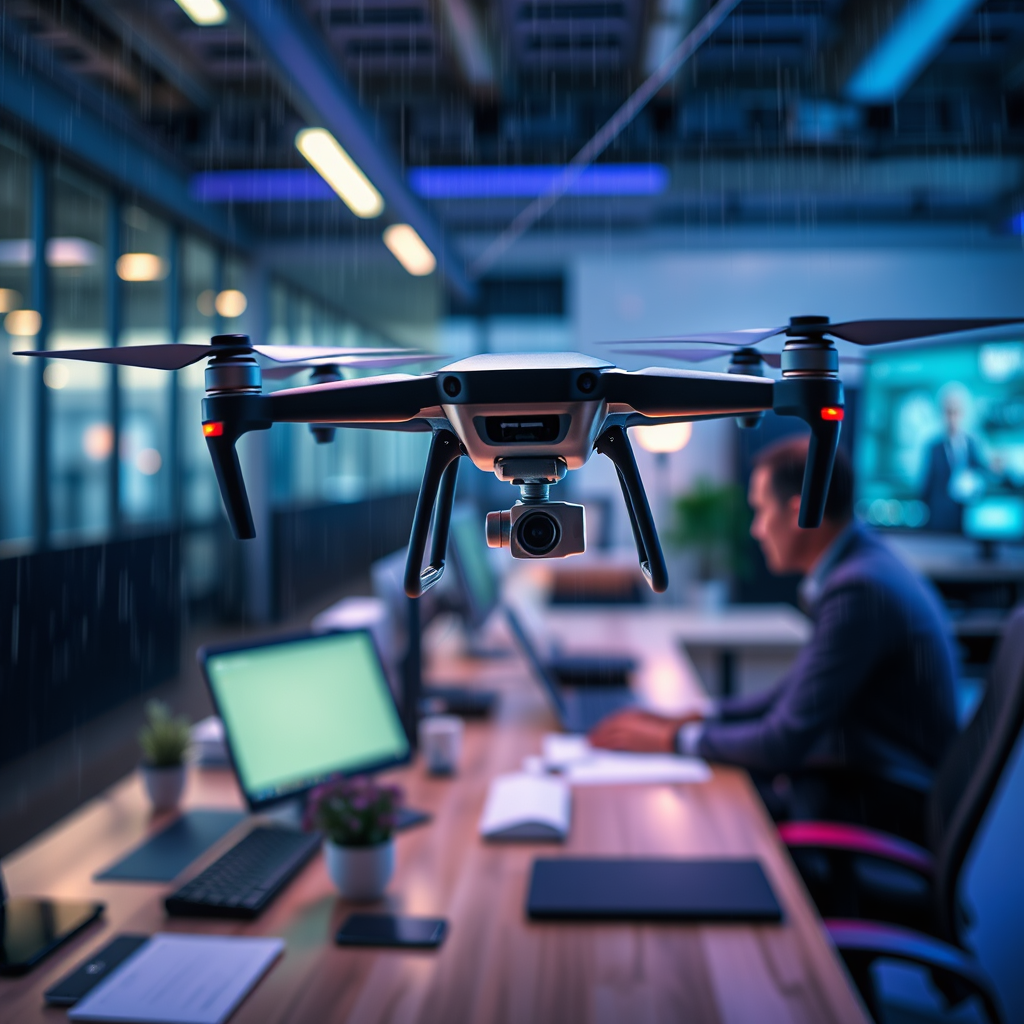
Yes, you can fly a drone in light rain, but it is generally not recommended. Most consumer drones are not designed to withstand moisture, which can lead to malfunctions or damage. While some high-end models offer water-resistant features, the risks associated with flying a drone in rainy conditions are significant. Understanding these risks and the limitations of your equipment is essential for ensuring both your safety and the longevity of your drone. Below, we’ll explore the factors to consider when contemplating flying your drone in rainy conditions.
Understanding Drone Waterproofing
When considering whether to fly your drone in the rain, it is crucial to understand the concept of waterproofing in drones. Many consumer drones, particularly entry-level models, are not waterproof or water-resistant. Exposure to moisture can lead to severe damage, including short-circuits, corrosion of the internal components, and potential failure while in flight.
Some high-end drones, such as the DJI Mavic 2 Enterprise and certain models from the Parrot Anafi line, are built with weather-resistant features that allow them to operate in light rain. However, even these models have limitations; it’s vital to check the manufacturer’s specifications and user manuals to understand how much moisture they can handle. For example, a drone rated with an IP (Ingress Protection) rating of IP43 may withstand splashes of water, but it should not be exposed to heavy rain or submerged in water.
Risks of Flying in Rain
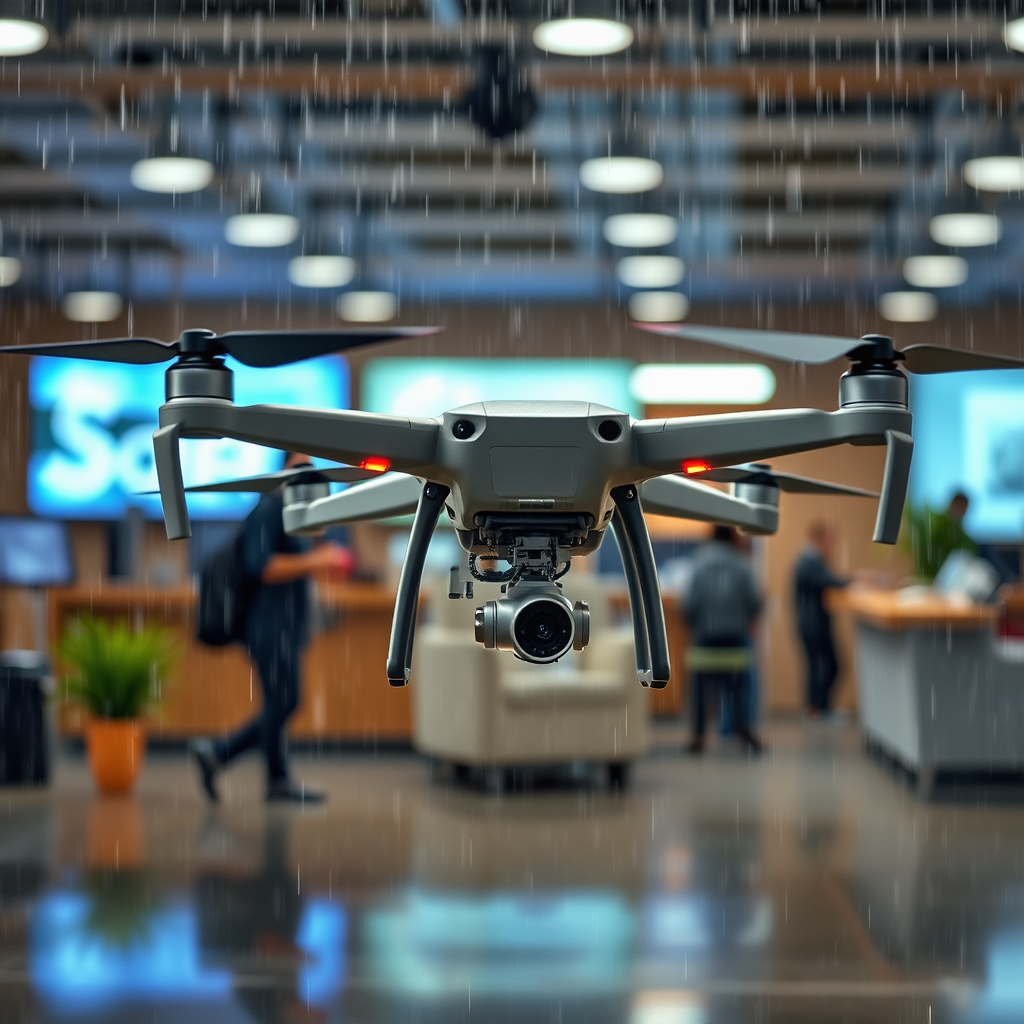
Flying a drone in rain introduces several risks that can jeopardize both the equipment and the operator’s safety. One of the primary concerns is the impact of water on electronic components. Moisture can seep into sensitive parts of the drone, causing short-circuits that may lead to a total failure of the system. This could result in the drone crashing, potentially causing injury to bystanders or damaging property.
Moreover, reduced visibility during rainy conditions poses another significant challenge. Fog, mist, and rain can obscure your line of sight, making it difficult to control the drone effectively. The lack of visual cues can hinder navigation, making it easier to lose track of the drone or misjudge its altitude and distance. This can lead to accidents, especially in areas with obstacles like trees, power lines, and buildings.
Best Practices for Flying in Rain
If you find yourself in a situation where flying in light rain is unavoidable, there are several best practices you should consider to mitigate risks. First and foremost, ensure that your drone is rated for wet conditions. If your drone is built for light moisture exposure, then a gentle drizzle might be acceptable, but always err on the side of caution.
Additionally, it’s vital to avoid flying in heavy rain or severe weather. Check local weather reports and be aware of any changing conditions that may worsen. If you must fly in light rain, limit your flight time to reduce the exposure to moisture, and choose a location that minimizes potential hazards, such as open fields away from trees and power lines.
Lastly, always have an emergency plan in place. Know how to quickly land the drone if conditions worsen or if you notice any signs of malfunction. This can save your drone and ensure safety for those around you.
Alternatives to Flying in Rain
When faced with rainy weather, it’s often best to postpone your flight until the conditions are more favorable. Drones typically perform best in dry conditions, and waiting for clear skies can significantly enhance your flying experience and protect your investment.
If you’re eager to practice your flying skills, consider indoor flying as a viable alternative. Many drones are suitable for indoor use, allowing you to hone your piloting abilities without the risks associated with adverse weather. Use this time to familiarize yourself with your drone’s features, practice maneuvers, and refine your skills in a controlled environment.
Another option is to explore the use of drone simulators. These digital platforms provide a realistic flying experience without the physical risks. They can help you prepare for various flying conditions, including navigating through adverse weather scenarios, all from the safety of your home.
Legal Considerations
Before flying your drone in rainy conditions, it’s essential to be aware of local regulations regarding drone operations. Some jurisdictions have specific rules about flying during adverse weather conditions, which can include rain, fog, or high winds.
Always check with your local aviation authority or any relevant regulatory body to ensure compliance with laws and regulations. Additionally, consider the implications of flying in poor visibility. Many regions require that drone operators maintain a visual line of sight with their aircraft at all times, which can be challenging in rainy weather.
Failing to comply with local regulations can lead to fines or legal repercussions, so it’s critical to stay informed and adhere to established guidelines.
Maintenance Tips After Flying in Rain
If you do decide to fly in light rain, proper maintenance after the flight is crucial to ensure the longevity and performance of your drone. Begin by thoroughly drying your drone. Use a soft cloth to wipe down the exterior and ensure that all moisture is removed from the propellers and body.
Inspect the drone for any signs of damage, such as corrosion or water ingress. Pay special attention to the battery compartment, motors, and camera. If you notice any water accumulation, allow the drone to dry out completely before attempting to power it on.
Additionally, consider using a dehumidifier or placing silica gel packets in the storage case to absorb any residual moisture. Regular maintenance checks and cleaning can help prevent long-term damage and keep your drone in optimal flying condition.
In conclusion, while it is possible to fly a drone in light rain, it comes with significant risks and potential for damage. Understanding the waterproofing capabilities of your drone, being aware of the risks associated with flying in rain, and adhering to best practices can help mitigate these risks. Always prioritize safety, check local regulations, and maintain your drone diligently post-flight. If you have any doubts, it’s best to wait for clearer skies to ensure a safe and enjoyable flying experience.
Frequently Asked Questions
Can I fly a drone in light rain?
Flying a drone in light rain is generally not recommended, as most consumer drones are not designed to withstand moisture. Even a small amount of water can cause damage to the drone’s electronic components and motors, potentially leading to malfunctions or crashes. If you must fly in wet conditions, consider using a drone specifically rated for water resistance or waterproof features.
What are the risks of flying a drone in the rain?
The primary risks of flying a drone in the rain include water damage to internal circuitry, loss of control due to compromised sensors, and decreased battery performance. Additionally, rain can reduce visibility, making it harder to see your drone’s position and affecting GPS accuracy. These factors combined can lead to crashes or loss of the drone, resulting in costly repairs or replacements.
How do I protect my drone from rain while flying?
To protect your drone from rain while flying, you can equip it with a waterproof cover or a rain shield specifically designed for drones. Additionally, avoid flying in rainy conditions whenever possible, and monitor weather forecasts to prevent unexpected downpours. After flying in wet conditions, ensure to dry your drone thoroughly before storing it to prevent corrosion.
Which drones are best suited for flying in the rain?
Drones that are best suited for flying in the rain typically come with waterproof or water-resistant ratings, such as the DJI Mavic 2 Enterprise or the Swellpro Splash Drone. These models are designed to operate in wet conditions and can handle minor exposure to water. Always check the manufacturer’s specifications to confirm a drone’s weather resistance before flying in rain.
Why do some drone manufacturers recommend against flying in the rain?
Many drone manufacturers recommend against flying in the rain due to the potential for water damage, which can void warranties and lead to costly repairs. Rain can interfere with the drone’s electronics, affecting flight stability and navigation systems. Additionally, moisture can damage the camera and gimbal, impacting the quality of your aerial footage. For these reasons, it’s best to adhere to manufacturer guidelines regarding weather conditions.
References
- https://www.faa.gov/uas/getting_started/part_107_rules
- https://www.nasa.gov/feature/nasa-develops-technology-to-track-drones-in-the-rain
- https://www.dronepilotgroundschool.com/can-you-fly-a-drone-in-the-rain/
- https://www.suasnews.com/2020/06/drones-in-the-rain/
- https://www.knowbeforeyoufly.org/faq/
- https://www.researchgate.net/publication/334033994_Analyzing_the_impacts_of_weather_conditions_on_drones_flight_performance
