
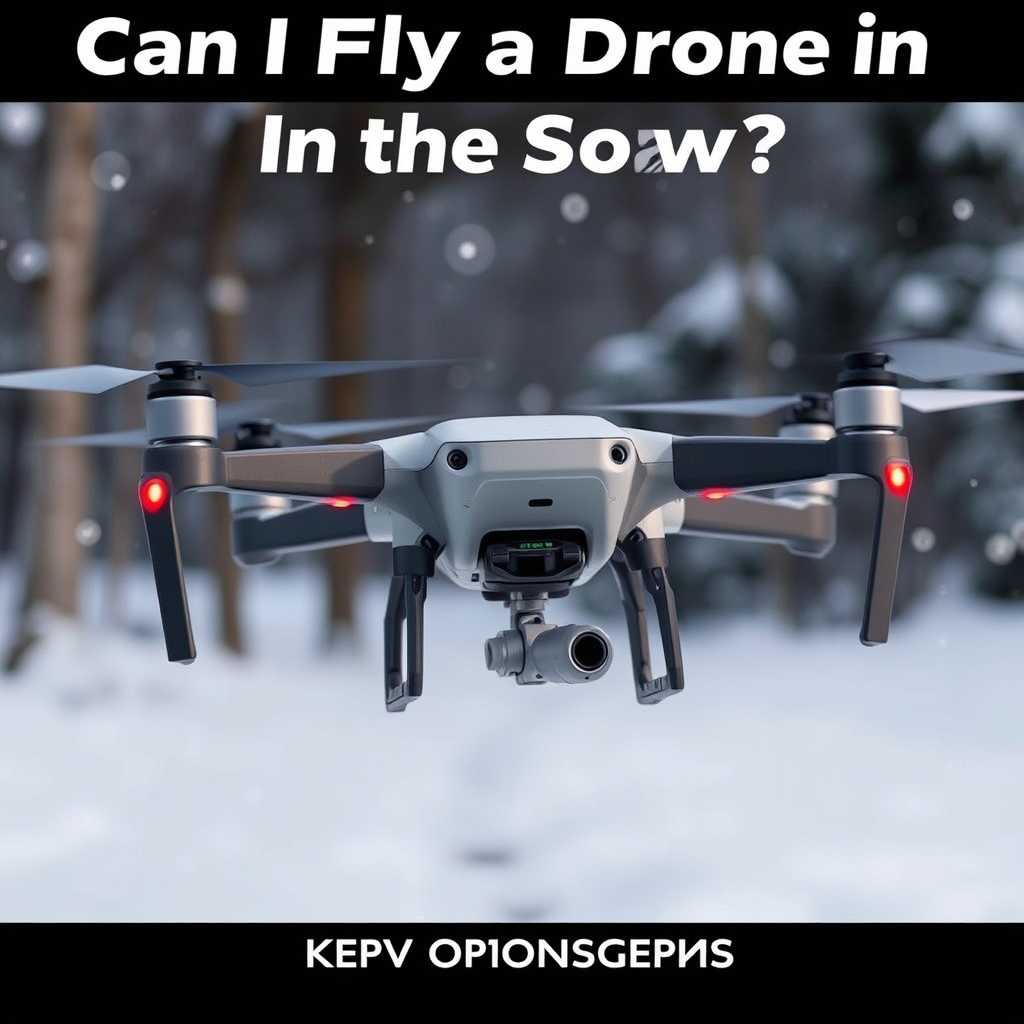
Yes, you can fly a drone in the snow, but there are important factors to consider to ensure safe operation and optimal performance. Snowy conditions can present unique challenges that require careful planning and execution. Understanding how cold temperatures affect your drone’s capabilities, as well as preparing for potential hazards, will allow you to capture stunning winter landscapes while maintaining safety and compliance with regulations.
Understanding Drone Specifications
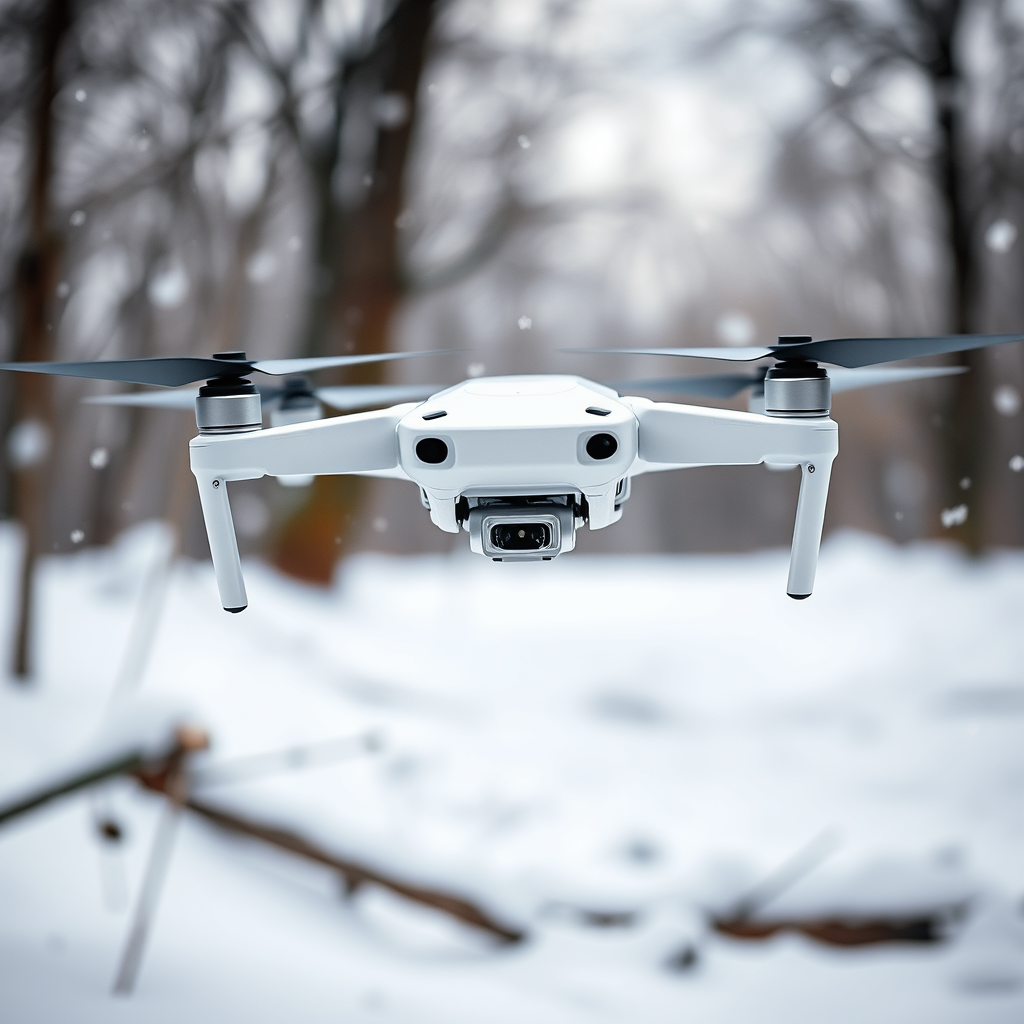
Different drones have varying levels of weather resistance; therefore, it is crucial to check your model’s specifications before taking it out in snowy conditions. Many consumer drones are not designed for extreme weather, and while some may be labeled as “weather-resistant,” this does not make them waterproof. For instance, models such as the DJI Mavic Air 2 are known for their sturdiness but still require caution when flying in snow.
Cold temperatures can significantly affect battery life and performance, leading to shorter flight times. Lithium-polymer (LiPo) batteries, commonly used in drones, can lose energy rapidly in cold weather. It is advisable to monitor battery levels closely and consider carrying spare batteries that have been warmed slightly by your body heat before use. Keeping batteries insulated can help maintain performance, as temperatures below 32°F (0°C) can lead to reduced efficiency.
Safety Precautions
Safety should always be a priority when flying drones, especially in adverse weather. Ensure that your drone is equipped with a reliable GPS for navigation in low-visibility conditions. Many drones come with built-in GPS, but you should also be familiar with your drone’s fail-safe features. In snowy environments where landmarks may be obscured, a solid GPS connection is essential for maintaining control and ensuring a safe return.
Avoid flying in heavy snowfall or strong winds, which can impair control and lead to crashes. Snowflakes can obstruct sensors, and strong winds can push the drone off course, making it difficult to navigate. Before launching, check weather forecasts and local advisories, and choose a day with clear visibility and minimal wind. If conditions become unfavorable during your flight, be prepared to land immediately.
Preparing Your Drone for Snow
Preparation is key to ensuring your drone operates effectively in snow. Inspect your drone for any moisture build-up before and after flights, as snow can easily accumulate on exposed components. This moisture can lead to corrosion or damage to sensitive electronic parts, so it’s essential to dry your drone thoroughly after each use.
Consider using propeller guards to prevent damage from snow or icy obstacles. These guards can protect your propellers from impacts with branches, trees, or other hazards hidden beneath the snow. Additionally, you might want to apply a silicone spray on non-electronic parts of the drone to help repel moisture and snow.
Camera and Imaging Considerations
When flying in snowy conditions, the reflective nature of snow can impact your camera settings. Snow reflects a significant amount of light, which can lead to overexposed images if your camera’s exposure settings are not adjusted accordingly. It’s advisable to manually set your camera’s exposure compensation to prevent this from happening. A setting of -1 to -2 stops can help manage the brightness and ensure better image quality.
Using a lens hood can also minimize glare, which is particularly pronounced when shooting in bright, reflective environments. This simple accessory can help you capture clearer, more vibrant images while reducing lens flare. Additionally, consider using filters designed for snowy environments, such as polarizers, to enhance colors and reduce glare from the snow.
Legal Regulations and Guidelines
Familiarizing yourself with local regulations regarding drone flights in adverse weather is essential. Many countries have specific guidelines that dictate where and when you can fly, especially in challenging weather conditions. In the U.S., the Federal Aviation Administration (FAA) requires drone operators to comply with regulations that may vary by state or municipality.
Always maintain visual line of sight with your drone, which can be more challenging in snowy environments where visibility is reduced. If you are flying in a popular area, be aware of other drone operators and pedestrians. Utilize apps that provide real-time updates on no-fly zones and weather conditions to ensure compliance and safety during your flight.
Tips for Flying in Snowy Conditions
To maximize your flying experience in snowy conditions, consider flying during daylight hours when visibility is best. This will allow you to assess the terrain and identify potential obstacles more easily. Additionally, choose open areas with minimal obstructions to reduce the risk of collisions with trees, buildings, or other drones.
Practice flying in these conditions by starting with simple maneuvers to gain confidence and familiarize yourself with how your drone responds to cold weather. Gradually increase the complexity of your flights as you become more comfortable. Don’t hesitate to land if you feel uncertain about your drone’s performance or the environmental conditions.
Post-Flight Maintenance
Post-flight care is crucial to maintaining your drone’s longevity after flying in snow. Thoroughly clean your drone to prevent any build-up of snow or moisture that could lead to corrosion over time. Pay particular attention to the motors, propellers, and battery compartment, removing any snow or ice that may have accumulated.
Store batteries at room temperature to maintain their performance. Cold temperatures can cause LiPo batteries to lose capacity, so keep them away from extreme cold to ensure they remain in optimal condition for your next flight. Regular checks on battery health and condition can prevent malfunctions and extend the lifespan of your batteries.
In conclusion, flying a drone in the snow is feasible, but it requires careful preparation and awareness of potential challenges. By understanding your drone’s specifications, taking necessary safety precautions, and preparing adequately for the unique conditions presented by snow, you can enjoy capturing the beauty of winter landscapes. Following the tips outlined above will help ensure the safety and functionality of your drone, allowing for an enjoyable flying experience in snowy environments.
Frequently Asked Questions
Can I fly a drone in snowy weather?
Yes, you can fly a drone in snowy weather, but it requires careful consideration. Snow can affect visibility and battery life due to colder temperatures. Additionally, wet snow may damage your drone’s components, so it’s essential to ensure your drone is rated for such conditions and to monitor weather forecasts before your flight.
What precautions should I take when flying a drone in the snow?
When flying a drone in the snow, it’s important to take several precautions to ensure safe operation. First, ensure that your drone is equipped with propeller guards to prevent snow accumulation. Second, check the battery life frequently, as cold temperatures can reduce flight time significantly. Lastly, avoid flying in heavy snowfall or strong winds, which can impair control and visibility.
How does snow affect drone battery performance?
Snow can significantly affect drone battery performance because cold temperatures can reduce battery efficiency and flight time. Most drone batteries, particularly lithium-polymer (LiPo) batteries, tend to lose power in colder conditions, making it crucial to keep batteries warm before and during flight. Additionally, having extra batteries on hand can help extend your flying time in snowy conditions.
Why is it important to monitor weather conditions when flying a drone in the snow?
Monitoring weather conditions is essential when flying a drone in the snow to ensure safety and optimal performance. Snowy weather can lead to reduced visibility, increased wind, and potential icing on the drone, all of which can make flying hazardous. By checking weather forecasts, you can make informed decisions about whether it’s safe to fly and avoid dangerous conditions that could lead to accidents.
What are the best drones for flying in snowy conditions?
The best drones for flying in snowy conditions are those designed with durability and weather resistance in mind. Look for drones that have an IP rating for water resistance, such as the DJI Mavic 2 Pro or the Autel Robotics EVO Lite, as these can better withstand snow and moisture. Additionally, drones with longer battery life and robust build quality are better suited for cold weather flying, ensuring a safer and more enjoyable experience.
References
- https://www.faa.gov/uas/getting_started/learn_about/
- https://www.nytimes.com/2022/01/18/science/drones-snow.html
- https://www.nasa.gov/mission_pages/earth/news/drone-snow.html
- https://www.wired.com/story/flying-drones-in-snow/
- https://www.dronepilotgroundschool.com/flying-drones-in-snow/
- https://www.safewise.com/resources/drone-flying-tips/
